
HASC Bolsters DoD Right to Repair in FY27 NDAA
- The House Armed Services Committee approved the FY27 National Defense Authorization Act following extensive deliberation.
- Key new language grants the Department of Defense default government purpose rights for technical data and software.
- This provision aims to simplify military equipment repairs by mitigating existing contractual intellectual property restrictions.

A recent supply chain attack, dubbed Mini Shai-Hulud, successfully injected malicious code into four SAP NPM packages, compromising critical cloud credentials and development tokens. The sophisticated attack targeted the SAP Cloud Application Programming (CAP) ecosystem, exposing a wide range of sensitive data from AWS, Azure, GCP, GitHub, and Kubernetes environments. This incident underscores the escalating threat of software supply chain vulnerabilities to enterprise and government IT infrastructure.

A new local privilege escalation vulnerability, dubbed 'Copy Fail' (CVE-2026-31431), has been exposed, allowing unprivileged local attackers to achieve root permissions on Linux kernels released since 2017. Discovered by Theori, this critical flaw impacts major distributions, including Ubuntu, RHEL, and Amazon Linux, with a "100% reliable" exploit now publicly available. Patches have been released upstream, though distribution-specific updates may vary.
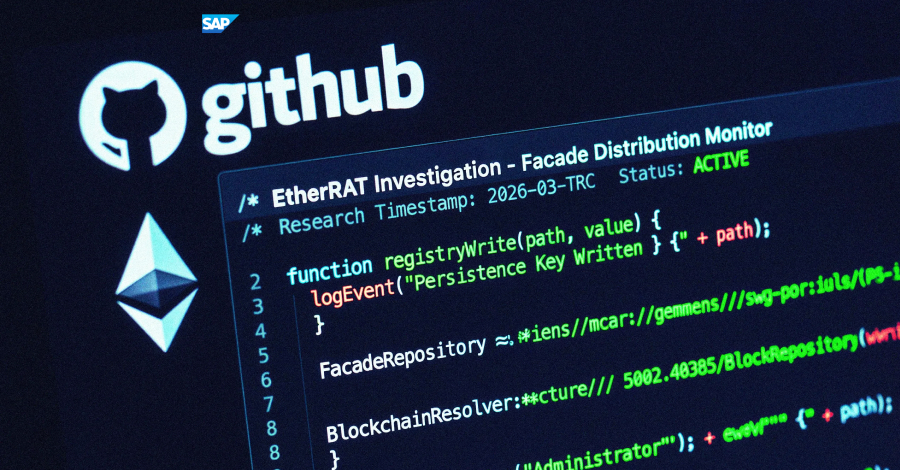
A highly resilient EtherRAT campaign has emerged, leveraging sophisticated blockchain-based command-and-control and a dual-stage GitHub distribution architecture. This operation specifically targets high-privilege IT professionals by impersonating critical administrative tools to gain deep network access.
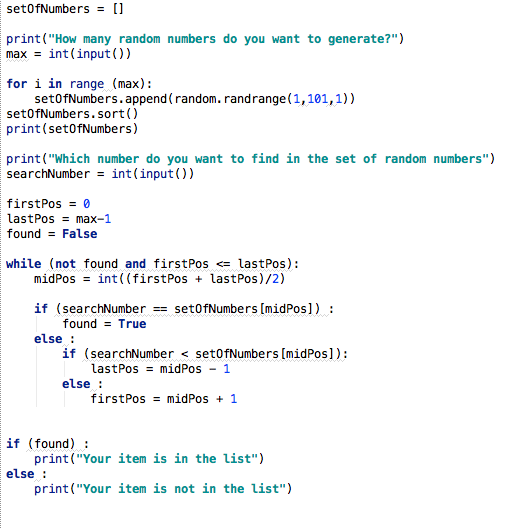
Cybersecurity researchers have uncovered DEEP#DOOR, a highly stealthy Python-based backdoor framework designed for persistent access and extensive data exfiltration. This sophisticated Remote Access Trojan utilizes a public TCP tunneling service for command-and-control, enabling remote execution, widespread surveillance, and critical credential theft while aggressively evading detection.
The cybersecurity landscape is increasingly complex, marked by novel attack vectors and persistent vulnerabilities. Recent reports highlight a surge in sophisticated tactics, including the use of fake cell towers for SMS scams and compromised developer tools exposing private files.
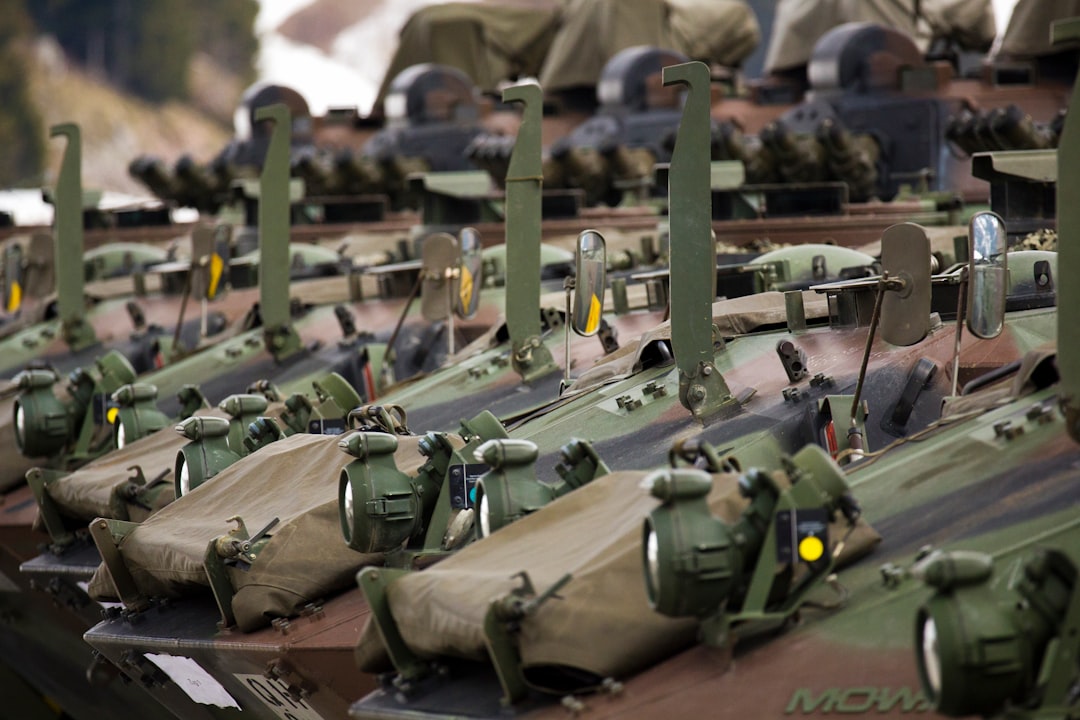
Romania has officially selected Rheinmetall's Lynx KF41 infantry fighting vehicle for a planned €3.4 billion ($4 billion) acquisition, marking a significant upgrade to its ground forces. This strategic decision will replace the military's antiquated Soviet-era MLI-84 vehicles, bolstering NATO's eastern flank capabilities and involving substantial local defense industry participation.

Amidst an unpopular and economically disruptive conflict, top U.S. military leaders are briefing President Donald Trump today on potential military options against Iran. The high-level discussions, involving commanders like CENTCOM chief Adm. Brad Cooper and Defense Secretary Pete Hegseth, aim to explore actions to compel Iran into negotiations to end the ongoing hostilities.
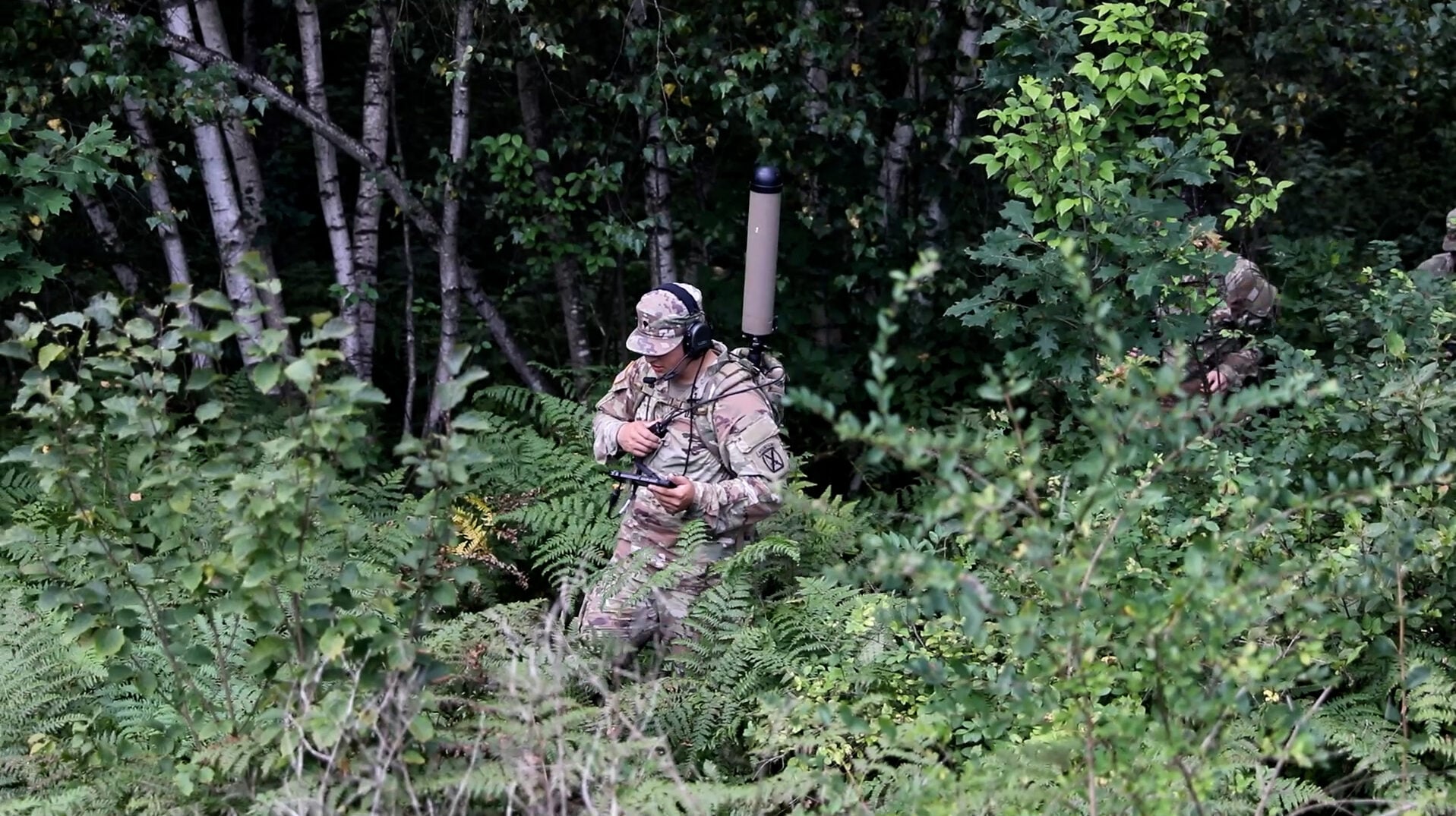
The U.S. Army is significantly ramping up its electromagnetic warfare (EW) and signals intelligence (SIGINT) capabilities, driven by an ambitious mandate from the Secretary of Defense to achieve spectrum dominance by 2027. Its fiscal 2027 budget request includes increased funding to accelerate development and production, aiming to field relevant capabilities faster to frontline formations. This push marks a pivot towards more rapid adoption of commercially available technology and refined operational learning.
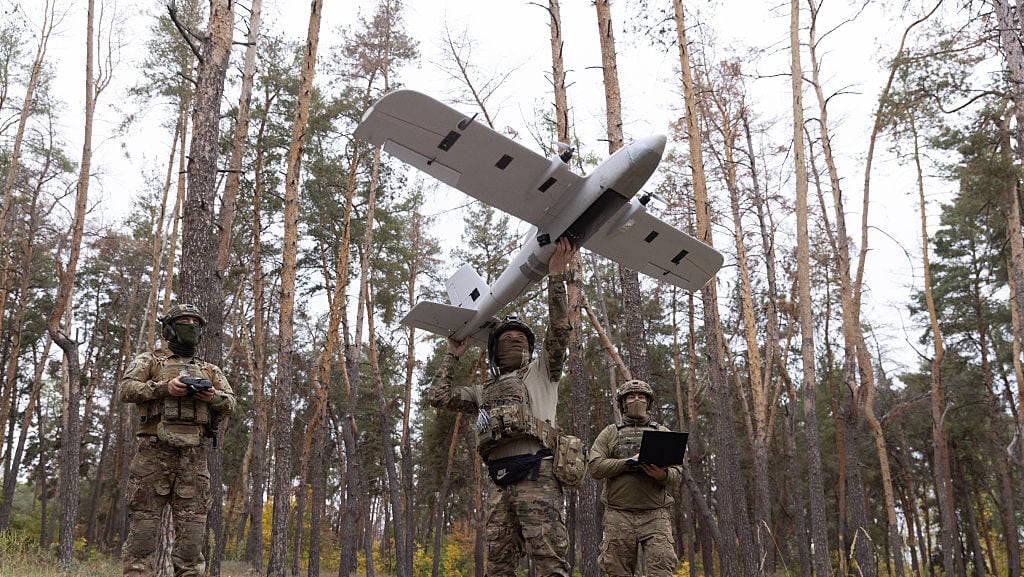
Ukrainian President Volodymyr Zelenskyy has announced a significant policy shift, partially lifting the ban on selling domestically-produced weapons abroad to generate crucial funding for its defense industry. This strategic move aims to balance urgent domestic military needs with the financial imperative of allowing local manufacturers to export excess systems, but only to nations explicitly not cooperating with Russia.

The Marine Corps' new CH-53K King Stallion heavy-lift helicopter is now slated for its inaugural operational deployment with the 26th Marine Expeditionary Unit (MEU) in fiscal 2027, following several production and supply chain delays. This highly anticipated milestone marks a significant step forward for the program, which aims to modernize the service's heavy-lift capabilities and support its distributed aviation operations strategy. The King Stallion has also recently surpassed 10,000 fleet flight hours.

In an unprecedented display of AI's burgeoning capability in cybersecurity, Anthropic's Claude Mythos Preview model has identified an astonishing 271 zero-day vulnerabilities in the Firefox browser. This monumental discovery, leading to fixes in Firefox 150, underscores a dramatic shift in the landscape of software security and proactive vulnerability detection.

The Iran-linked threat actor Handala, officially associated with Iran's Ministry of Intelligence and Security (MOIS), has launched a sophisticated influence campaign directly targeting US military personnel stationed in Bahrain. The group used WhatsApp messages to issue explicit threats of surveillance, drone strikes, and missile attacks. This marks a significant escalation in Handala's operational scope, moving beyond corporate targets to direct psychological warfare against service members.