Army Tests Stratospheric Sensor for Multi-Domain ISR
- Project Wallabee integrates a compact, autonomous target recognition sensor with a high-altitude balloon for stratospheric ISR.
- The initiative aims to overcome historical difficulties in deploying effective sensor payloads in the extreme conditions of the stratosphere.
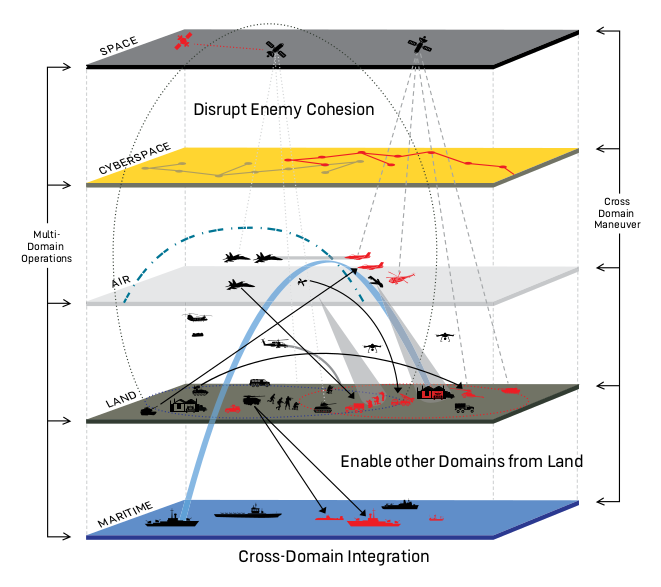
- This test contributes to establishing a resilient, multi-layered sensing architecture spanning ground, air, stratospheric, and space domains.
Germany's Rheinmetall has finalized an extensive multi-billion dollar agreement with Romania, valued at approximately 6.6 billion US dollars, to supply a comprehensive suite of advanced military hardware. This landmark contract, the largest international package in the company's recent history, encompasses nearly 300 Lynx combat vehicles, Skyranger air defense systems, substantial ammunition stocks, and new naval assets, significantly bolstering Romania's defense capabilities. The procurement underlines Bucharest's commitment to modernizing its forces amidst evolving regional security challenges. This substantial investment, partially financed through the European Union's Security Action for Europe (SAFE) program, underscores a broader trend of enhanced defense spending and strategic rearmament across NATO's eastern flank. It reflects a concerted effort by European nations to strengthen collective deterrence and build resilient industrial capacity in response to the volatile geopolitical landscape.

Artificial intelligence is fundamentally reshaping the cybersecurity landscape, enabling threat actors to launch attacks with unprecedented speed and scale, rapidly overwhelming conventional defenses. This aggressive escalation targets pre-existing vulnerabilities across legacy systems and operational networks, posing significant risks to critical data integrity and availability, particularly for defense operations. The convergence of increasingly complex digital infrastructure and sophisticated AI-driven exploits demands an urgent re-evaluation of current security postures. This dynamic shift places immense pressure on IT security professionals and military analysts to adopt a proactive, rather than reactive, approach to cyber defense. The global geopolitical climate, marked by persistent state-sponsored and criminal cyber activities, amplifies the imperative for resilient architectures and innovative countermeasures against adversaries empowered by advanced AI capabilities.

Artificial intelligence capabilities are significantly lowering the barrier for identifying exploitable weaknesses within the U.S. Army's modernized unified network. This development creates an unprecedented challenge for defense cybersecurity, demanding rapid adaptation from military IT leadership and operational units. The Army's strategic consolidation of enterprise and tactical networks into a single architecture, a modernization effort initiated in 2021, now faces heightened exposure due to these advanced adversarial tools. This situation underscores a critical inflection point in military cybersecurity, where emerging AI technologies empower threat actors with enhanced reconnaissance and exploitation capabilities. It highlights the escalating cyber arms race impacting global defense postures and the urgent need for proactive defensive innovation.

A long-anticipated executive order has established a new government framework for overseeing advanced artificial intelligence, granting the National Security Agency a critical and non-optional role in assessing these cutting-edge models for potential cyber exploitation. This directive aims to mitigate the growing threat of AI-powered hacking, which can rapidly uncover software vulnerabilities, while simultaneously striving to preserve American technological leadership. The mandate signals a significant pivot in how national security agencies intend to manage the dual-use nature of frontier AI. This development unfolds against a backdrop of intense global competition in AI innovation, where the strategic imperative to outpace adversaries in developing advanced capabilities must be carefully balanced with the inherent risks these powerful tools introduce to critical infrastructure and information systems. The White House seeks to navigate this complex terrain by engaging the private sector through a novel, albeit controversial, oversight mechanism.

Artificial intelligence is rapidly transforming geospatial intelligence (GEOINT), signaling a profound shift in how defense and intelligence communities will operate. This evolution demands immediate attention from IT security professionals, military analysts, and national security researchers as agencies like the National Reconnaissance Office (NRO) and National Geospatial-Intelligence Agency (NGA) prioritize AI adoption, explainability, and secure information sharing. The ongoing integration of AI into these critical functions is poised to redefine strategic advantage. This technological advancement underscores a broader geopolitical drive for superior intelligence capabilities, with nations globally vying for dominance in space-based assets and data exploitation. The trajectory of AI in GEOINT represents a pivotal component of the future strategic environment, influencing everything from tactical decision-making to long-term national security postures.

Presidential decree has placed a director of federal housing finance at the helm of U.S. national intelligence, marking an unprecedented departure from traditional appointments for this pivotal role. The incoming acting Director of National Intelligence (DNI) will oversee the integration and coordination of the nation's diverse intelligence apparatus, comprising eighteen distinct agencies. This unexpected selection immediately raises questions about leadership continuity and the strategic direction of America's intelligence community. Such a choice unfolds against a backdrop of escalating global instability, from heightened geopolitical tensions in the Middle East to persistent cyber threats targeting critical infrastructure. The integrity and objectivity of intelligence assessments are paramount in guiding national security decisions during these complex times, making the qualifications of the DNI particularly scrutinized.

President Donald Trump has signed a new executive order directing federal agencies to expand oversight of advanced artificial intelligence systems, a move simultaneously aimed at bolstering national cybersecurity defenses and fostering technological innovation. This directive arrives amidst growing concerns over the profound capabilities of cutting-edge AI models, such as Anthropic's Mythos and OpenAI's GPT-5.5-Cyber, which have demonstrated a capacity for rapid vulnerability discovery and sophisticated cyber operations. The order specifically targets federal and national security networks, alongside critical infrastructure sectors like healthcare, finance, and utilities, recognizing their exposure to evolving AI-driven threats. This policy initiative underscores a critical inflection point in the national security landscape, where the dual-use nature of advanced AI necessitates a delicate balance between leveraging its transformative potential and mitigating its inherent risks. The strategic environment now demands swift adaptation from defense and cybersecurity communities to integrate AI's capabilities responsibly, securing vital digital assets against an accelerating threat vector while supporting the growth of a crucial technological frontier.

A significant legislative initiative has emerged from Capitol Hill, aiming to impose substantial restrictions on the Pentagon's use of artificial intelligence in critical operational domains. The proposed "Secure and Accountable Military AI Act" seeks to establish robust guardrails, particularly for fully autonomous weapon systems, domestic surveillance applications, and capabilities linked to nuclear command and control. This development signals a growing Congressional intent to pre-empt potential catastrophic consequences from unconstrained AI deployment. This legislative effort surfaces amidst a complex domestic and geopolitical landscape, characterized by divergent executive branch directives pushing for rapid AI integration even as public and expert concerns about AI safety and ethical use continue to mount. The debate reflects a crucial juncture for national security, balancing the imperative for technological advantage with responsible innovation.
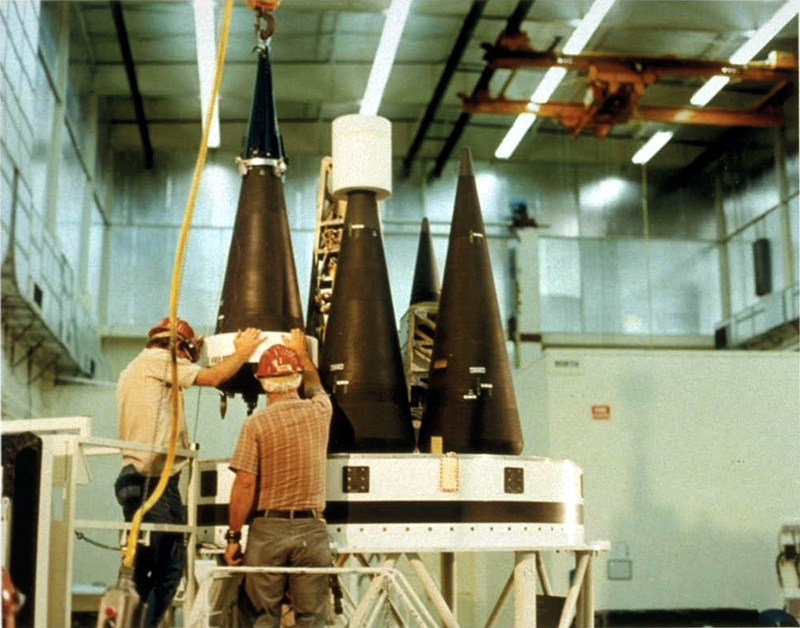
The United States is reportedly considering a significant shift in its Indo-Pacific security posture, contemplating the redeployment of theater nuclear forces to the Western Pacific. This potential move aims to directly address the escalating nuclear capabilities of China and persistent threats from North Korea, while reassuring key regional allies. The initiative comes amidst a proposed substantial increase in the US defense budget, signaling a broader commitment to enhancing America's military strength. This strategic re-evaluation underscores a growing concern within Washington regarding the credibility of its extended deterrence in East Asia, particularly in light of adversaries developing precision, low-yield nuclear options. The geopolitical landscape increasingly suggests a return to a more overt, region-specific nuclear presence to counter evolving threat dynamics.
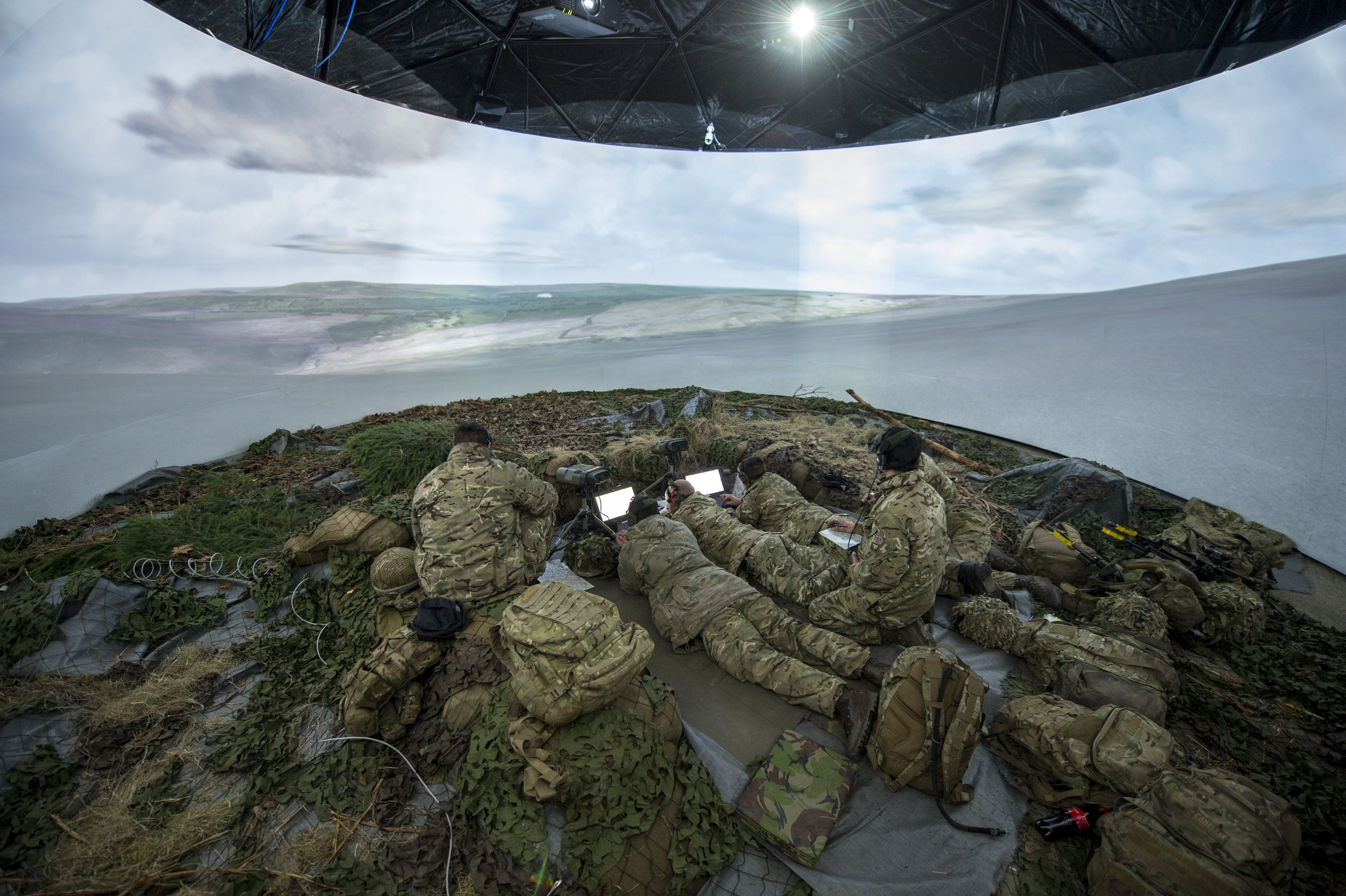
Europe's collective security hinges on the ability of its member states to achieve seamless operational coordination, a challenge amplified by legacy simulation systems and disparate data environments. A unified, integrated modeling and simulation (M&S) framework is emerging as a critical enabler, transforming how multinational forces prepare for complex threats. This approach is poised to significantly accelerate joint readiness and enhance decision-making across the NATO alliance. This strategic imperative unfolds against a backdrop of escalating geopolitical tensions, the proliferation of hybrid warfare tactics, and rapid advancements in military technology. Modern M&S capabilities offer a vital tool for understanding, rehearsing, and adapting to these dynamic challenges without committing physical assets.

European defense analysts are increasingly observing Ukraine transition from a defensive posture to articulating a pathway toward battlefield victory, driven significantly by its rapid advancements in autonomous warfare. This strategic pivot leverages sophisticated AI and robotics to reshape operational dynamics against Russian forces, moving beyond mere survival to proactive engagement and territorial gains. Key developments include AI-guided drones and robotic ground systems enhancing precision and resilience. This evolution highlights a critical inflection point in modern conflict, where agile technological adoption can dramatically alter power balances and challenge traditional military doctrines. Ukraine's experience offers a compelling real-world case study for future defense strategies globally.
Defense contractor GDIT, in collaboration with AWS, is employing an extreme desert e-bike race as a crucial proving ground for advanced military artificial intelligence. This unconventional testing environment for Project Celerity aims to refine AI capabilities for predictive logistics and energy management, essential for expeditionary operations in disconnected and austere battle spaces. The initiative specifically targets the challenges of sustaining tactical microgrids and diverse robotic fleets. This development underscores a significant strategic pivot within defense towards integrating sophisticated AI into the operational fabric of military logistics. It reflects a broader trend of leveraging civilian extreme testing scenarios to accelerate the maturity of technologies destined for complex and contested geopolitical theaters.