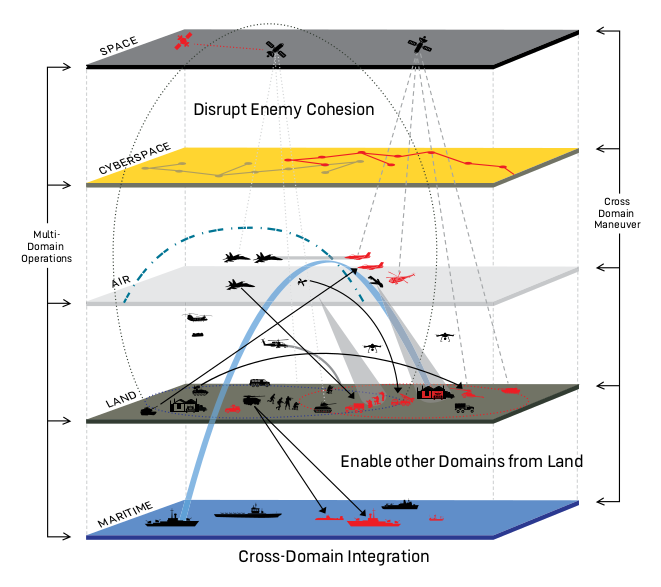
Army Tests Stratospheric Sensor for Multi-Domain ISR
- Project Wallabee integrates a compact, autonomous target recognition sensor with a high-altitude balloon for stratospheric ISR.
- The initiative aims to overcome historical difficulties in deploying effective sensor payloads in the extreme conditions of the stratosphere.
- This test contributes to establishing a resilient, multi-layered sensing architecture spanning ground, air, stratospheric, and space domains.
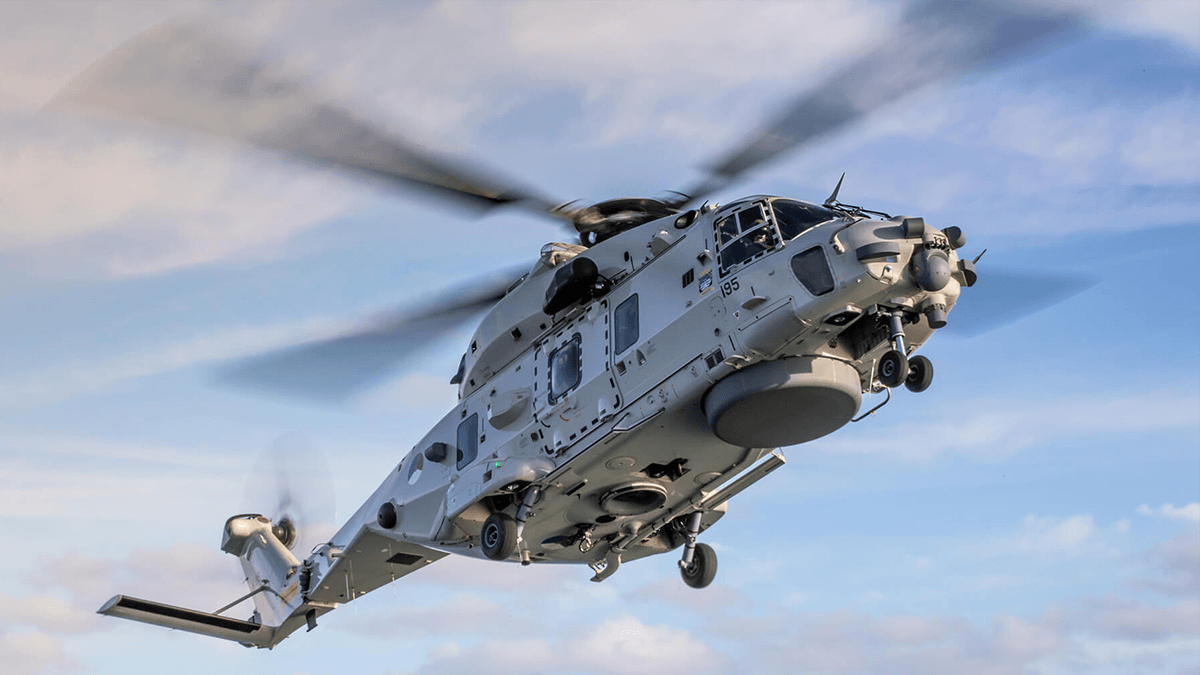
NHIndustries (NHI) has secured a significant €15 million contract to conduct an NH90 helicopter Block 2 architecture study, marking a critical step in modernizing the multi-role rotorcraft for future battlefield demands. This initiative aims to integrate the NH90 with advanced technologies, positioning it to meet the evolving operational needs of the 2040s and beyond. The study focuses on key areas like modular avionics, rapid technology integration, and collaborative combat capabilities.

As naval operations increasingly confront anti-access/anti-denial threats and gray zone challenges, the demand for maritime autonomy is rapidly evolving beyond basic navigation to encompass real-time threat prediction and adaptive mission assurance. Integer Technologies, a rapidly growing defense tech firm, is at the forefront of this shift, providing predictive intelligence software essential for next-generation unmanned platforms. Their DIGIT software is currently being leveraged by the Defense Innovation Unit for extra-large, extended-range unmanned undersea vehicles in the critical Combat Autonomous Maritime Platform (CAMP) project.

The protracted US-Iran conflict, recently paused by a 14-day ceasefire, has unexpectedly gifted significant strategic advantages to Russia and China, who adroitly capitalized on American missteps with minimal intervention. While Washington and Tehran each claim "victory," the weeks-long engagement has demonstrably diminished US influence across the Middle East, creating power vacuums that rival nations are now poised to exploit. This geopolitical shift highlights how regional conflicts can profoundly impact the global balance, diverting critical US attention and resources from other strategic priorities and straining key alliances.

The House Armed Services Committee Chair has declared a $1 trillion baseline defense budget as the "new normal" for future U.S. military spending, signifying a significant shift in fiscal expectations. While this robust baseline is expected to endure, the path to a proposed $1.5 trillion defense budget for 2027, which includes a substantial $350 billion in reconciliation funding, appears fraught with political challenges. This record-breaking sum, if passed, would represent the highest level of military funding since World War II, underscoring both the ambition and potential fragility of future defense appropriations.
The U.S. Army is poised to usher in a new era of vertical lift, integrating its first tiltrotor, the MV-75, for rigorous testing and feedback from units later this year. This move comes decades after other services adopted tiltrotor technology, positioning the Army to leverage hard-won lessons from the Marine Corps' V-22 Osprey experience while defining its own next-generation capabilities. Designed to surpass the speed and range of traditional helicopters like the Black Hawk, the MV-75 aims to revolutionize air assault missions with enhanced safety features and reduced maintenance requirements.

U.S. Space Command recently conducted its 'Apollo Insight' wargame, simulating the catastrophic implications of a hypothetical Russian space nuclear weapon launch. This classified exercise, involving allies, various U.S. agencies, and over 60 defense companies, aimed to strategize responses and prevent a scenario that experts warn would devastate global space operations for years. The wargame underscores escalating international concerns over orbital weapons of mass destruction, specifically in light of recent intelligence surrounding Russia's alleged anti-satellite capabilities.

The White House has issued an ambitious directive, ordering the Pentagon and NASA to deploy nuclear reactors in orbit by 2028 and on the Moon by 2030. This new six-page policy memo aims to establish U.S. dominance in space nuclear power, launching a dual design competition between agencies and fostering partnerships with private-sector innovators. The initiative is critical for unlocking future applications in exploration, commerce, and defense.

The recent electoral defeat of Hungary's Viktor Orbán marks a significant setback for the Kremlin's foreign influence operations, directly impacting Russia's strategic efforts to destabilize the European Union and weaken support for Ukraine. Orbán, a vocal ally of Vladimir Putin, previously obstructed crucial aid and sanctions against Russia, making his loss a pivotal moment in the ongoing geopolitical struggle. This outcome not only thwarts a key component of Putin's 'sphere of influence' strategy but also offers invaluable lessons for Western nations confronting evolving Russian hybrid warfare tactics.

Iran's strategic exploitation of commercial satellite imagery to target U.S. and allied forces is compelling the Pentagon to fundamentally re-evaluate its operational strategies, according to the head of U.S. Space Command. General Stephen Whiting emphasized a new reality of a "transparent battlefield," where global accessibility to high-resolution data demands adapted military operations. This urgent adjustment comes amidst allegations that imagery from providers like Airbus is reaching adversaries via intermediaries, highlighting a critical vulnerability in global information control.
Thirty-eight years ago today, an Iranian mine nearly sank the USS Samuel B. Roberts, an incident that cost $90 million to repair and served as a stark lesson in naval mine warfare. Despite this costly historical precedent and repeated warnings, the U.S. Navy consistently underfunds and neglects its mine countermeasures capabilities, demonstrating a perilous amnesia. This enduring oversight is particularly concerning as Iran once again deploys mines in the critical Strait of Hormuz, catching U.S. forces unprepared for a persistent, asymmetric threat.
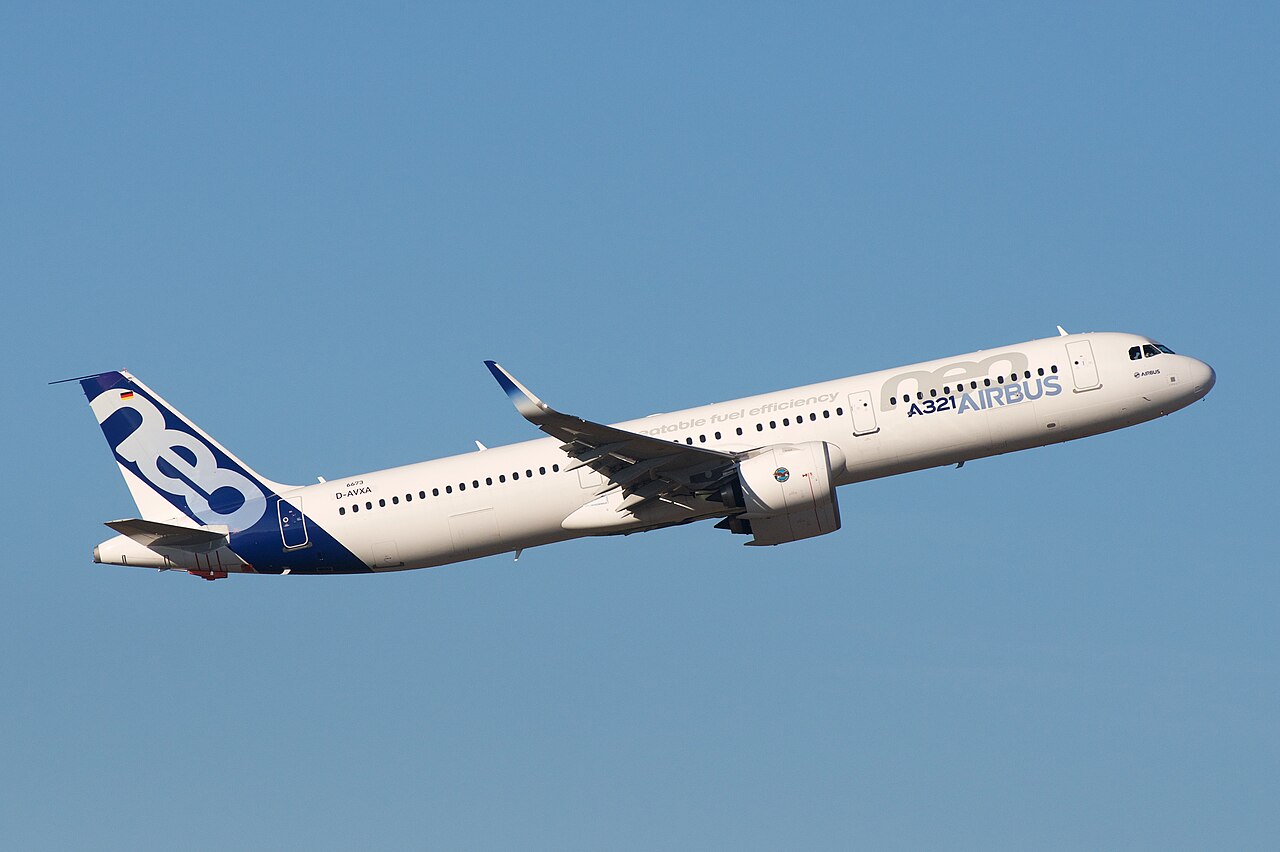
Airbus is developing an autonomous variant of the MQ-72C Lakota helicopter for U.S. Marine Corps logistics, but company officials confirm the platform's potential for an armed configuration capable of deploying 'launched effects'. This development follows successful H145 flight tests validating advanced autonomous perception systems, positioning the Lakota as a versatile unmanned aerial system with significant mission expansion capabilities beyond its initial logistical role. While primarily focused on supporting Marine Corps logistics, the modular open system architecture of the MQ-72C suggests a strategic foresight into future combat applications.
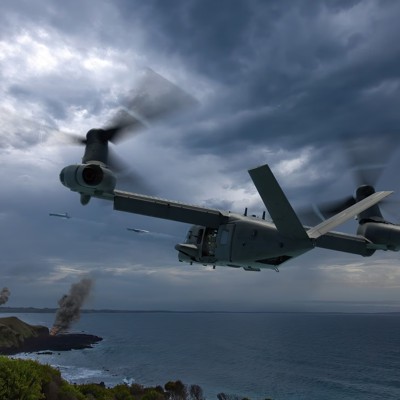
The U.S. Army has officially unveiled the MV-75, christening its first tiltrotor aircraft the Cheyenne II, a name that not only continues a storied tradition of honoring Indigenous tribes but also harks back to an ambitious Vietnam War-era attack helicopter program. This new platform, a key component of the Future Vertical Lift initiative, is poised to redefine Army aviation, aiming to serve as a long-range assault aircraft and ultimately replace the venerable UH-60 Black Hawk. Incorporating critical lessons from the V-22 Osprey, the Cheyenne II boasts fixed engines designed to enhance maintainability and reliability, addressing a major operational challenge of previous tiltrotor designs.