
Budd's Plan: Stabilizing Defense Aviation Amid Election Uncertain
- Senator Budd advocates for multi-year procurement contracts to provide greater predictability for defense aviation manufacturers.
- Proposals include leveraging advanced appropriations to secure vital supply chain components ahead of annual budget cycles.
- Efforts target strengthening the domestic defense industrial base and fostering a skilled workforce through legislative means.
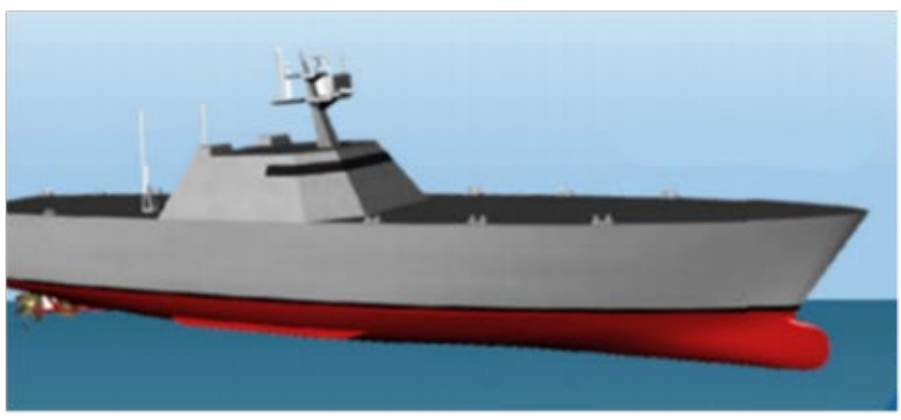
Saildrone has officially unveiled Spectre, a revolutionary 52-meter medium unmanned surface vessel (MUSV) developed in partnership with Lockheed Martin, designed to significantly enhance anti-submarine warfare (ASW) and intelligence, surveillance, and reconnaissance (ISR) capabilities. Showcased at the Sea Air Space Exposition, this new autonomous platform comes in two distinct variants—Silent Endurance for acoustic and ASW missions, and Stealth Strike for kinetic roles—and is capable of carrying over 70 tons of modular payloads, including the Mk70 VLS Launcher. Priced at approximately $40 million, Spectre aims to provide a cost-effective, high-impact solution for modern naval operations.
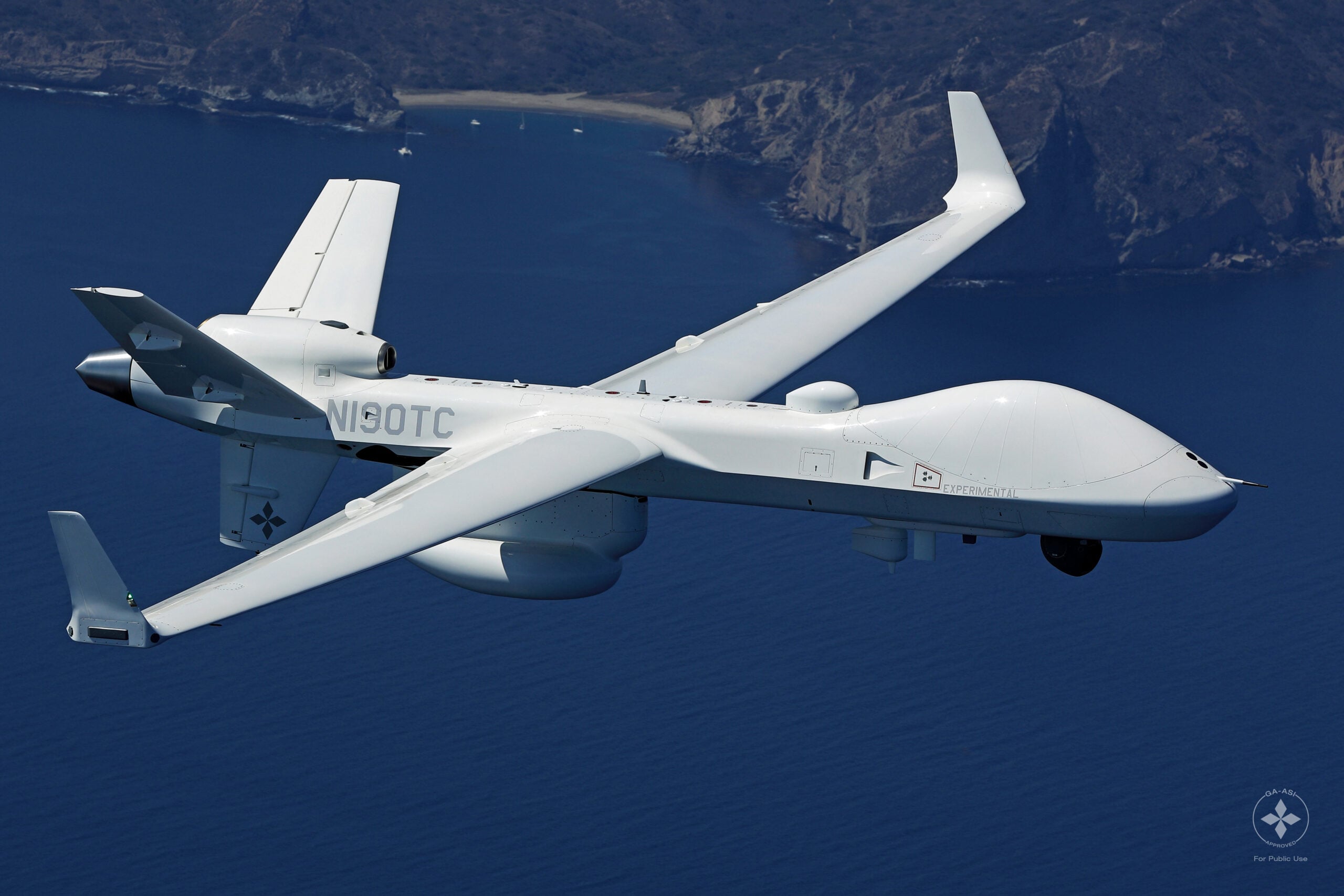
The MQ-9B SeaGuardian Unmanned Aircraft System is poised to become a critical force multiplier for the U.S. Navy-Marine Corps Team, offering persistent intelligence, surveillance, reconnaissance, and anti-submarine warfare capabilities vital for complex and contested maritime environments. Leveraging unmatched endurance and an advanced multi-domain sensor suite, this UAS is designed to deliver crucial situational awareness across the spectrum of conflict, from deterrence to engagement. Its integration into naval strike groups and future STOL variant promise expanded operational flexibility and power projection in an era of evolving global threats.

The U.S. Space Force is establishing a Cislunar Coordination Office, signaling a strategic push by the Department of Defense to solidify its presence in the expansive lunar region. This new acquisition task force aims to develop critical roadmaps and acquire technology to support NASA's ambitious future moon base while safeguarding broader American interests in cislunar space operations. The move aligns with a presidential executive order mandating a permanent lunar outpost by 2030, emphasizing a sustained U.S. presence and enabling future Mars exploration.

Despite significant cuts to Army helicopter procurement in the Pentagon's recent budget request, senior Army leaders and industry partners are confident that foreign military sales (FMS) and strategic asset reinvestment will sustain production lines for Apaches, Blackhawks, and Chinooks. This pivot aims to maintain the health of critical defense contractors and their supply chains, ensuring long-term fleet readiness even without new domestic acquisitions. The move emphasizes sustainment over new procurement, signaling a shift in how the Army plans to manage its rotorcraft capabilities.

The recent US-Israeli airstrikes on Iran have severely reduced shipping through the Strait of Hormuz, unleashing global energy price shocks that are now acutely felt by consumers worldwide. This unanticipated closure has underscored the critical need for a robust strategy to reopen the vital waterway, a challenge compounded by initial diplomatic missteps in mobilizing international support. Our latest analysis, 'Secure Hormuz: A Bold Blueprint to Counter Iran's Strait Threat,' outlines a comprehensive multinational approach to ensure enduring security and prevent future disruptions.

As the U.S. Navy sets 2027 as a critical deadline for war readiness, the specter of a Taiwan contingency continues to define the United States' defense posture against China, its designated "pacing challenge." This scenario, repeatedly highlighted by U.S. defense officials, underscores an evolving strategic landscape where the potential for conflict over Taiwan remains a central, albeit complex, focus of geopolitical tensions. While U.S. intelligence suggests China may possess the capability to invade Taiwan by 2027, the intent behind such an action remains a critical, unconfirmed variable in this high-stakes equation.

The U.S. Army is actively considering establishing an organic aerial refueling capability for its new Cheyenne II MV-75 tiltrotor fleet, a move that signals a significant strategic shift in the service's airpower doctrine. This evaluation comes as the Army grapples with the challenge of supporting extended-range operations without its own dedicated aerial tankers, currently relying on other military branches or specialized kits for its special operations variants. The discussion, highlighted by senior Army aviation officials, suggests a future where the Army seeks greater self-sufficiency in air logistical support.

The U.S. Space Force has awarded initial contracts to nine undisclosed firms, kicking off the development of a groundbreaking satellite constellation designed for airborne moving target indication (AMTI). This significant step aims to build a global space-based tracking capability for aircraft, with the Space Force eyeing a $7 billion procurement budget in FY27 to bring these advanced systems online. The multi-vendor "system-of-systems" approach underscores a strategic push to establish a robust industrial base for this critical national security asset.

The U.S. Air Force is seeking Congressional approval for multi-year contracts on critical defense systems, including satellites and aircraft, marking a strategic shift from traditional annual procurement. This move, championed by Air Force Secretary Troy Meink, aims to accelerate production and leverage significant economies of scale, providing predictable funding for contractors. The push comes amidst a broader Pentagon effort to ramp up the manufacturing of key weapons systems, moving beyond the current year-to-year purchasing model.

Chief of Naval Operations Adm. Daryl Caudle is set to make his inaugural appearance at Sea-Air-Space 2026, where he is expected to address critical issues facing the U.S. Navy. His debut comes as the service grapples with significant challenges, including the imperative for military-wide acquisition reform and the Navy's evolving operational posture in the ongoing Iran conflict. Our team at National Harbor will track these pivotal discussions, offering live coverage from the show floor.

Lockheed Martin has secured a significant $105 million contract to modernize the Global Positioning System (GPS) ground control system, an essential upgrade that will support both current satellites and future GPS IIIF variants. This award highlights the ongoing efforts to enhance the nation's critical PNT infrastructure, extending Lockheed Martin's decade-long involvement in the Space Force's Architecture Evolution Plan. The development unfolds as the Department of the Air Force contemplates the cancellation of the troubled Next-Generation Operational Control System (OCX) being developed by RTX.

The U.S. Army is escalating its demands for defense contractors to "burden share" development and testing costs, a stance articulated by a senior aviation leader just days after General Electric Aerospace indicated it requires additional funding to complete qualification testing for its Improved Turbine Engine Program (ITEP). This move comes as critical ITEP funding was notably absent from the FY26 and FY27 budget requests, despite GE's significant investment in the program to date.