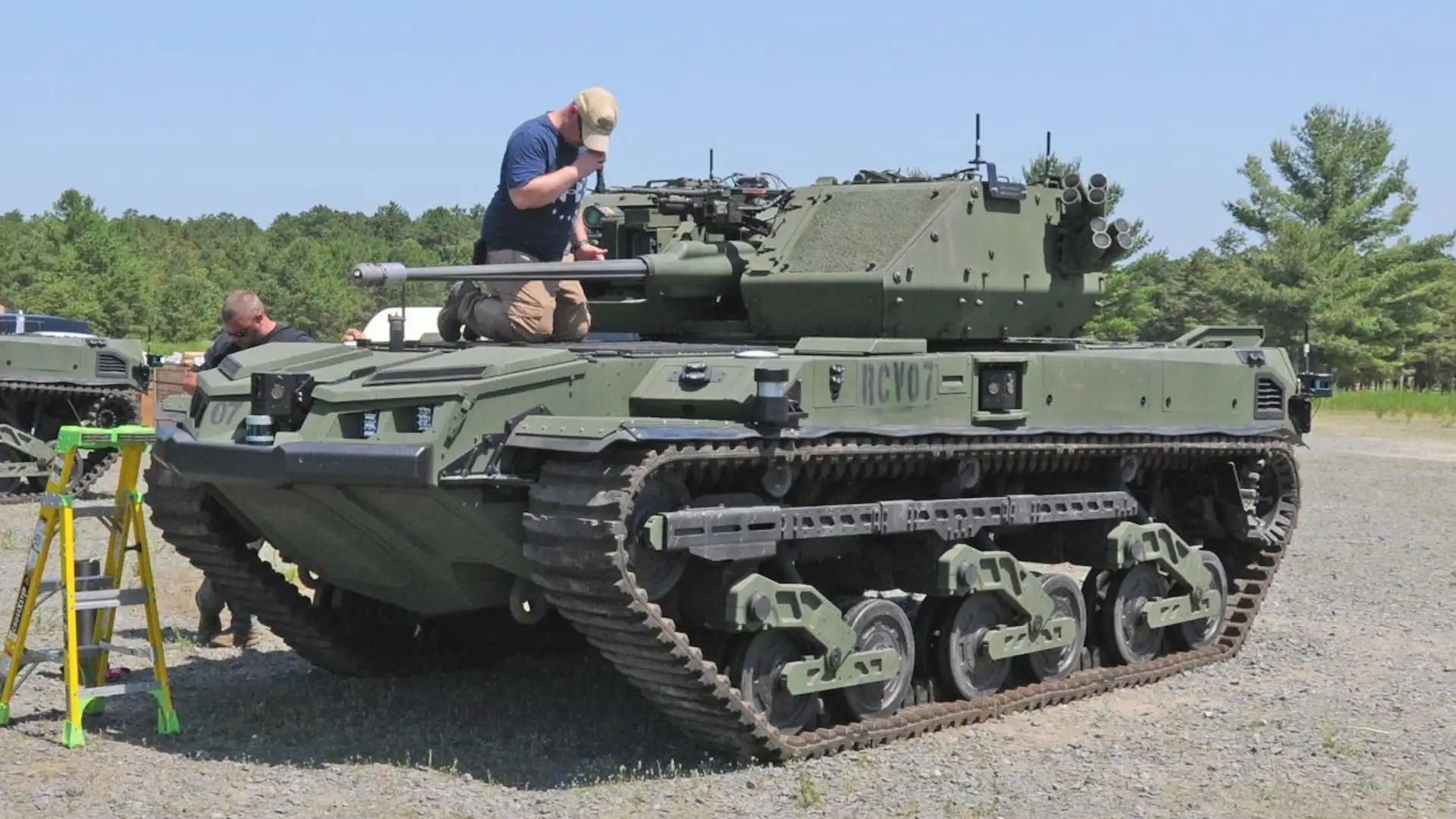
Dutch Combat Robot Plant Boosts Ukraine's Frontline Tech
- A new production plant for combat-zone robots has commenced operations in the Netherlands, directly supporting European defense efforts.
- The facility specializes in manufacturing THeMIS unmanned ground vehicles, a critical asset for various combat scenarios.
- This new industrial capacity is designed to establish a fresh and reliable supply stream of advanced robotic systems for Ukraine.

Australia is set to inject an unprecedented A$887 billion into its defense capabilities over the next decade, aiming to reach 3% of its GDP by 2033-34. This significant financial commitment accompanies an updated National Defence Strategy that explicitly warns of a 'dangerous, unpredictable era' and heightened geopolitical risks, marking a pivotal shift in the nation's security posture. The sweeping investment will prioritize critical areas including undersea warfare, long-range strike capabilities, autonomous systems, and integrated air and missile defense.

As China's military flexes its might with drills around Taiwan, a more insidious conflict is unfolding in the digital realm, where Beijing is weaponizing the voices of Taiwanese opposition. A recent 51-second clip on Douyin, featuring Taiwanese opposition leader Cheng Li-wun accusing President Lai Ching-te of inviting Chinese aggression, rapidly proliferated across Facebook, YouTube, and other platforms popular in Taiwan. This tactic involves amplifying critics of the ruling Democratic Progressive Party (DPP) to discredit the government, deter defense spending, and undermine public support for independence.
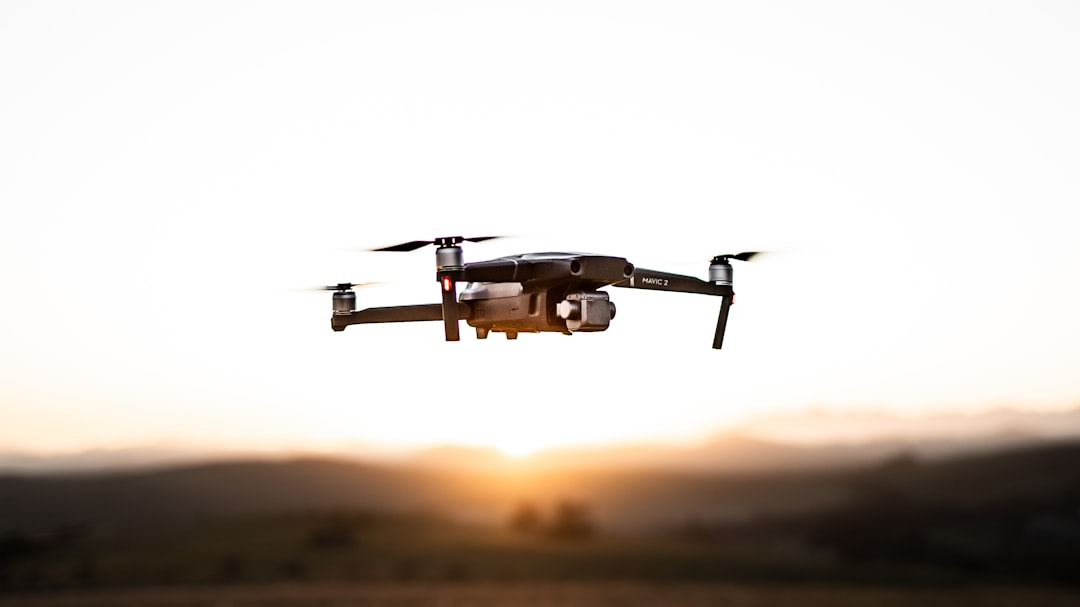
The U.S. Air Force is pushing the boundaries of autonomous warfare, recently conducting hands-on testing of Anduril's YFQ-44A semiautonomous combat drone. Airmen from the Experimental Operations Unit (EOU) at Edwards Air Force Base utilized ruggedized laptops for mission planning and control, a significant shift from traditional human-piloted drones, directly advancing the Collaborative Combat Aircraft (CCA) program. This rapid, operator-driven experimentation embodies the principles of the Air Force's new Warfighting Acquisition System.
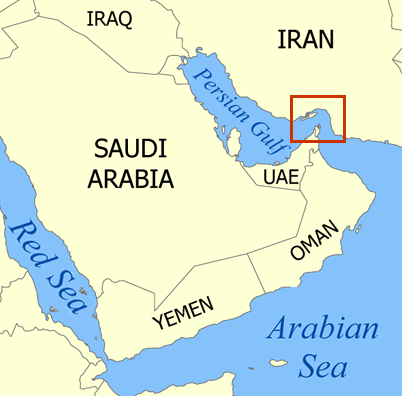
Iran's navy has declared the Strait of Hormuz "completely closed again," broadcasting the message via VHF as multiple merchant vessels reported being hit by gunfire from Iranian gunboats. This abrupt closure comes just a day after Iran issued a notice to mariners suggesting restricted passage would be allowed, indicating a rapid escalation of tensions in the critical waterway. Two vessels attempting to transit near Qeshm and Larak islands were forced to turn back after the engagements.
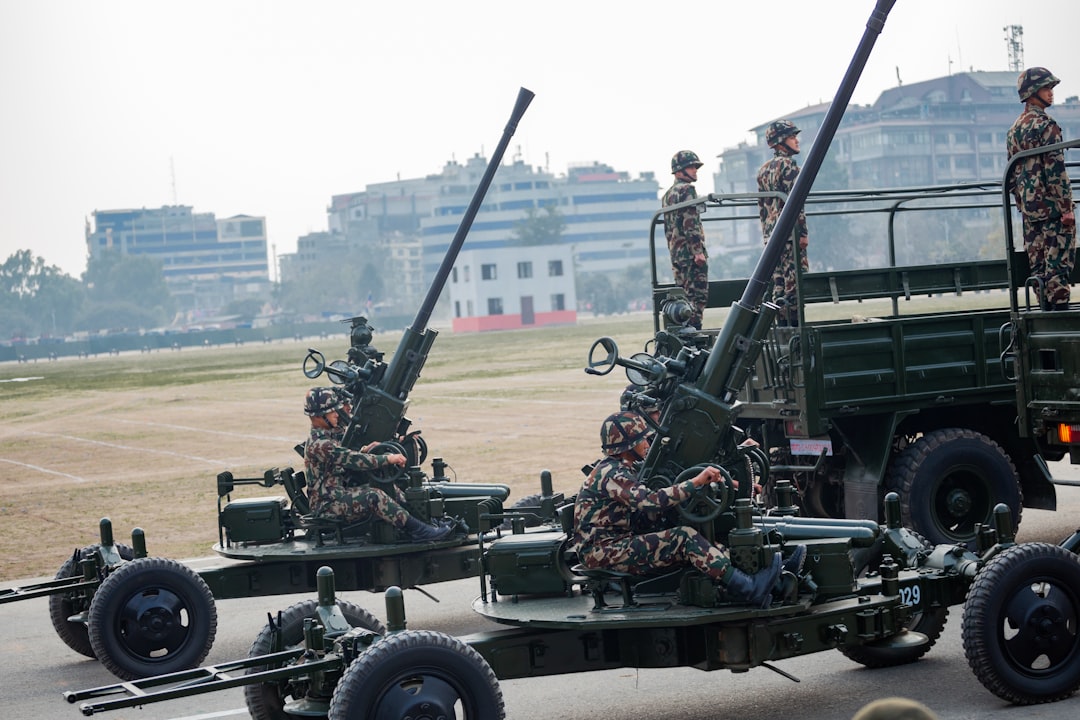
The U.S. Navy has disabled an Iranian-flagged cargo vessel in the Arabian Sea, dramatically enforcing its ongoing naval blockade of Iranian ports and escalating regional tensions. The USS Spruance fired upon the M/V Touska after it defied six hours of warnings while attempting to reach Bandar Abbas, an act Iran has vowed to retaliate against. This decisive action comes amid a fragile ceasefire and marks a significant operational enforcement of U.S. sanctions.
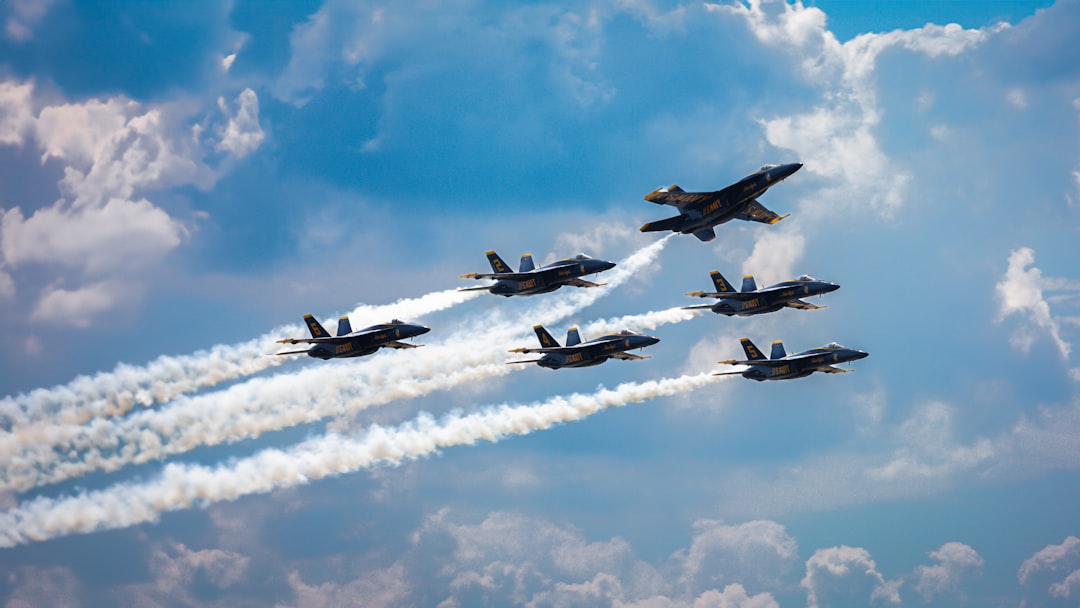
The U.S. Air Force is urgently seeking to upgrade its HH-60W Jolly Green II combat search-and-rescue helicopters with advanced infrared countermeasures (AIRCM) following recent combat incidents, including a high-profile rescue mission over Iran where one helicopter sustained small-arms fire. This immediate push highlights a critical survivability gap, as the HH-60W currently lacks capable defenses against infrared-guided missiles. The Air Force Material Command has issued a Sources Sought notice to integrate either CIRCM or DAIRCM systems, emphasizing the dire need to protect crews and ensure mission success in contested environments.

The U.S. Space Force has revealed its ambitious 'Objective Force' plan, charting a course for massive expansion and the development of advanced warfare capabilities by 2040. This comprehensive 100-page document outlines a vision that includes a significant increase in personnel, particularly a 30% boost for Space Domain Awareness, to meet the challenges of an increasingly contested space domain. The service anticipates a dramatic surge in satellite numbers, projecting a quintupling to 60,000 globally, necessitating extensive commercial integration and enhanced tracking capabilities.

Chief of Naval Operations Adm. Daryl Caudle has directly refuted recent media allegations of widespread food shortages and substandard meals aboard deployed Navy vessels, specifically the USS Abraham Lincoln and USS Tripoli. Addressing reporters at Sea-Air-Space 2026, Caudle insisted that both food quantity and quality fully meet Navy standards, pushing back against a USA Today article detailing unappetizing meals and small portions leaving sailors hungry in the Middle East. His denial includes claims that some photographic evidence presented by the media was misattributed, originating from shore galleys rather than the ships themselves.

Australia has unveiled an ambitious A$425 billion (US$307 billion) National Defence Strategy, aiming to elevate defense spending to 3% of GDP by 2033/34 amidst an evolving Indo-Pacific security landscape. While lauded for its strategic direction and substantial investment in key capabilities like AUKUS submarines and advanced air defenses, the core question emerging from experts is whether the pace of this multi-decade acquisition plan truly matches the accelerating timeline of potential regional conflicts, particularly concerning China.
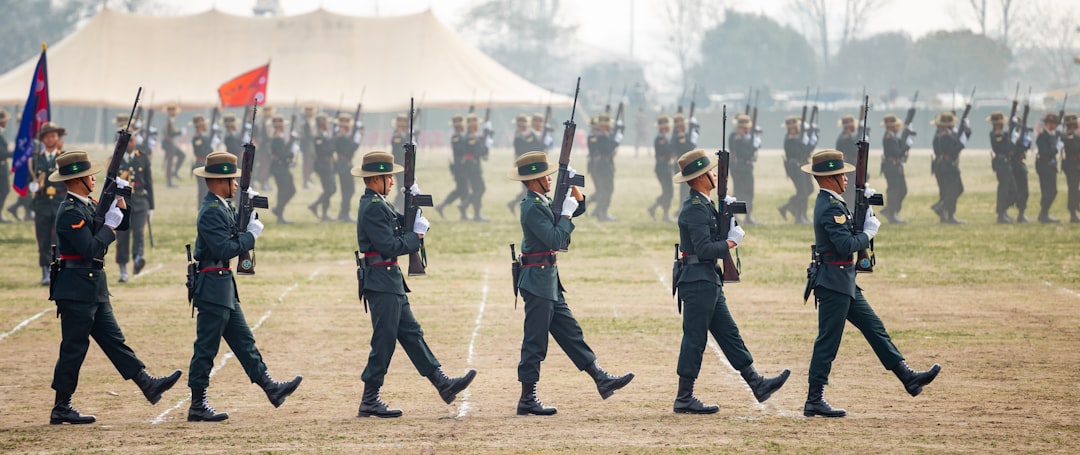
The U.S. Army has begun rapid deployment of Merops interceptor drones, a system initially battle-tested in Ukraine against Iranian-made Shahed drones, signaling a significant shift in air defense strategy. This move aims to fundamentally alter the economic calculus of combating cheap, disposable unmanned aerial vehicles, which have increasingly threatened conventional air defense systems. By adopting a streamlined acquisition process, the Army is quickly integrating these cost-effective solutions to counter massed drone attacks.
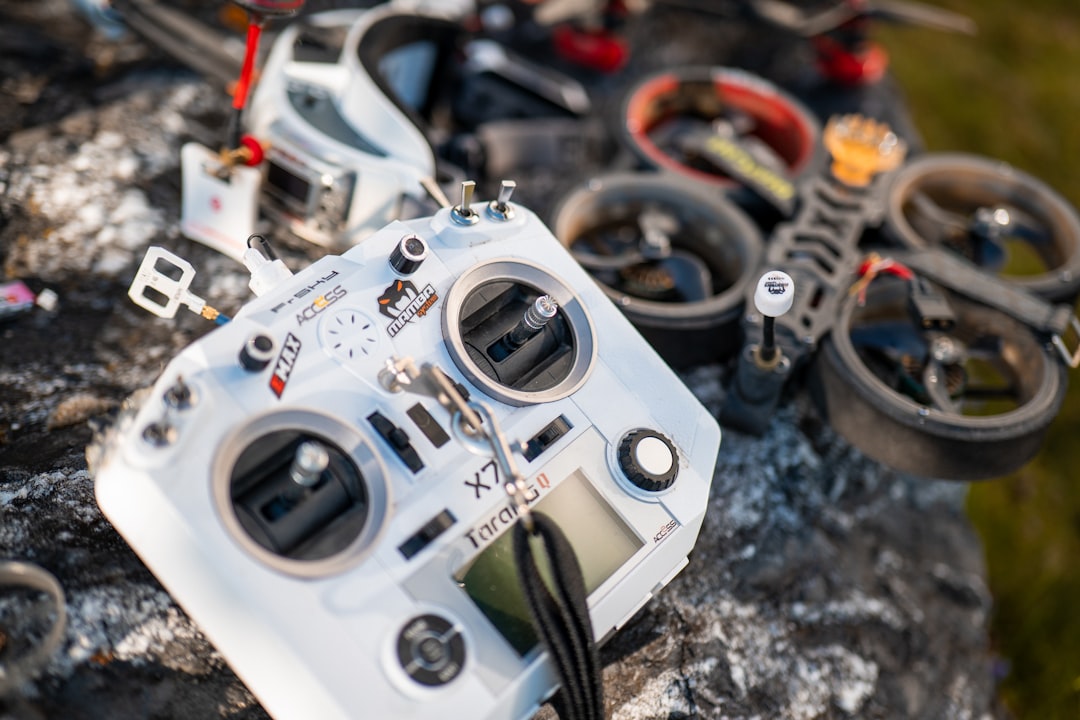
The U.S. Army's heavy-lift CH-47 Chinook helicopter has successfully completed an autonomous landing, guided by Boeing's Approach-to-X (A2X) software, marking a significant stride in the service's broader push for autonomous aerial operations. This pilotless touchdown demonstrates a critical advancement in reducing pilot workload and enhancing operational capabilities for one of the Army's most enduring and vital aircraft. The achievement comes as the Army continues to invest heavily in self-flying technologies across its fleet, complementing initiatives like the pilot-optional Black Hawk program.
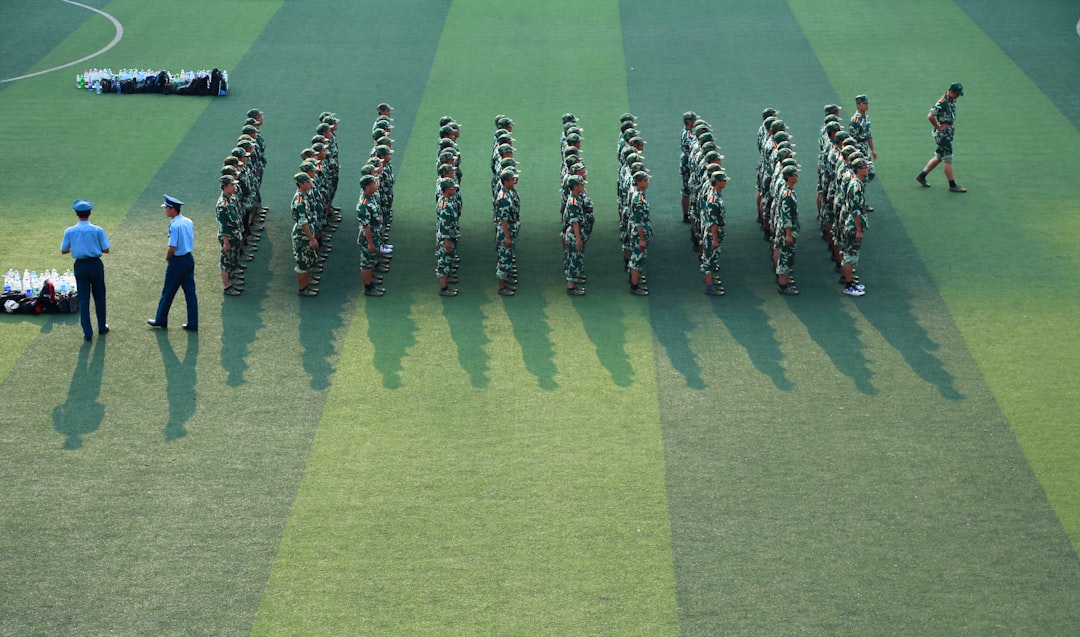
The Pentagon plans to deploy artificial intelligence to screen military-funded academics for ties to adversary nations like China, following a federal watchdog's discovery that severe understaffing led to 27,000 research awards going unvetted. This significant shift in national security protocol comes as the Department of Defense seeks to close critical gaps in protecting technological advantages and intellectual property from foreign influence. The move aims to mitigate risks associated with unvetted research while addressing the systemic challenges of human resource limitations in critical oversight roles.