The facility has already produced its first THeMIS vehicle for the Dutch government, part of a run of more than 100 such robots pledged by the Netherlands.
Drones & Autonomous
Original Briefing
Dutch Combat Robot Plant Boosts Ukraine's Frontline Tech
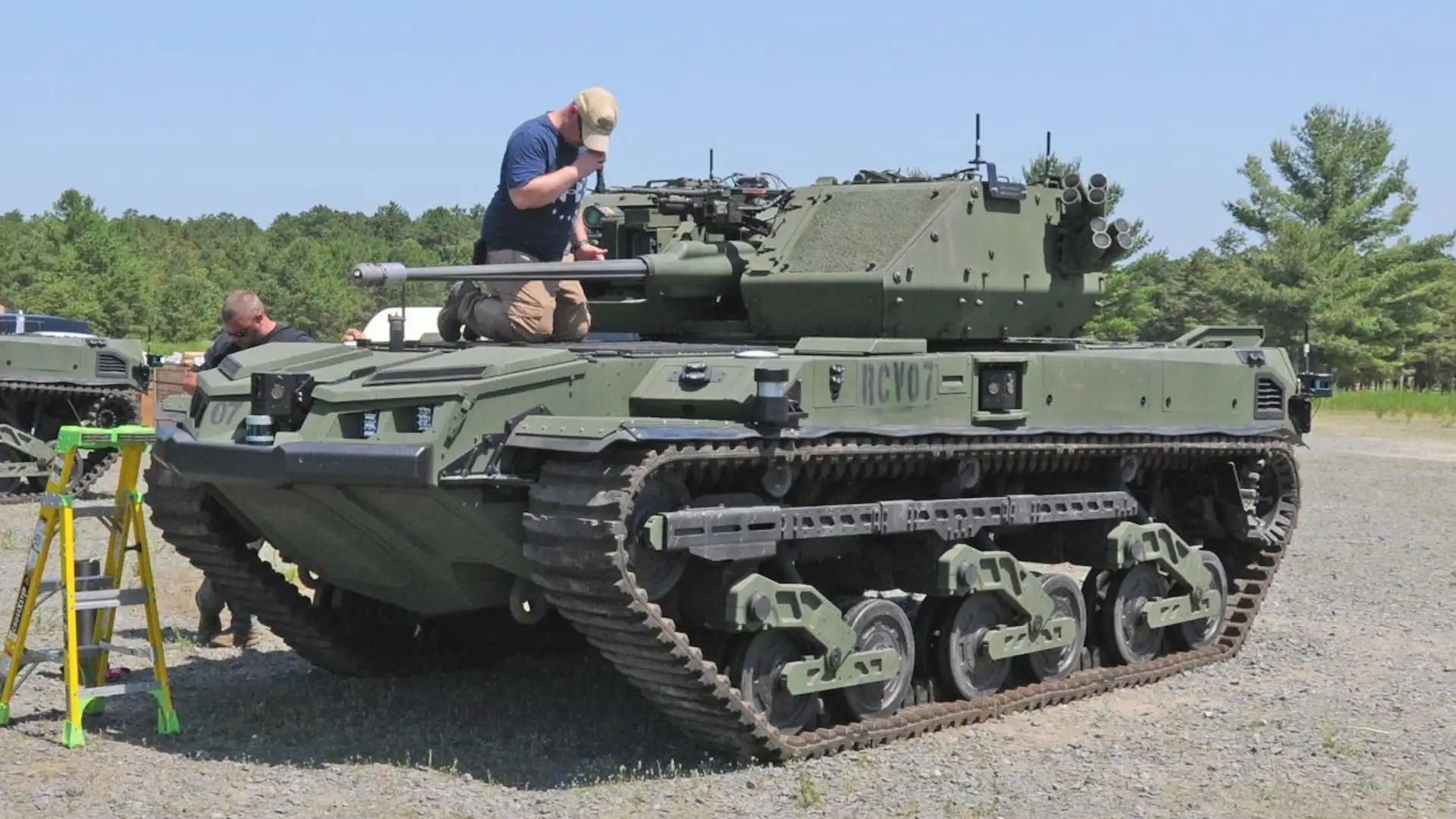
A newly operational production facility in the Netherlands for combat-zone robots is set to significantly enhance the supply pipeline of critical unmanned ground vehicles (UGVs) to Ukraine. This development signals a strategic pivot by European allies towards bolstering their defense industrial base, directly addressing Ukraine's urgent battlefield requirements. The plant's initial output includes THeMIS vehicles, with the first unit already delivered to the Dutch government as part of a substantial national commitment.
This initiative underscores the escalating integration of autonomous systems into contemporary conflict zones and the imperative for Western nations to develop resilient, localized manufacturing capabilities. The move also reflects a broader geopolitical trend where European industrial capacity is being mobilized to sustain long-term support for Ukraine's defense and reinforce regional security.
Key Intelligence Points
- A new production plant for combat-zone robots has commenced operations in the Netherlands, directly supporting European defense efforts.
- The facility specializes in manufacturing THeMIS unmanned ground vehicles, a critical asset for various combat scenarios.
- This new industrial capacity is designed to establish a fresh and reliable supply stream of advanced robotic systems for Ukraine.
- The initial production includes over one hundred robots pledged by the Netherlands, with the first unit already delivered to the Dutch military.
- The initiative reflects Europe's concerted effort to expand its defense industrial base and support key allies with advanced technology.
Advertisement
Intelligence Briefing
Why this matters: This new manufacturing capability represents a critical step in diversifying and de-risking the supply chain for advanced combat robotics, directly benefiting Ukraine's operational resilience. For defense policymakers, it highlights the strategic necessity of robust, regional industrial capacity to sustain modern warfare's technological demands. This facility improves battlefield capabilities by providing a consistent flow of force-multiplying UGVs, while also signaling a long-term commitment to technological support.
Editorial Analysis
The strategic significance of a dedicated Dutch production facility for combat robots cannot be overstated, particularly as the conflict in Ukraine highlights the critical role of unmanned systems. This facility addresses the high attrition rates seen in modern combat by providing a steady stream of THeMIS UGVs, which can execute dangerous missions such as reconnaissance, logistics, and explosive ordnance disposal without risking human lives. The capability fundamentally alters the current landscape by enabling more persistent, remotely operated presence in high-threat environments, thereby enhancing force protection and operational tempo for Ukrainian defenders. It also shifts procurement from intermittent purchases to a sustained production model, crucial for prolonged conflict.
This development aligns with a broader trend toward the pervasive integration of uncrewed systems across all domains of modern warfare, demanding robust and agile industrial backing. Historically, periods of prolonged conflict have always spurred rapid advancements in military industrial complexes, and this plant is a contemporary example of that phenomenon. Expert perspectives emphasize that such distributed, specialized defense manufacturing capabilities are imperative for NATO and its allies to maintain a technological edge and effectively counter peer adversaries in a rapidly evolving security environment. It sets a precedent for future European defense industrial strategies.
📰