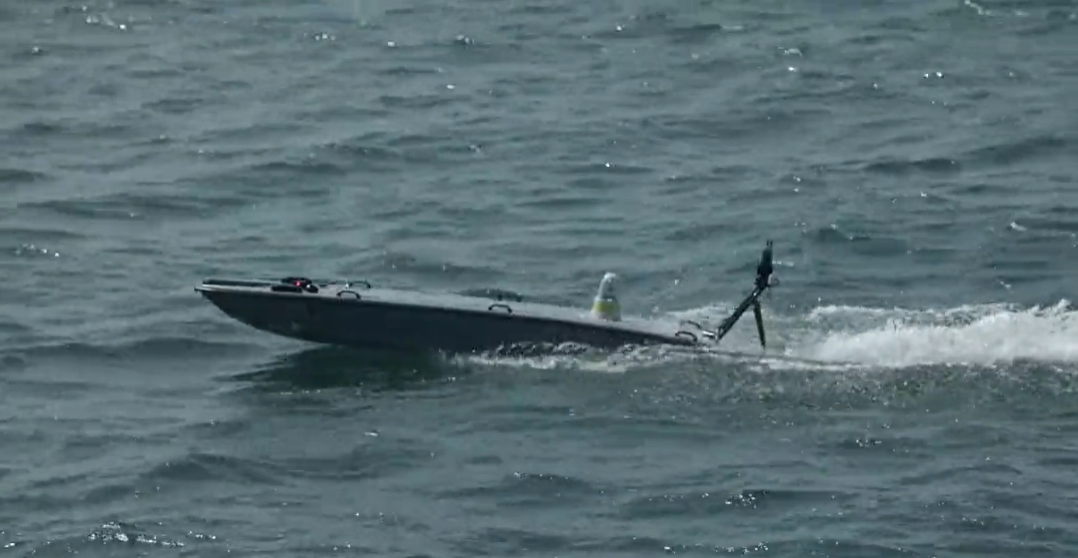
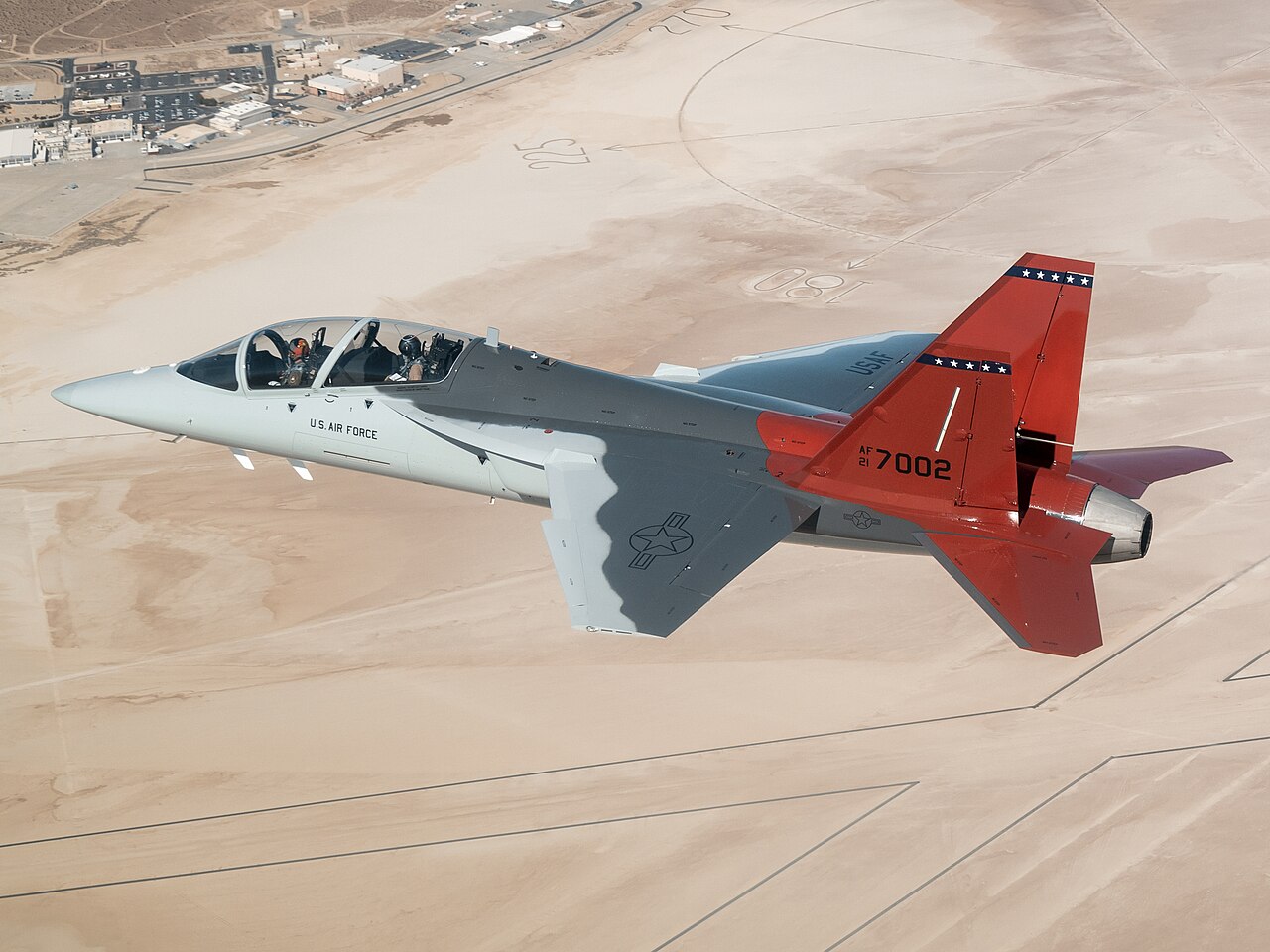
The ambitious vision of seamlessly integrating autonomous drone wingmen into frontline combat operations faces formidable industry and training challenges that demand immediate strategic attention. Realizing this capability is critical for enhancing future multi-domain effectiveness, as defense firms and military trainers worldwide navigate a complex evolution in their operational paradigms. Experts highlight the necessity for a complete overhaul of current methods to enable close human-drone partnerships in dynamic combat environments.
This pivotal shift reflects a global strategic imperative to leverage advanced autonomous systems, driven by intensifying geopolitical competition and the urgent need for enhanced operational effectiveness, reduced human risk, and increased adaptability in contested battlespaces.
In this final edition of our series looking at the past, present and future of manned-unmanned teaming, we review how American defense firms and military trainers are evolving their methods and procedures to accommodate a world where drones are increasingly incorporated into multi-domain operations.
Caitlin Lee of the RAND Corporation and JJ Gertler of the Teal Group join Breaking Defense Editor-in-Chief Aaron Mehta and Air Warfare Reporter Michael Marrow for a roundtable discussion on the recent history and possible future of closely partnering with drones in combat.
Editorial Analysis
The strategic significance of effectively integrating autonomous "wingmen" directly impacts the future balance of air superiority and the multiplicative effects on existing forces. Military planners, defense acquisition specialists, and frontline operators are all profoundly affected, as these drones are intended to vastly extend sensor ranges, carry additional munitions, serve as effective decoys, or provide critical reconnaissance. This capability significantly enhances the survivability and lethality of manned aircraft, fundamentally altering traditional combat dynamics. The paradigm shift moves beyond mere support roles, demanding seamless human-machine collaboration, resilient communication architectures, and sophisticated AI to manage complex, dynamic combat environments, thus changing pilot-aircraft relationships and foundational operational doctrine.
This pronounced shift towards manned-unmanned teaming (MUM-T) represents a natural and necessary evolution from past unmanned intelligence, surveillance, and reconnaissance (ISR) roles, now requiring far closer combat integration. While the concept of combat formations has a long historical precedent, the introduction of AI-driven autonomous components necessitates a new understanding of trust, control, and decision-making authority. Analysts underscore that overcoming these pervasive systemic hurdles is not merely a technical exercise but a cultural and doctrinal transformation, absolutely essential for future warfighting effectiveness. The speed and success of this transformation will dictate a nation's strategic advantage in an increasingly automated and complex battlespace.