Army Unveils Cheyenne II: First Tiltrotor, Black Hawk Successor
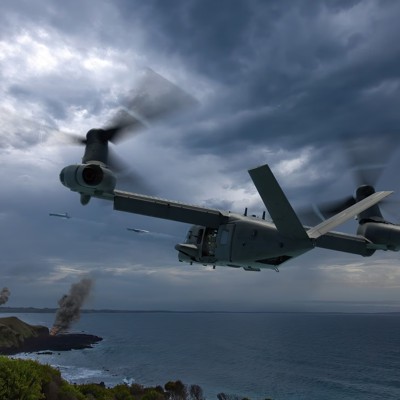
The U.S. Army has officially unveiled the MV-75, christening its first tiltrotor aircraft the Cheyenne II, a name that not only continues a storied tradition of honoring Indigenous tribes but also harks back to an ambitious Vietnam War-era attack helicopter program. This new platform, a key component of the Future Vertical Lift initiative, is poised to redefine Army aviation, aiming to serve as a long-range assault aircraft and ultimately replace the venerable UH-60 Black Hawk. Incorporating critical lessons from the V-22 Osprey, the Cheyenne II boasts fixed engines designed to enhance maintainability and reliability, addressing a major operational challenge of previous tiltrotor designs.
- The MV-75, Army's first tiltrotor aircraft, is officially named Cheyenne II, continuing the tradition of honoring Indigenous tribes.
- Part of the Future Vertical Lift program, the Cheyenne II is envisioned as a long-range assault aircraft and eventual UH-60 Black Hawk replacement.
- The new design incorporates V-22 Osprey lessons, notably featuring fixed engines for improved maintenance and reliability.
- The II moniker is a nod to a Vietnam War-era attack helicopter program, the original Cheyenne, canceled in 1972.
Why this matters: This new tiltrotor signifies a major modernization of Army aviation, promising enhanced operational reach and agility, and influencing future defense capabilities and technological integration across services.
For defense professionals, the Cheyenne II represents a critical step in the Army's modernization efforts, demonstrating a clear commitment to next-generation vertical lift capabilities that prioritize speed, range, and operational flexibility in contested environments. Its design, specifically the fixed engines, indicates a maturation in tiltrotor technology, suggesting a more sustainable and deployable asset compared to earlier iterations, which will significantly impact logistics and readiness planning. Furthermore, its role as a Black Hawk successor underscores a profound shift in battlefield mobility doctrine, demanding new considerations for air assault tactics, resupply chains, and joint force integration in future conflicts.