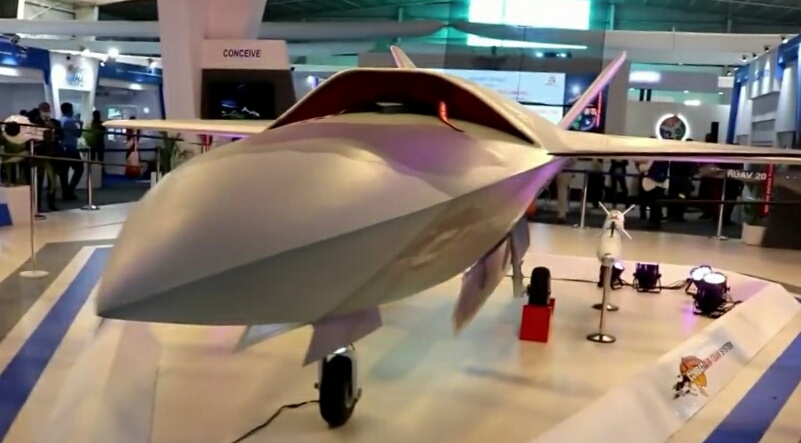
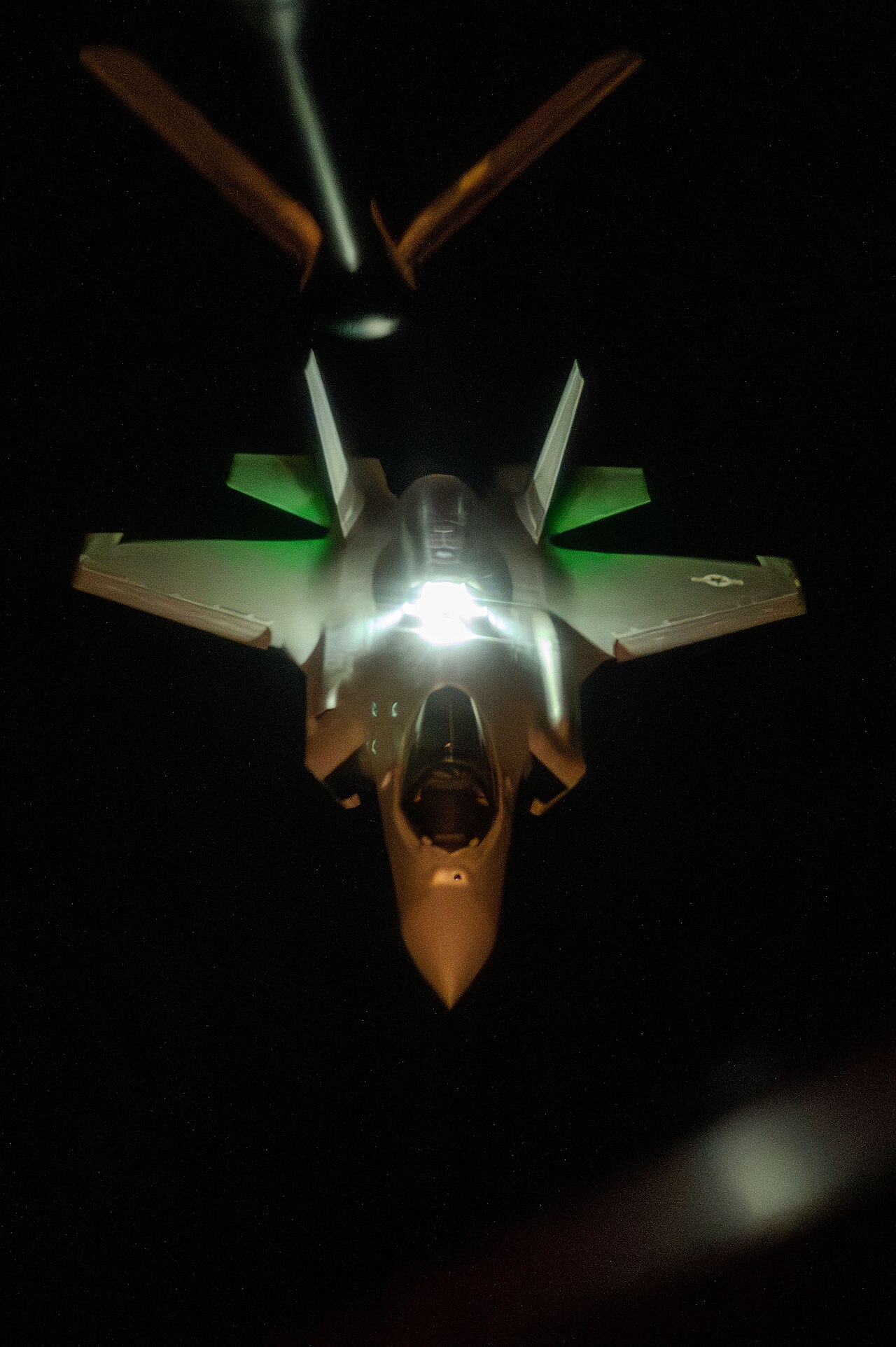
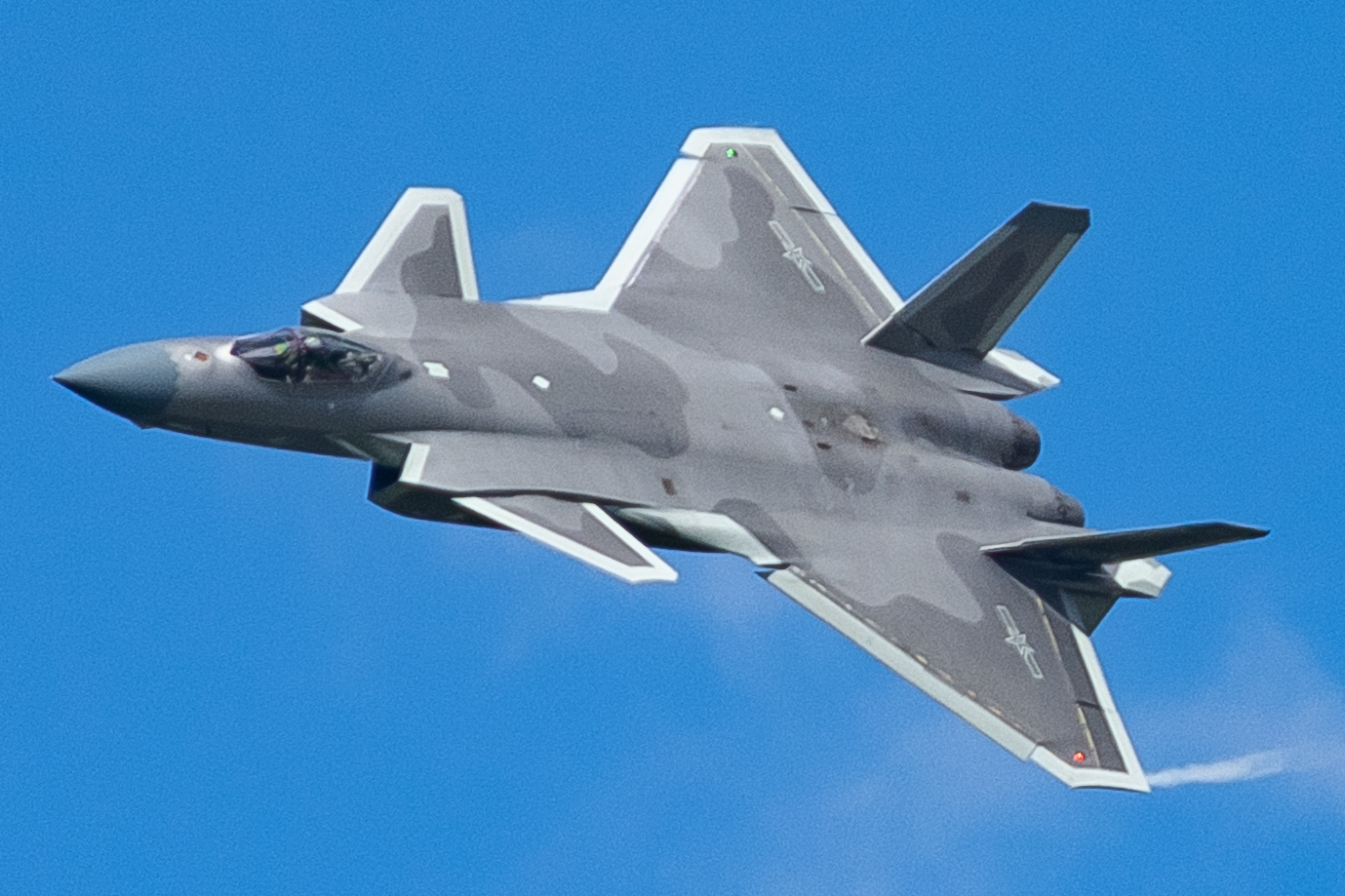
The Berlin Air Show recently served as a critical nexus for Germany's evolving defense strategy, prominently showcasing its accelerated pursuit of Collaborative Combat Aircraft (CCA) solutions. This intense focus signals a decisive shift towards integrating advanced drone wingmen into its future air force, a cornerstone of an ambitious national military modernization agenda. Several leading aerospace firms presented their next-generation offerings, vying for a pivotal role in this significant procurement.
This strategic reorientation occurs amidst a broader European landscape grappling with complex multinational defense initiatives and the urgent demand for agile, technologically superior capabilities. The pivot reflects both the lessons learned from contemporary conflicts and a pragmatic re-evaluation of long-term strategic investments in air superiority.
CCA showdown and FCAS fallout, as Berlin Air Show gets underway
Catch what's new on the first day of the sprawling defense expo outside the German capital.
BERLIN — Which drone wingman will the German military choose as it pursues an aggressive buildup? On the first day of the Berlin Air Show, several companies spotlighted their offerings, while senior German officials spoke, a little, about the recent death of the Future Air Combat System fighter jet.
Check out the first of Breaking Defense’s daily wrap-up videos and be sure to follow Breaking Defense’s coverage on the ground throughout the week.
PHOTOS: ILA Berlin 2026
PHOTOS: ILA Berlin 2026
1.
2.
3.
4.
5.
6.
7.
8.
9.
Topics:
Editorial Analysis
The German military's emphatic lean into Collaborative Combat Aircraft (CCA) at the Berlin Air Show represents a strategic recalibration in air warfare. This move underscores a growing recognition that future aerial combat advantage will stem from interconnected, autonomous assets augmenting human pilots, rather than solely from more advanced manned platforms. It has significant implications for defense industrial base strategies across Europe, potentially catalyzing new technological partnerships and accelerating the deployment of AI-driven aviation capabilities, thus redefining the threat landscape for adversaries.
This strategic pivot aligns with a broader global trend advocating for distributed, resilient air power architectures, moving beyond the traditional reliance on expensive, generational manned fighter programs. The subtle confirmation regarding the FCAS fighter jet component's cessation highlights the inherent challenges and diverging national priorities within complex multinational defense projects. Consequently, nations may increasingly favor more agile, potentially less integrated but faster-to-market solutions, impacting NATO's long-term interoperability and collective defense planning.