The Berlin Air Show 2026 has commenced, drawing global defense manufacturers eager to showcase their latest aerospace and security technologies. This international gathering underscores Germany’s renewed commitment to defense modernization, fueled by a significant uplift in national military expenditure. The event provides a crucial platform for assessing the trajectory of European defense capabilities and the evolving demands for advanced systems.
This strategic convergence highlights the broader geopolitical shift underway in Europe, where nations are re-evaluating their security postures and investing in robust defense infrastructure. The demand for cutting-edge military hardware reflects a heightened awareness of regional threats and the imperative for integrated, high-readiness forces.
Intelligence Briefing
Why this matters: Germany’s strengthened defense posture, amplified by the technologies on display, signifies a pivotal shift in European security strategy. This translates into accelerated modernization efforts across NATO, driving innovation in domains like advanced air defense and precision strike capabilities. For cybersecurity professionals, integrating these sophisticated, interconnected systems necessitates robust, embedded protective measures from the earliest stages of development and deployment.
The Berlin Air Show has officially kicked off, with plenty to see.
BERLIN — This year’s edition of the Berlin Air Show has kicked off at an airfield just outside the German capital.
Defense firms from around the world have gathered to display their wares, hoping to earn a piece of a dramatic rise in German defense funding, as attendees swarm to check out the latest military tech.
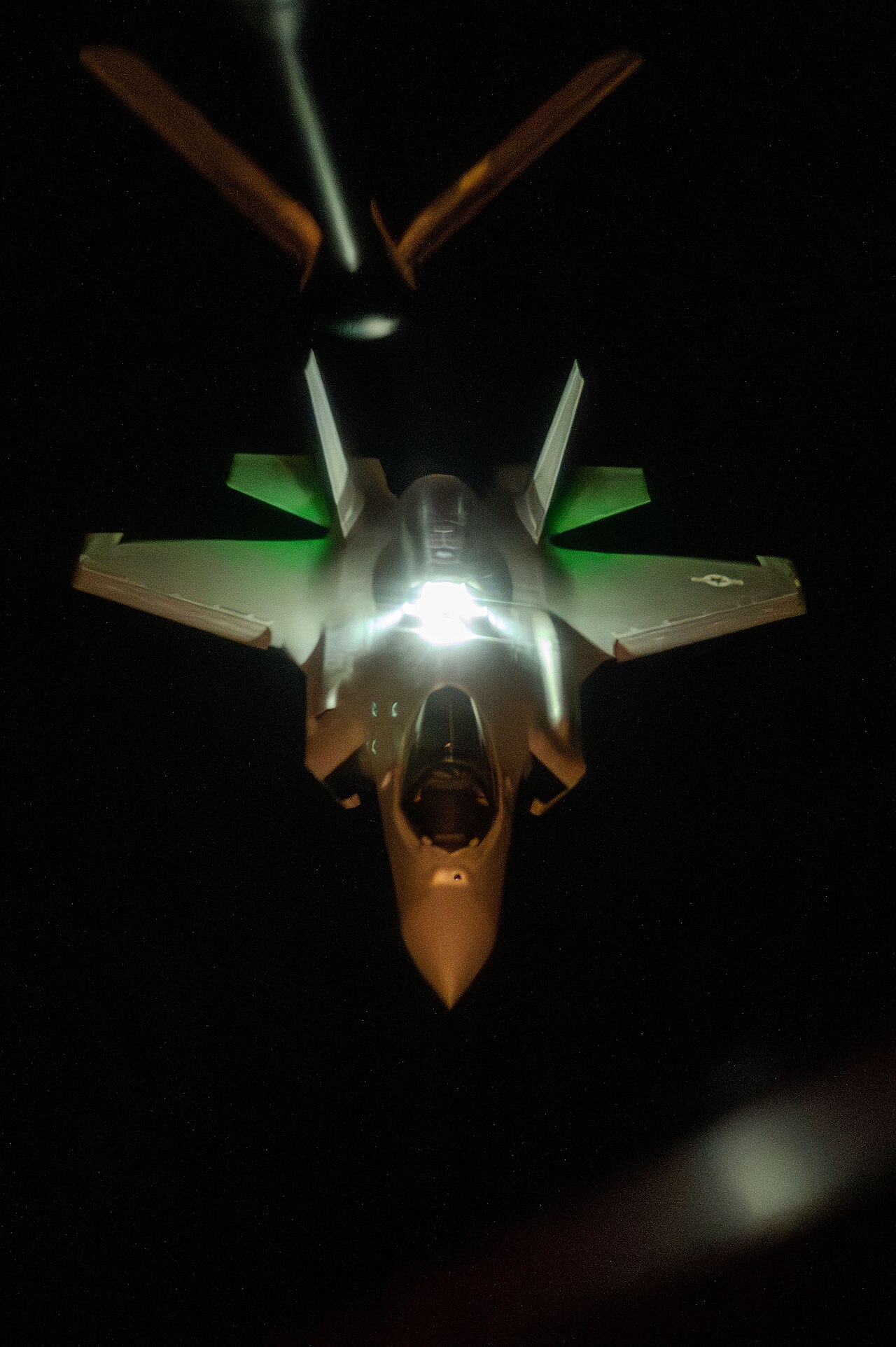
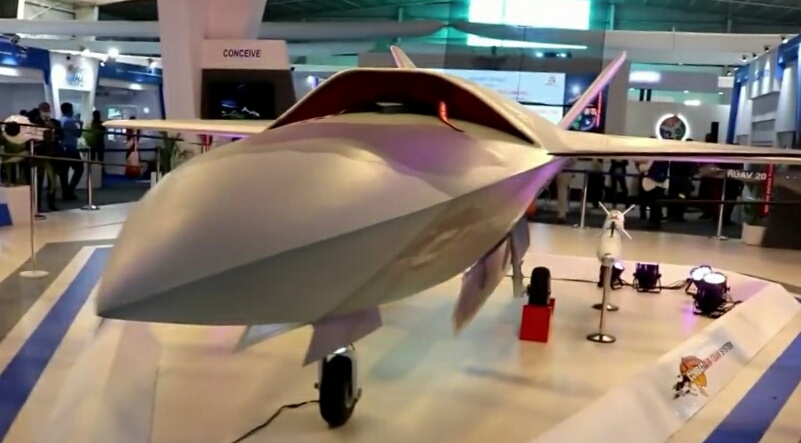
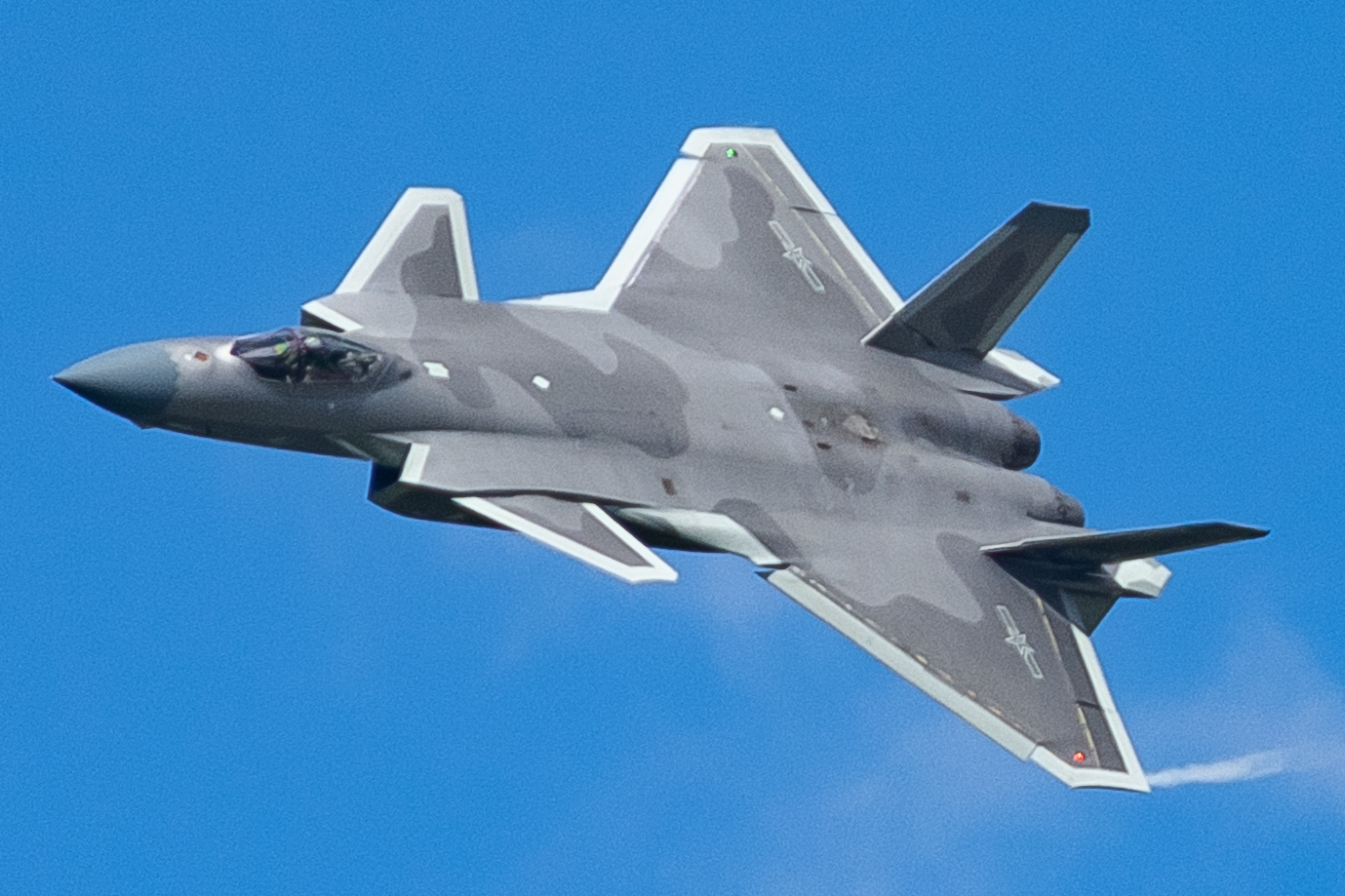
As the Breaking Defense team roams the show floor to catch the latest news, here are some sights from Day 1:
PHOTOS: ILA Berlin 2026
PHOTOS: ILA Berlin 2026
1.
2.
3.
4.
5.
6.
7.
8.
9.
Topics:
Editorial Analysis
The Berlin Air Show's focus on advanced military technology amidst surging German defense investment holds profound strategic and technical significance for the security community. This shift is not merely about procurement but represents a fundamental re-evaluation of national and collective defense capabilities across Europe. The influx of new funding directly impacts global defense suppliers, incentivizing rapid development in areas like autonomous systems, secure communications, and multi-domain integration, which directly affects the operational landscape for military analysts and IT security professionals safeguarding these complex networks.
Historically, Germany’s defense spending has often been a point of contention within NATO; this current rearmament drive reverses decades of decline, positioning the nation as a more significant contributor to European security. This trend underscores a broader response to emergent geopolitical realities, emphasizing the need for robust, interoperable forces. The longer-term implications involve potential shifts in industrial partnerships, accelerated research and development for dual-use technologies, and an increased premium on resilient cyber defenses to protect these modern, digitally-driven military assets.