Following the formal termination of the Future Combat Air System (FCAS) fighter development, Germany is actively assessing at least three distinct pathways for its future air combat capabilities, as recently disclosed by Defense Minister Boris Pistorius. This pivotal decision profoundly impacts Berlin's defense procurement strategy and casts a long shadow over the future of European aerospace collaboration. The sudden shift necessitates a rapid re-evaluation of Germany's industrial base and strategic partnerships.
This development underscores the escalating challenges and financial burden associated with developing advanced military aviation systems, pushing nations towards difficult choices between indigenous development, multinational programs, and reliance on proven foreign platforms. It highlights a recurring theme of ambitious European defense projects struggling with national industrial interests.
BERLIN — Germany is exploring at least three different strategies to replace the failed Future Combat Air System (FCAS) fighter project, Defense Minister Boris Pistorius revealed Tuesday, as another senior official suggested a sixth-gen effort is a must.
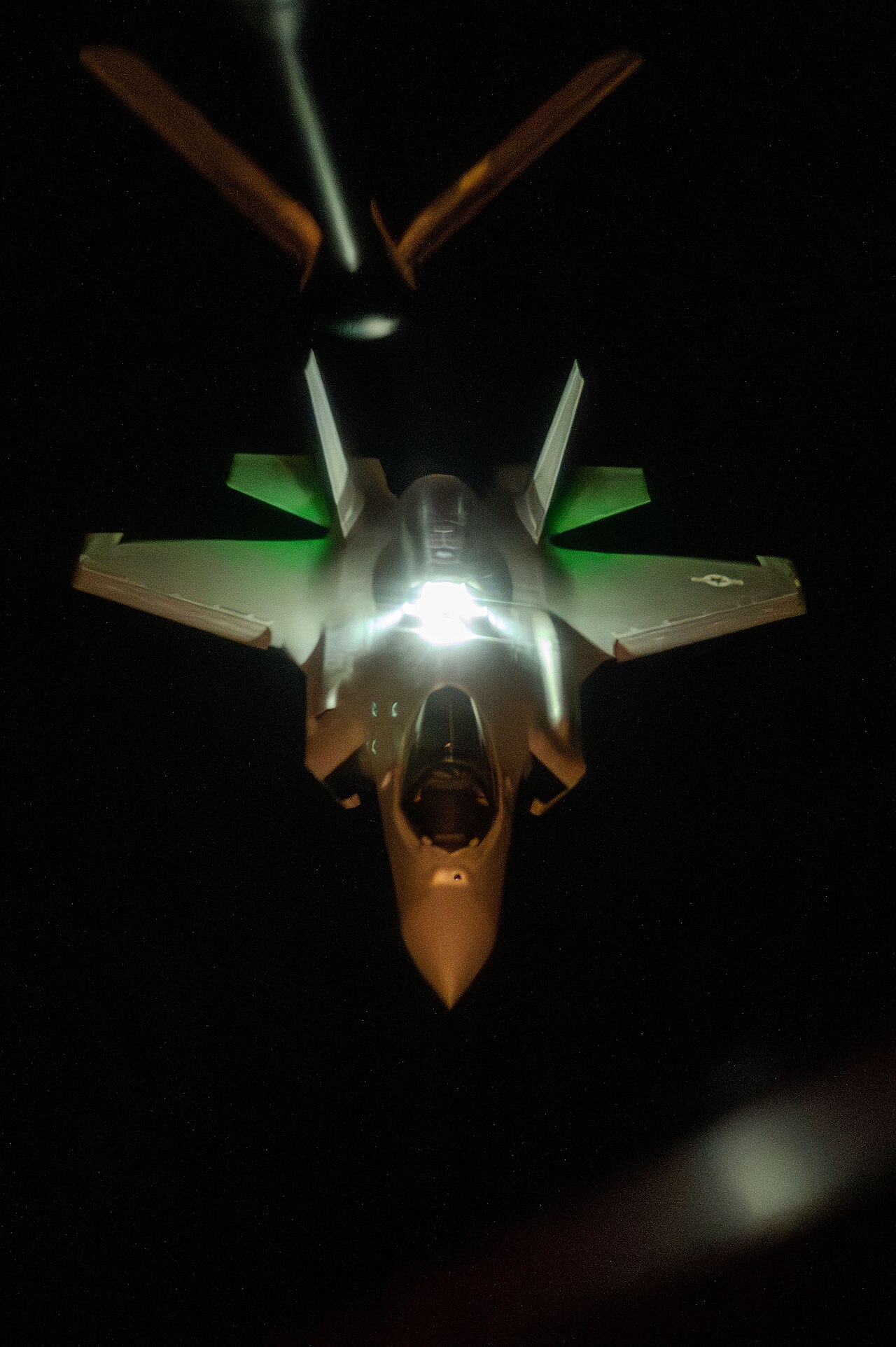
Speaking to German outlet DW, Pistorius said Berlin is weighing whether to acquire additional American-made F-35 fifth-generation combat aircraft as a sort of “bridge” option, join an existing international sixth-generation program or develop a nationally led effort headed by Airbus.
“A fourth option may emerge but I don’t want to talk about it,” Pistorius added. “But nothing is ready for a decision yet.”
Another senior German defense official, Air Force Chief Lt. Gen. Holger Neumann, told reporters at the Berlin Air Show today that whatever the new option is, the air force remains focused on a crewed platform that can connect with a combat cloud, “pretty much the same idea in the US, UK, and GCAP [Global Combat Air Programme].”
GCAP, a team-up between the UK, Italy and Japan, is the lone surviving European sixth-gen fighter project, though industry officials have ly suggested it would be difficult to change the “core team.”
Neumann declined to comment on the collapse of FCAS, but said he has requested the German Ministry of Defense procure “fifth-gen-plus platforms beyond 2035.” He added, “I’m not saying the new system has to be ready [in 2035], but we have to pick up there.”
Berlin decided to formally bring the curtain down on the New Generation Fighter (NGF), the center piece of FCAS, on Monday, following a long-running dispute over leadership and workshare between Airbus and French partner Dassault.
Prior to the collapse of NGF and perhaps in a preview of the options Pistorius floated, Airbus had opted for a two-aircraft approach where it would pursue development of a sixth-generation fighter with other willing industry partners, leaving France to develop a separate aircraft.
Editorial Analysis
The collapse of the FCAS New Generation Fighter represents a significant setback for European defense autonomy and underscores the persistent challenges in fostering integrated, continent-wide industrial programs. For Germany, the immediate effect is a scramble to identify a credible pathway for securing its aerial superiority, with options ranging from deepening its reliance on U.S.-made F-35s — thereby enhancing interoperability with key NATO allies — to potentially joining the UK-led GCAP, or even attempting a challenging national effort. The German Air Force's clear demand for "fifth-gen-plus" capabilities and combat cloud integration signals a forward-looking operational requirement, regardless of the platform choice, focusing on networked warfare.
This situation reflects a broader historical tension within European defense procurement: the desire for strategic independence and maintenance of a robust domestic industrial base often clashes with the economic realities and technical complexities of modern weapon systems. The fragmentation witnessed with FCAS and the pre-existing GCAP illustrates how national industrial priorities and workshare disputes can derail ambitious projects designed to provide strategic depth. Germany's ultimate decision will not only shape its own defense posture but also send a powerful signal about the future direction of European defense cooperation, either toward greater integration or a more diversified, competitive landscape of national and limited multinational initiatives.