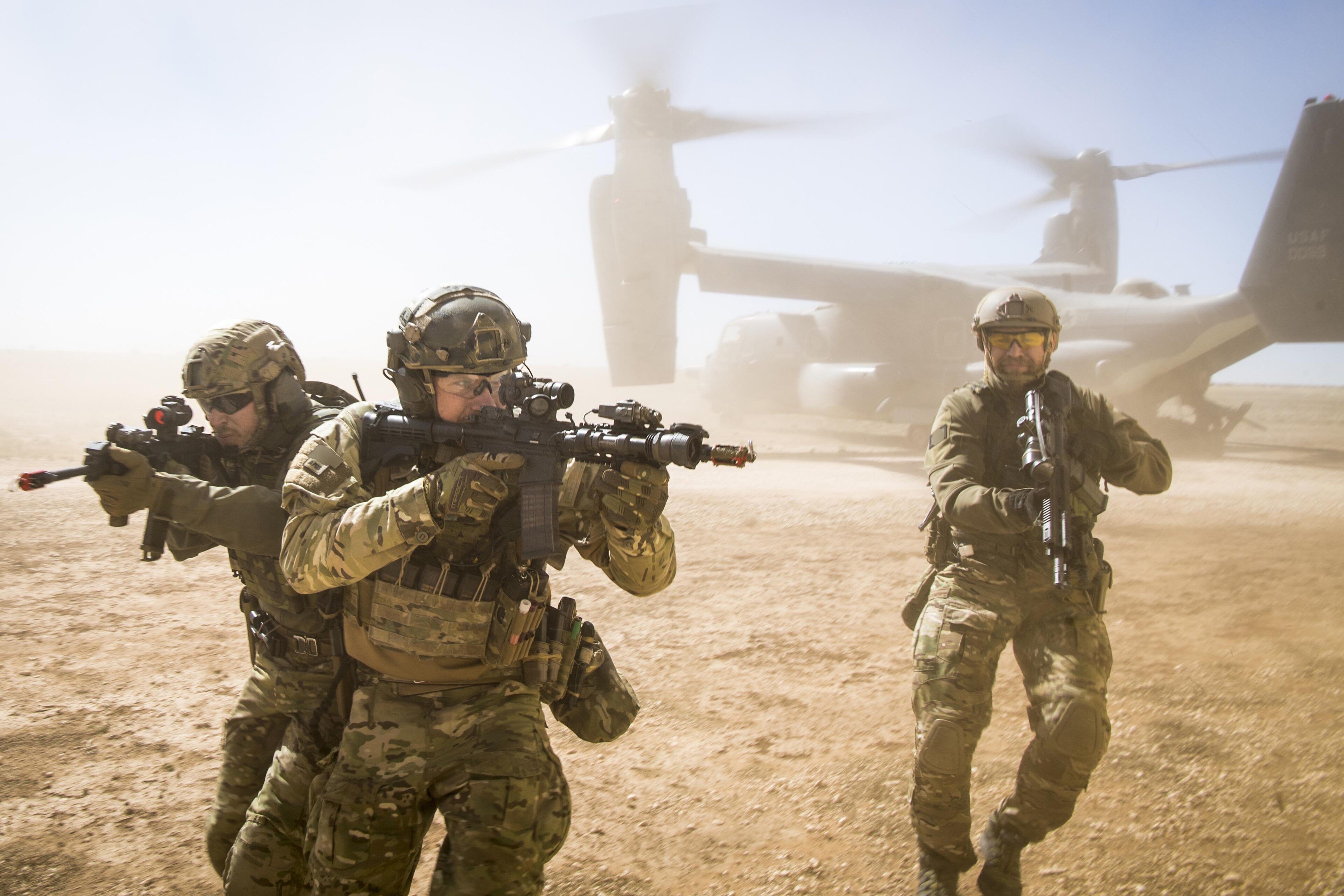
Western SF Exploit Italy's Resilient Underground for Training
- The cisterns' exceptional resilience, having withstood 150 Allied bombing runs during WWII, offers unparalleled realism for subterranean training.
- Their original design for holding aviation fuel suggests a vast, intricate internal layout, posing complex navigation and operational challenges.
- Continued post-WWII use by the Italian Air Force highlights the structures' enduring integrity and strategic utility over decades.

A Defense News investigation reveals that a network of Russian military-affiliated cargo aircraft has conducted over 160 flights to Algeria in the past year, establishing the North African nation as a pivotal hub in Moscow's global freight operations. These "shadow airlines" are suspected of delivering advanced weaponry, including Su-57 and Su-35 fighter jets, significantly bolstering an increasingly important Russian ally. The flights also position Algeria as a strategic staging ground for Russia's power projection deeper into Africa, often employing tracking-evasion techniques.
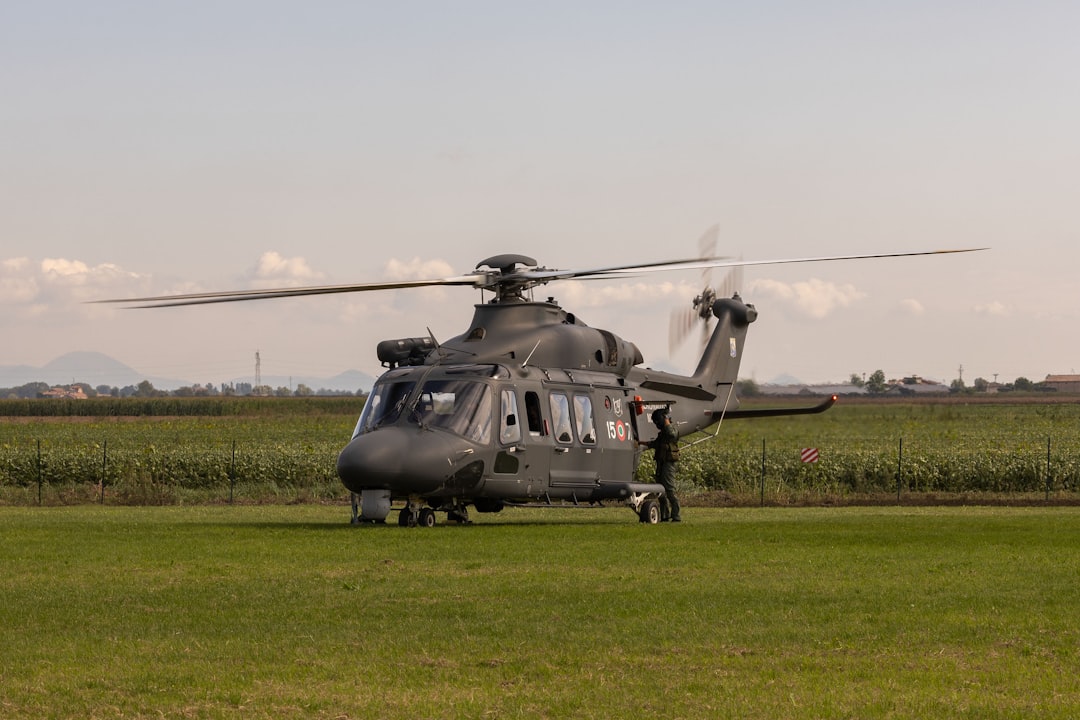
President Donald Trump indicated he would "probably" consider withdrawing U.S. troops from Italy and Spain, extending potential European military footprint reductions beyond Germany. This statement follows his harsh criticism of NATO allies for their perceived lack of support in the ongoing U.S.-Israeli air war against Iran, fueling broader concerns about alliance commitments.

Defense Secretary Pete Hegseth has ignited a fierce debate, controversially asserting that a fragile ceasefire with Iran effectively 'pauses' the 60-day War Powers clock, exempting President Trump from seeking immediate congressional consent for continued military operations. This interpretation directly challenges the statutory requirement for presidential action within 60 days of commencing hostilities, prompting strong opposition from key lawmakers like Sen. Tim Kaine. The 60-day threshold since the initial strikes on Iran has now passed, intensifying the constitutional standoff.
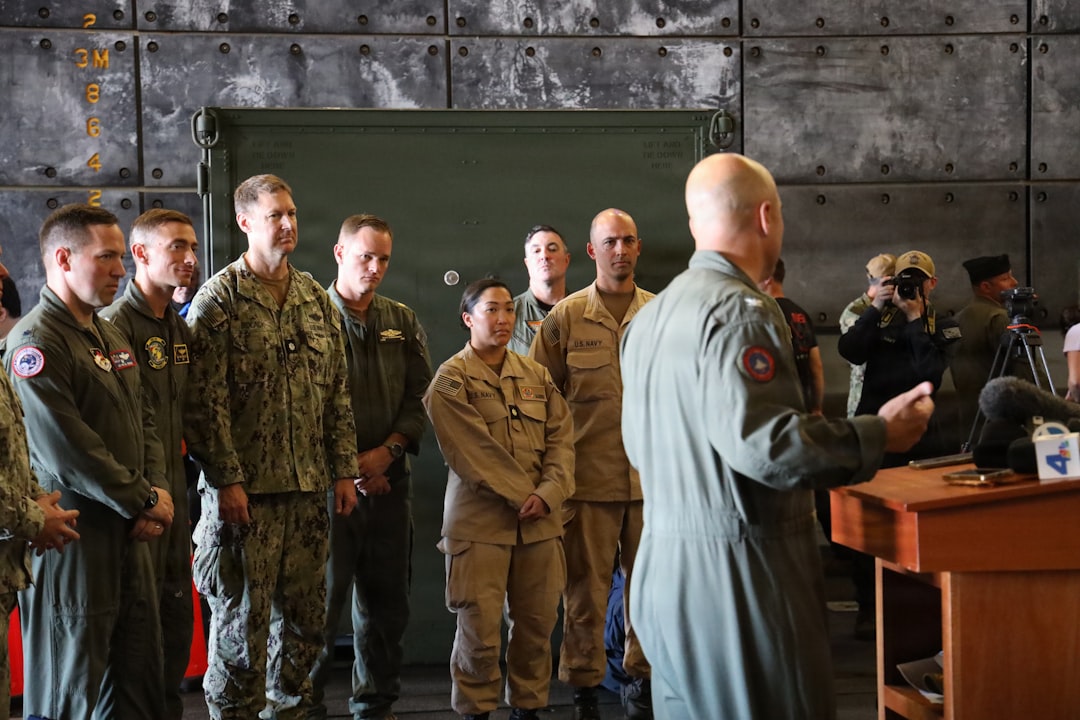
U.S. combatant commanders are demanding more than double the targeted number of Amphibious Ready Groups and Marine Expeditionary Units (ARG-MEUs), revealing a significant gap between operational needs and current naval capacity. Marine Corps Commandant Gen. Eric Smith confirmed this surging global requirement, citing ARG-MEUs as the Defense Department's most flexible tool for humanitarian, evacuation, and strike missions. This heightened demand underscores a critical readiness crisis within the U.S. Navy's aging amphibious fleet, impacting strategic flexibility worldwide.
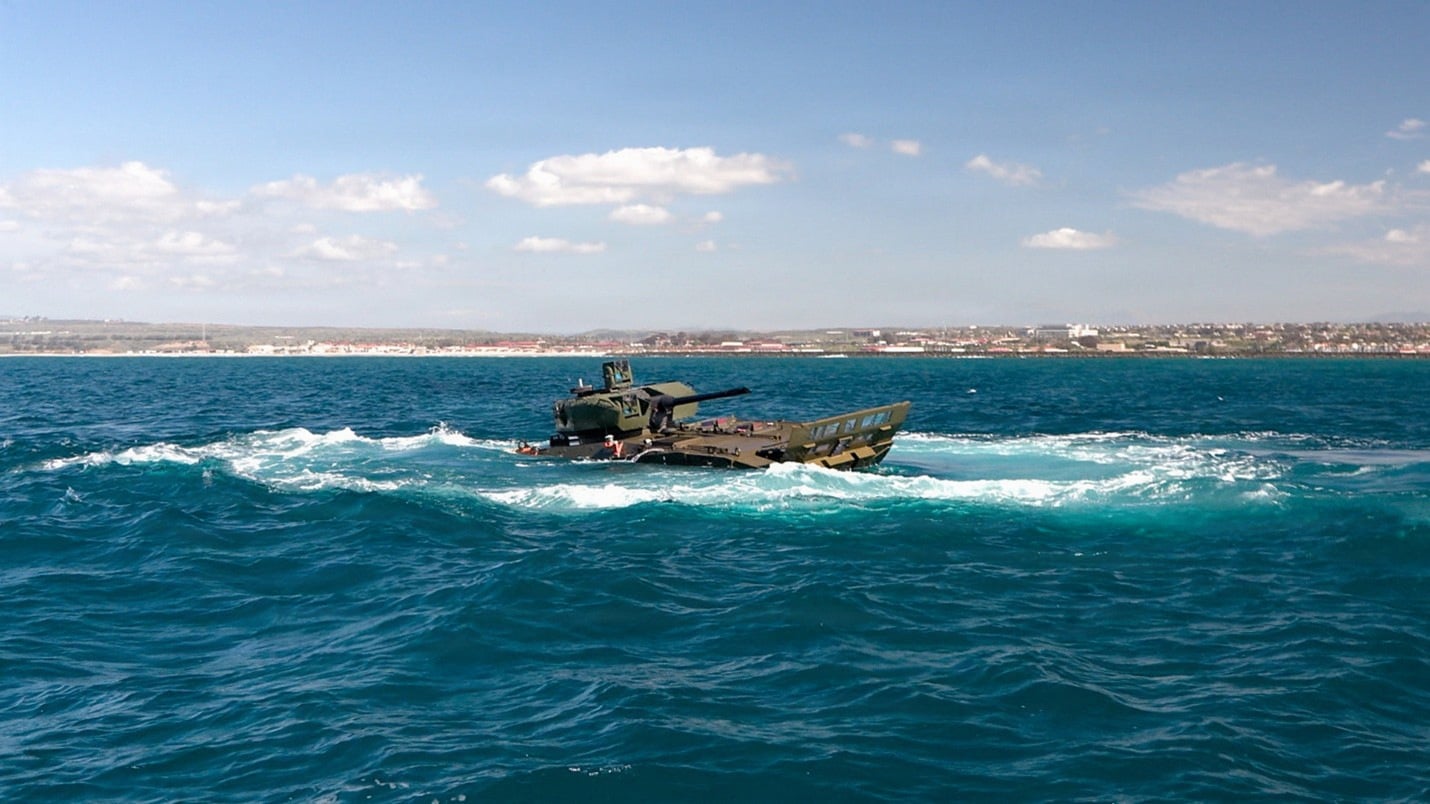
The U.S. Marine Corps will commence development for the second increment of its Advanced Reconnaissance Vehicle (ARV) program in 2029, revealing critical new details about its future capabilities. This next phase will introduce specialized variants designed to counter evolving threats and enhance battlefield support for Marine operations, running concurrently with Increment 1 production.
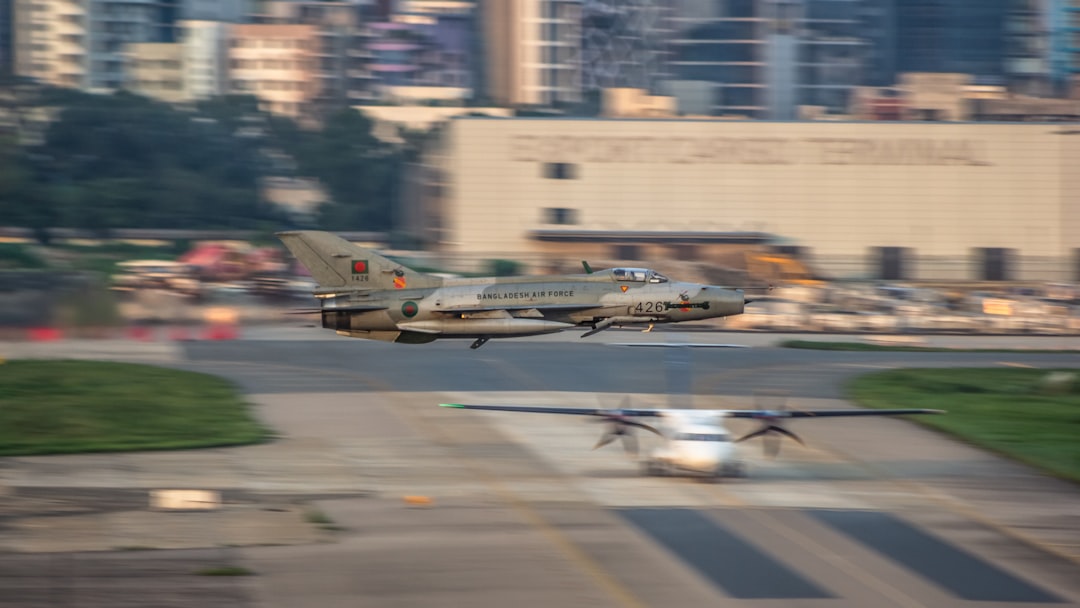
The U.S. Air Force's top general is demanding supplemental funding beyond the historic $1.5 trillion defense budget to replace dozens of aircraft lost or damaged in the ongoing Iran war. This urgent request highlights the significant financial strain of Operation Epic Fury, which commenced in late February, on existing military resources.

Ukraine's top general, Oleksandr Syrskyi, has mandated a two-month time limit for front-line troops in forward positions, addressing a critical challenge for Kyiv's military. This decree comes in the wake of a national outcry fueled by distressing images of emaciated soldiers and reports of prolonged combat deployments without adequate support. The move aims to mitigate severe logistical failures and bolster troop welfare on the 1,200-km front.
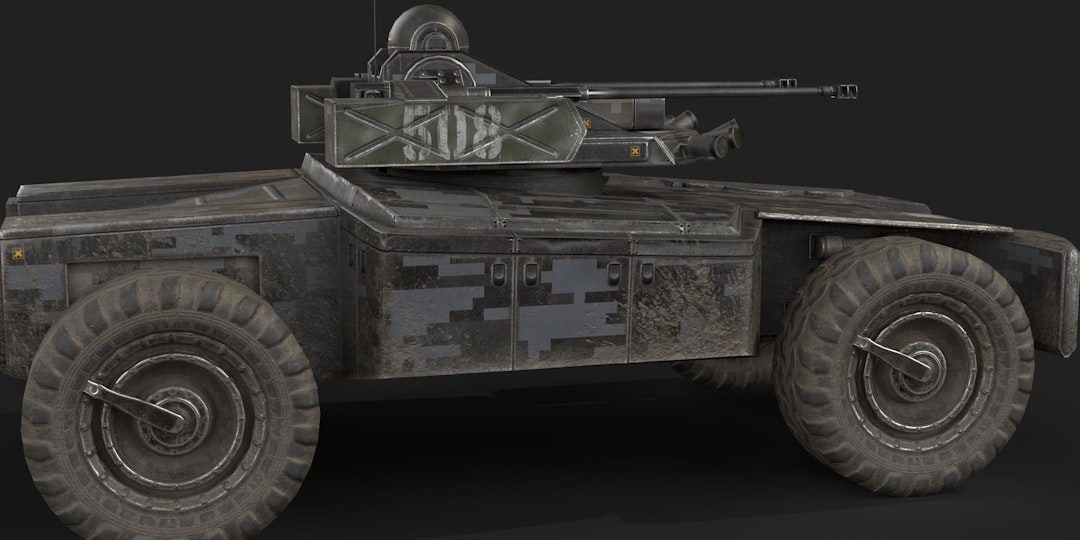
The U.S. Air Force has officially initiated the 'loyal wingman' era, requesting nearly $1 billion in its fiscal 2027 budget to begin production of Collaborative Combat Aircraft (CCA). This landmark funding request signals the program's critical transition from prototyping and testing into the operational fleet. These semi-autonomous drones are designed to exponentially increase combat mass and accept risks alongside manned fighters.
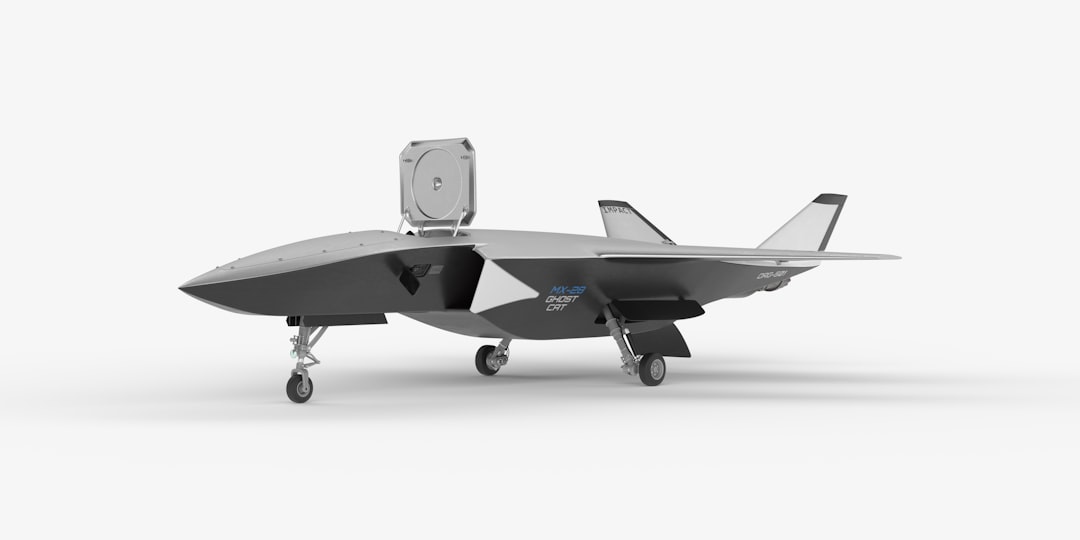
The U.S. Marine Corps is aggressively pursuing an operational demonstration in 2027 for its new Aerial Logistics Connector (ALC), a pilot-optional helicopter designed for autonomous supply missions. These critical prototypes will be deployed to a Marine Littoral Regiment in the Pacific, enabling rapid testing and refinement of requirements for distributed stand-in forces. The initiative underscores a strategic focus on agile acquisition and user-driven development within a contested operational environment.
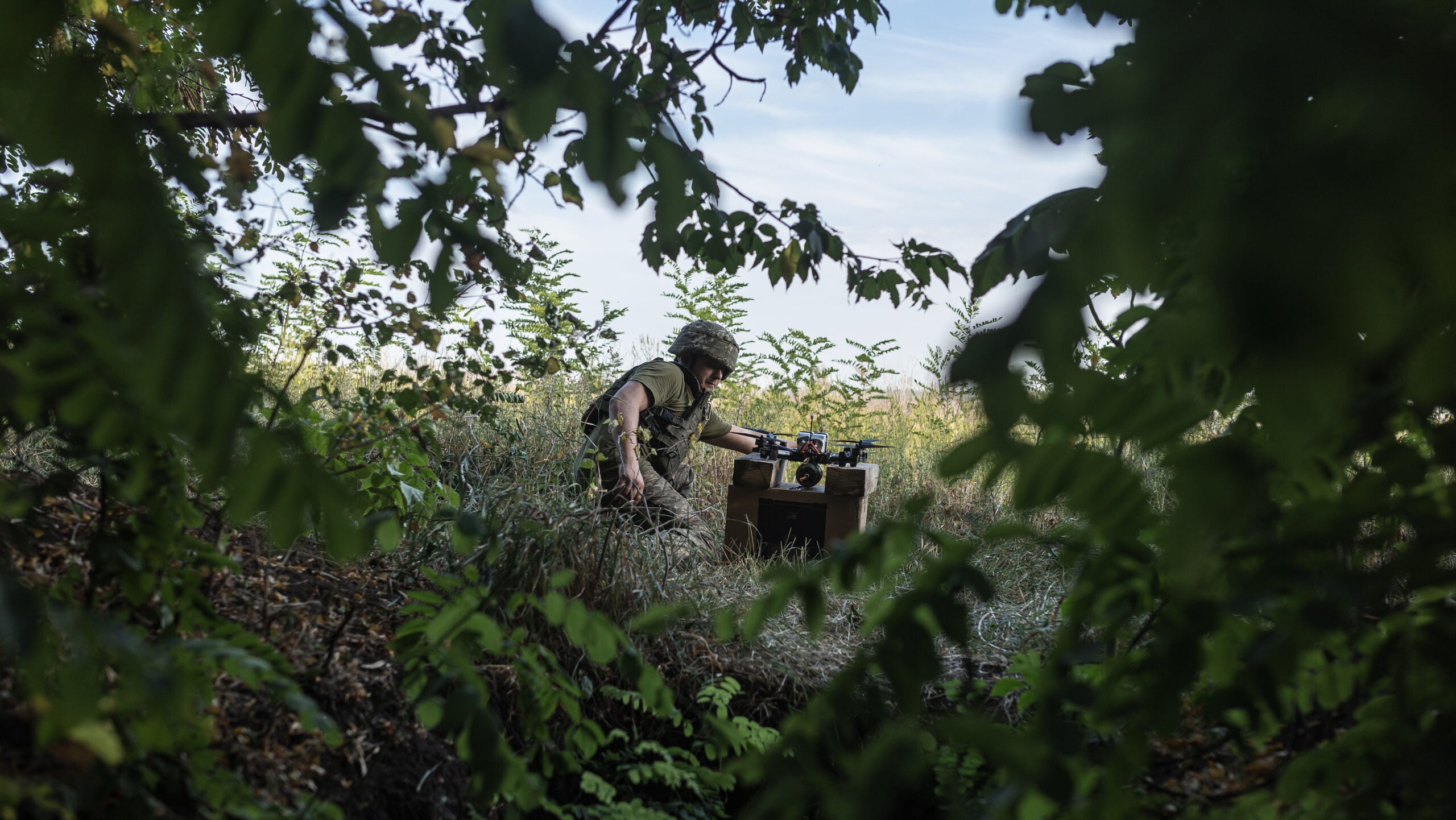
While Russia initially appeared to gain from the Iran conflict through lifted sanctions and energy price surges, its strategic benefits are proving temporary. Ukraine, however, is strategically leveraging the geopolitical upheaval, securing crucial long-term defense and energy partnerships across the Middle East. This pivot marks a significant shift in regional dynamics and international support.
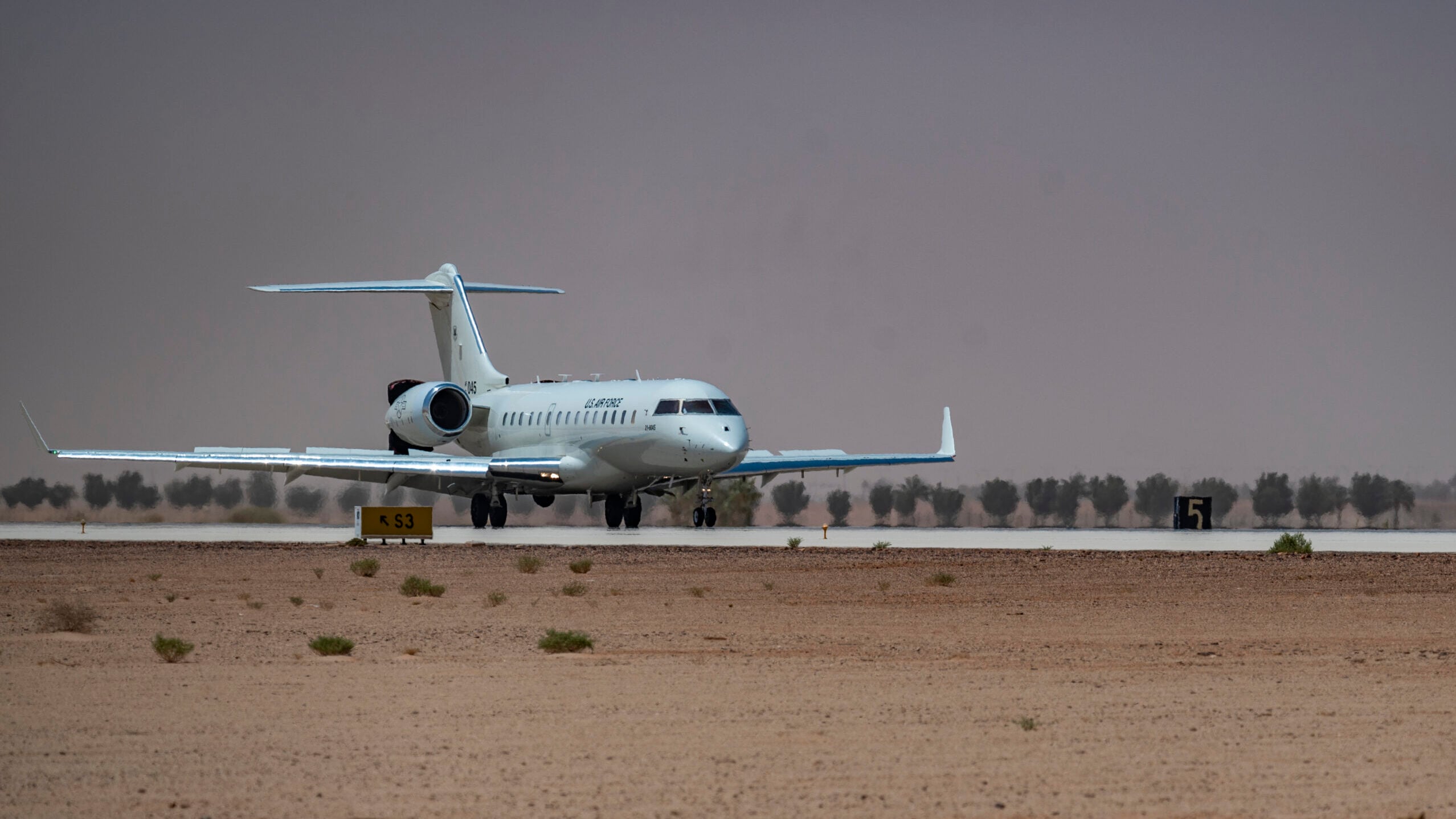
The U.S. Air Force has announced plans to divest its entire E-11 Battlefield Airborne Communication Node (BACN) fleet, targeting a fiscal 2028 retirement. This strategic shift will see the seven E-11 aircraft replaced by the emerging Department of the Air Force Battle Network, with FY227 budget documents zeroing out program funds. The move signals a significant pivot in how the service intends to deliver critical airborne communication capabilities.

Defense Secretary Pete Hegseth announced today that the long-awaited $152 billion in defense reconciliation funding, passed ten months ago, is finally poised to accelerate its disbursement. While only $26 billion has been contracted thus far, Hegseth assured the Senate Armed Services Committee that the 'floodgates' are about to open for critical initiatives like Golden Dome and new destroyers, despite initial delays blamed on the Office of Management and Budget.