After resisting 150 bombing runs by the Allies in the Second World War, the cisterns continued to be used by the Italian Air Force to hold aviation fuel.
Military & Defense
Original Briefing
Western SF Exploit Italy's Resilient Underground for Training
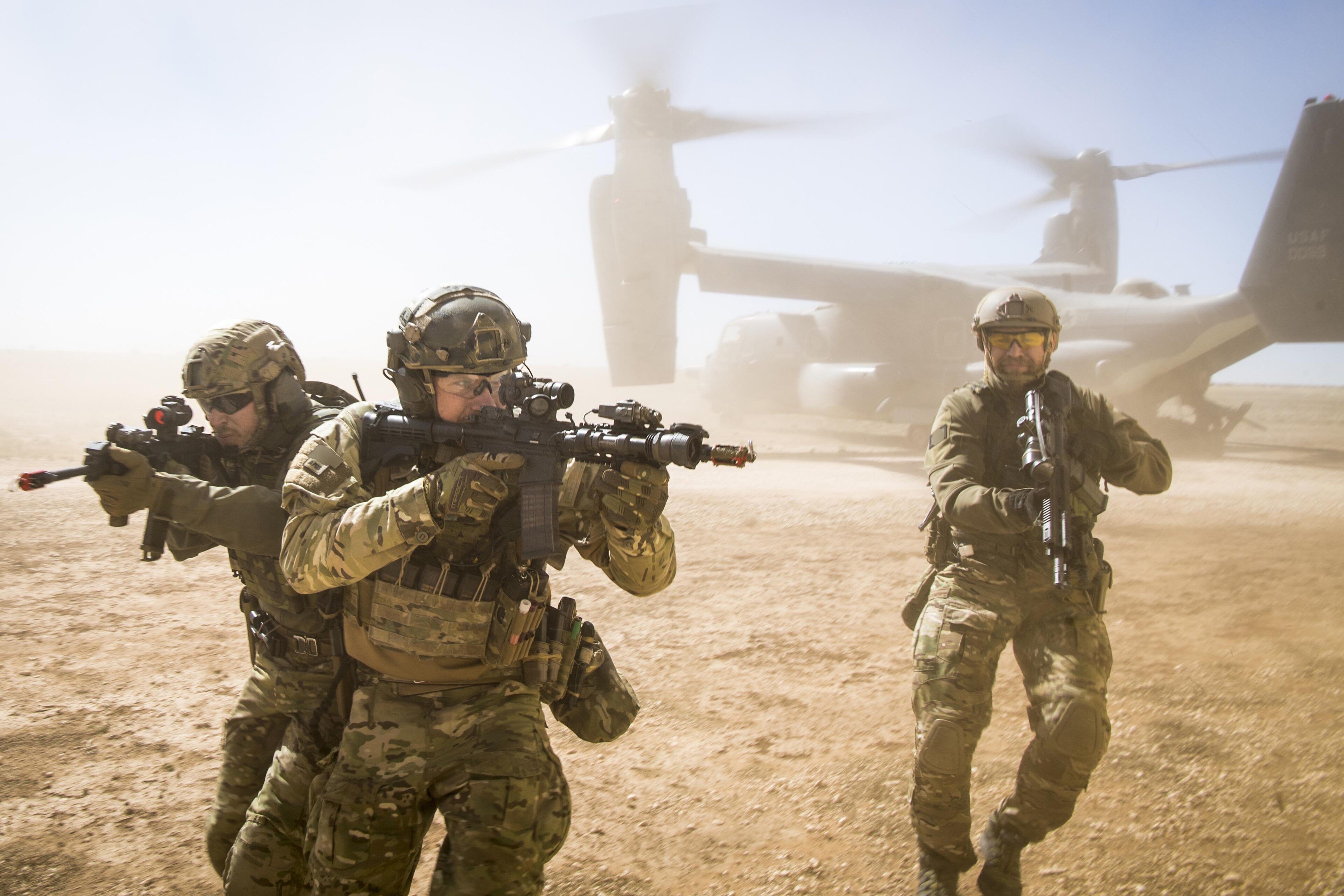
Allied nations are leveraging a unique historical asset in Italy: massive, highly resilient underground cisterns dating back to the fascist era. These extensive subterranean structures are proving invaluable as a demanding environment for modern special forces to refine their tunnel warfare and complex underground operational capabilities. The specialized training directly addresses evolving threat landscapes where adversaries increasingly utilize fortified, hidden infrastructure.
This strategic investment in subterranean expertise reflects a growing recognition within the defense community of the critical need for advanced skills in environments where traditional combat doctrines are often insufficient. It signals a proactive shift towards preparing for hybrid conflicts that increasingly feature deeply entrenched and obscured targets globally.
Key Intelligence Points
- The cisterns' exceptional resilience, having withstood 150 Allied bombing runs during WWII, offers unparalleled realism for subterranean training.
- Their original design for holding aviation fuel suggests a vast, intricate internal layout, posing complex navigation and operational challenges.
- Continued post-WWII use by the Italian Air Force highlights the structures' enduring integrity and strategic utility over decades.
- Leveraging this fascist-era infrastructure provides a unique historical dimension to contemporary special operations force readiness.
- The underground nature and proven durability make these sites an ideal proxy for simulating modern, hardened enemy strongholds.
Advertisement
Intelligence Briefing
Why this matters: Utilizing these historically robust and complex underground cisterns is crucial for developing specialized operational capabilities against deeply entrenched adversaries. Such environments realistically simulate the challenges of navigating, clearing, and securing subterranean networks, enhancing special forces' readiness for the sophisticated threats posed by state and non-state actors exploiting concealed infrastructure. This training directly translates into improved effectiveness in contested urban and fortified zones.
Editorial Analysis
The strategic significance of Western special forces (SF) engaging in advanced subterranean training within Italy's historic cisterns cannot be overstated. These structures, built to withstand immense pressure and prolonged aerial assaults, provide an unparalleled setting for forces to hone skills critical for modern warfare. The operational environment tests teams in navigating confined spaces, managing limited visibility, executing precision movements, and maintaining communication in challenging conditions. This capability directly addresses the tactical gap in confronting adversaries who heavily rely on extensive underground networks to evade detection, store assets, and mount operations.
This specialized focus aligns with a broader trend in defense strategy, acknowledging the global proliferation of sophisticated underground facilities by various actors. Historical precedents, from the tunnel complexes of Vietnam to contemporary extremist hideouts in the Middle East, underscore the immense tactical difficulties presented by subterranean combat. Experts recognize that mastery of underground operations is no longer an ancillary skill but a core requirement for elite forces. Training in sites like these Italian cisterns represents a vital investment in future readiness, ensuring special operations forces possess the unique expertise to neutralize deeply integrated threats in an increasingly complex battlespace.
📰