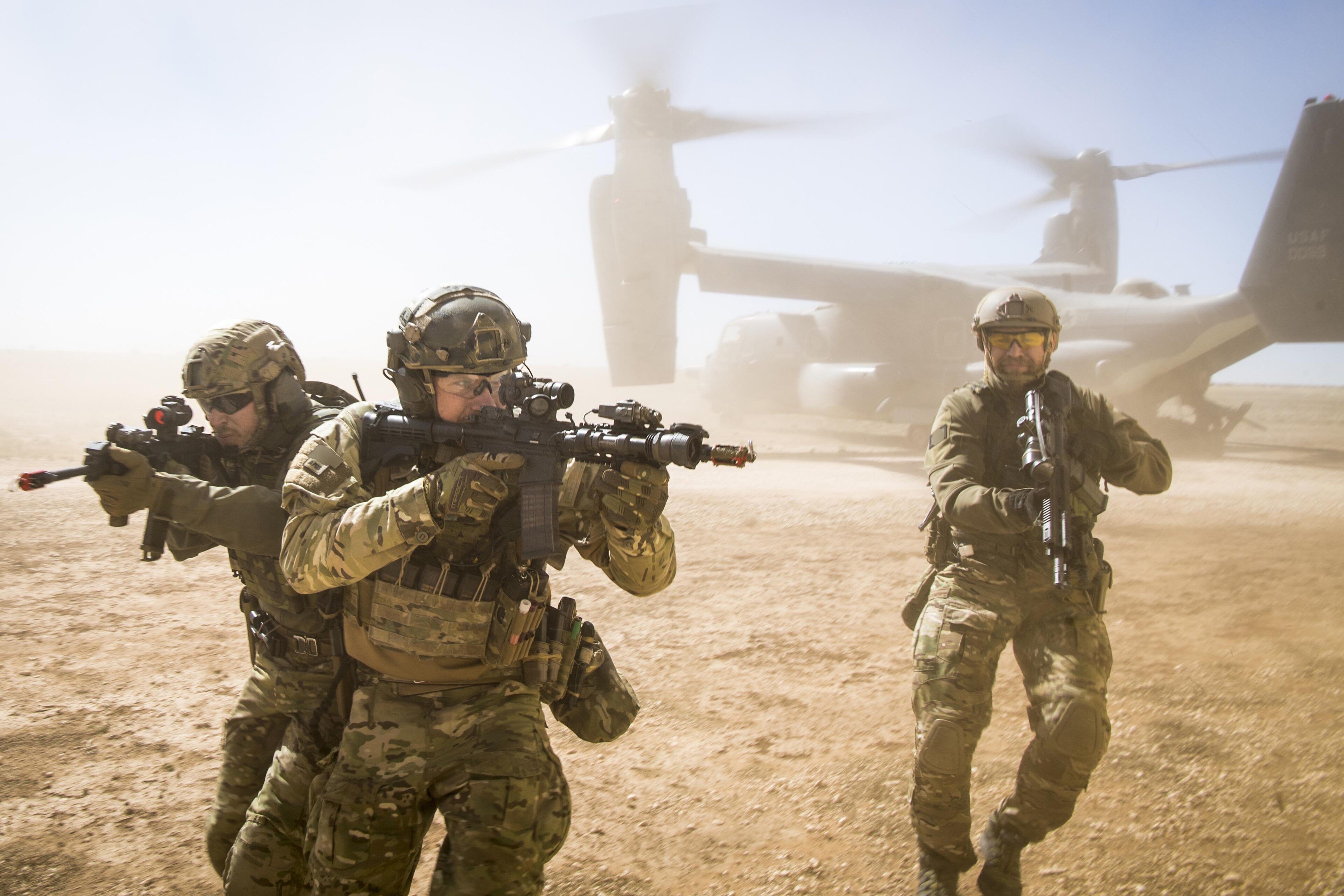
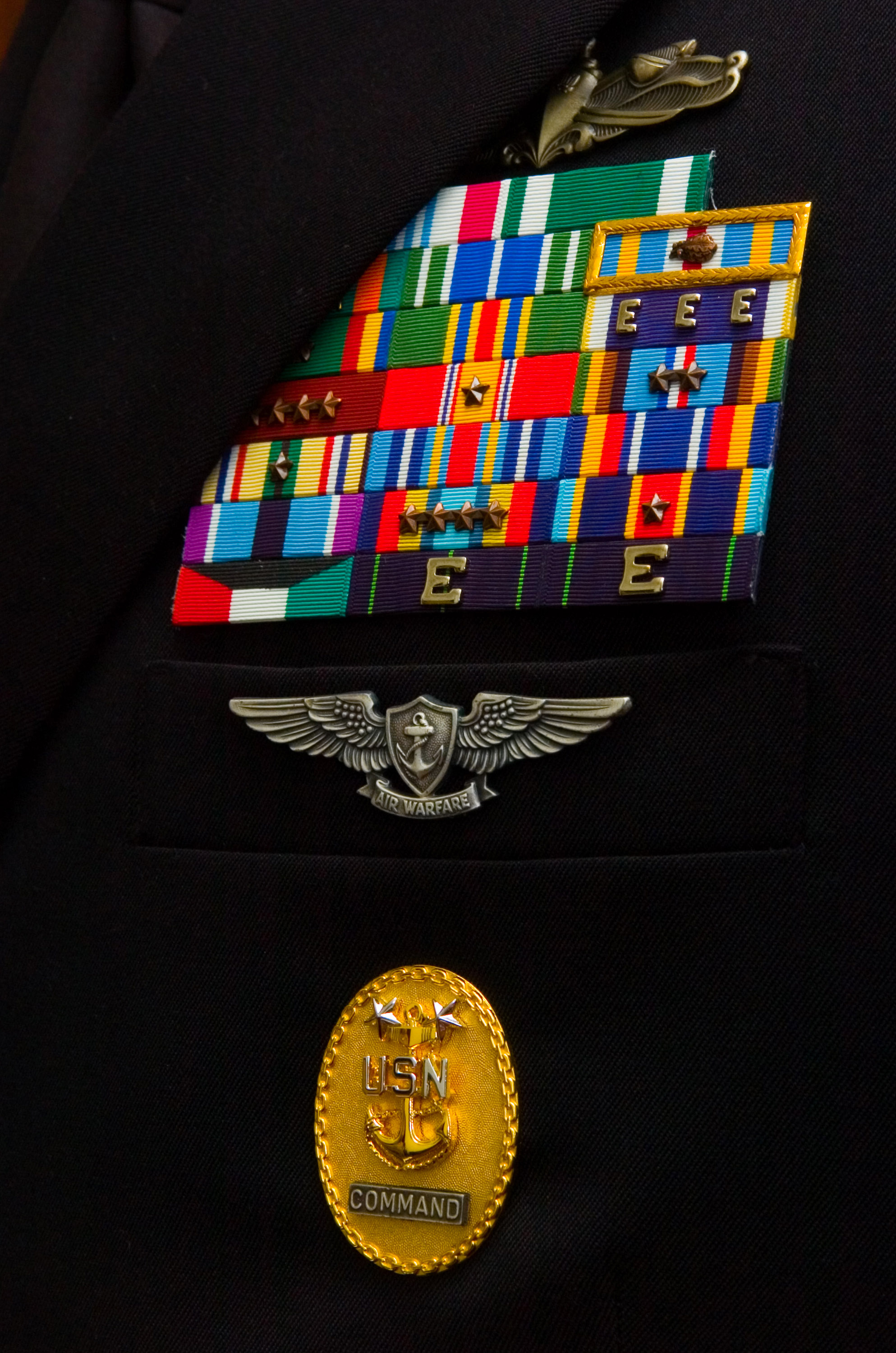
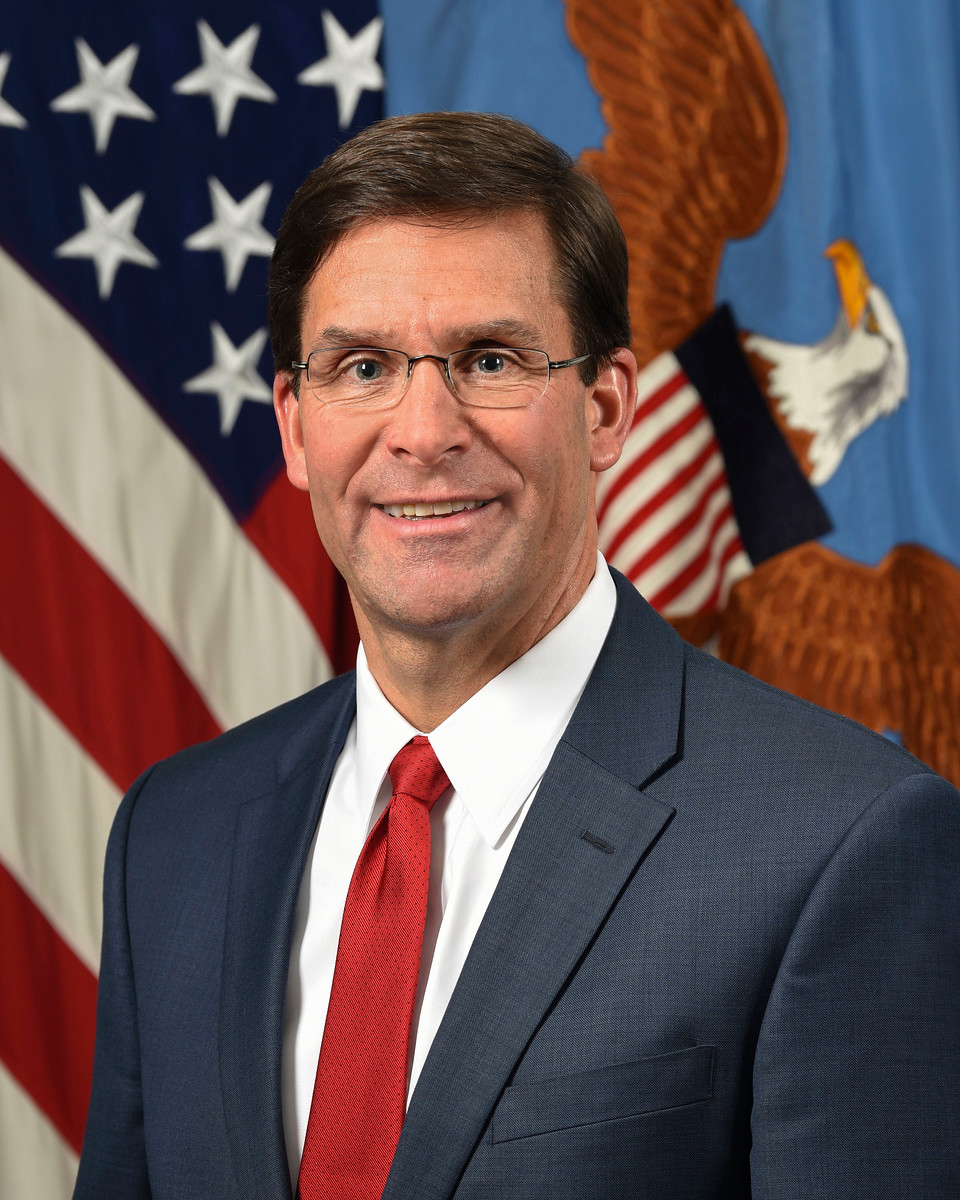
The visit comes five months after the high-risk U.S. military operation to remove Venezuelan President Nicolás Maduro.
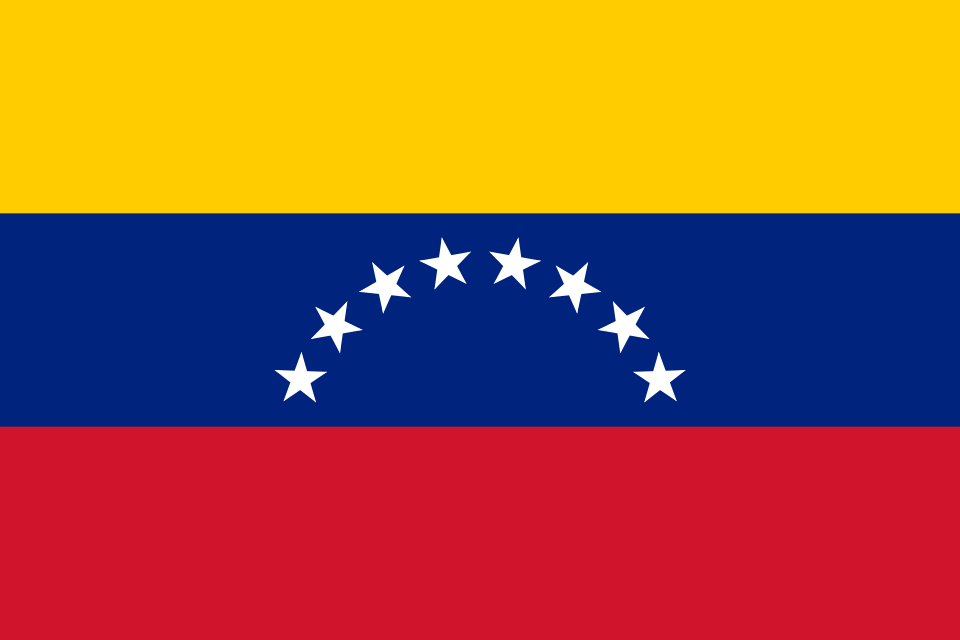
Military & Defense
Original Briefing
US Joint Chiefs Visit Post-Maduro Venezuela: A New Strategic Era
The most senior uniformed officer of the United States military has conducted an unprecedented official visit to Venezuela, marking a critical diplomatic-military engagement just five months following the high-stakes U.S. operation that led to the removal of President Nicolás Maduro. This landmark visit signifies a crucial phase in stabilizing the nation and recalibrating the complex security architecture of the region after a significant geopolitical shift. It provides concrete context to Washington's ongoing strategic reassessment concerning its influence and security interests in the Western Hemisphere.
This development unfolds against a challenging geopolitical backdrop where regional stability remains paramount, particularly given Venezuela's past role in humanitarian crises, migration flows, and its potential as a nexus for external state actors. The establishment of a new political order in Caracas naturally invites a comprehensive re-evaluation of security postures across South and Central America, demanding vigilance from defense and intelligence communities.
Key Intelligence Points
- The US Joint Chiefs of Staff chairman made an inaugural official visit to Venezuela, reflecting a significant shift in bilateral engagement.
- This high-level military interaction occurs five months after a decisive US-led operation to depose the former Venezuelan President.
- The visit signals a new, post-intervention phase in US-Venezuelan relations, potentially focusing on stabilization and capacity building.
- Discussions likely centered on assessing the security landscape and identifying needs for a transitioning Venezuelan government.
- The engagement implies a re-evaluation of regional security dynamics and US strategic priorities in South America following the intervention.
Advertisement
Intelligence Briefing
This visit holds profound implications for regional stability and defense strategy, setting a vital precedent for post-intervention engagement models. For policymakers, it underscores the multifaceted challenge of transitioning from decisive military action to sustained diplomatic and nation-building efforts, highlighting the substantial, long-term resource commitments required. Defense planners must now adapt their frameworks to account for evolving US security partnerships in Latin America, potentially shifting threat landscapes related to counter-narcotics, migration, and critical infrastructure protection as Venezuela navigates its reintegration.
Editorial Analysis
The strategic significance of this high-level military engagement cannot be overstated, as it effectively transitions the US role from direct military intervention to one of support for post-conflict stabilization. This move critically influences the nascent Venezuelan administration's legitimacy and operational capacity, signaling Washington's continued commitment to ensuring a stable, democratic Western Hemisphere. It also provides a clear message to regional allies like Colombia and Brazil, while subtly cautioning extra-regional powers against exploiting any residual instability. The engagement likely prioritizes assessing security sector reform needs, reinforcing counter-narcotics efforts, and broader humanitarian stabilization, thus setting a potential precedent for future post-conflict assistance models.
Historically, the post-intervention phases of military operations are often fraught with complex challenges, necessitating sustained security assistance and robust governance support to prevent recidivism or the emergence of new forms of instability. This engagement in Venezuela reflects a clear understanding of these historical lessons, emphasizing the imperative for early, high-level diplomatic and security coordination to complement military action. For the broader security community, this incident underscores the enduring relevance of comprehensive post-conflict stabilization strategies and the critical need to anticipate and mitigate the humanitarian, migration, and economic reverberations across interconnected global regions.
📰