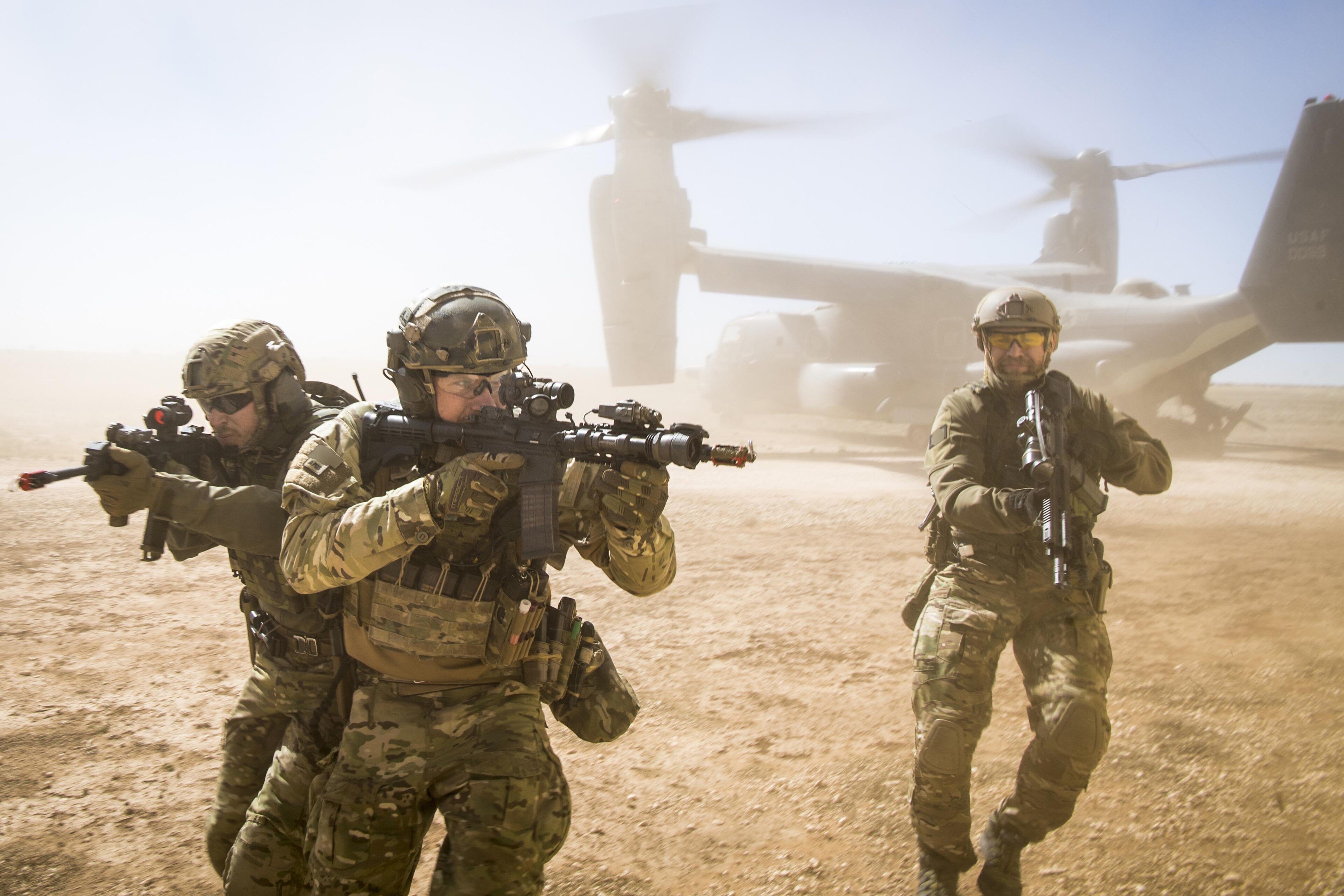
Western SF Exploit Italy's Resilient Underground for Training
- The cisterns' exceptional resilience, having withstood 150 Allied bombing runs during WWII, offers unparalleled realism for subterranean training.
- Their original design for holding aviation fuel suggests a vast, intricate internal layout, posing complex navigation and operational challenges.
- Continued post-WWII use by the Italian Air Force highlights the structures' enduring integrity and strategic utility over decades.
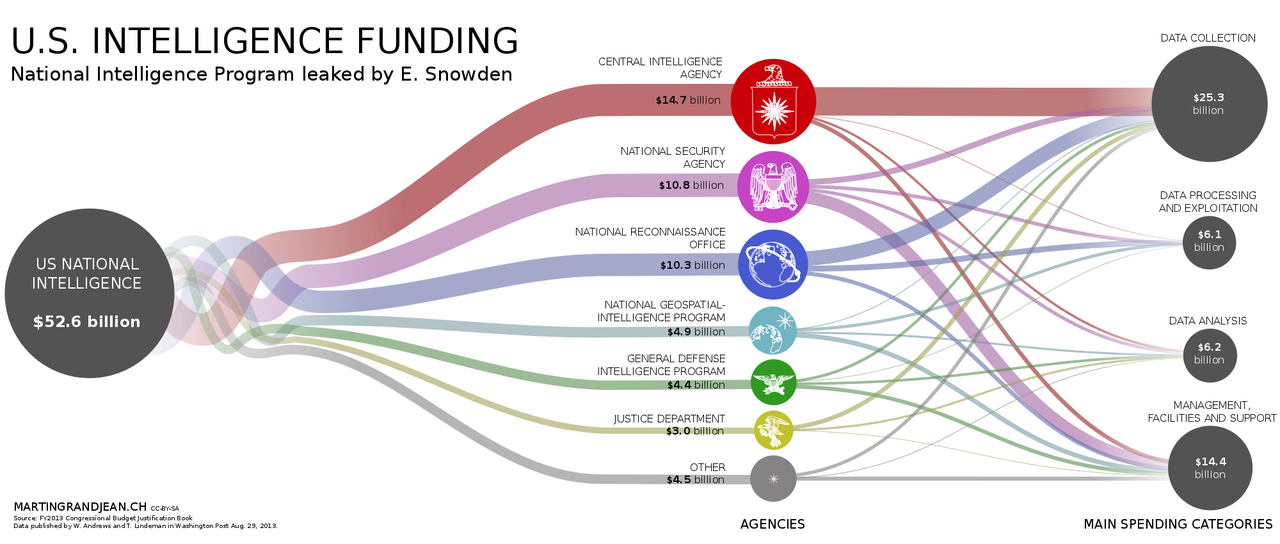
Norway has officially been informed by Washington of potential delays in deliveries of American-made weapons. This development aligns with similar warnings received by other Nordic and Baltic nations, as the ongoing conflict in the Middle East strains US stockpiles and global supply chains.

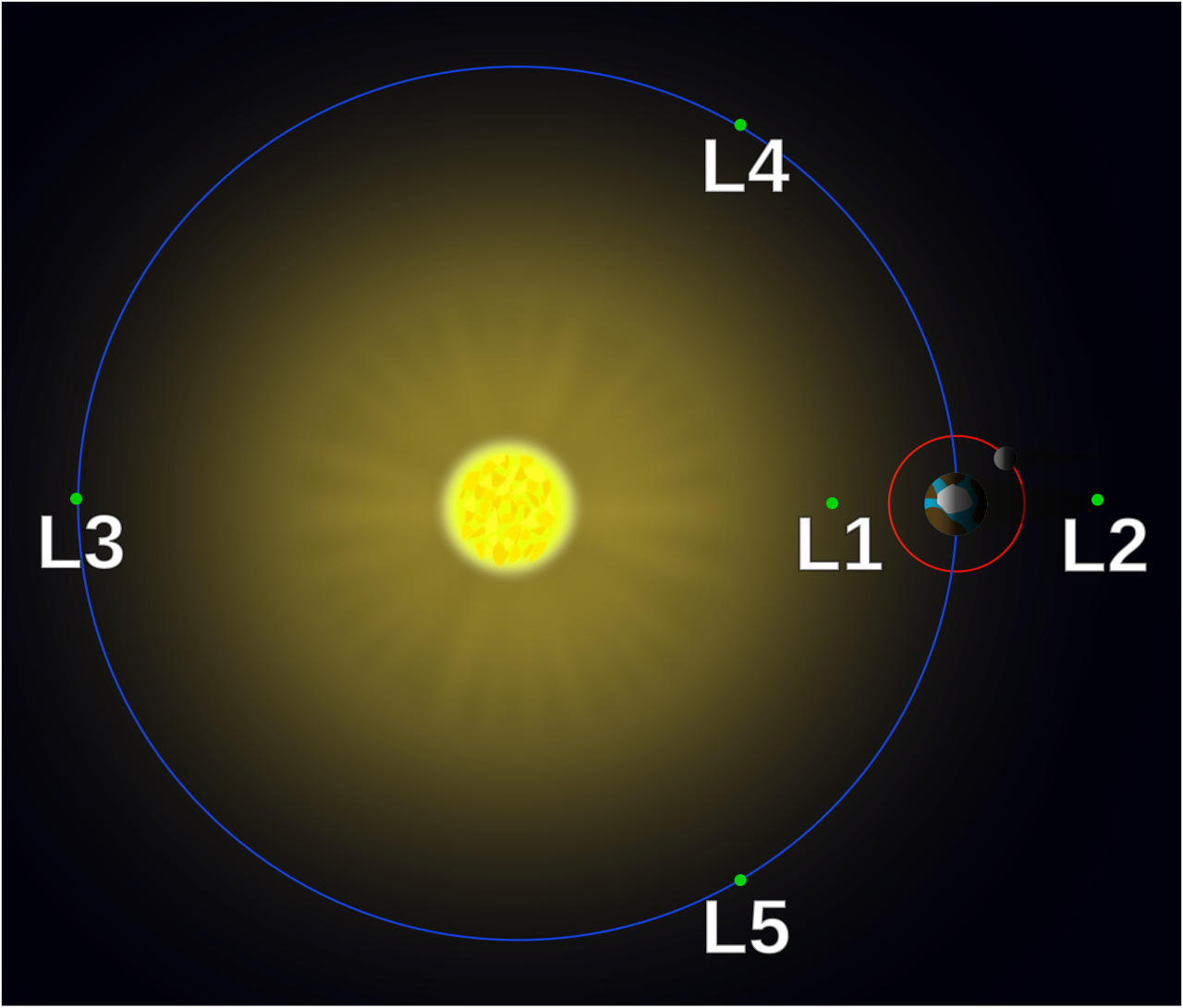
The U.S. Space Force has officially completed the decades-long rollout of its GPS III satellite constellation with the launch of the final satellite, SV-10, last month. This crucial milestone significantly enhances position data accuracy and jam-resistance for both military and civilian users worldwide. However, the service is already pivoting to the next iteration, with the even more resilient GPS IIIF system slated to begin launches in May 2027.

The Department of Defense has finalized agreements with seven major artificial intelligence companies, including OpenAI and Google, to integrate their systems into classified Pentagon networks. This significant push to establish the U.S. military as an AI-first fighting force notably excludes Anthropic, which was previously designated a supply-chain risk due to disputes over data access for autonomous weapons and surveillance.

The U.S. is reportedly shutting down its Civil-Military Coordination Center (CMCC) near Gaza, a military-run body established to monitor the Israel-Hamas ceasefire and facilitate aid. This move represents a significant setback for the Trump administration's broader Gaza peace plan, undermined by ongoing regional instability and the CMCC's perceived ineffectiveness.
The White House has officially nominated Lt. Gen. Doug Schiess to become the third Chief of Space Operations, setting the stage for a critical leadership transition within America's newest military service. Schiess, currently the Space Force’s deputy chief of operations, is poised to succeed Gen. Chance Saltzman amidst a period of unprecedented growth and strategic expansion for the service. His appointment comes as the Space Force navigates an increasingly contested orbital domain and significant budget increases.
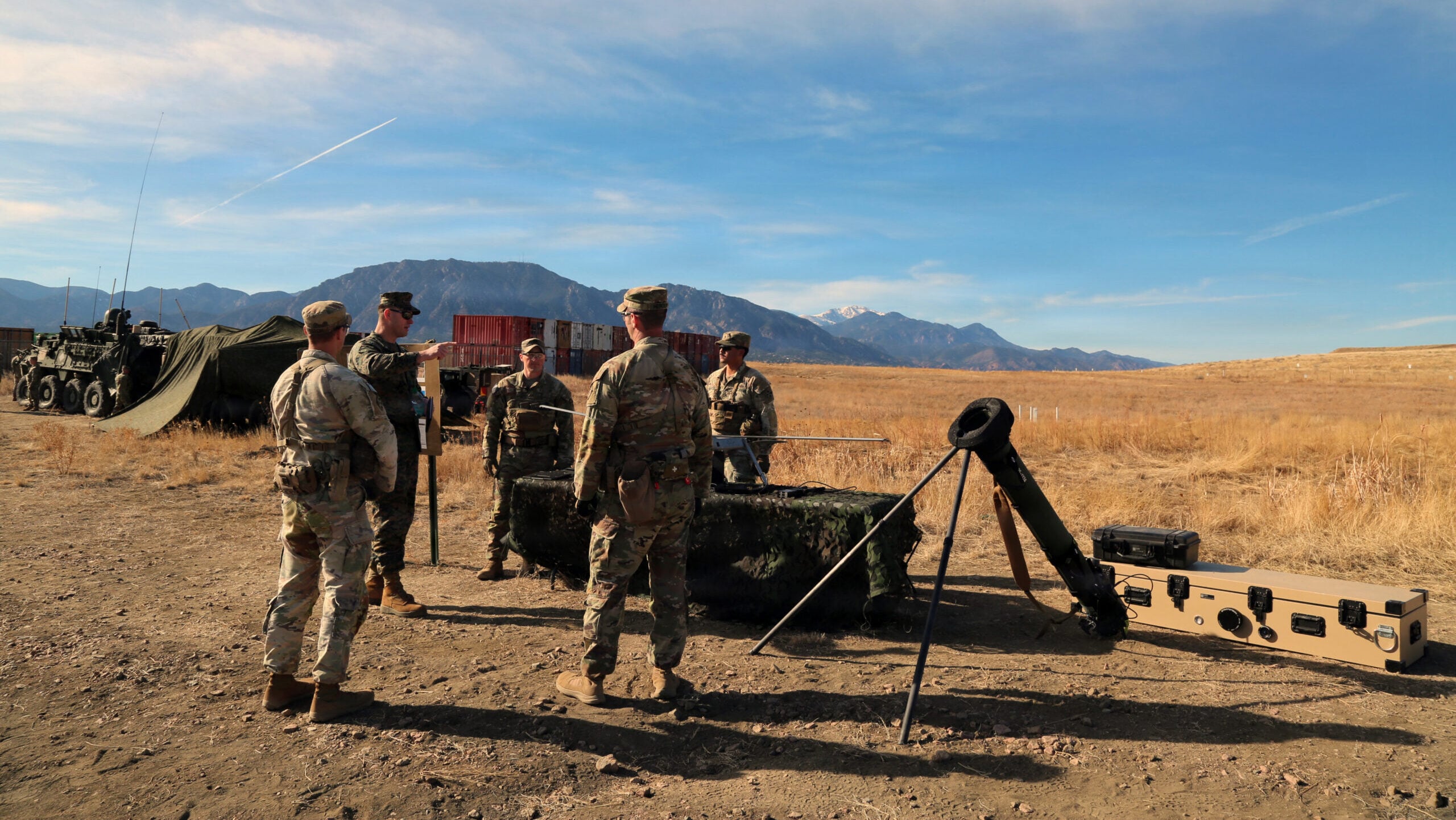
The newly established Marine Corps Portfolio Acquisition Executive (PAE) is poised to significantly accelerate acquisition decisions for Project Dynamis, the service's critical contribution to joint all-domain command and control (CJADC2). This new leadership structure aims to overcome traditional "Valley of Death" challenges, ensuring rapid transition of innovative capabilities from demonstration to deployment. The move is expected to streamline the integration of mature technologies into the battlespace.
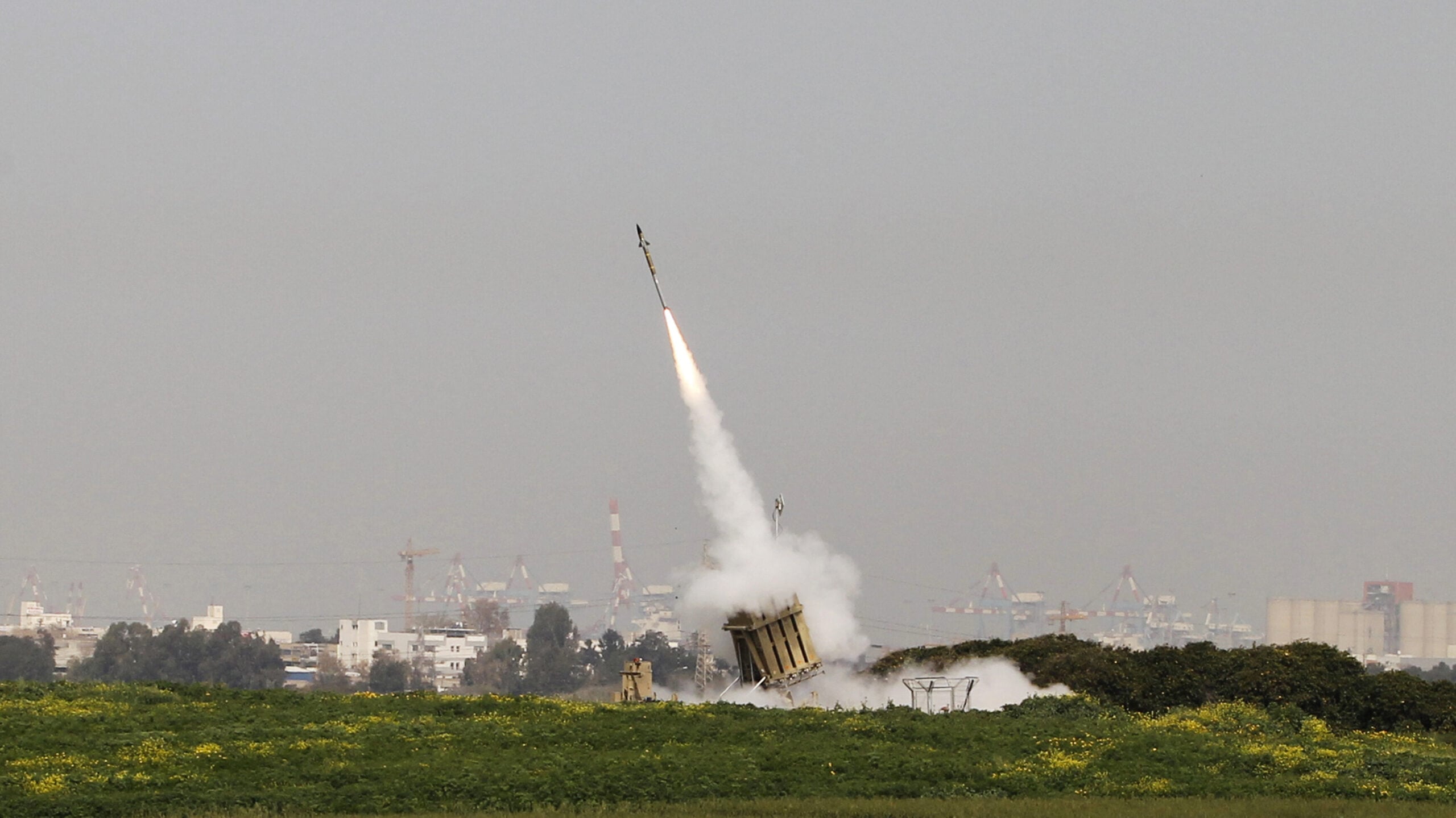
The Israeli Ministry of Defense and Rafael Advanced Defense Systems have delivered the initial batch of Tamir interceptors to the US Marine Corps, a critical step for the Marines' Medium Range Intercept Capability (MRIC) program. This delivery marks a significant advancement in establishing a new, mobile air defense system tailored for expeditionary warfare. It integrates Israel's combat-proven Iron Dome technology to protect forces against a wide range of aerial threats.
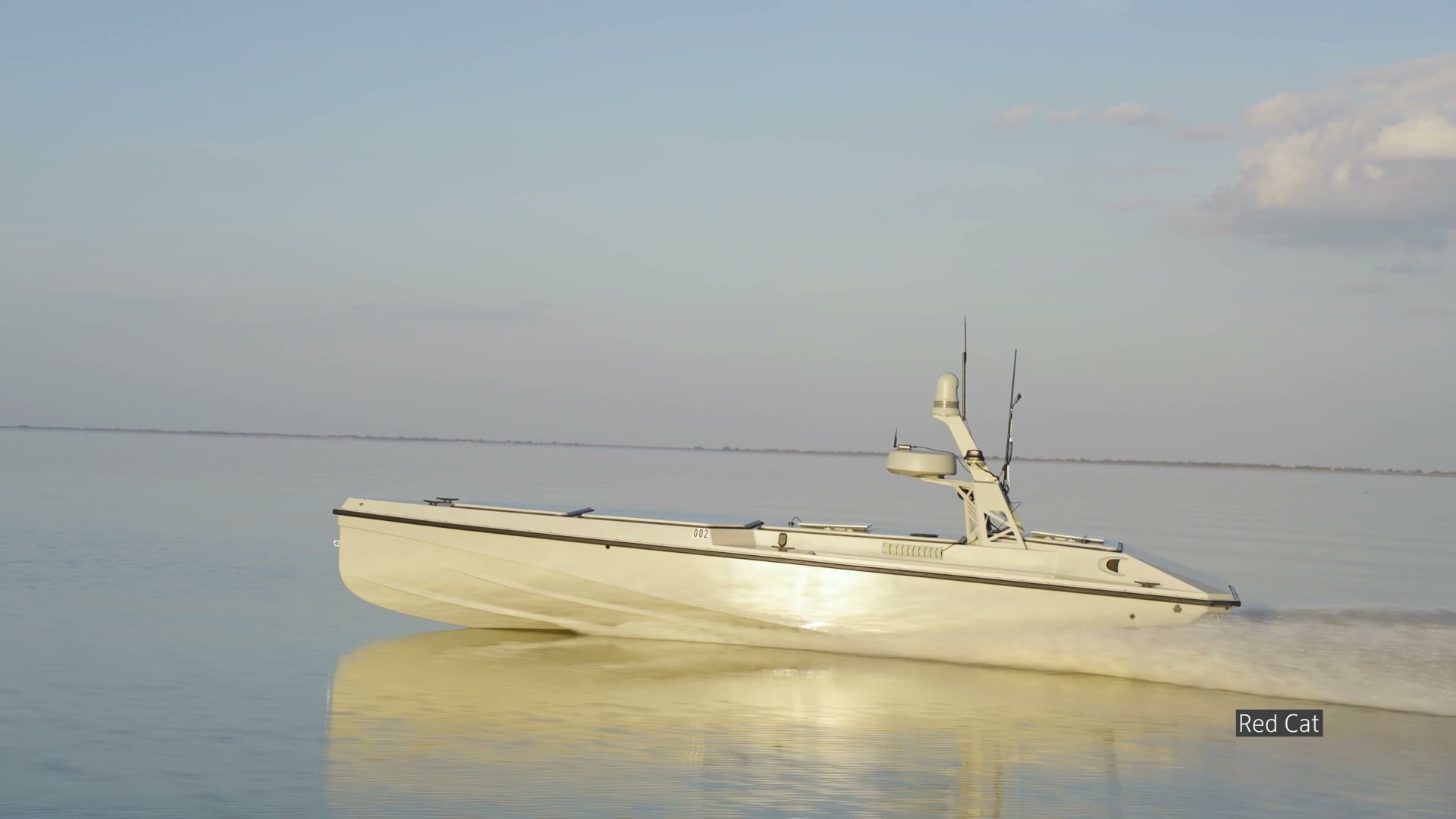
Red Cat, a prominent name in aerial drones, has unveiled Blue Ops, a new venture aimed at the mass production of Unmanned Surface Vessels (USVs). This strategic move signals a significant expansion of autonomous capabilities into the maritime domain, poised to redefine naval intelligence gathering and defense strategies.
The U.S. Navy is poised to restart procurement of P-8A Poseidon aircraft in fiscal year 2027, ending a two-year pause. This move coincides with the announcement of initial operational capability for the P-8A Increment 3 Block 2, a significant suite of upgrades designed to bolster the aircraft's crucial maritime intelligence, surveillance, and reconnaissance (ISR&T) capabilities. The FY27 budget allocates over $4.2 billion for 12 new aircraft and additional funding for these advanced modifications.
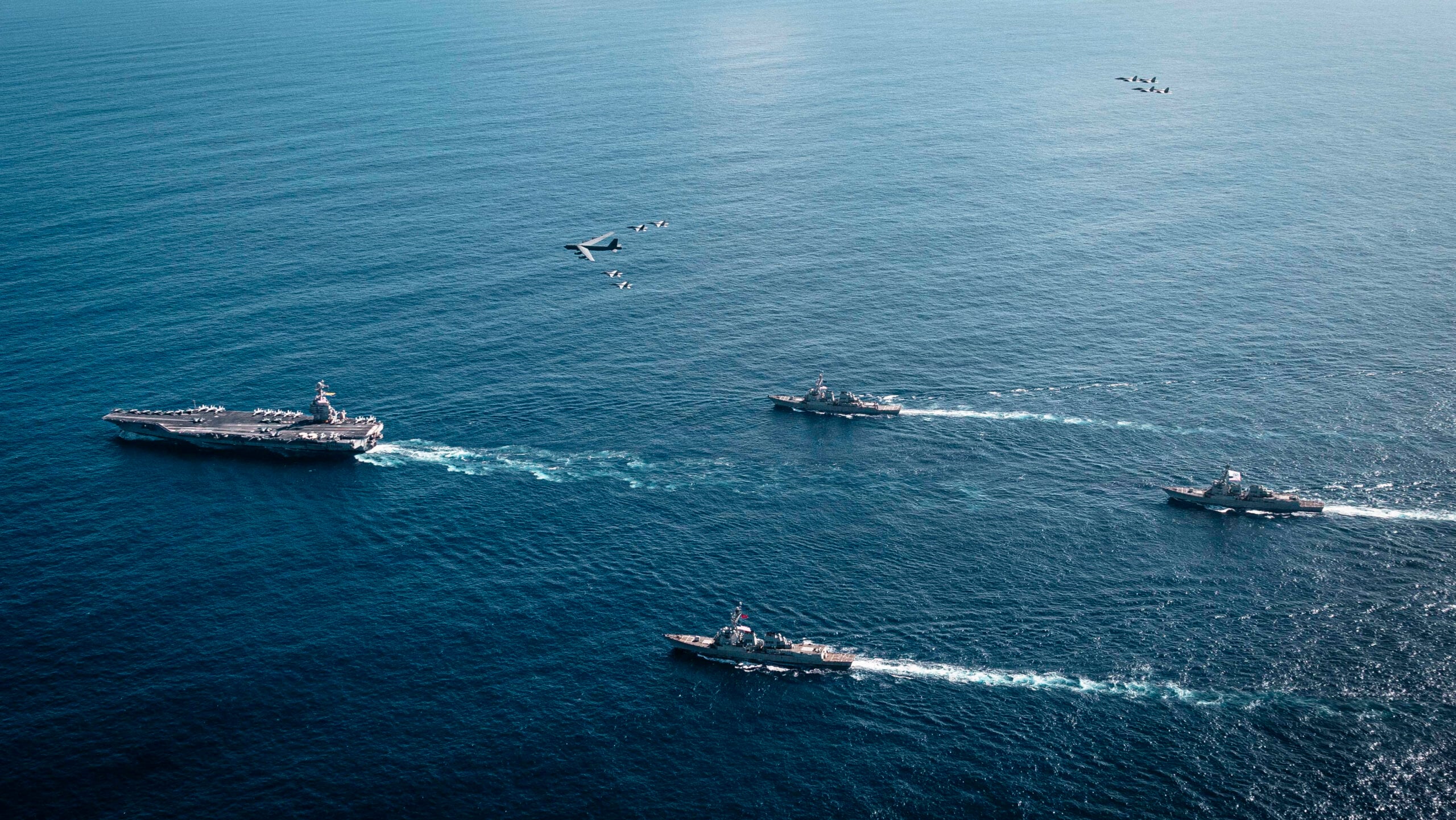
In a significant departure from previous years, multiple U.S. military services and combatant commands are reporting no unfunded requirements for Fiscal Year 2027. This unprecedented development is largely attributed to the record-shattering $1.5 trillion defense budget request, a 44 percent increase from FY26. Total unfunded requests across the DoD are dramatically lower than in prior cycles, signaling a potential shift in budget allocation and strategic priorities.

In a significant move to accelerate AI integration into national security, the Pentagon has approved seven leading artificial intelligence developers to deploy tools within its highly classified Impact Level 6 and 7 networks. This broad strategic initiative aims to streamline data synthesis, enhance warfighter decision-making, and prevent vendor lock by fostering a diverse AI ecosystem. The integration underscores a presidential mandate to solidify American AI leadership as indispensable to defense capabilities.

President Trump's recent decision to extend a two-week ceasefire with Iran, despite initial reluctance, highlights a diplomatic process fraught with challenges and miscalculations. This pause in direct conflict offers a tenuous opportunity for de-escalation, yet it follows a pattern where U.S. pressure tactics have inadvertently strengthened Tehran's strategic position.