
Western SF Exploit Italy's Resilient Underground for Training
- The cisterns' exceptional resilience, having withstood 150 Allied bombing runs during WWII, offers unparalleled realism for subterranean training.
- Their original design for holding aviation fuel suggests a vast, intricate internal layout, posing complex navigation and operational challenges.
- Continued post-WWII use by the Italian Air Force highlights the structures' enduring integrity and strategic utility over decades.

Authorities have arrested a key member of the notorious Scattered Spider hacking group, signaling a significant win against high-profile cybercrime. This week's intelligence roundup also covers unprecedented US sanctions targeting Iran's crypto reserves and a critical vulnerability found in a deprecated NSA industrial control system tool, highlighting diverse threats across national security and critical infrastructure. These updates provide essential insights for defense and cybersecurity professionals navigating an evolving threat landscape.
Criminal IP and Securonix ThreatQ have announced a strategic integration, merging Criminal IP's real-time IP exposure intelligence directly into the ThreatQ platform. This collaboration aims to significantly enhance threat intelligence operations, providing security teams with more actionable context for faster analysis and response within existing workflows.
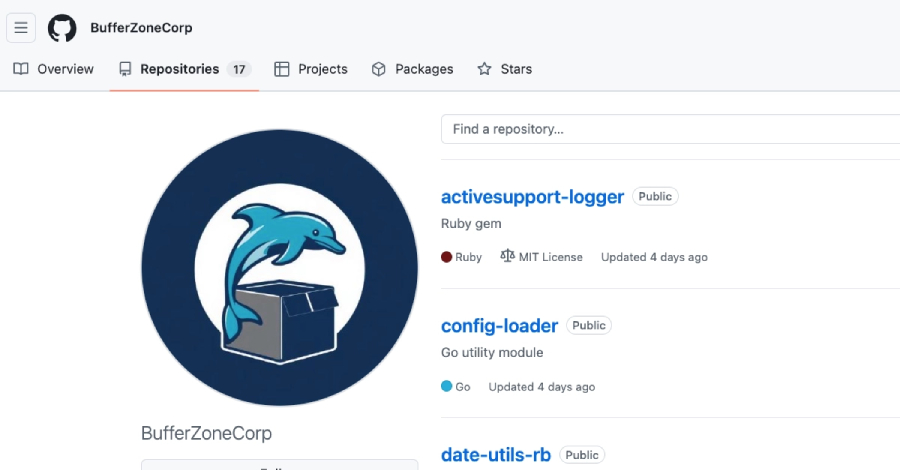
A sophisticated software supply chain attack campaign has been uncovered, utilizing "sleeper" packages within RubyGems and Go modules to infiltrate CI/CD pipelines. This campaign, attributed to the GitHub account "BufferZoneCorp," successfully deployed malicious payloads designed for credential theft, GitHub Actions manipulation, and establishing SSH persistence, posing a significant threat to development environments.
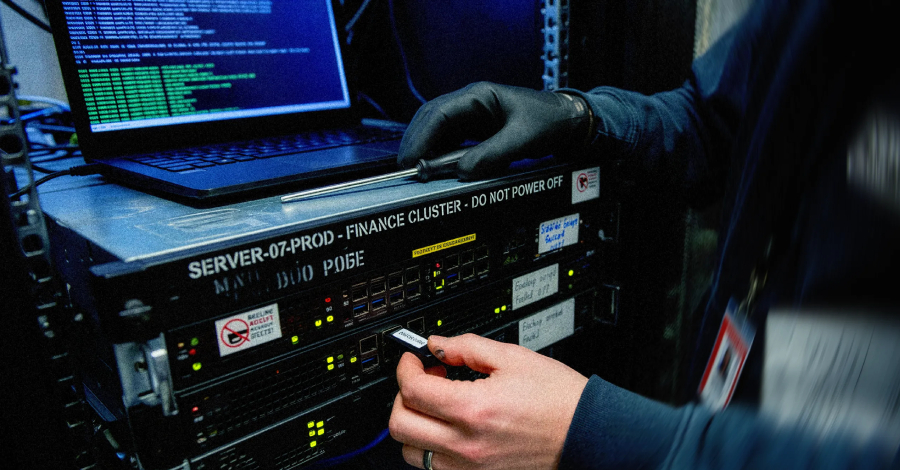
Two cybersecurity professionals have been sentenced to four years in prison each for their active roles in facilitating BlackCat ransomware attacks, a stark reminder of the insider threat within the industry. Ryan Goldberg and Kevin Martin were found to have leveraged their specialized skills not to defend, but to extort U.S. businesses, including a successful $1.2 million Bitcoin payout. This sentencing highlights the severe legal consequences for those who abuse their expertise for cybercrime.

The managed security services market is projected for explosive growth, soaring from $38.31 billion in 2025 to an estimated $69.16 billion by 2030. Despite this immense opportunity, many Managed Security Service Providers (MSPs) are failing to capture their share, leaving substantial revenue untapped. This shortfall stems from critical go-to-market execution gaps, primarily the inability to translate deep technical expertise into compelling business outcomes for clients.

A sophisticated cyber espionage campaign, attributed to China-aligned threat actors, is actively targeting government and defense sectors across South, East, and Southeast Asia, alongside a NATO member state in Europe. Researchers have detailed how these groups exploit N-day vulnerabilities and deploy advanced tooling to maintain persistent access and exfiltrate sensitive information, underscoring a broad intelligence-gathering effort. This widespread campaign highlights an escalating geopolitical cyber threat landscape.
Two distinct cybercrime groups, Cordial Spider and Snarky Spider, are executing highly sophisticated and rapid extortion attacks almost entirely within SaaS environments. These groups employ vishing and SSO (Single Sign-On) abuse to steal credentials, pivot directly into cloud applications, and exfiltrate sensitive data, posing significant detection challenges for defenders.

The annual Modern Day Marine conference recently concluded, offering a comprehensive look at the cutting-edge technologies and systems poised to shape the future of naval and expeditionary warfare. From formidable armored vehicles and advanced aerial drones to specialized bespoke solutions, the event drew defense industry leaders and military representatives to showcase innovations for the U.S. Marine Corps. This exclusive photo gallery captures the key highlights from the show floor.

The Pentagon has announced a significant step in its AI-first strategy, authorizing seven major tech firms to deploy their artificial intelligence models directly onto its highly classified networks, including Impact Level 6 and the semi-official Impact Level 7. This strategic decision accelerates the integration of commercial frontier AI capabilities, aiming to enhance data synthesis and elevate warfighter decision-making in complex operational environments.

The former head of the Defense Department’s Office of Net Assessment (ONA), James Baker, has joined leading AI company Anthropic as a strategist-in-residence. Baker, who previously advised defense secretaries on emerging technology's long-term effects on national security, will now lead analysis on how artificial intelligence is impacting U.S. institutions and competition with China. This move signifies a critical convergence of high-level national security strategy and cutting-edge AI development.

Anthropic has officially launched Claude Security, an advanced AI system designed to fortify cyber defenses against the escalating threat of AI-powered exploits. This new platform aims to empower security teams by dramatically accelerating vulnerability identification and remediation processes, leveraging frontier AI capabilities.
Threat actors are increasingly exploiting the trust in popular AI distribution platforms like Hugging Face and ClawHub to spread malware, according to a new report from Acronis. These attacks leverage social engineering and indirect prompt injection to trick users into downloading malicious files from seemingly legitimate repositories. The discovery highlights a growing and concerning trend of poisoning trusted digital supply chains within the burgeoning AI ecosystem.