
Western SF Exploit Italy's Resilient Underground for Training
- The cisterns' exceptional resilience, having withstood 150 Allied bombing runs during WWII, offers unparalleled realism for subterranean training.
- Their original design for holding aviation fuel suggests a vast, intricate internal layout, posing complex navigation and operational challenges.
- Continued post-WWII use by the Italian Air Force highlights the structures' enduring integrity and strategic utility over decades.

Google has significantly restructured its Vulnerability Reward Programs (VRPs) for Chrome and Android, directly responding to the increasing role of AI tools in vulnerability discovery. This overhaul sees substantially higher payouts for critical Android flaws, while standard Chrome bug rewards are being reduced. The move signals a major industry shift as organizations grapple with the implications of AI-driven security research.

Cybersecurity giant Trellix has confirmed it suffered a breach leading to unauthorized access to a portion of its source code repository. The incident, now under investigation with forensic experts and law enforcement, raises significant concerns regarding the security of critical software supply chains. This comes as the company navigates its relatively recent merger of McAfee Enterprise and FireEye assets.

The U.S. Navy has awarded a significant contract to AI firm Domino Data Lab, accelerating its capabilities to counter Iranian mine threats in the critical Strait of Hormuz. This initiative, part of Project AMMO, aims to drastically reduce the time needed for underwater drones to identify new mine types, from months to mere days. The move comes amid heightened tensions and concerns over global shipping lane security.

Defense Secretary Pete Hegseth has directed the withdrawal of approximately 5,000 US troops from Germany over the next year, a move confirmed by the Pentagon. This significant reduction in force posture comes amidst growing friction between the US and its NATO allies, exacerbated by recent tariff disputes and US military operations in the Middle East.

French authorities have detained a 15-year-old suspected of orchestrating a significant data breach against France Titres (ANTS), the national agency managing administrative documents. The incident led to the exposure of 12 to 18 million records, including sensitive personal information, which the minor allegedly offered for sale on a cybercriminal forum. This development highlights the persistent threat posed by even young, technically proficient individuals to critical national infrastructure.

Instructure, the company behind the widely adopted Canvas learning management system, has disclosed a cybersecurity incident perpetrated by a criminal threat actor. The U.S.-based education technology giant is actively investigating the extent of the breach and its potential impact on its vast user base, including students and educational institutions globally.
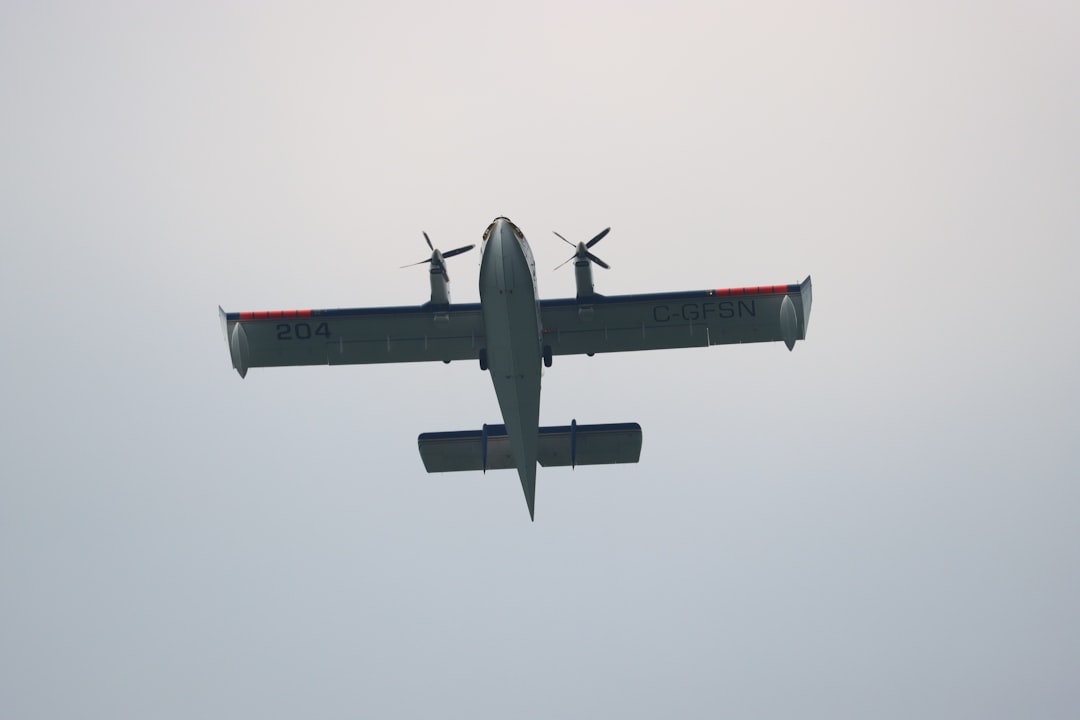
The U.S. Army is aggressively deploying advanced drone technology and expeditionary 3D printing capabilities during Exercise Balikatan 2026 in the Philippines, showcasing a critical acceleration in combat readiness and sustainment. This multilateral exercise, involving over 17,000 troops, serves as a vital proving ground for the 'Tropic Lightning' division's transformation into a more agile and technologically sophisticated fighting force. The integration of Kestrel FPV drones and on-demand manufacturing highlights the evolving nature of modern warfare in the Indo-Pacific.
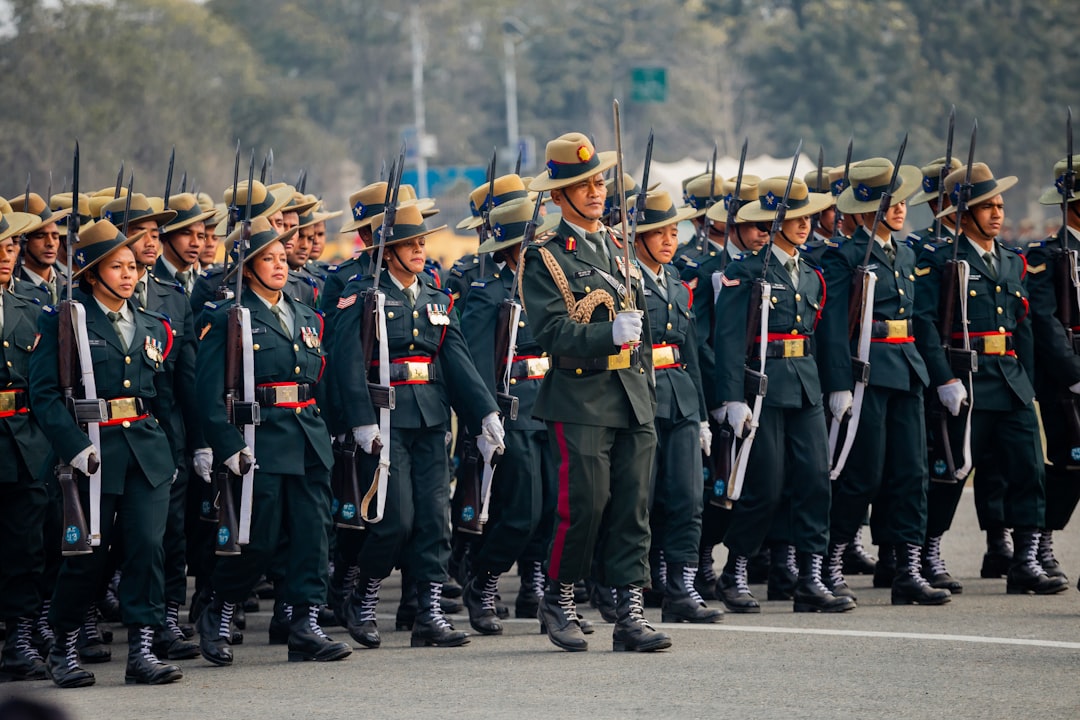
The U.S. Marine Corps has launched a sweeping overhaul of its reconnaissance training curriculum, replacing the foundational Basic Reconnaissance Course (BRC) with two new specialized programs. This significant update, which commenced on April 27, is a direct response to the service's Force Design initiatives aimed at enhancing readiness for future operating environments. The new Ground Reconnaissance Course (GRC) and Amphibious Reconnaissance Course (ARC) will now serve as the initial pipeline for Marine Reconnaissance.
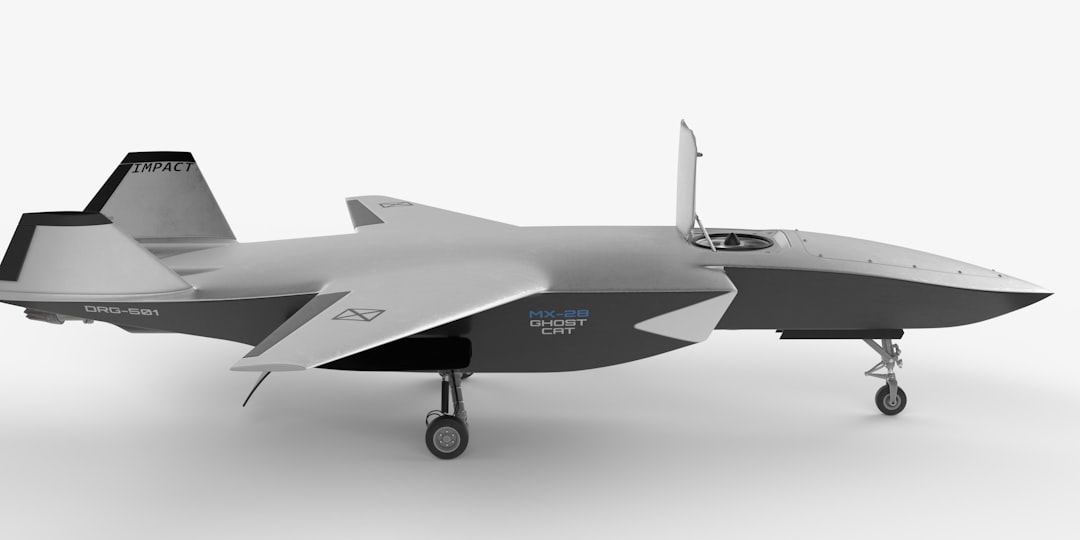
The U.S. Marine Corps has dramatically accelerated its unmanned strike capabilities, amassing over 3,500 first-person view (FPV) attack drones from zero in just a few months, with thousands more on order. This rapid fielding underscores a top-down mandate to integrate advanced autonomous weapons into the Fleet Marine Force, driven by lessons from modern conflicts. The service is swiftly institutionalizing FPV drone use through dedicated training, competitions, and doctrine development.

As the U.S. military rapidly integrates increasingly autonomous AI into warfighting, a critical flaw in current human control paradigms has been identified. Simply requiring human approval for lethal force at the final stage is deemed insufficient, risking algorithms making impactful decisions that unacceptably constrain human choice. Experts are now advocating for "Synthesized Command & Control," a novel approach that embeds human preferences and commander's intent directly into AI algorithms from the outset.
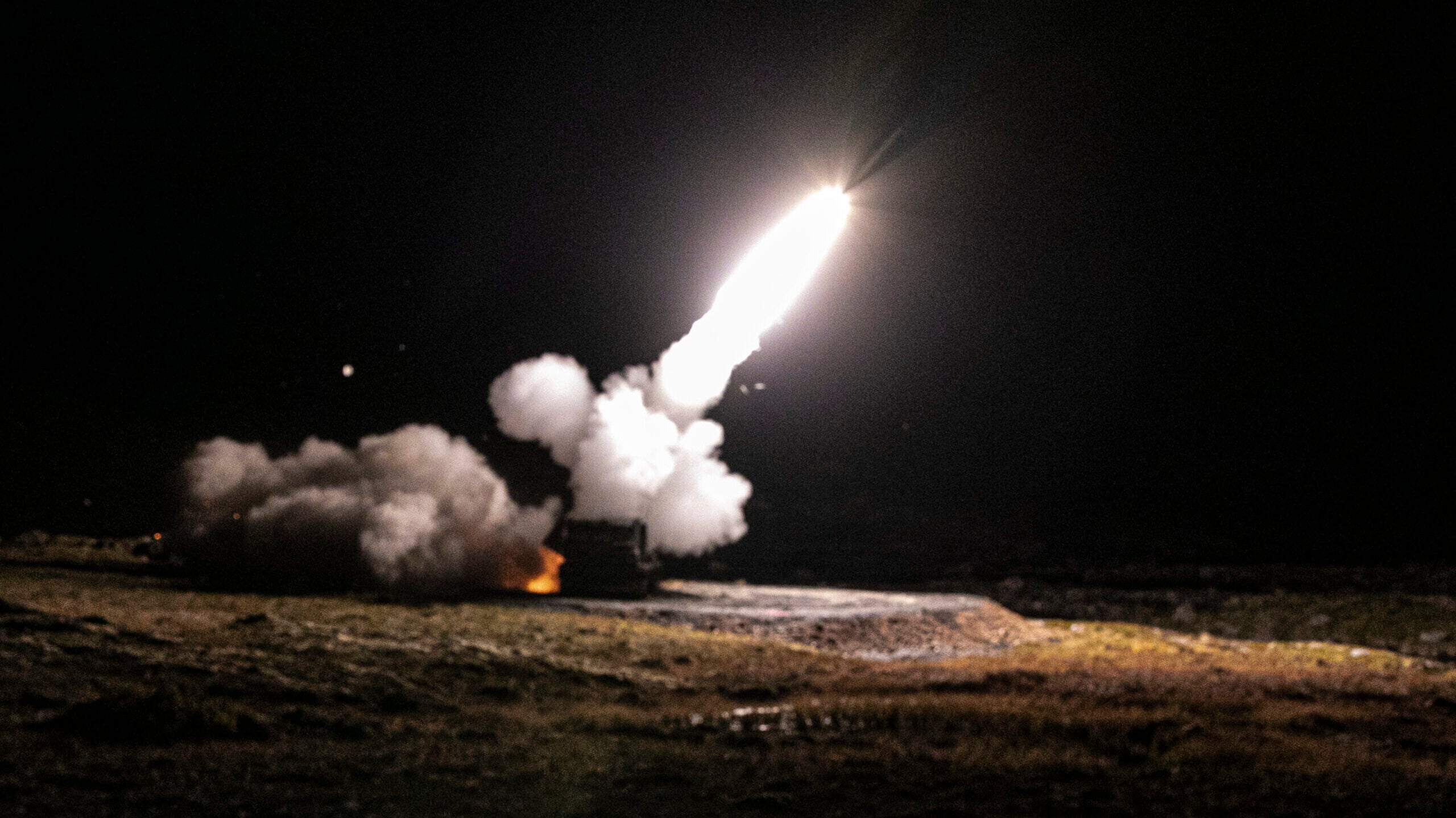
Australia has committed AU$126.9 million to establish a sovereign solid rocket motor manufacturing base, selecting Northrop Grumman to lead the initiative. This strategic investment aims to bolster the nation's defense industrial self-reliance and secure critical propulsion technology onshore. The program will leverage existing facilities to fast-track production, starting with GMLRS motors by 2030.
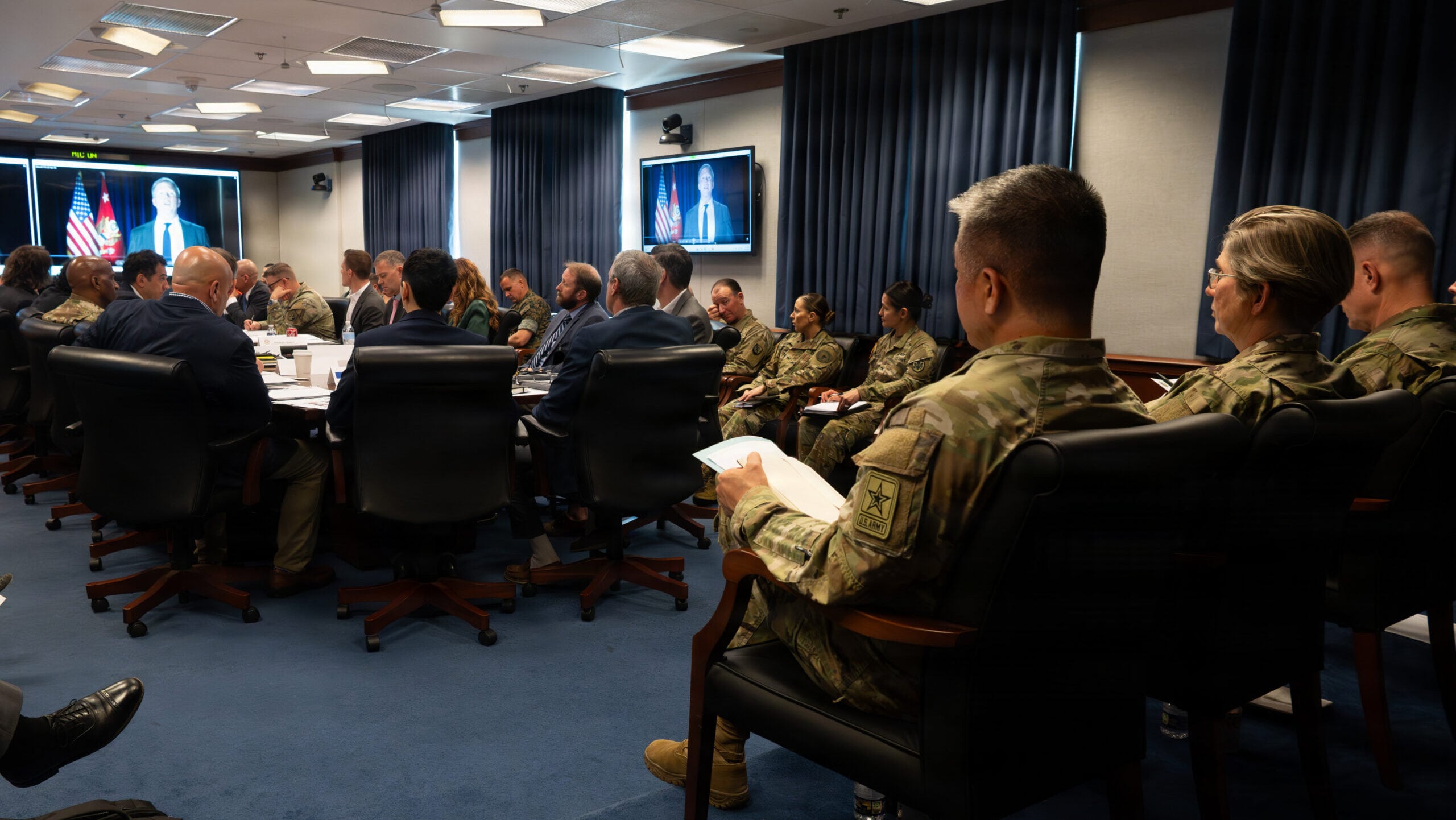
The U.S. Army is exploring significantly increased autonomy for AI "agents" in cyber defense, particularly during wartime, following a recent wargame with senior tech industry executives. This shift includes developing a critical "risk continuum" policy to define when agentic AI can operate with minimal human oversight against fast-evolving cyber threats.