
Western SF Exploit Italy's Resilient Underground for Training
- The cisterns' exceptional resilience, having withstood 150 Allied bombing runs during WWII, offers unparalleled realism for subterranean training.
- Their original design for holding aviation fuel suggests a vast, intricate internal layout, posing complex navigation and operational challenges.
- Continued post-WWII use by the Italian Air Force highlights the structures' enduring integrity and strategic utility over decades.
The Pentagon has secured groundbreaking deals with seven major tech companies, including Google, Microsoft, and OpenAI, to integrate their advanced artificial intelligence capabilities into classified military networks. This strategic move aims to significantly augment warfighter decision-making and streamline operations in complex environments, signaling a major acceleration in the Department of Defense's AI adoption. The partnerships highlight the growing reliance on private sector innovation for national security technologies.
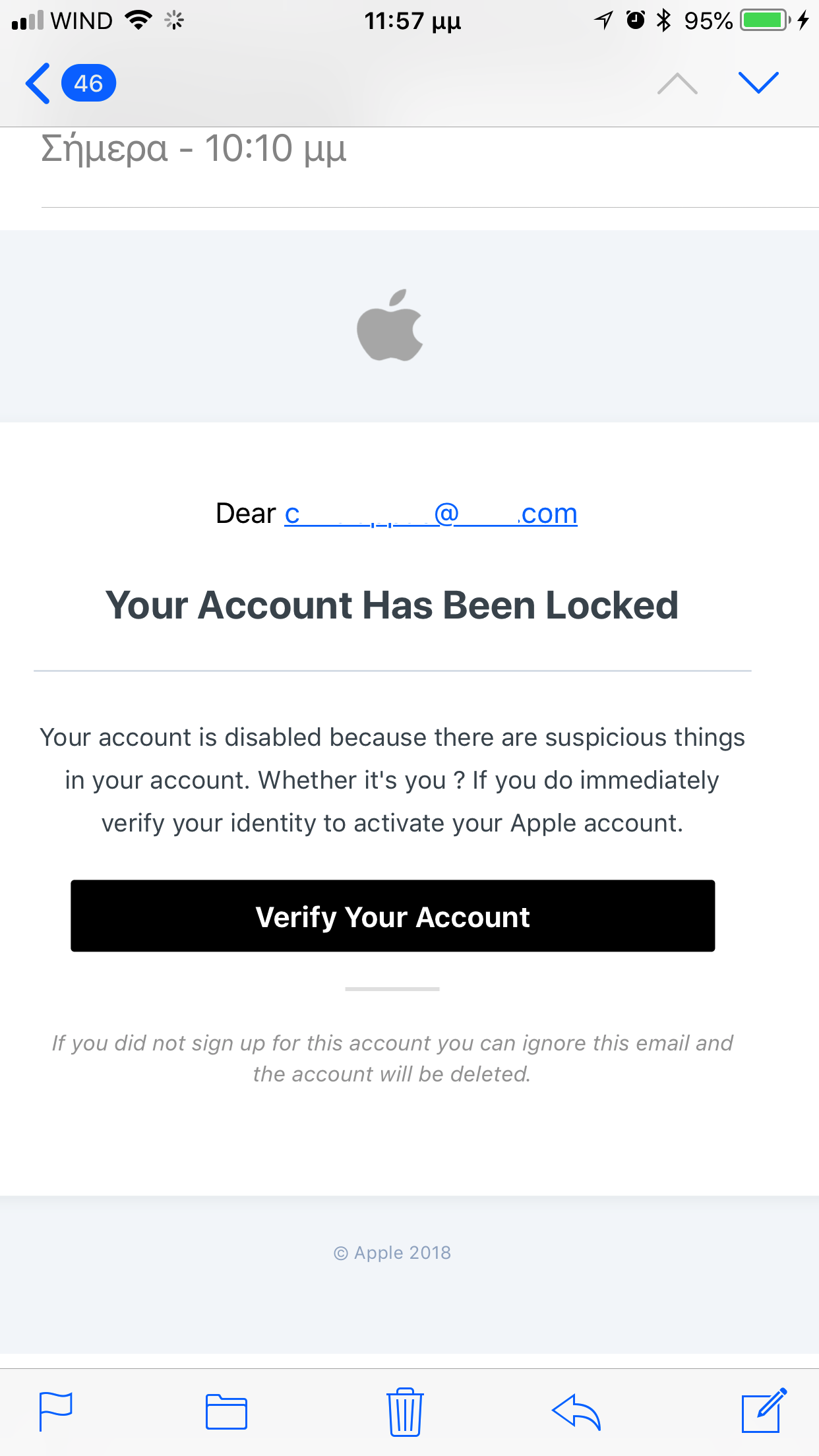
A sophisticated, large-scale fraud operation is leveraging Telegram's seemingly benign Mini App feature to orchestrate extensive crypto scams, impersonate major brands, and deliver Android malware. This illicit platform, dubbed FEMITBOT, creates highly convincing in-app experiences directly within the messaging platform, significantly expanding the attack surface for unsuspecting users.
The U.S. Cybersecurity and Infrastructure Security Agency (CISA) has issued an urgent warning, adding a nine-year-old Linux local privilege escalation (LPE) flaw, tracked as CVE-2026-31431 and dubbed 'Copy Fail,' to its Known Exploited Vulnerabilities (KEV) catalog. This critical vulnerability allows unprivileged local users to gain root access and is actively being exploited in the wild. The bug, impactful across numerous Linux distributions and cloud environments, highlights a severe threat to system integrity and container security.
A critical cPanel authentication bypass vulnerability (CVE-2026-41940) is being mass-exploited as a zero-day, leading to widespread "Sorry" ransomware attacks. This ongoing campaign targets web hosting control panels, encrypting data on tens of thousands of compromised servers and demanding payment for decryption keys.

Newly reverse-engineered malware, dubbed Fast16, has been identified as a highly sophisticated state-sponsored cyberweapon, likely originating from the United States. Deployed against Iran years prior to the infamous Stuxnet attack, Fast16 uniquely manipulated high-precision calculations to induce subtle yet catastrophic failures in critical systems. This revelation sheds new light on the early history of nation-state cyber capabilities and offensive operations.
A sophisticated new phishing kit dubbed Bluekit has emerged, equipped with an integrated AI assistant and robust automation features designed to streamline credential theft and session hijacking. Discovered by Varonis, this rapidly evolving kit offers a comprehensive suite of tools for attackers, signaling a potential shift in the sophistication of readily available phishing tools.
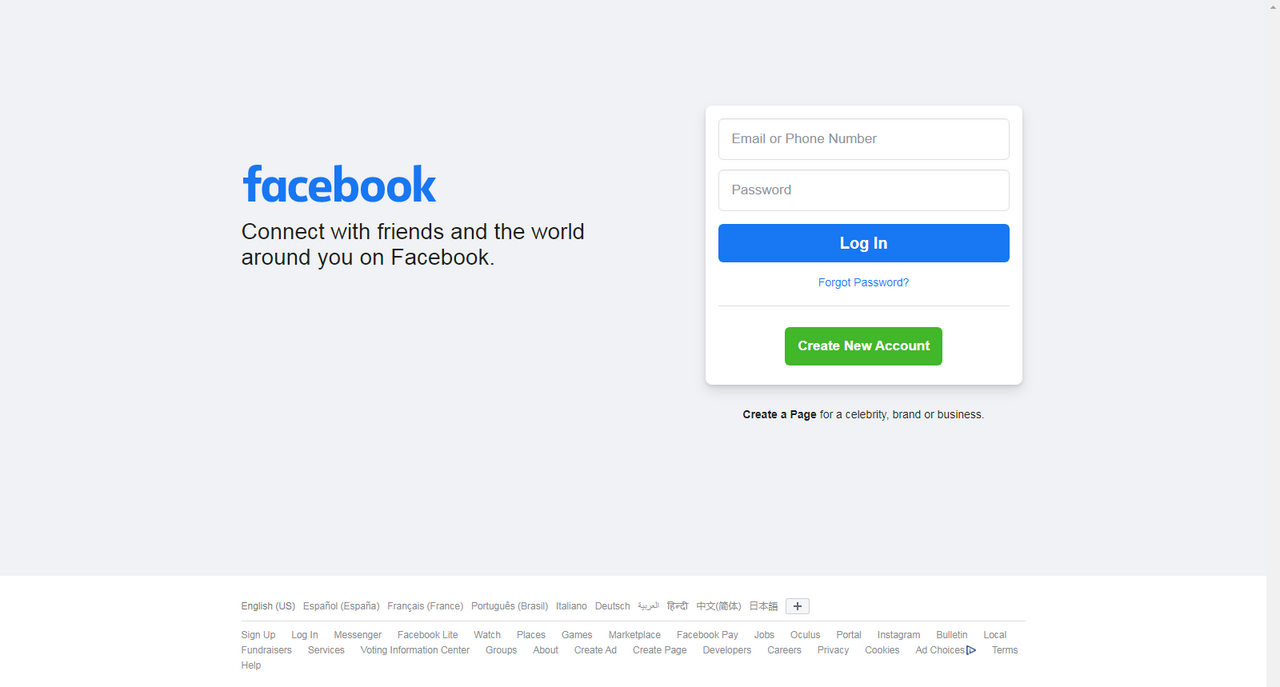
A sophisticated phishing campaign, codenamed "AccountDumpling," has successfully compromised approximately 30,000 Facebook accounts by leveraging Google AppSheet as a "phishing relay." This Vietnamese-linked operation bypassed traditional spam filters, targeting Facebook Business owners with convincing Meta Support lures to steal credentials and 2FA codes. The stolen accounts are subsequently sold on illicit underground marketplaces.

A shocking revelation has rocked the cybersecurity community as a ransomware negotiator pleaded guilty to secretly operating as a double agent for a criminal gang. This individual was ostensibly hired to help victims recover from attacks but was simultaneously aiding the very perpetrators.
A sophisticated supply chain attack, dubbed 'Mini Shai-Hulud,' has compromised over 1,800 developers across the PyPi, NPM, and PHP ecosystems. Attributed to TeamPCP, the campaign injected malicious code into popular packages like SAP NPM, Lightning PyPi, and intercom-client, designed to exfiltrate critical credentials and secrets.

Cisco has launched an open-source Model Provenance Kit designed to bolster the integrity and security of third-party AI models used by organizations. This new Python-based toolkit aims to mitigate significant risks such as model poisoning, inherent biases, and unverified claims from model developers by providing a robust 'fingerprint' for tracing AI model lineage.
A sophisticated new Python-based backdoor, dubbed Deep#Door, has been identified providing attackers with persistent remote command execution and extensive surveillance capabilities on Windows systems. This stealthy malware employs multi-layered persistence and advanced evasion techniques to bypass security controls and operate with a minimal forensic footprint. Its dual capability for espionage and destructive operations poses a significant threat to targeted organizations.

Two US cybersecurity professionals, formerly ransomware negotiators, have been sentenced to prison for their involvement in BlackCat and ALPHV ransomware attacks. Ryan Goldberg and Kevin Martin each received 4-year sentences after pleading guilty to conspiracy to commit extortion, highlighting a critical breach of trust within the industry. A third conspirator, Angelo Martino, awaits sentencing for his role in the scheme.