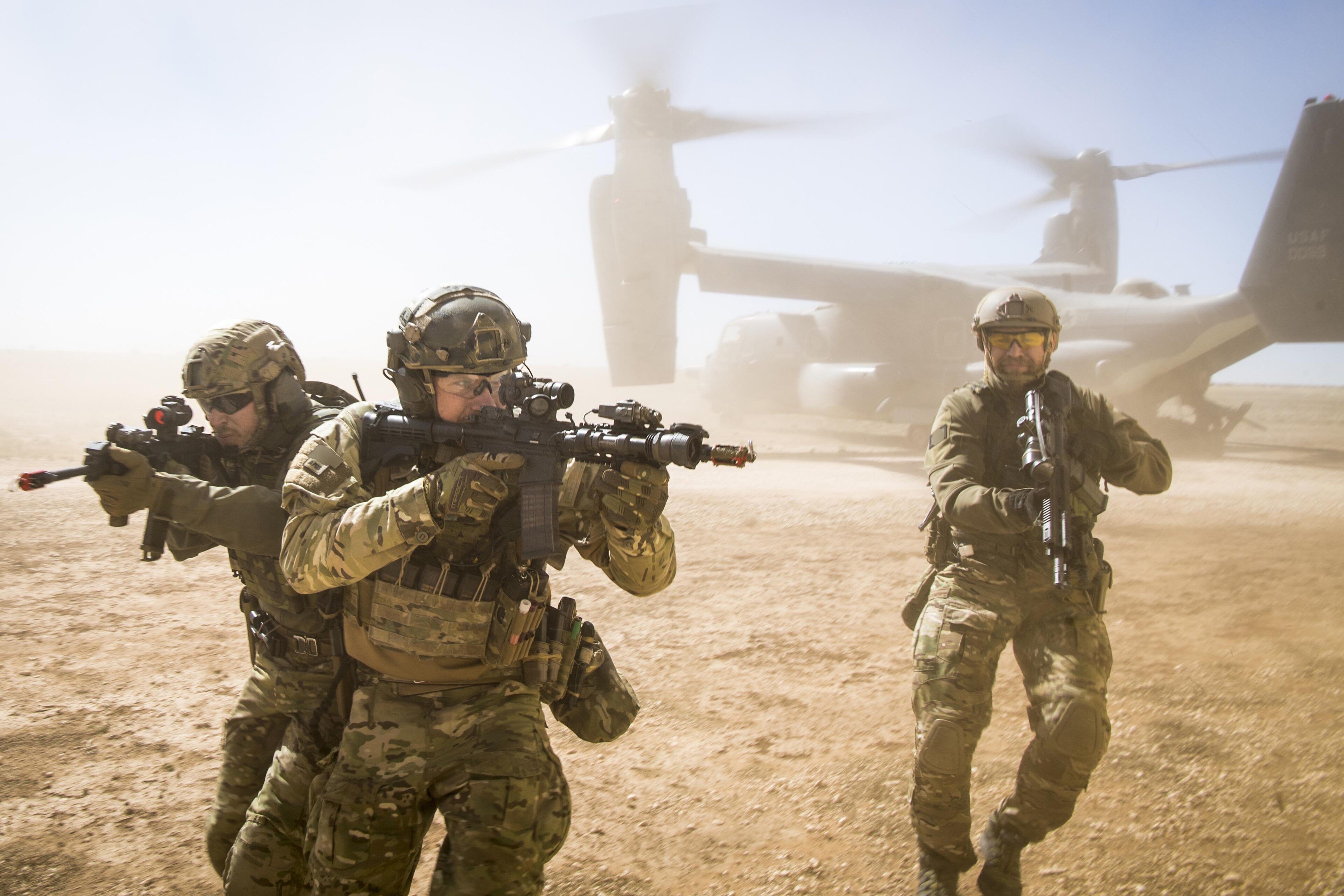
Western SF Exploit Italy's Resilient Underground for Training
- The cisterns' exceptional resilience, having withstood 150 Allied bombing runs during WWII, offers unparalleled realism for subterranean training.
- Their original design for holding aviation fuel suggests a vast, intricate internal layout, posing complex navigation and operational challenges.
- Continued post-WWII use by the Italian Air Force highlights the structures' enduring integrity and strategic utility over decades.
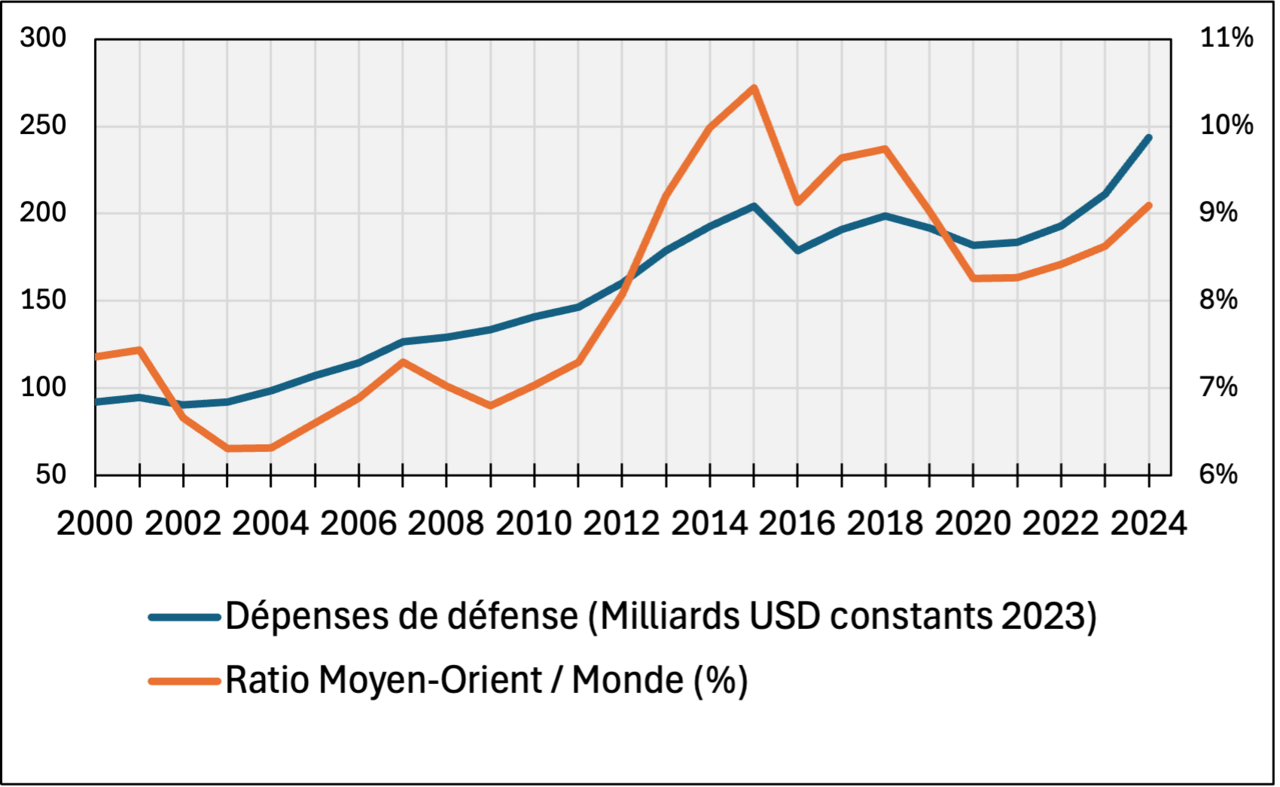
Lawmakers are voicing strong concerns over the Department of Defense's refusal to provide detailed accounting for the ongoing conflict with Iran, even as the administration seeks a significant defense allocation approaching one and a half trillion dollars for the upcoming fiscal year. This lack of transparency is hindering congressional oversight and budget reconciliation efforts amidst questions about the conflict's legal basis. The dispute underscores a deeper tension regarding executive authority and legislative accountability in wartime spending.

A collaborative investigation has revealed a Colombian political figure's ties to an extremist Active Club group. This research, drawing on open-source intelligence, highlights a public display where individuals associated with the group replaced existing street art with their own imagery, including a symbol linked to the politician. The incident raises significant concerns about the infiltration of far-right ideologies into political spheres in the region.

Advanced language models have demonstrated an unprecedented capability to embed secret messages within seemingly innocuous text. This development introduces a sophisticated new vector for covert communication, posing significant challenges for intelligence agencies and cybersecurity professionals tasked with monitoring information flows.

Google has confirmed the emergence of a zero-day exploit developed with the assistance of artificial intelligence, signaling a significant shift in the cyber threat landscape. This unprecedented discovery, detailed in a new report, highlights the immediate operationalization of advanced AI by sophisticated cybercriminal elements.

Education technology provider Instructure has confirmed that a critical security flaw in its widely used Canvas learning management system was exploited, allowing threat actors to alter login portals. This intrusion, stemming from a cross-site scripting vulnerability, escalated into an overt extortion attempt following an initial data breach. The incident highlights persistent challenges in securing platforms vital to academic and organizational operations.

The speed of vulnerability exploitation has plummeted to mere hours, fundamentally reshaping the cybersecurity landscape. This dramatic acceleration renders traditional, human-centric purple teaming exercises largely ineffective against modern, rapid threat actors. Organizations face a critical challenge as their defense mechanisms struggle to keep pace with the evolving attack clock.

The U.S. Navy's latest shipbuilding strategy outlines a significant policy shift, indicating a willingness to explore international construction for specific portions of its future fleet. This pragmatic approach is driven by ambitious fleet expansion goals and recognized challenges within the domestic defense industrial base, aiming to accelerate procurement and diversify manufacturing capacity.

US Special Operations Command is advancing its tactical intelligence capabilities by adopting a new commercial software platform designed to deliver unclassified satellite imagery directly to frontline personnel. This initiative represents a significant push to integrate commercial space assets for enhancing situational awareness and operational responsiveness at the tactical edge. The system is engineered to dramatically shorten the intelligence cycle for special operators in dynamic environments.

A recently unveiled local privilege escalation vulnerability impacting key Linux systems, dubbed Dirty Frag, may already be under active exploitation. This flaw allows an unprivileged user to gain root access, posing a significant threat to system integrity and data security across various deployments.
Cloudflare, a prominent web performance and security firm, has initiated a substantial global workforce reduction affecting over a thousand employees, signaling a major strategic pivot towards AI-driven operations. This restructuring is not merely a cost-cutting exercise but a proactive redefinition of its organizational architecture to align with what company leaders characterize as a new, highly autonomous phase of AI integration, aiming to profoundly integrate artificial intelligence into its core functions.
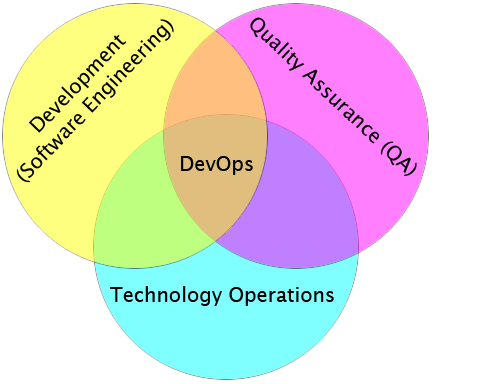
The escalating threat of supply chain compromises, exemplified by recent major incidents, reveals significant limitations in current application security practices, particularly within the CI/CD pipeline. As adversaries increasingly target the build process to inject malicious code and exfiltrate sensitive data, a paradigm shift toward real-time build environment protection is emerging.

Frame Security has officially launched its operations, securing a substantial capital infusion to advance its AI-driven platform for managing human-centric cybersecurity risks. The company aims to redefine security awareness and training by targeting individual vulnerabilities within an organization's digital defenses.