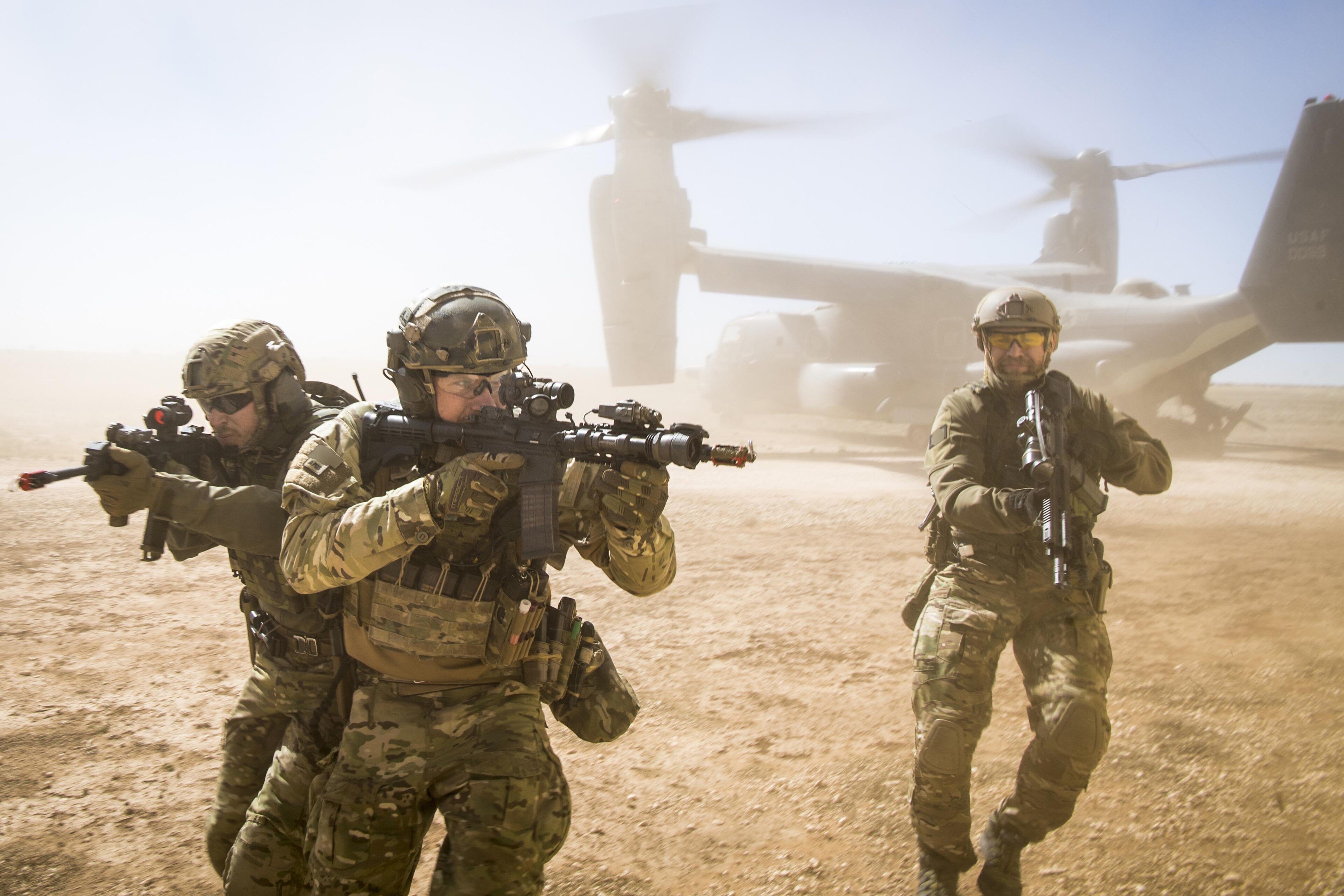
Western SF Exploit Italy's Resilient Underground for Training
- The cisterns' exceptional resilience, having withstood 150 Allied bombing runs during WWII, offers unparalleled realism for subterranean training.
- Their original design for holding aviation fuel suggests a vast, intricate internal layout, posing complex navigation and operational challenges.
- Continued post-WWII use by the Italian Air Force highlights the structures' enduring integrity and strategic utility over decades.
A major technology company has disclosed the identification of a zero-day exploit, assessed with high confidence to have been developed using an artificial intelligence model, marking a significant escalation in offensive cybersecurity capabilities. This groundbreaking event potentially represents the first known instance of AI being leveraged in the wild for both vulnerability discovery and exploit generation, specifically circumventing two-factor authentication systems on a popular web administration tool.

A recently disclosed critical vulnerability in cPanel and WebHost Manager is now under active, widespread exploitation by threat actors, leading to the deployment of sophisticated, cross-platform backdoors. This flaw, tracked as CVE-2026-41940, allows for authentication bypass and elevated control, presenting a significant risk to web hosting infrastructure globally. Intelligence reports confirm numerous automated attacks targeting this weakness across various systems since its public disclosure.

Canada is actively pursuing a significant expansion of defense and industrial ties with Turkey, signaling a strategic pivot towards strengthening alliances among middle-power nations. This move reflects Ottawa's proactive approach to global security, aiming to build collective strength and shared industrial capacity outside traditional frameworks.
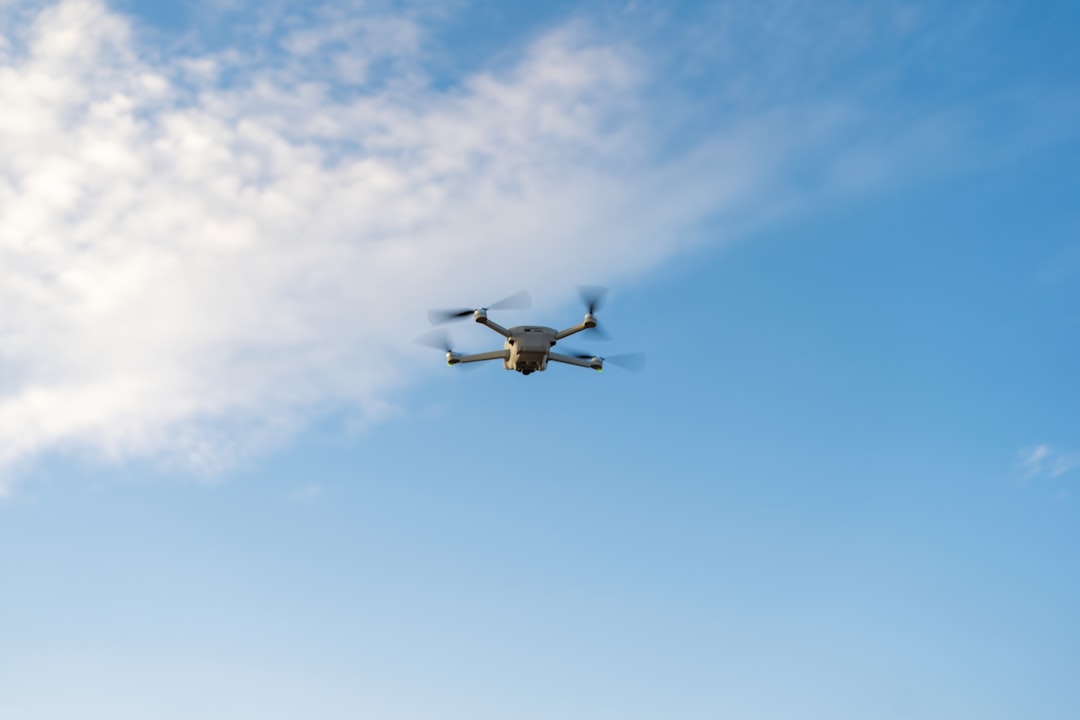
The United States has initiated a significant anti-drone pilot program, designating multiple strategic military installations to test advanced counter-UAS capabilities. This initiative aims to bolster homeland defense against unauthorized aerial incursions by integrating cutting-edge technologies. The selection of these sites underscores a national imperative to address evolving threats from small unmanned aircraft.
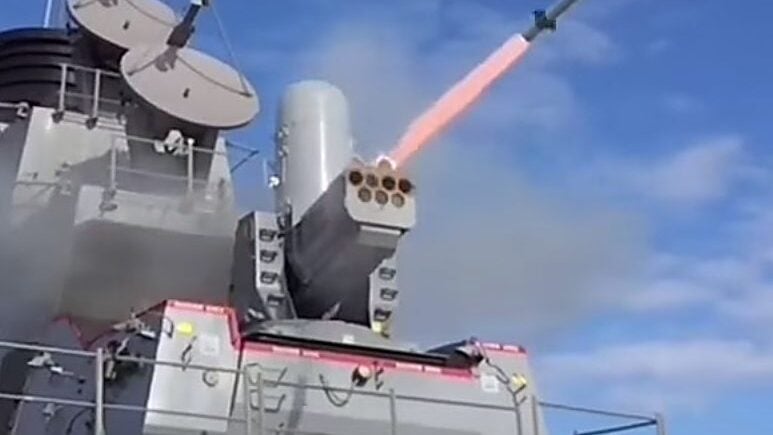
Australia is set to significantly bolster its naval self-defense capabilities with the adoption of Raytheon's SeaRAM system for its next-generation frigates. This strategic integration marks a critical step in modernizing the Royal Australian Navy's fleet and enhancing its layered defense against evolving airborne threats.

Swedish defense firm Saab has unveiled a potent new anti-armor round for its Carl-Gustaf system, designed to defeat advanced reactive protection found on contemporary battle tanks. This development coincides with a significant expansion of the company's manufacturing footprint, establishing new production hubs in both the United States and India to bolster global supply resilience and meet increasing demand.

Identity management giant SailPoint has disclosed a security incident involving unauthorized access to its GitHub repositories, prompting concerns over potential software supply chain vulnerabilities. The compromise, which was quickly contained, originated from a weakness in a third-party application, highlighting persistent risks in extended enterprise ecosystems.
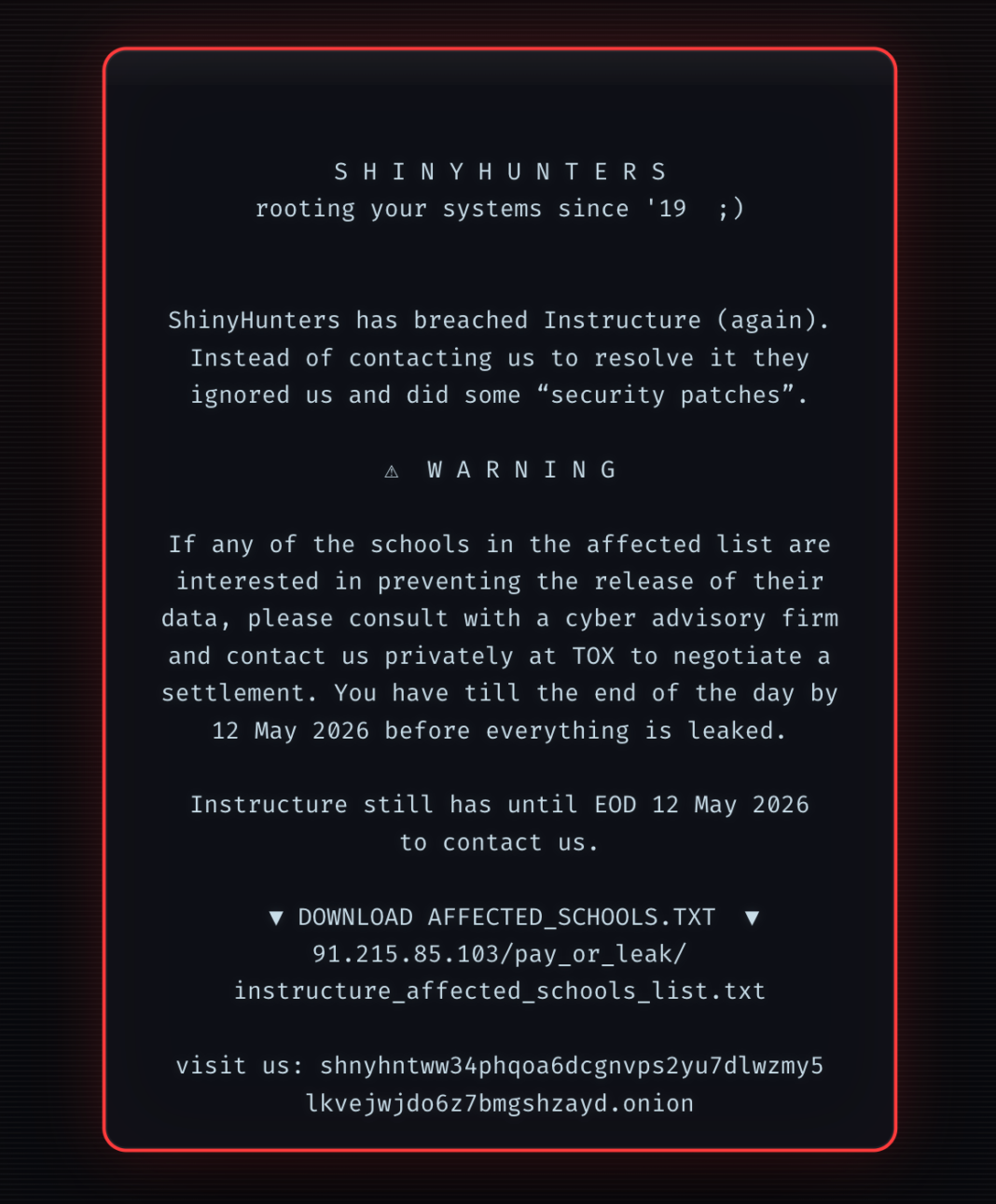
Automotive giant Skoda has publicly acknowledged a cybersecurity breach impacting its online shop customer data. The incident, linked to an exploited software vulnerability, may have exposed personal identifying information (PII) for an unquantified number of users.

A sophisticated Android banking malware, TrickMo, has evolved to integrate The Open Network (TON) blockchain for its command-and-control infrastructure. This strategic shift significantly enhances the malware's evasion capabilities, making detection and takedown efforts considerably more challenging for security teams and law enforcement agencies alike.
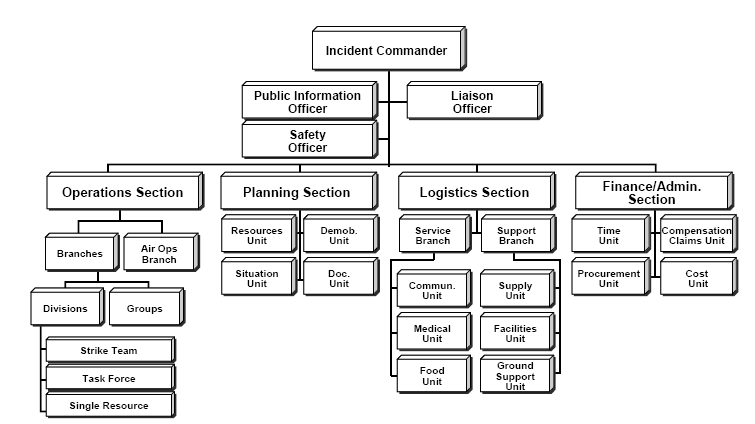
The evolving landscape of cyber threats, characterized by sophisticated AI-driven social engineering and legitimate platform exploitation, is rendering traditional prevention-centric security models increasingly insufficient. Defense strategists and IT professionals are now urged to integrate robust recovery and business continuity planning as a foundational component of modern cyber resilience. This shift acknowledges that even the most fortified perimeters can be breached, necessitating a proactive focus on rapid operational restoration.
Google's threat intelligence group has identified what it believes to be the inaugural instance of a zero-day exploit entirely generated by an artificial intelligence model. This groundbreaking development targeted a widely adopted open-source web administration utility, underscoring a significant escalation in the sophistication of adversarial cyber capabilities.

Despite common intuition, merely resetting user passwords often fails to dislodge sophisticated adversaries from compromised Active Directory environments. This critical gap in incident response allows attackers to maintain a persistent foothold, exploiting fundamental architectural nuances within both on-premises and hybrid identity infrastructure.