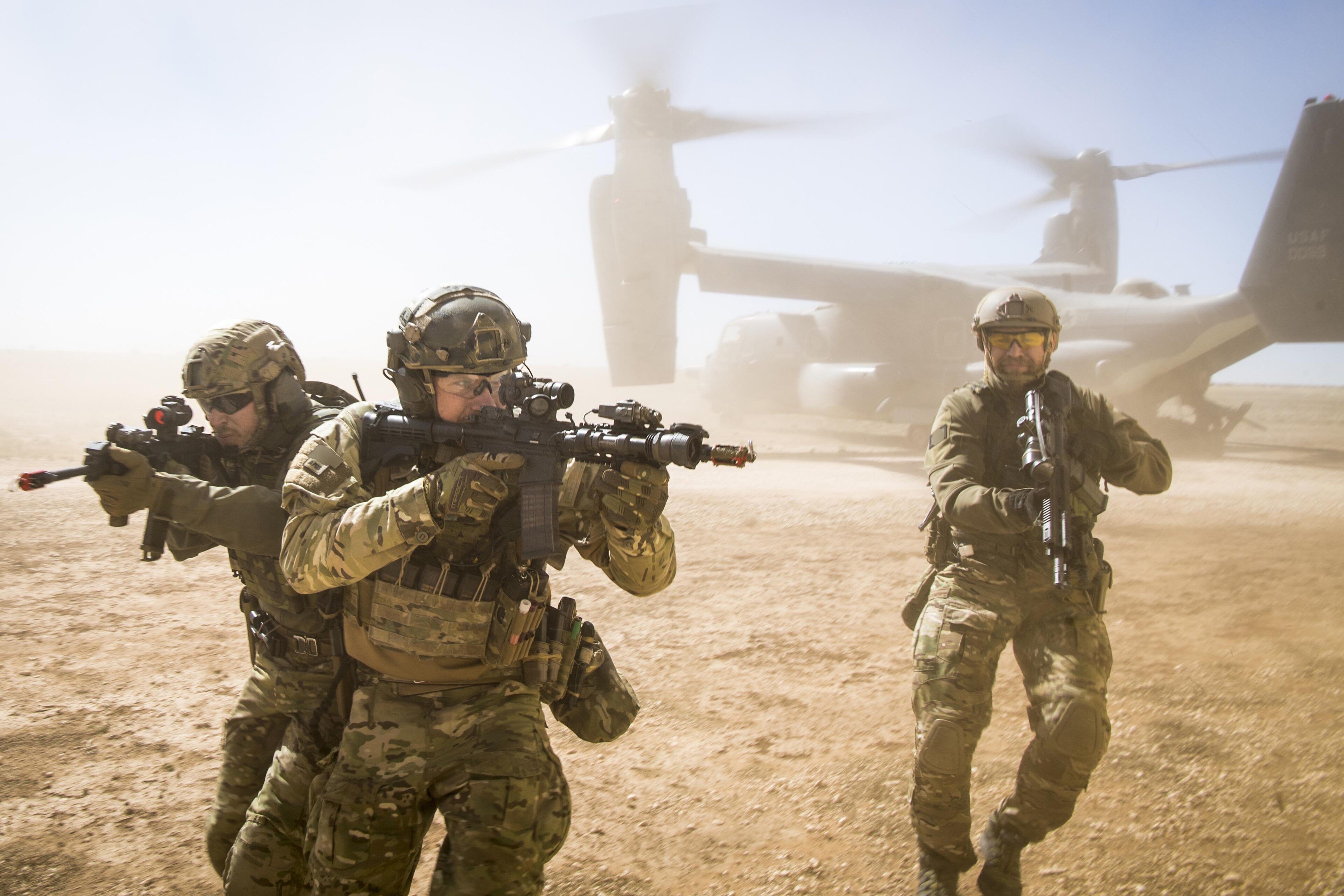
Western SF Exploit Italy's Resilient Underground for Training
- The cisterns' exceptional resilience, having withstood 150 Allied bombing runs during WWII, offers unparalleled realism for subterranean training.
- Their original design for holding aviation fuel suggests a vast, intricate internal layout, posing complex navigation and operational challenges.
- Continued post-WWII use by the Italian Air Force highlights the structures' enduring integrity and strategic utility over decades.

A sophisticated new variant of the TrickMo Android banking trojan has emerged, leveraging The Open Network (TON) blockchain for its command-and-control infrastructure. This evolution transforms compromised mobile devices into stealthy network pivots and traffic-exit nodes, significantly enhancing the threat actor's operational resilience and evasion capabilities.

The Pentagon's Chief Digital & AI Officer detailed the extensive deployment of the Maven Smart System during recent air operations against Iran, revealing a dramatic increase in its application for target identification and mission execution. This expanded reliance underscores the military's growing integration of artificial intelligence into critical battlefield decision-making processes.
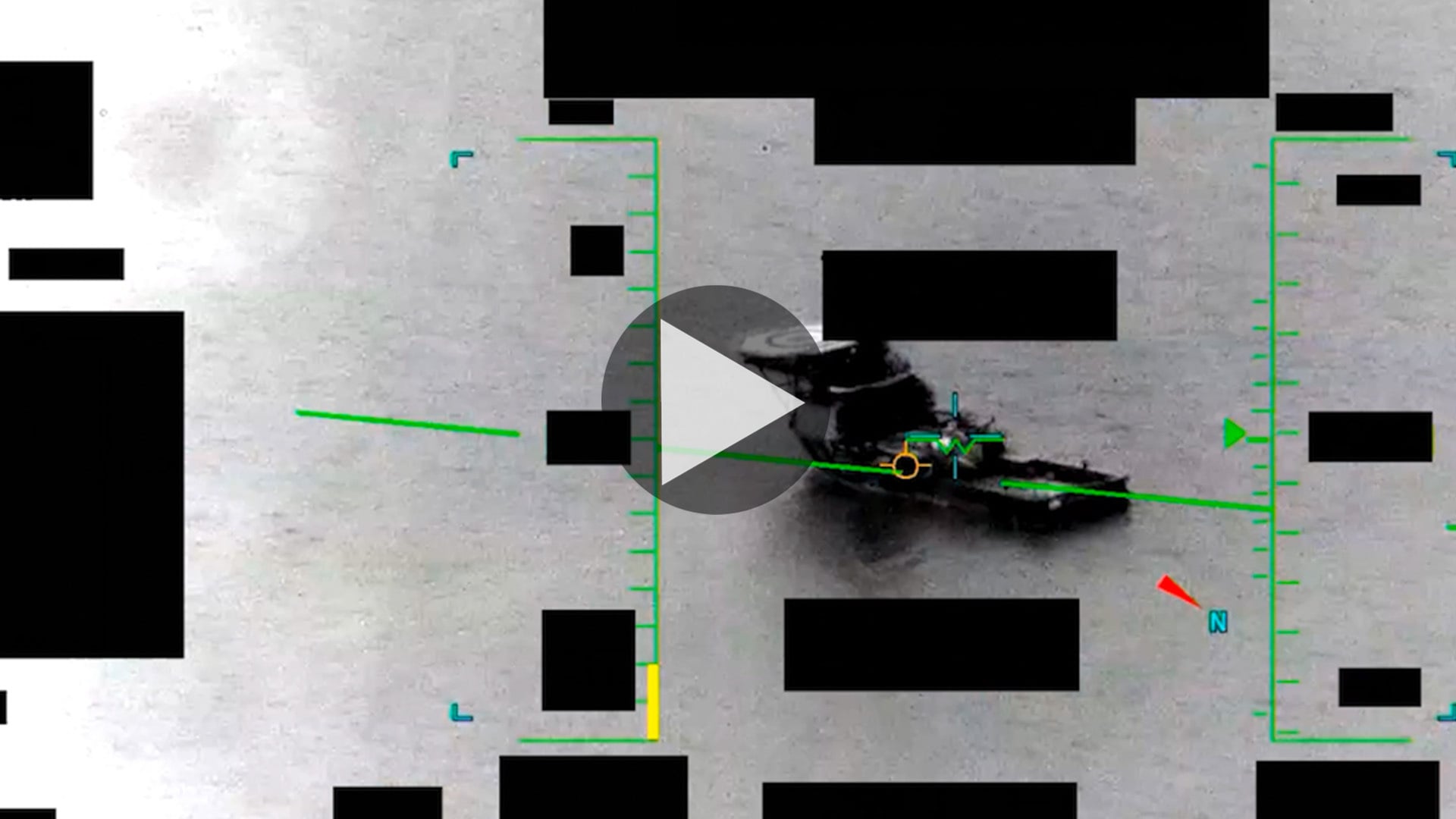
The Pentagon recently unveiled a new collection of imagery related to Unidentified Anomalous Phenomena, offering a glimpse into long-held observations, some dating back decades. This release provides a fresh perspective on the data considered by defense intelligence. Separately, a firsthand account details the operational experience of navigating the advanced CV90 armored combat vehicle in the challenging northern Swedish landscape.
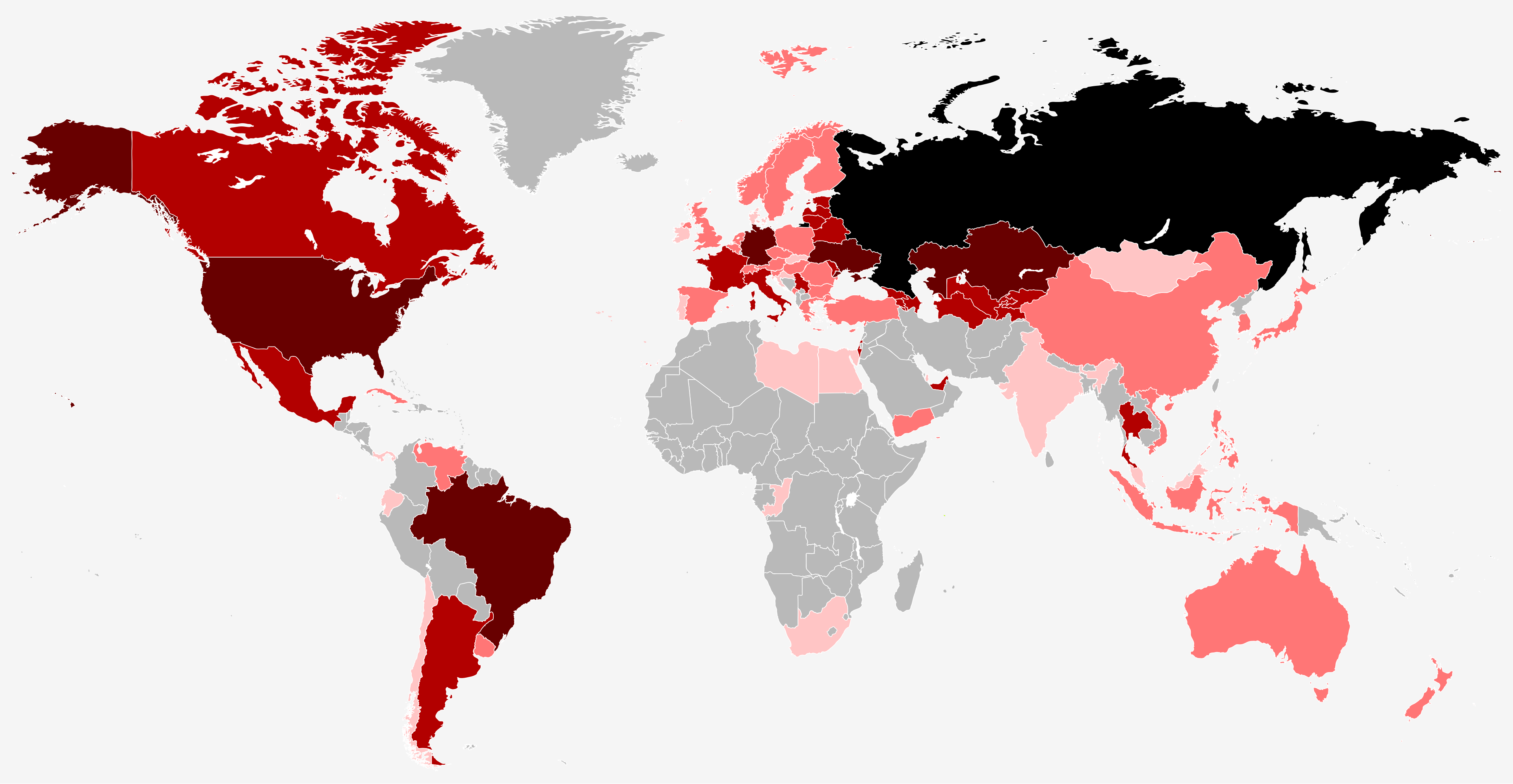
Russia's recent Victory Day parade in Red Square was notably subdued, departing significantly from its historical displays of formidable military hardware and personnel. This marked shift, interpreted by defense analysts, underscores Moscow's deep security concerns rather than its intended projection of power. The event's modest scale suggests an implicit acknowledgment of Ukraine's persistent and evolving long-range strike capabilities.
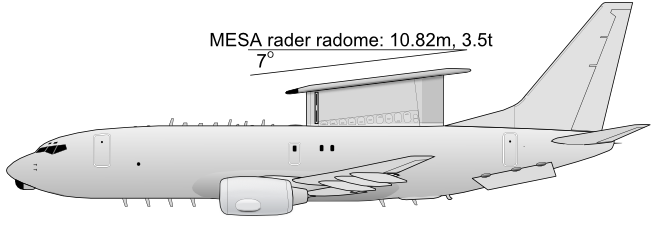
The Pentagon has reversed its earlier decision to cease funding for the E-7 Wedgetail airborne early warning aircraft, signaling a critical shift in defense acquisition strategy. This unexpected policy change follows intense congressional pressure and a re-evaluation of indispensable battlefield capabilities. Defense officials now acknowledge specific operational gaps that the E-7 platform is uniquely positioned to address.
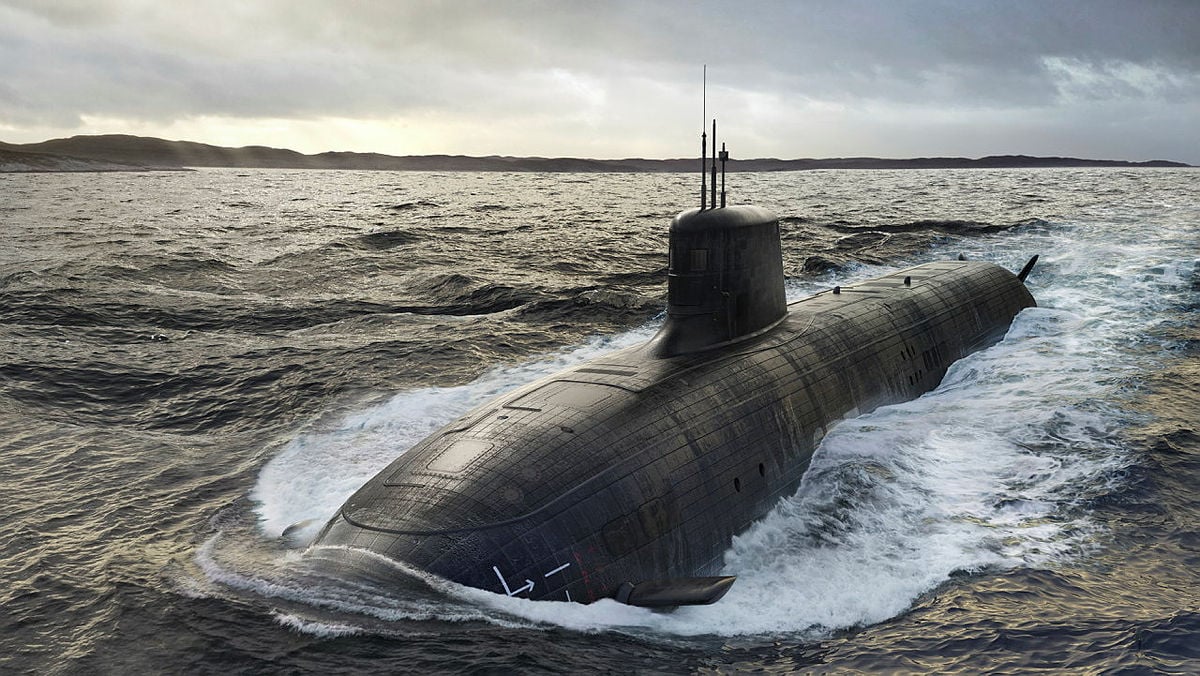
Canberra has unveiled a substantial defense appropriation for the upcoming fiscal year, committing over $45 billion US dollars to bolster its national security. This significant financial commitment highlights Australia's strategic focus on modernizing its military and expanding its regional influence, with particular emphasis on high-tech submarine acquisition and advanced offensive capabilities.

The financial burden of the ongoing conflict with Iran has escalated significantly, with Pentagon officials now estimating operational expenditures at approximately $29 billion. This substantial increase, announced during recent congressional testimony, primarily reflects the costs associated with repairing and replacing critical military hardware, notably excluding any damage to infrastructure.

During a recent NATO exercise in Latvia, cutting-edge unmanned ground vehicles (UGVs) and aerial drones encountered significant operational hurdles. Extensive trials at the brigade level revealed that the region's dense woodlands severely disrupt crucial communication links, challenging the deployment of autonomous systems.
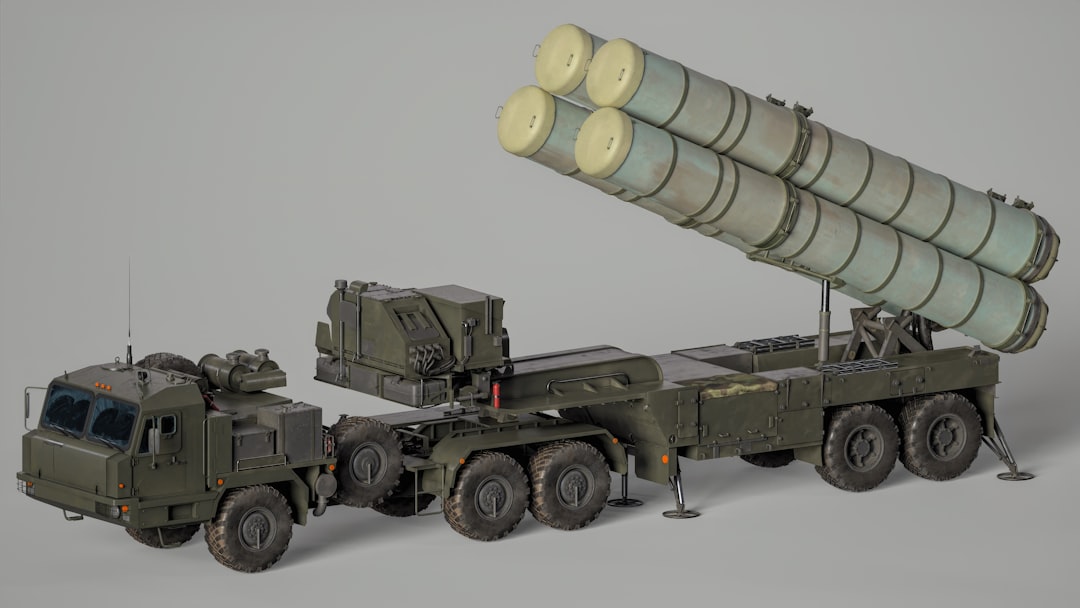
A significant strategic development unfolded in the Indo-Pacific recently as Japanese forces conducted their inaugural overseas firing of a Type 88 surface-to-ship missile. This unprecedented event, part of the annual Balikatan exercise in the Philippines, saw the missile successfully sink a decommissioned Philippine vessel, signaling a new phase in regional defense cooperation and Japan's evolving security posture.
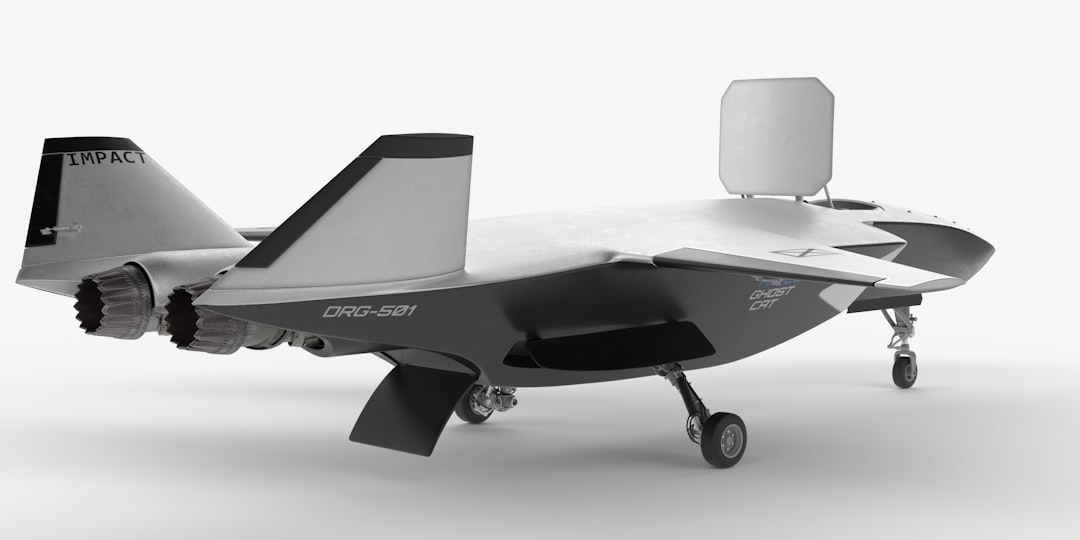
The U.S. Navy has published a detailed long-range shipbuilding strategy, marking a definitive commitment to integrate unmanned maritime systems into its core fleet structure alongside the reintroduction of a new class of powerful battleships. This comprehensive multi-decade plan outlines specific acquisition targets for autonomous vessels, moving beyond conceptual discussions to concrete procurement schedules.

A groundbreaking missile defense initiative, dubbed 'Golden Dome,' is projected to incur an astronomical cost of over a trillion dollars, according to a recent assessment by congressional budget analysts. This figure drastically surpasses the administration's current budget allocations, raising significant questions about the program's financial viability and scope. The disparity highlights a growing chasm between strategic ambitions and fiscal realities for such expansive defense projects.

A prominent voice in the House Intelligence Committee is advocating for immediate intelligence community access to cutting-edge AI models, deeming it critical for national security operations. This push comes amidst internal administration discussions regarding the oversight and evaluation of these powerful new technologies. The evolving landscape underscores a strategic shift in how the U.S. government approaches AI development and integration for defense.