Military & Defense
454 articles · Coverage updated continuously

Lt. Gen. Douglas Schiess is reportedly the presumptive nominee to become the next Chief of Space Operations for the U.S. Space Force, according to Defense One. If confirmed, Schiess, currently the deputy chief of space operations for operations, would succeed Gen. Chance Saltzman as the service’s top uniformed leader. This move comes as the Space Force continues to expand its mission and budget in a contested domain.

A powerful multilateral live-fire exercise featuring US Marines, Philippine, Australian, and New Zealand forces successfully repelled a simulated amphibious invasion on Palawan, an island crucial to South China Sea defense. This keystone event of Exercise Balikatan 2026 underscored allied resolve to uphold a rules-based international order amid escalating regional tensions.

French defense firms Safran and MBDA successfully test-fired their new Thundart rocket-artillery munition this month, with an ambitious target of delivering the first systems as early as 2029. This development aims to replace France's aging Lance-Roquettes Unitaire systems and secure a sovereign long-range land strike capability, deemed indispensable for the Army in high-intensity conflicts.

U.S. President Donald Trump confirmed discussions with Russian President Vladimir Putin regarding a possible ceasefire in Ukraine, following Kremlin reports that Putin proposed a temporary truce for the upcoming World War II anniversary. The lengthy phone call, described as friendly, also touched upon Iran's nuclear program, where Trump redirected Putin's offer of assistance to prioritize ending the Ukraine conflict.

Defense Secretary Pete Hegseth fiercely defended the ongoing Iran war and lambasted congressional critics as 'reckless, feckless and defeatist' during a contentious budget hearing. The heated exchange occurred as a critical 60-day War Powers Act deadline approaches, requiring presidential action on the conflict's authorization or troop withdrawal. Hegseth also presented a massive $1.45 trillion budget request, the largest in modern history.

Facing a significant shortfall in its global amphibious presence, the U.S. Navy has officially extended the service life of the amphibious assault ship USS Wasp (LHD-1) by five years, pushing its retirement to 2034. This decision signals a broader strategic push to bolster the fleet's operational readiness and meet escalating combatant commander demands for amphibious forces, as the Navy and Marine Corps evaluate similar extensions for other critical vessels.

In a significant shift, US Space Command (SPACECOM) will not submit an Unfunded Priority List (UPL) for Fiscal Year 2027, signaling confidence in the Trump administration's proposed $1.5 trillion defense budget. A SPACECOM spokesperson confirmed that existing allocations are sufficient to meet their highest priority requirements, citing 'generational investment' in space capabilities. This decision marks a departure from previous years, when the command typically requested billions in additional funds.

The U.S. Marine Corps is set to begin officially fielding its new Organic Precision Fires-Light (OPF-L) launched effects capabilities to operational units starting in June. This significant deployment will equip dismounted infantry squads with easily portable precision strike capabilities, enabling engagement beyond line of sight. Systems from Anduril, AeroVironment (AV), and Teledyne are currently being tested, with live warheads slated for delivery alongside inert training systems.

Pentagon officials disclosed a $25 billion price tag for two months of military operations against Iran during a House Armed Services Committee hearing. This initial estimate, largely attributed to munitions, has immediately sparked skepticism from both lawmakers and defense analysts who believe the actual cost may be significantly higher, given earlier projections and known equipment losses.
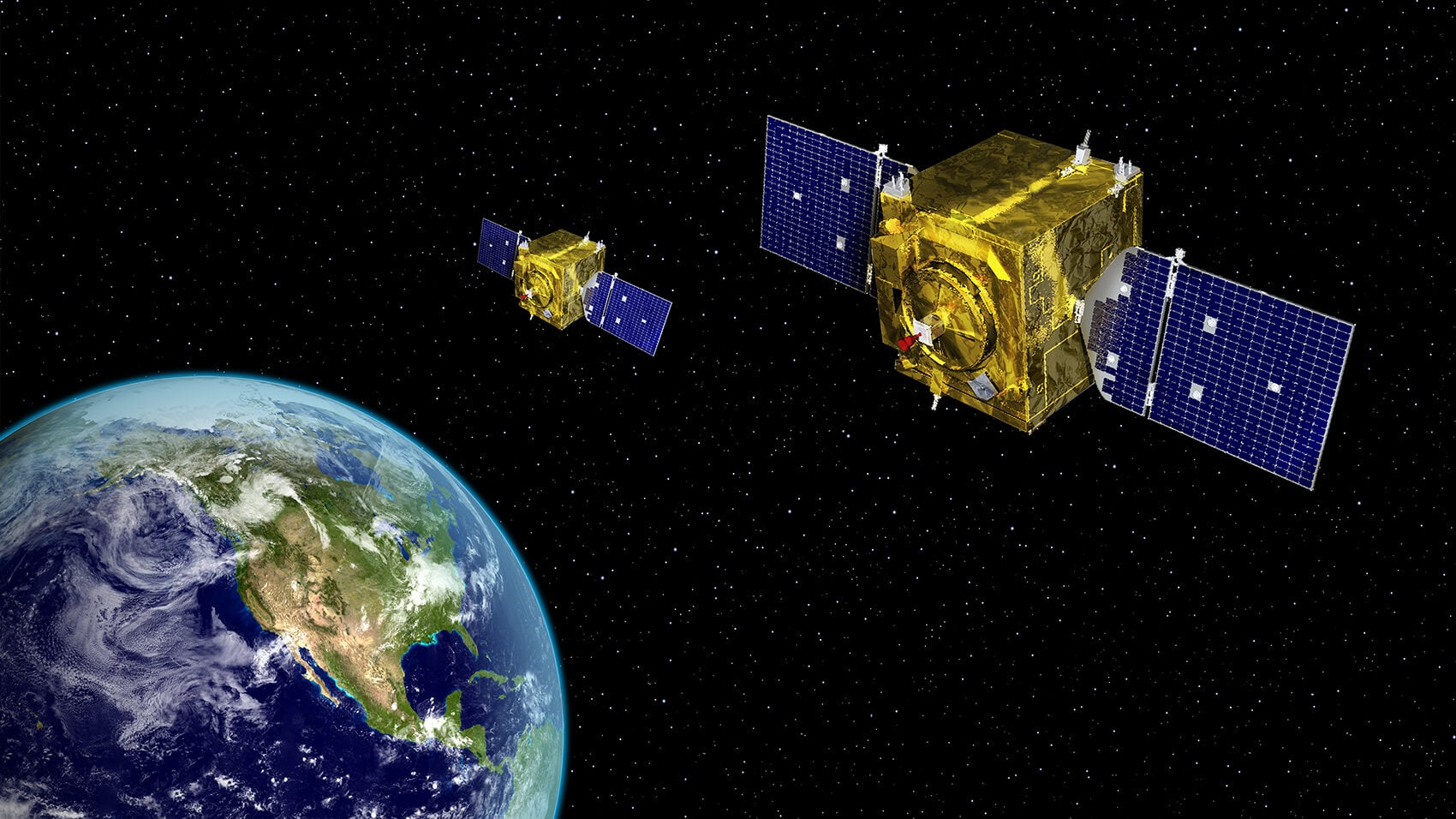
The Space Rapid Capabilities Office (Space RCO) has awarded initial contracts totaling $9 million to three small businesses for developing advanced radar warning receivers. These critical payloads will equip future highly maneuverable satellites in geosynchronous Earth orbit (GEO), enhancing the Space Force's ability to detect and characterize ground-based radar emissions that could signify a threat. This effort significantly boosts "own-ship awareness" for U.S. national security assets in space.

The Defense Department has already incurred an estimated $25 billion in operational costs during the first 60 days of its conflict with Iran, a figure disclosed by the Pentagon's comptroller during a recent congressional hearing. This revelation immediately sparked intense scrutiny from lawmakers, who questioned both the administration's strategic objectives and the Pentagon's capacity to manage a substantial supplemental budget request. The disclosure marks the first public accounting of Operation Epic Fury's financial impact.

The U.S. Navy is developing next-generation sonobuoys specifically engineered to detect increasingly stealthy Russian and Chinese submarines, marking a significant advancement in anti-submarine warfare capabilities. These advanced sensors are designed to withstand extreme forces, including impacts reaching 100G upon hitting the ocean surface, ensuring reliable deployment in contested environments. This technological leap aims to strip adversary submarines of their acoustic advantage, critical for maintaining undersea dominance.