The Defense Department has spent an estimated $25 billion in 60 days of operations against Iran so far, the Pentagon’s comptroller said during a congressional hearing Wednesday.
The administration plans to send a supplemental budget request to Congress to cover spent munitions and operational costs once they’re more fully fleshed out, Jay Hurst, the official performing the duties of the Pentagon’s chief financial officer, told House Armed Services Committee lawmakers during testimony on the department’s 2027 budget request.
“Okay, interesting…I'm glad you answered that question, because we've been asking for a hell of a long time, and no one's given us the number,” Rep. Adam Smith, D-Wash., told Hurst. “So if you could get those details over to us, that would be great.”
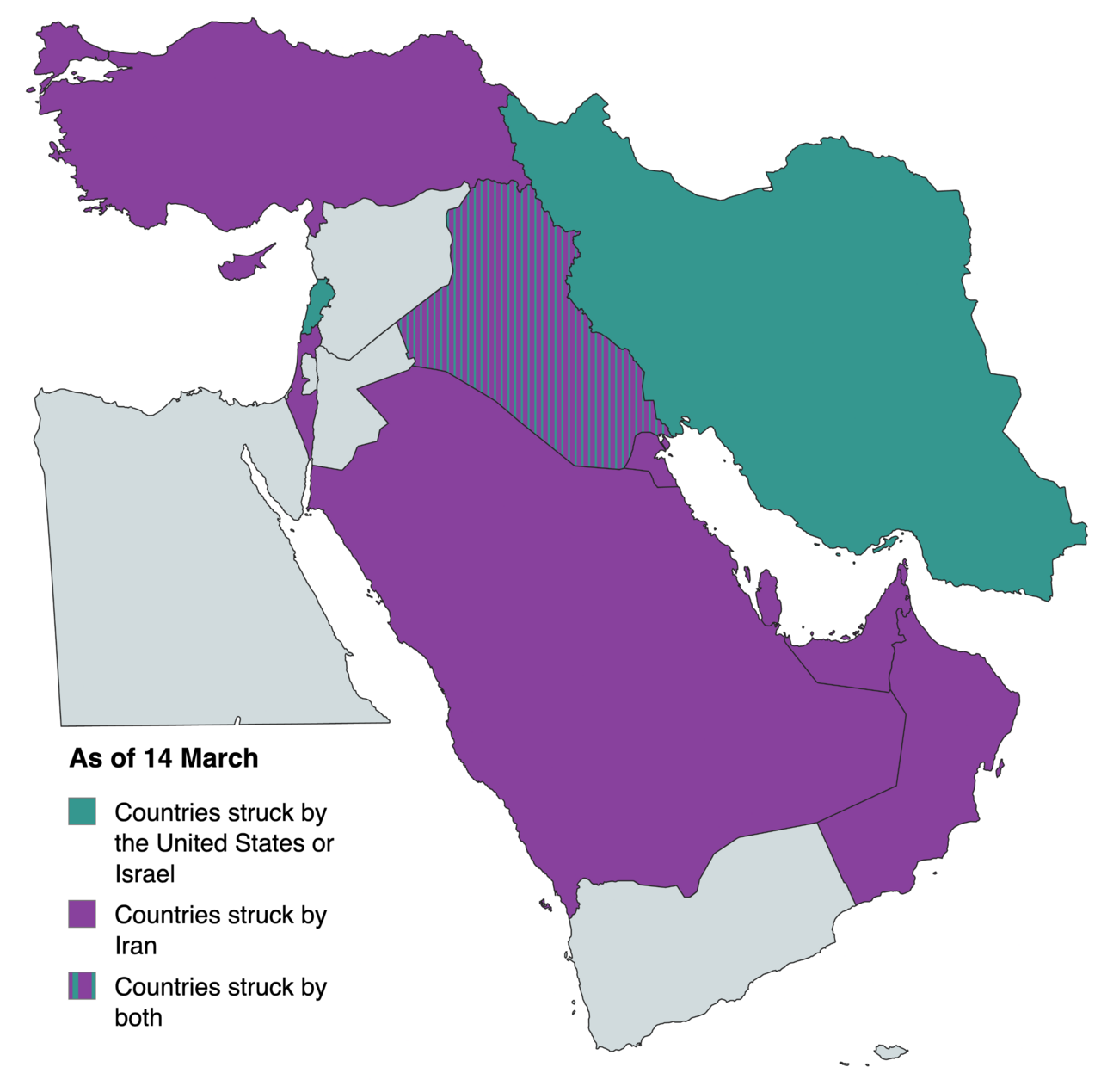
The hearing also marked the first time Defense Secretary Pete Hegseth and Gen. Dan Caine, the chairman of the Joint Chiefs of Staff, have publicly answered questions from Congress since Operation Epic Fury began Feb. 28. Lawmakers dug into the Pentagon’s most recent budget request, as well as the war with Iran, the blockade of the Strait of Hormuz, and the status of negotiations to end both.
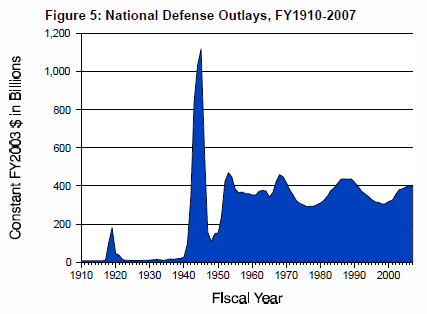
“For the first time in over 40 years, we've been presented a budget that accounts for the true cost of American deterrence,” HASC Chairman Rep. Mike Rogers, D-Ala., said of the $1.5 trillion defense spending proposal for fiscal year 2027.
Increases in acquisition funding, operations and maintenance balance both modernization and readiness, he said, compared to past budgets that made near-term readiness tradeoffs in favor of focusing funding toward new technology.
“This will enable us to truly catch up in our modernization efforts, by quickly fielding new munitions, aircraft, ships, land, space and autonomous systems to replenish and expand our arsenal,” Rogers said.
But there are questions about how that 50-percent increase over last year’s budget will be spent. Last year, Hegseth promised during his first weeks in office that DoD would pass an audit by the end of the second Trump administration, but a Government Accountability Office report released last year found that the Pentagon hadn’t laid enough groundwork to change its accounting processes to meet that milestone.
“I think last year's bill put us on a good trajectory to get to the point where we can, in fact, innovate faster at scale,” Smith said. “But we’ve got a long way to go. Can the Pentagon really absorb another five, $600 billion, depending on what the supplemental and the reconciliation package are? I don't think so. We need to pay as much attention to how we're spending the money as to how much we're spending, and we never seem to do that.”
Smith then turned to the Iran war as a core reason to question how the Pentagon will spend the funding increase.
“And one of the big questions that we need to get answered today is, where is this going? What is the plan to achieve our objectives? We've seen the cost, and the cost is very, very high,” Smith said. “All we keep hearing, on the objectives, is we keep seeing all of the targets that we have struck.”
While that’s a laudable tactical accomplishment, he said, the stated purpose of the war has been to “fundamentally” change Iran, though the country continues to block the Strait of Hormuz and has not agreed to end its nuclear ambitions or conventional weapons programs.
“And most disturbingly, the president keeps telling us that it's over. What was it? A week ago, Friday, the President announced that Iran had agreed to give up their nuclear program, to give up their ballistic missile program, to stop support for terrorist groups, to re-open the Strait of Hormuz,” Smith said. “The only problem with that is literally none of that was true. He was completely making it up. Iran hadn't even agreed to meet with us.”
Hegseth deflected criticism of the administration’s Iran war strategy to service members, accusing lawmakers who questioned his leadership of spreading propaganda and bristling at the charge that he is leading the U.S. into another “quagmire.”
“The way you stain the troops when you tell them—two months in, Congressman—you should know better. Shame on you calling this a quagmire, two months into the effort, what they've undertaken, what they've succeeded, the success on the battlefield that could create strategic opportunities, the courage of a president to confront a nuclear Iran—and you call it a quagmire, handing propaganda to our enemies,” Hegseth said.
But lawmakers clarified that their issue is with the overall strategy, not the performance of the military.
“Their professionalism and selfless service are not in question and never have been,” Rep. Jim Garamendi, D-Calif., said. “What is in question is the purposes and the strategic direction of this war. Any unvarnished review of what is happening right now in the Middle East would reveal a geopolitical calamity, a strategic blunder resulting in worldwide economic crisis. The result of Trump's war of choice is a serious, self-inflicted wound to America. It will take years and a new administration to recover from the grave damage to our standing in the world, as well as our economy and our military.”