Surging defense spending means Eurosatory is bigger than ever this year, with the number of exhibitors rising 30% to more than 2,600, per the organizer.

Military & Defense
Original Briefing
Defense Buys Surge: CEO Warns of Impending Global Conflict
A stark warning from a prominent defense industry CEO suggests the current surge in military procurement may represent a final opportunity to acquire essential capabilities before the outbreak of significant conflict. This urgent call to action underscores heightened global anxieties and a perceived acceleration towards a more kinetic international environment. The backdrop is the record expansion of a major European defense exhibition, signaling a robust and rapidly growing demand for military hardware and services worldwide.
This escalating procurement pace and the accompanying rhetoric reflect a profound shift in the strategic landscape, moving beyond theoretical threat assessments to immediate operational readiness. It signifies a collective repositioning by nations in response to deteriorating geopolitical stability, the intensifying return of great power competition, and persistent regional flashpoints.
Key Intelligence Points
- A leading defense executive issued a potent caution regarding accelerated procurement, hinting at the imminence of large-scale hostilities.
- The Paris defense and security exhibition experienced unprecedented growth, reflecting a significant worldwide increase in defense sector activity.
- Exhibitor presence at the pivotal European show expanded by nearly one-third, featuring over two thousand six hundred participants.
- Global military expenditure is demonstrably rising, driven by nations actively bolstering their defensive and offensive capabilities.
- The prevailing sentiment suggests an urgent shift from long-term strategic planning to immediate military strengthening and readiness.
Advertisement
Intelligence Briefing
Why this matters: This executive warning forces a critical re-evaluation of current threat timelines and operational planning for military leaders and national security decision-makers. It implies a departure from gradual modernization cycles toward immediate readiness and accelerated procurement to address present, rather than future, vulnerabilities. For cybersecurity professionals, this signals increased targeting of defense supply chains and critical infrastructure as adversaries seek to undermine burgeoning military capabilities.
Editorial Analysis
The "last chance" pronouncement from a defense sector leader is not merely a marketing tactic; it reflects an industry-wide perception of impending geopolitical instability demanding rapid rearmament. This perspective drives a strategic imperative for nations to prioritize immediate acquisition of proven, off-the-shelf defense systems over protracted research and development cycles. The implication is a global shift towards shoring up existing arsenals and enhancing current readiness, potentially at the expense of investing in next-generation, unproven technologies. This impacts not only the scale of defense budgets but also the very nature of military innovation, favoring reliable and deployable solutions.
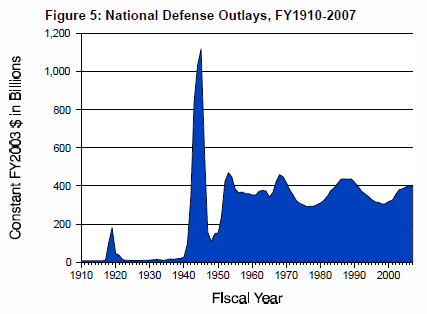
Historically, periods of significant defense industry expansion and such urgent rhetoric have often preceded major international conflicts or shifts in global power dynamics. This current surge suggests a prevailing belief among those closest to military capabilities that the world is entering a fundamentally more dangerous phase, demanding a radical recalibration of national security postures. It signals a move away from the post-Cold War era of "peace dividends" towards an environment where conventional deterrence and rapid response capabilities are paramount, fundamentally altering long-term strategic frameworks and resource allocation for national defense.
📰