The recent Berlin Air Show underscored a significant and urgent pivot towards bolstering air defense capabilities across Europe, directly driven by lessons from the protracted conflicts in Ukraine and the volatile security landscape of the Middle East. This strategic reorientation reflects a critical reassessment of vulnerability to aerial threats, emphasizing the immediate need for robust protection systems within the European defense posture. The expo also brought into focus details regarding ongoing Italian rotary-wing development, hinting at future offensive capabilities.
This heightened emphasis on both defensive and offensive aerial platforms signals a broader recalibration of military investment and doctrine in response to an increasingly contested operational environment. European nations are grappling with the imperative to secure their airspace against sophisticated and asymmetric threats, simultaneously advancing capabilities for force projection and deterrence.
Breaking Defense's Tim Martin and Elisabeth Gosselin-Malo cover Day 2 of the German aerospace expo.
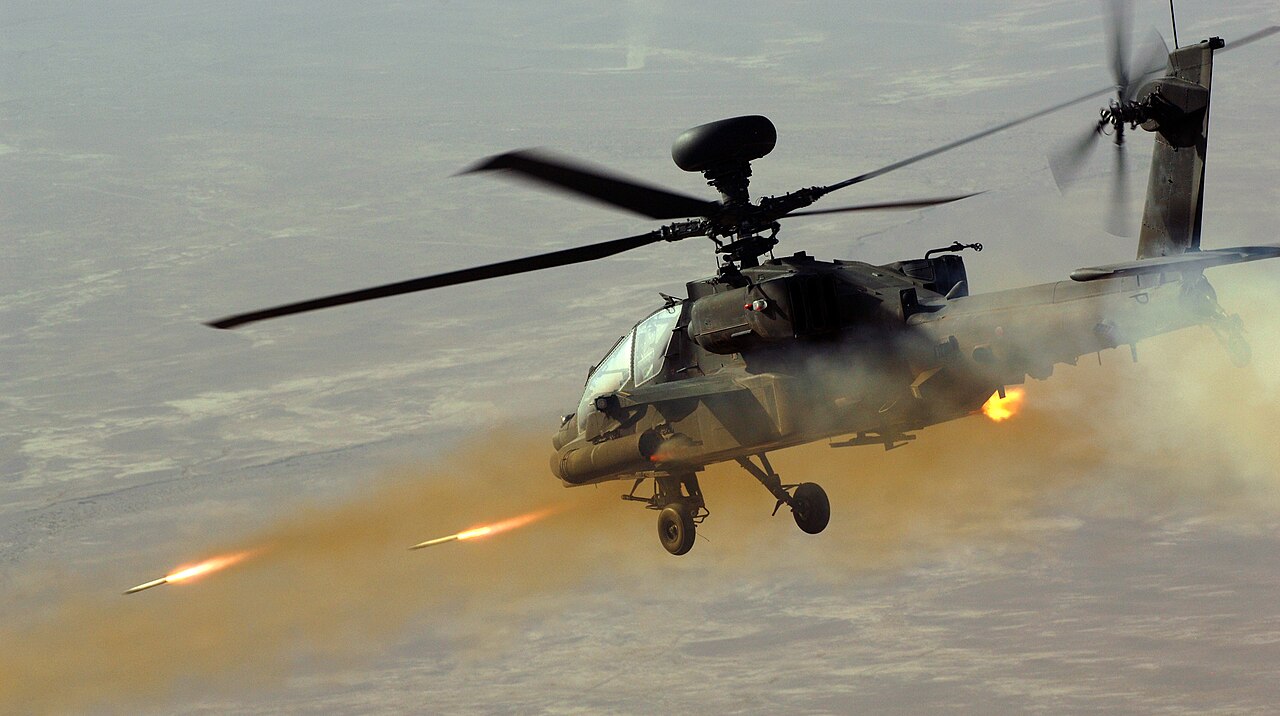
BERLIN — On the second day of the Berlin Air Show, the team dives into the details of an Italian helo project and the greater attention air defense is getting here due to the conflicts in Ukraine and the Middle East.
Check out the first of Breaking Defense’s daily wrap-up videos and be sure to follow Breaking Defense’s coverage on the ground throughout the week.
PHOTOS: ILA Berlin 2026
PHOTOS: ILA Berlin 2026
1.
2.
3.
4.
5.
6.
7.
8.
9.
10.
11.
12.
13.
14.
15.
16.
17.
18.
19.
20.
21.
22.
23.
24.
25.
26.
27.
Topics:
Editorial Analysis
The surging demand for air defense systems represents a profound strategic adjustment, moving beyond legacy counter-air doctrines to address the multi-faceted threat posed by swarms of inexpensive drones, cruise missiles, and advanced fighter aircraft. This re-prioritization is particularly vital for ground forces, where adequate aerial protection is no longer a luxury but a fundamental enabler for sustained operations and force survivability in high-intensity conflict zones. The technical significance lies in the push for integrated air and missile defense (IAMD) systems that can seamlessly detect, track, and neutralize diverse threats across multiple altitudes and ranges, often necessitating sophisticated command and control integration.
Furthermore, the spotlight on Italian attack helicopter development reflects a parallel understanding that offensive air power remains indispensable for close air support, reconnaissance, and anti-armor missions. While seemingly distinct, the modernization of such platforms must occur within the context of a robust air defense umbrella, ensuring their operational efficacy in contested airspace. This dual emphasis underscores a wider trend in military planning where nations are not just reactively closing capability gaps but proactively shaping future force structures to deter and, if necessary, counter complex, multi-domain aggression. The ongoing conflicts serve as a stark reminder of the critical interplay between offensive punch and defensive resilience, driving significant investment cycles and fostering greater interoperability among allied forces.