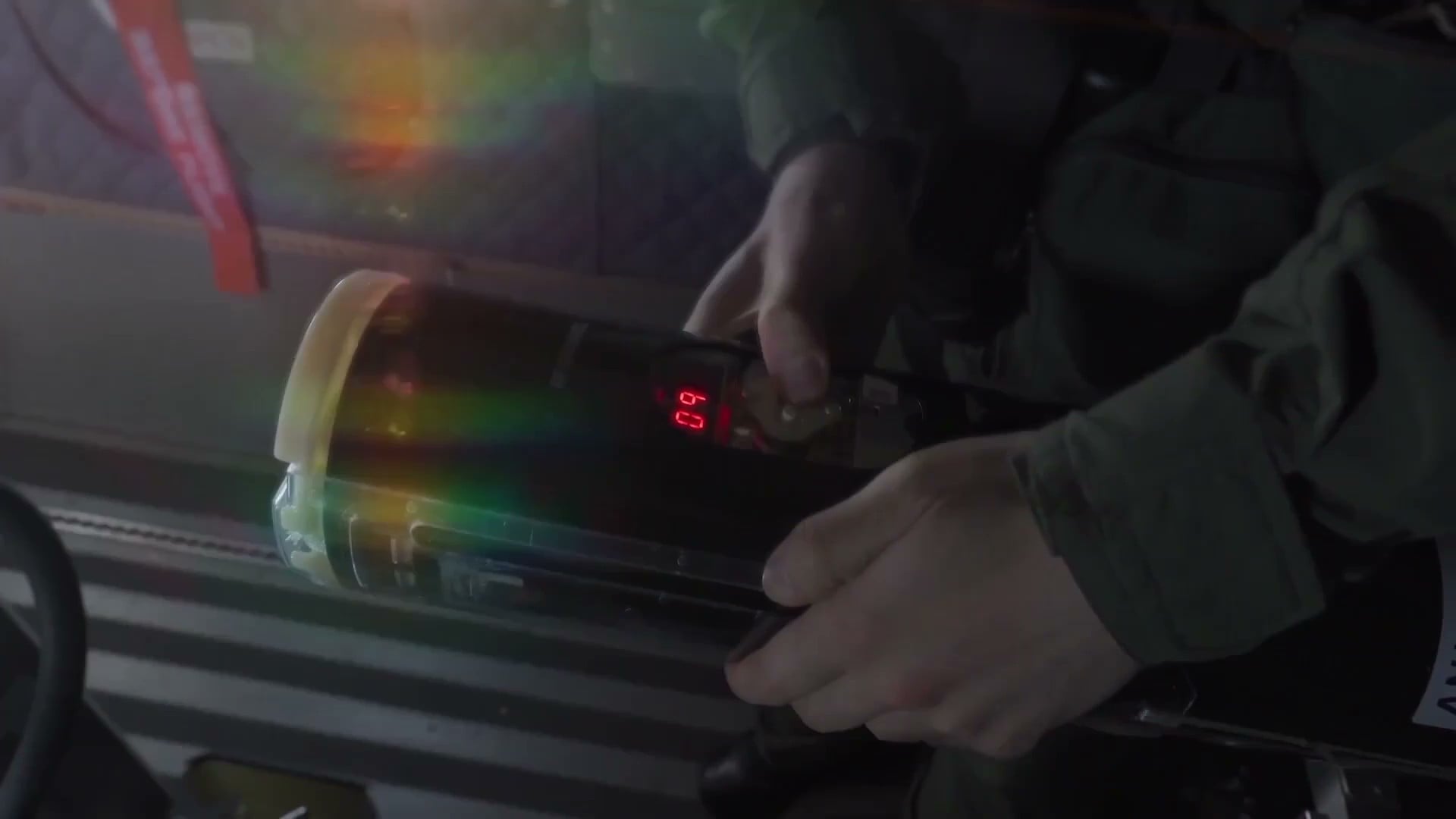
<p><a href="https://breakingdefense.com/2026/04/when-one-of-these-hits-the-oceans-surface-with-a-100g-impact-enemy-submarines-better-hide/"><img alt="The Navy is pushing next-generation sonobuoys and tube-launched effects to sense, communicate, and perform other missions like electronic warfare in forward environments. Hear about the latest developments in these areas in this brief video. Sparton." class="attachment-large size-large wp-post-image" height="576" src="https://breakingdefense.com/wp-content/uploads/sites/13/2026/04/sas_2026_perspective_sparton_copy_05_v4-frame-at-3m33s-1024x576.jpg" style="height: auto!important;" width="1024" /></a></p><p>[Sponsored] Next-gen sonobuoys for anti-submarine warfare are specifically designed to detect quieter Russian and Chinese subs.</p>
ASW Breakthrough: 100G Sonobuoys Target Quiet Russian, Chinese Subs
The U.S. Navy is developing next-generation sonobuoys specifically engineered to detect increasingly stealthy Russian and Chinese submarines, marking a significant advancement in anti-submarine warfare capabilities. These advanced sensors are designed to withstand extreme forces, including impacts reaching 100G upon hitting the ocean surface, ensuring reliable deployment in contested environments. This technological leap aims to strip adversary submarines of their acoustic advantage, critical for maintaining undersea dominance.
- Next-generation sonobuoys are designed for enhanced anti-submarine warfare (ASW).
- They target advanced, quieter submarines operated by Russia and China.
- These sensors are engineered to survive high-impact deployments, sustaining forces up to 100G.
Why this matters: This development significantly enhances naval intelligence and ASW capabilities, demanding new strategies for undersea domain awareness and potentially altering the balance of power in maritime operations.
The introduction of resilient, high-impact sonobuoys underscores a critical shift in naval strategy towards countering sophisticated undersea platforms of near-peer adversaries. For military planners, this technology offers enhanced situational awareness in contested maritime zones, while for cybersecurity experts, it highlights the increasing integration of robust sensor networks into networked battlefields, requiring secure data transmission and processing. This arms race in undersea detection will likely prompt adversaries to invest further in counter-detection measures and advanced stealth, accelerating the cycle of innovation in naval warfare.