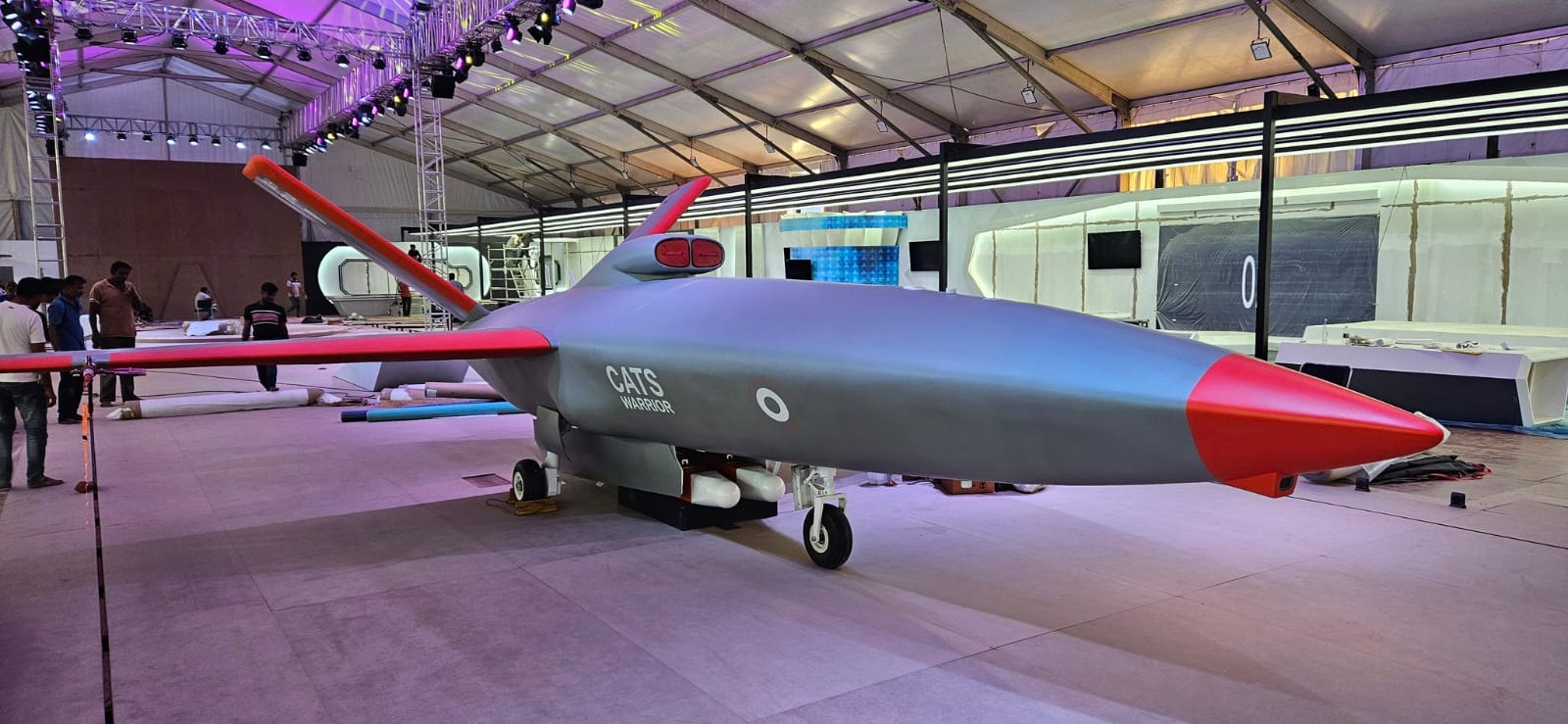
The global market for Collaborative Combat Aircraft (CCA) is poised for substantial expansion in the coming years, creating an urgent demand for specialized industry suppliers capable of developing critical components for these autonomous "loyal wingman" drones. Honeywell Aerospace is actively positioning itself to capitalize on this growth, with Matthew Milas, a key executive, highlighting the company's strategic focus on foundational systems. This strategic move underscores the vital role component providers will play in actualizing the advanced capabilities promised by future CCA fleets.
This development occurs within a broader strategic environment where advanced autonomous systems are becoming integral to future air combat doctrine. The successful integration and operationalization of CCA platforms, however, critically depend on unified inputs and collaborative efforts between government agencies and private industry to establish common standards and architectures.
With the global market for Collaborative Combat Aircraft (CCA) expected to grow dramatically in coming years, there will be increased demand on industry suppliers to support these loyal wingman drones. That’s especially true for those suppliers who provide the components that will define the capabilities CCA can bring to the fight.
In this fireside chat, Honeywell Aerospace’s Matthew Milas talks with Breaking Defense Editor-in-Chief Aaron Mehta about how the company expects to position itself in the market, where it views growth opportunities, and why industry and government need to come together for common inputs if the vision of CCA fleets are to ever take flight.
Editorial Analysis
Honeywell's concentrated effort on the nascent CCA market underscores a strategic recognition that success in future air combat hinges not just on the airframes, but profoundly on the underlying autonomous technologies and their integrated components. As a key supplier, Honeywell's influence could shape the technological trajectory of loyal wingmen, affecting everything from mission computers and data links to advanced propulsion and sensor integration. This focus enables defense departments to leverage specialized expertise, accelerating the development of reliable and highly capable systems that can operate seamlessly within a manned-unmanned teaming construct, altering force projection and tactical flexibility.
This proactive positioning by a major aerospace component provider aligns with a broader industry trend towards modular, open systems architectures (MOSA) for defense platforms, where specialized vendors contribute critical subsystems. Historically, shifts in military aviation, such as the transition to jet aircraft or stealth technology, were driven by advancements in niche componentry. The current push for industry-government collaboration is essential to prevent proprietary bottlenecks and ensure interoperability across various CCA designs from different prime contractors, a lesson learned from past integration challenges in complex defense programs.