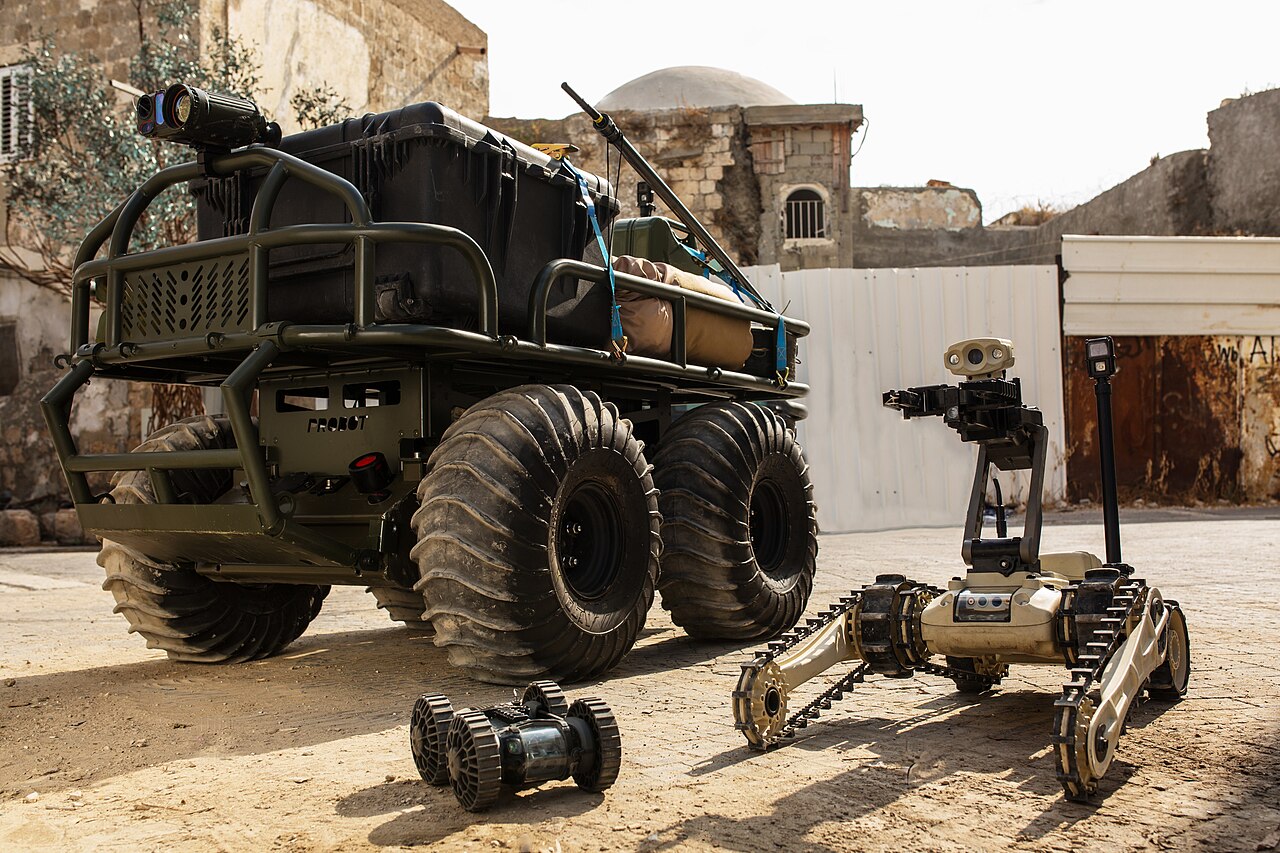
The list includes Northrop Grumman and several startups competing to supply low-cost payloads compatible with any drone design.
Drones & Autonomous
Original Briefing
Pentagon Designates Key Munitions for One-Way Drones
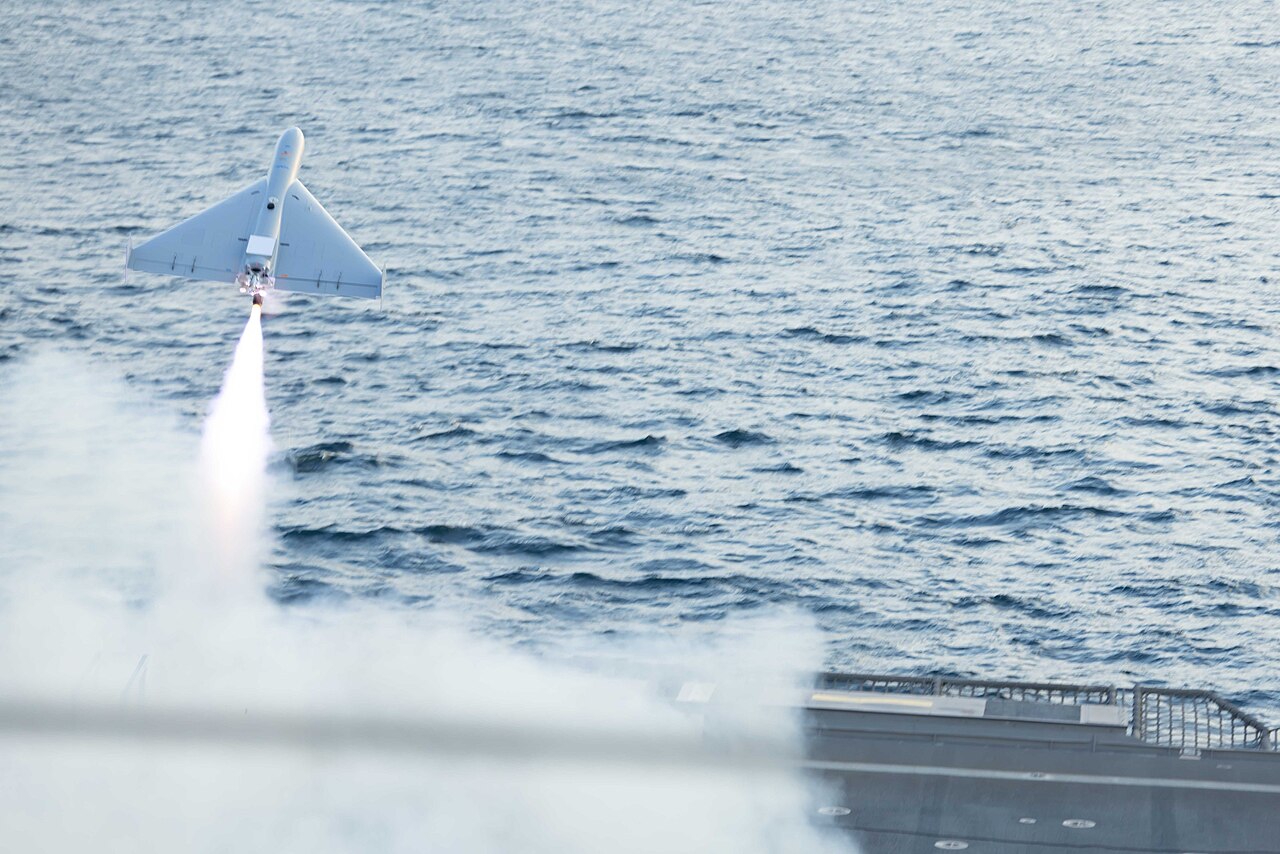
The Pentagon has formally identified its preferred munition types for one-way attack drones, marking a pivotal step towards standardizing and scaling up these capabilities. This strategic move signals a clear intent to accelerate the deployment of expendable aerial systems across future battlefields, emphasizing cost-effectiveness and broad compatibility. The development involves both established defense giants, like Northrop Grumman, and agile startups, all competing to supply versatile payloads.
This initiative is a direct response to evolving geopolitical landscapes and observed operational lessons, underscoring a global shift towards accessible, mass-producible autonomous weapon systems. It broadens the frame for how kinetic effects can be delivered, moving beyond traditional airpower doctrines into a more distributed and asymmetrical paradigm.
Key Intelligence Points
- The Department of Defense has officially chosen specific munitions for one-way attack drone programs.
- A primary objective for these selected payloads is their low manufacturing cost.
- Munition designs prioritize broad compatibility with diverse drone platforms.
- Major defense contractor Northrop Grumman is among the firms providing these new payloads.
- Several innovative startups are also actively involved in the competitive development process.
Advertisement
Intelligence Briefing
Why this matters: This standardization effort fundamentally alters the cost-benefit analysis for offensive drone operations, potentially enabling adversaries to field formidable numbers of threats previously deemed unfeasible. For defenders, it necessitates a rapid re-evaluation of current air defense strategies and investment in counter-UAS technologies capable of mitigating distributed, economically viable kinetic threats. Policymakers must now contend with the escalated proliferation risks of such accessible military capabilities.
Editorial Analysis
The Pentagon's formal selection of standardized, low-cost payloads for one-way attack drones represents a significant strategic pivot towards highly scalable and distributed kinetic effects. This democratizes lethal drone capabilities, enabling faster deployment and greater numerical superiority in future engagements. It directly impacts adversaries by increasing the volume of threats and defense architects who must counter an expanding, multi-vector aerial assault. The emphasis on universal compatibility ensures rapid integration across diverse drone platforms, accelerating production and operational readiness and transforming the operational tempo of modern conflicts.
This development aligns with a broader global trend of leveraging commercial off-the-shelf (COTS) technology for military applications, driven by lessons from conflicts demonstrating the efficacy of expendable, mass-produced systems. It echoes historical shifts where industrial capacity determined battlefield dominance, now transposed into the realm of autonomous systems. Experts anticipate a future where drone swarms, equipped with these standardized munitions, will reshape traditional air superiority doctrines, demanding innovative and adaptive countermeasures from the defense community.
📰