
Dutch Combat Robot Plant Boosts Ukraine's Frontline Tech
- A new production plant for combat-zone robots has commenced operations in the Netherlands, directly supporting European defense efforts.
- The facility specializes in manufacturing THeMIS unmanned ground vehicles, a critical asset for various combat scenarios.
- This new industrial capacity is designed to establish a fresh and reliable supply stream of advanced robotic systems for Ukraine.

A potent Android remote access trojan, BTMOB, is openly marketed as a Malware-as-a-Service (MaaS), significantly lowering the technical barrier for cybercriminals to deploy sophisticated mobile attacks. This platform allows operators to generate highly customized malicious applications designed for specific phishing lures and targets, threatening a wide range of mobile users primarily across Latin America.
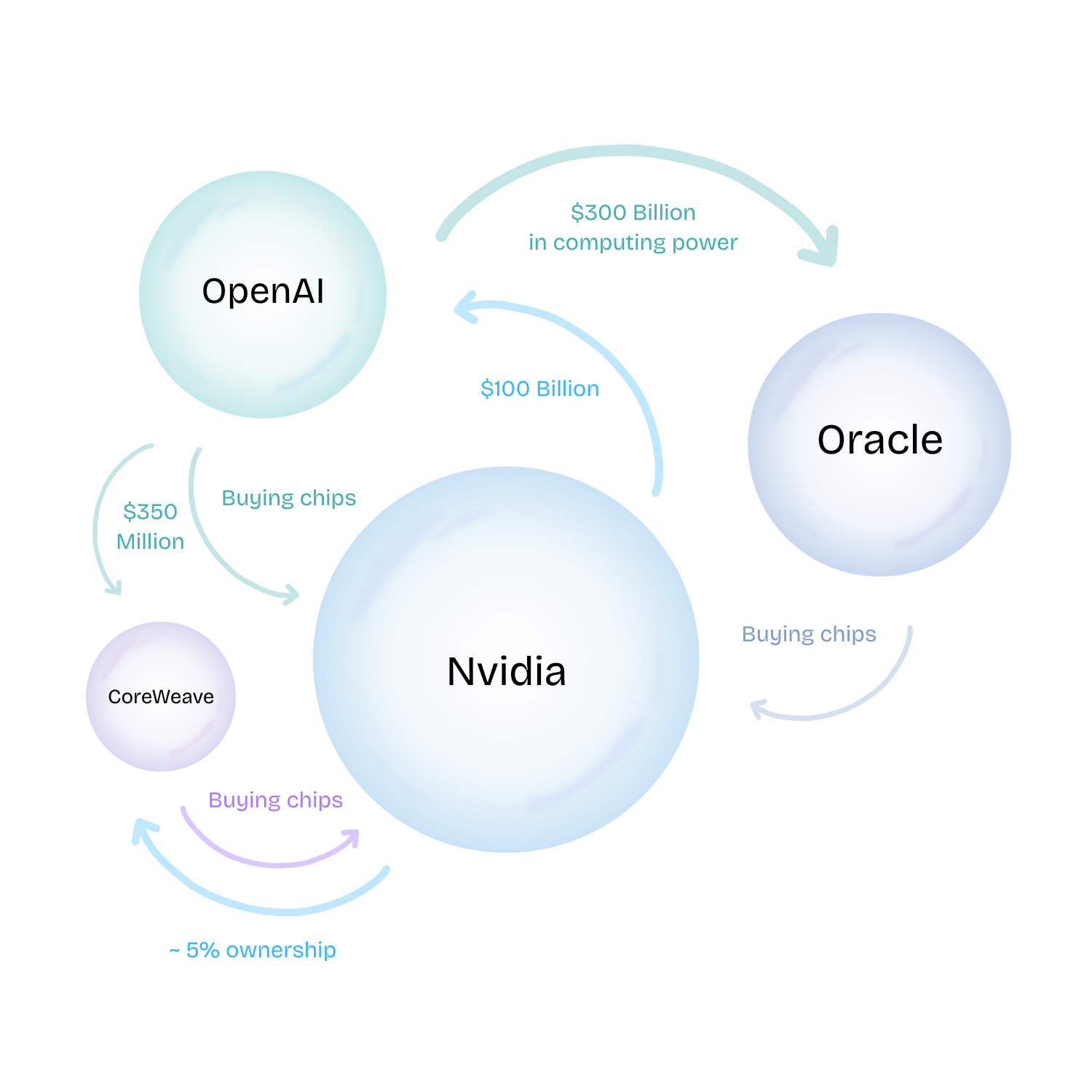
A new intelligence report reveals that the bulk of enterprise AI risk stems not from widespread casual usage, but from a distinct minority of highly active individuals. This concentration of activity challenges conventional security paradigms, demanding a more targeted approach to AI governance. Understanding where and how this exposure occurs is paramount for modern defense strategies.

North Korea's Kimsuky threat group has launched a new wave of highly sophisticated cyber operations against South Korean military and corporate sectors. These recent intrusions demonstrate a refined use of social engineering tactics combined with advanced malware to achieve persistent access. The campaigns highlight a persistent and evolving threat landscape facing critical national infrastructure.

Kyiv is poised to significantly upgrade its aerial capabilities following a landmark agreement with Sweden for advanced Gripen fighter jets. This strategic procurement not only secures new-generation aircraft for future defense but also includes an immediate transfer of existing models to reinforce Ukraine's current operational requirements. The move underscores a sustained effort to modernize its air force amid ongoing geopolitical challenges.

The U.S. Army is actively exploring multi-role capabilities for its unmanned aerial systems, recently demonstrating a logistics drone reconfigured to fire rockets. This experimental adaptation pushes beyond traditional resupply functions, indicating a broader strategic pivot towards more versatile autonomous platforms on the modern battlefield. The move reflects an increasing focus on rapidly deploying new offensive capabilities at lower echelons.

US Cyber Command is refining its force generation strategy, focusing on 'domain mastery' rather than matching adversaries in sheer numbers. This strategic shift, dubbed CYBERCOM 2.0, aims to cultivate highly skilled cyber operators to counter the formidable numerical superiority of competitors, particularly China.
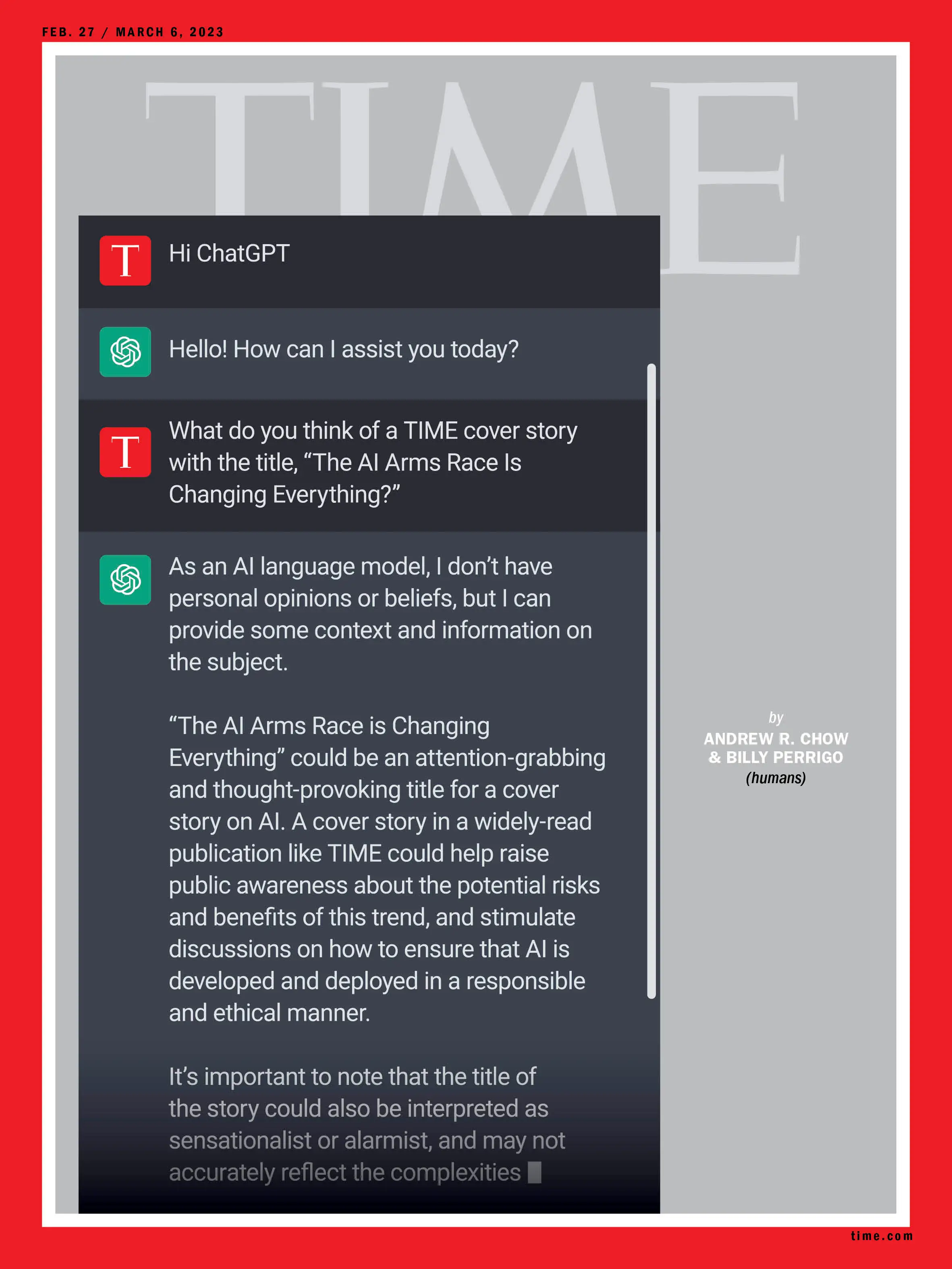
A threat group with suspected ties to Russian interests is leveraging advanced generative AI platforms, including ChatGPT and Google Gemini, to significantly enhance its cyberespionage operations targeting Ukrainian and related entities. This marks a notable shift in the sophistication and accessibility of tools now employed by state-aligned but not necessarily nation-state-grade actors. Their campaigns demonstrate a diverse array of tactics, from elaborate social engineering to custom malware deployment, all seemingly bolstered by AI assistance.
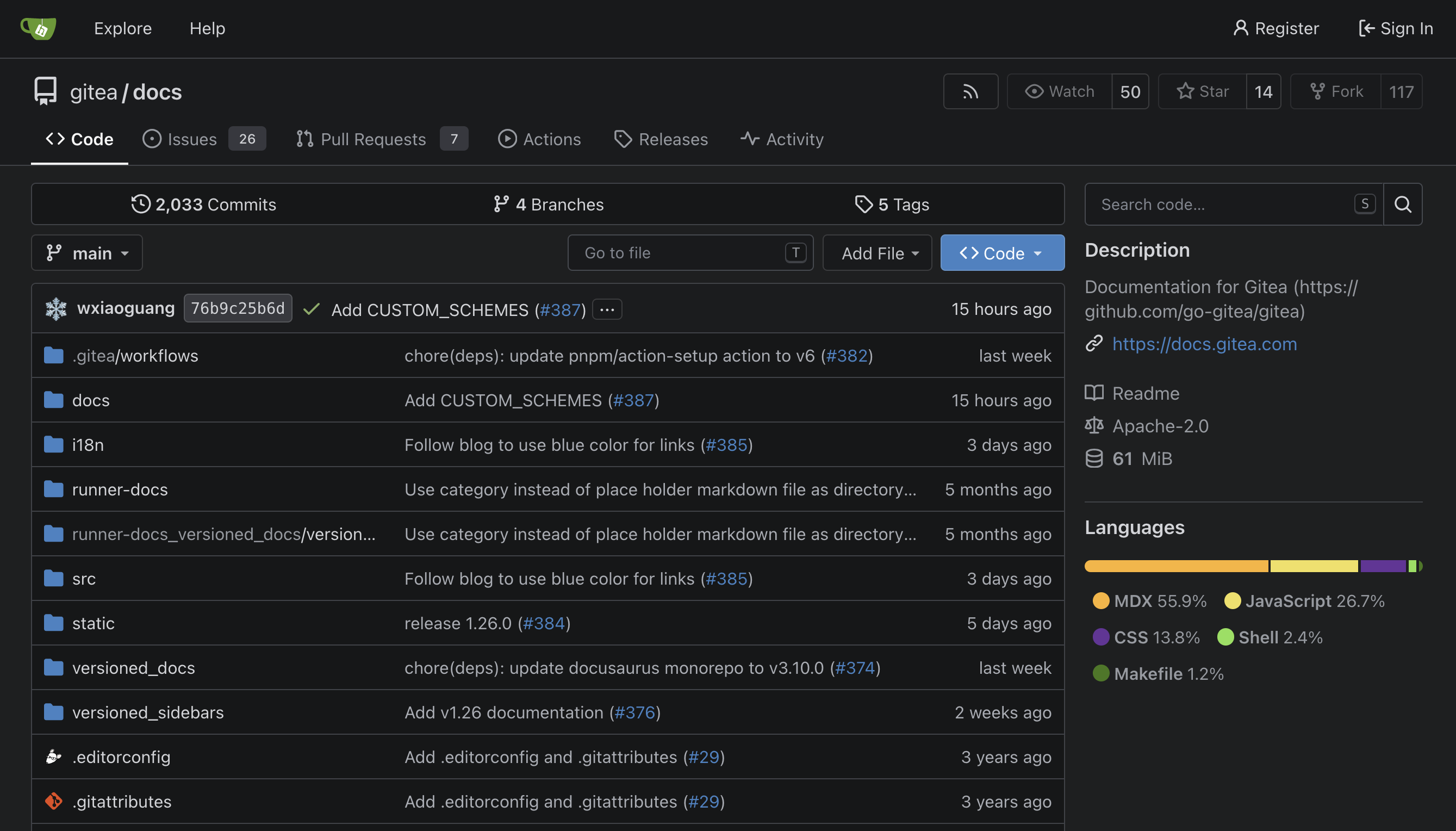
Cybersecurity researchers have uncovered a critical vulnerability in Gitea, the popular self-hosted version control platform, enabling unauthenticated access to private container images. This significant flaw, active for nearly four years, has potentially exposed tens of thousands of global deployments across diverse industries without requiring any credentials.

Malicious actors are actively exploiting a critical security vulnerability within FortiClient Endpoint Management Server (EMS) deployments, leveraging the trusted infrastructure to distribute sophisticated credential-stealing malware. This attack vector bypasses conventional defenses by masquerading as legitimate system updates, posing a significant challenge to enterprise security teams.

A severe, unpatched remote code execution vulnerability has been identified in Gogs, a widely used open-source self-hosted Git service. This flaw enables any authenticated user to compromise the underlying server and gain extensive access, posing a significant risk to development environments. The exploit requires no elevated privileges, making it highly accessible to attackers.

The initial delivery of Leopard 2A8 main battle tanks, equipped with the advanced Trophy Active Protection System, to Norway marks a significant milestone for European defense capabilities. This deployment signals a strategic push by the EuroTrophy consortium to establish its hard-kill APS as a standard across the continent's armored fleets, extending beyond its established success with Israeli and American platforms.
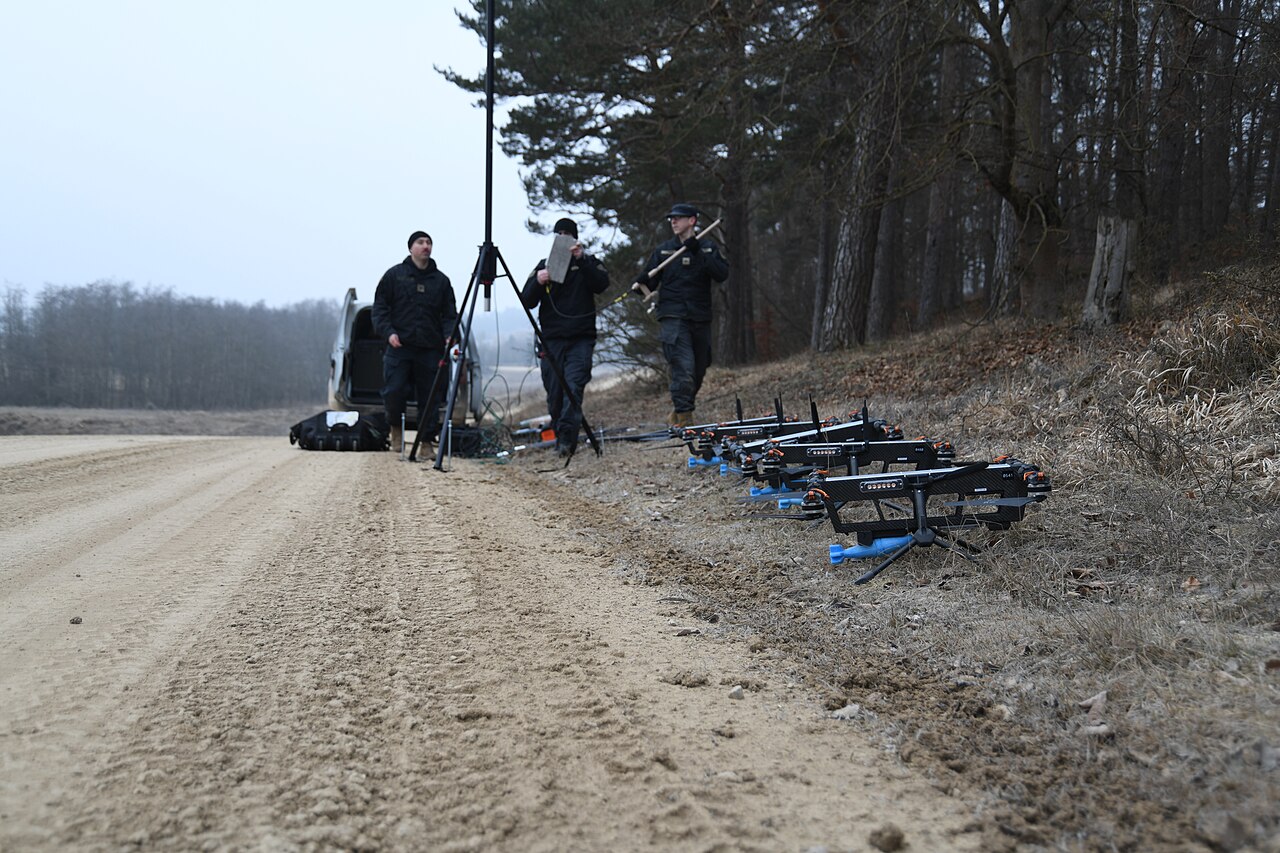
Turkey's defense sector is experiencing rapid expansion, propelled by increased regional demand for advanced autonomous systems. This surge in capabilities is particularly evident in its growing array of unmanned applications, making it an attractive partner for Gulf nations seeking to bolster their security postures amidst evolving geopolitical landscapes.