
Dutch Combat Robot Plant Boosts Ukraine's Frontline Tech
- A new production plant for combat-zone robots has commenced operations in the Netherlands, directly supporting European defense efforts.
- The facility specializes in manufacturing THeMIS unmanned ground vehicles, a critical asset for various combat scenarios.
- This new industrial capacity is designed to establish a fresh and reliable supply stream of advanced robotic systems for Ukraine.

A new investigation reveals a startling vulnerability: thousands of corporate applications, rapidly built by employees using AI development platforms, are publicly accessible online. These unsanctioned tools frequently hold sensitive organizational or personal data, deployed without proper access controls and directly integrated into critical production systems.
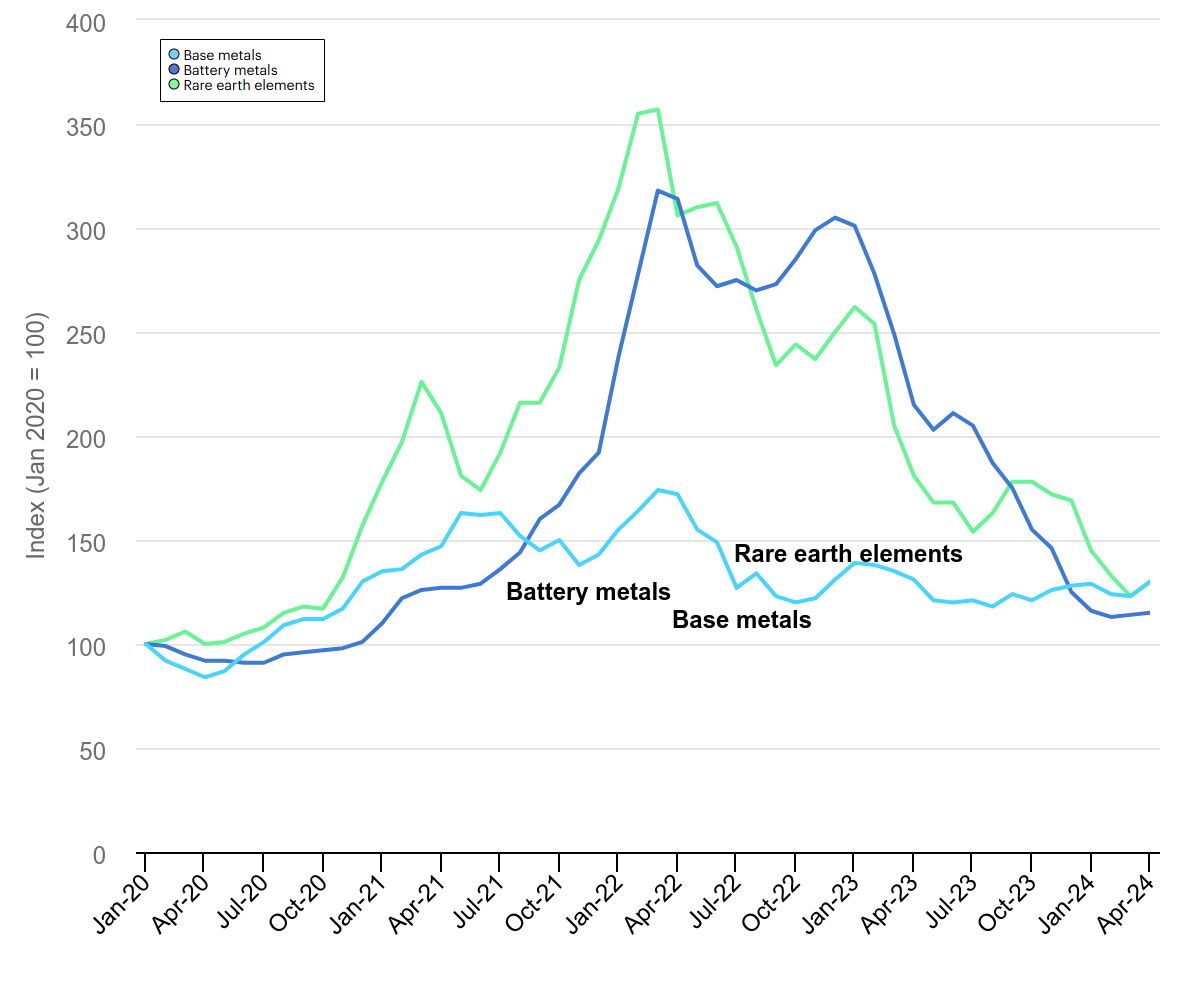
A notable trend has emerged with a substantial uptick in mining companies pursuing listings on U.S. stock exchanges, a move increasingly driven by the explicit aim to supply critical minerals for defense applications. This shift signals a strategic reorientation within the mining sector, directly responding to the burgeoning demands of the U.S. defense industrial base.
The Pentagon's advanced research arm is spearheading an initiative to fundamentally redefine how deeply embedded subterranean targets are neutralized. This ambitious endeavor moves beyond conventional kinetic energy principles, focusing instead on manipulating advanced physics to achieve breakthrough capabilities. The shift comes as adversaries increasingly conceal critical assets within formidable underground fortifications.

A Russian drone strike on a Romanian apartment complex has marked a significant escalation in the ongoing conflict, directly impacting NATO territory and causing minor injuries to civilians. This incident represents the first time a densely populated area within a NATO member state has sustained damage and casualties from Russian military action since the start of the war in Ukraine, immediately prompting strong condemnation from the alliance.

An errant Russian drone struck a residential complex within Romanian territory, causing injuries and marking the first direct impact on civilian infrastructure inside the NATO member state. This incident prompted the immediate scramble of Romanian F-16 fighter jets and a helicopter, underscoring the escalating challenges to airspace integrity along the alliance's eastern flank.
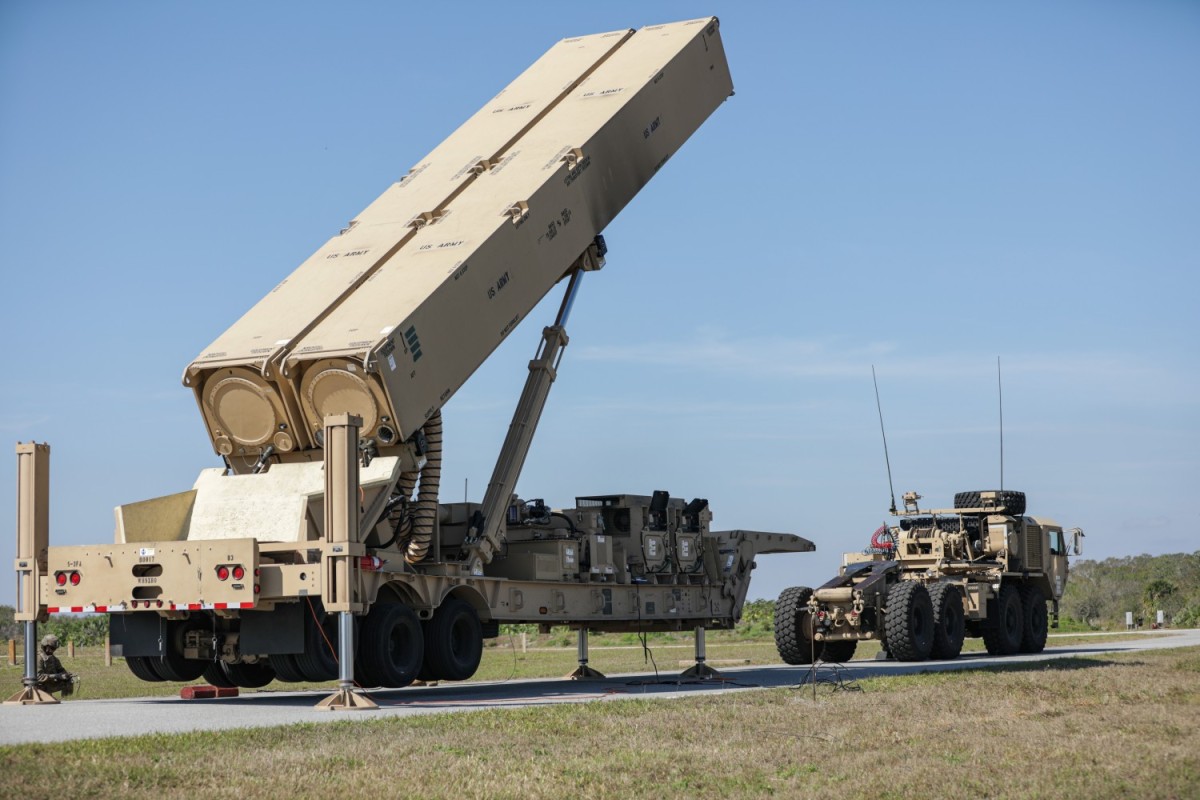
A substantial funding request included in an upcoming reconciliation bill could enable the US Navy to acquire warships from international shipbuilders, rather than solely investigating the feasibility. This strategic shift aims to accelerate fleet modernization and address persistent production challenges within the domestic shipbuilding industry. The move signals a proactive approach to expand naval capacity more rapidly.

US Space Command is charting a course for offensive operations in cislunar space, a significant shift in strategic priorities for the command's future science and technology investments. This newly articulated focus extends the scope of potential conflict beyond traditional Earth orbits, targeting the vast region between Earth and the Moon.
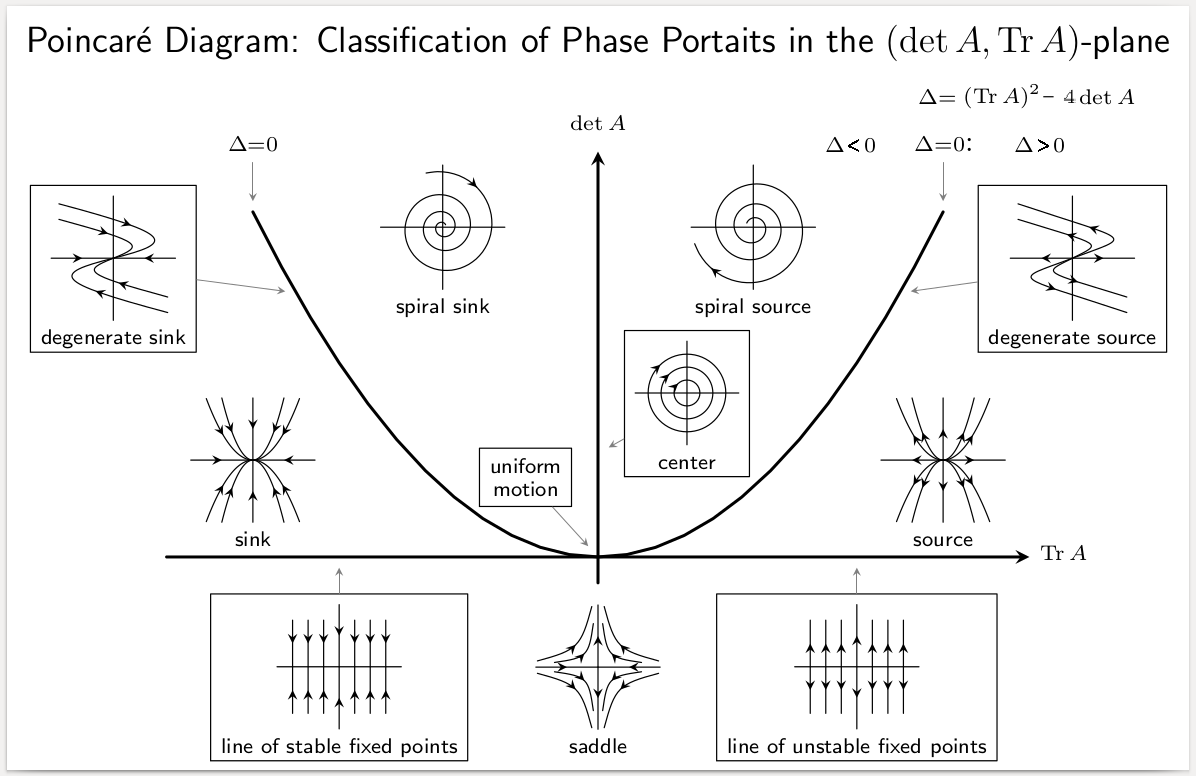
The Department of Defense is poised to inject a substantial $50 billion into the advancement and scaled production of unmanned systems. This significant financial commitment underscores a strategic pivot towards integrating autonomous platforms more deeply into future military operations, moving beyond previous fragmented acquisition methods. The investment aims to rapidly accelerate capabilities across various domains, from aerial to maritime unmanned technologies.

Despite a proliferation of monitoring tools, many organizations continue to face significant delays in resolving network incidents post-initial alert. This persistent challenge often stems from bottlenecks in the subsequent investigation and coordination phases, impeding a swift return to normal operations. Addressing these systemic frictions is crucial for enhancing overall cyber resilience.

An international cybercriminal has received a substantial prison sentence in the United States for his role in compromising an Oregon state government network and perpetrating other illicit cyber activities. This conviction underscores the persistent threat posed by foreign actors targeting critical infrastructure and sensitive data within the US. The perpetrator, operating from Romania, engaged in selling network access and stolen personal information.

A newly disclosed, unpatched zero-day vulnerability in the Gogs self-hosted Git service is allowing attackers to achieve remote code execution on internet-exposed instances. This critical flaw poses a significant risk due to its presence in default configurations, enabling exploitation even with basic user privileges.

A critical authentication bypass vulnerability within FortiClient Enterprise Management Server (EMS) is being actively exploited by malicious actors. This flaw enables unauthenticated remote attackers to execute code, leading to the deployment of a new, previously undocumented credential-stealing malware known as EKZ.