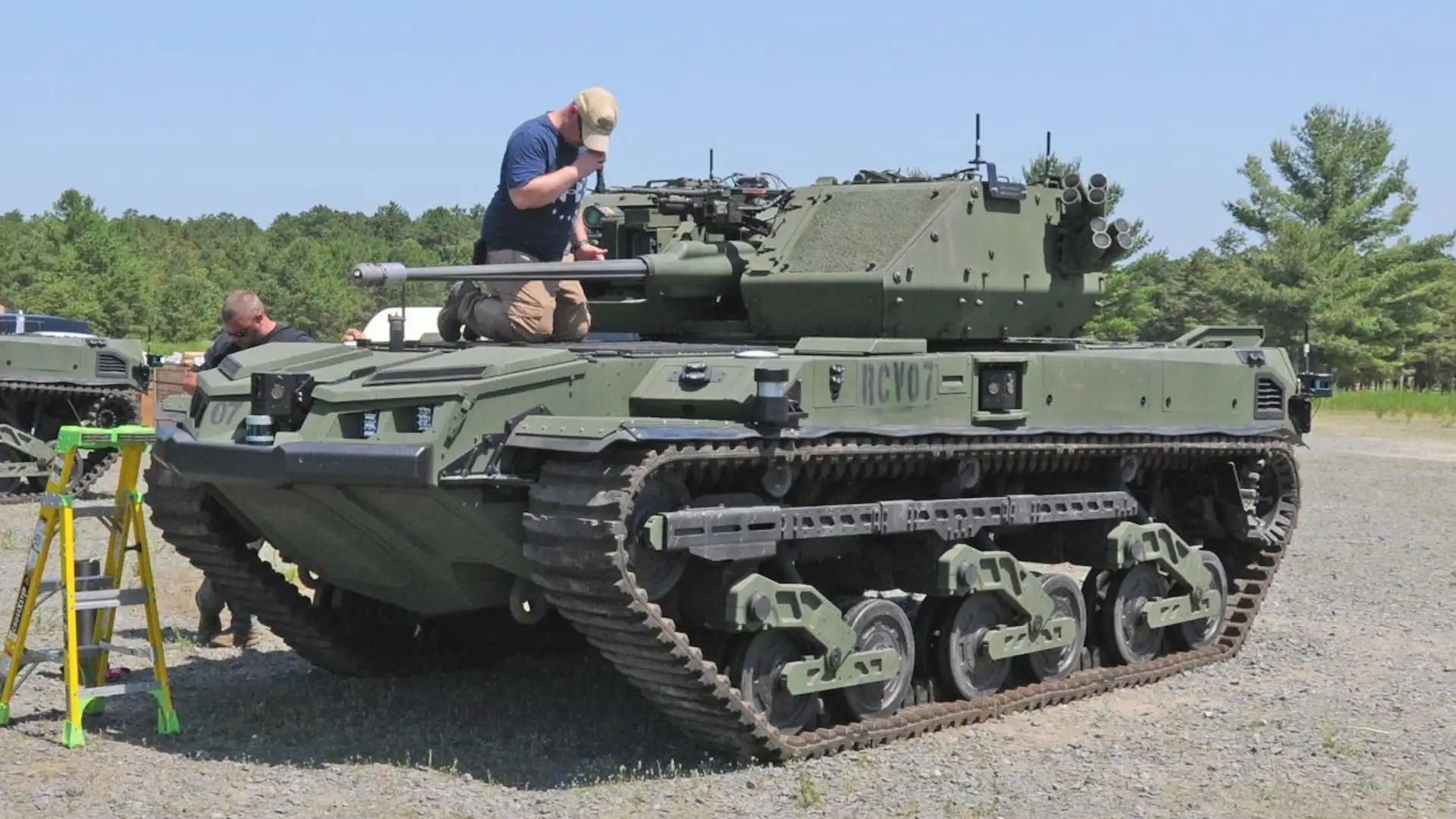
Dutch Combat Robot Plant Boosts Ukraine's Frontline Tech
- A new production plant for combat-zone robots has commenced operations in the Netherlands, directly supporting European defense efforts.
- The facility specializes in manufacturing THeMIS unmanned ground vehicles, a critical asset for various combat scenarios.
- This new industrial capacity is designed to establish a fresh and reliable supply stream of advanced robotic systems for Ukraine.
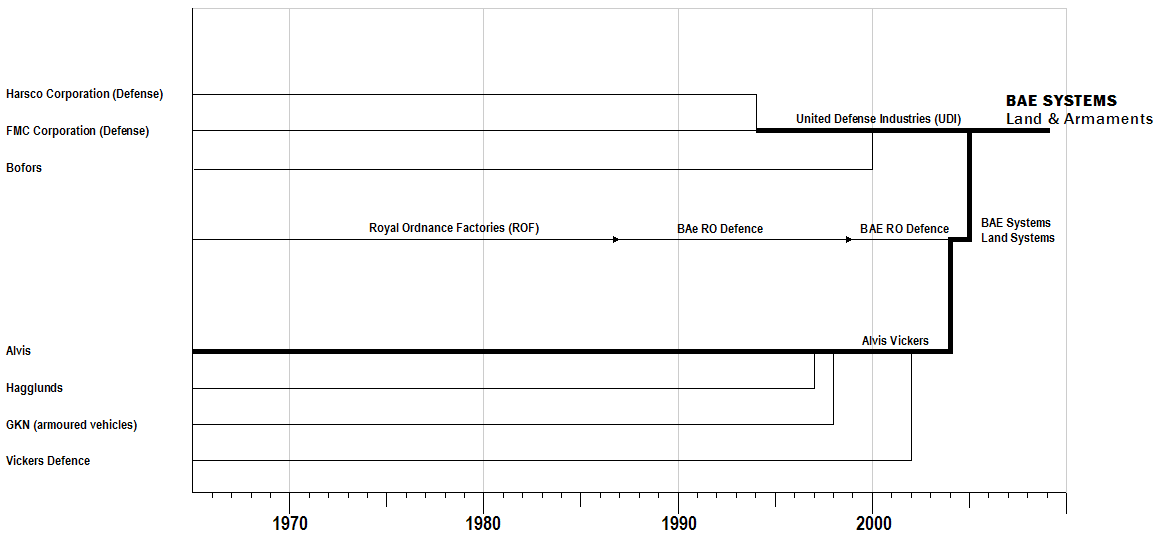
BAE Systems has been awarded a significant contract to advance the U.S. Army's soft-kill active protection capabilities. This initiative aims to integrate sophisticated electronic warfare systems onto ground vehicles, providing a non-kinetic defense against the evolving threats posed by missiles and uncrewed aerial systems. Such technologies are becoming increasingly vital in contemporary conflict zones.

Recent operational challenges have underscored the imperative for the Space Force to overhaul its ground-based space operations and bolster its electronic warfare capabilities. A top budget planner indicates substantial investments, including around one billion dollars for new infrastructure, are now being directed towards these crucial areas, aiming to enhance resilience against evolving threats.
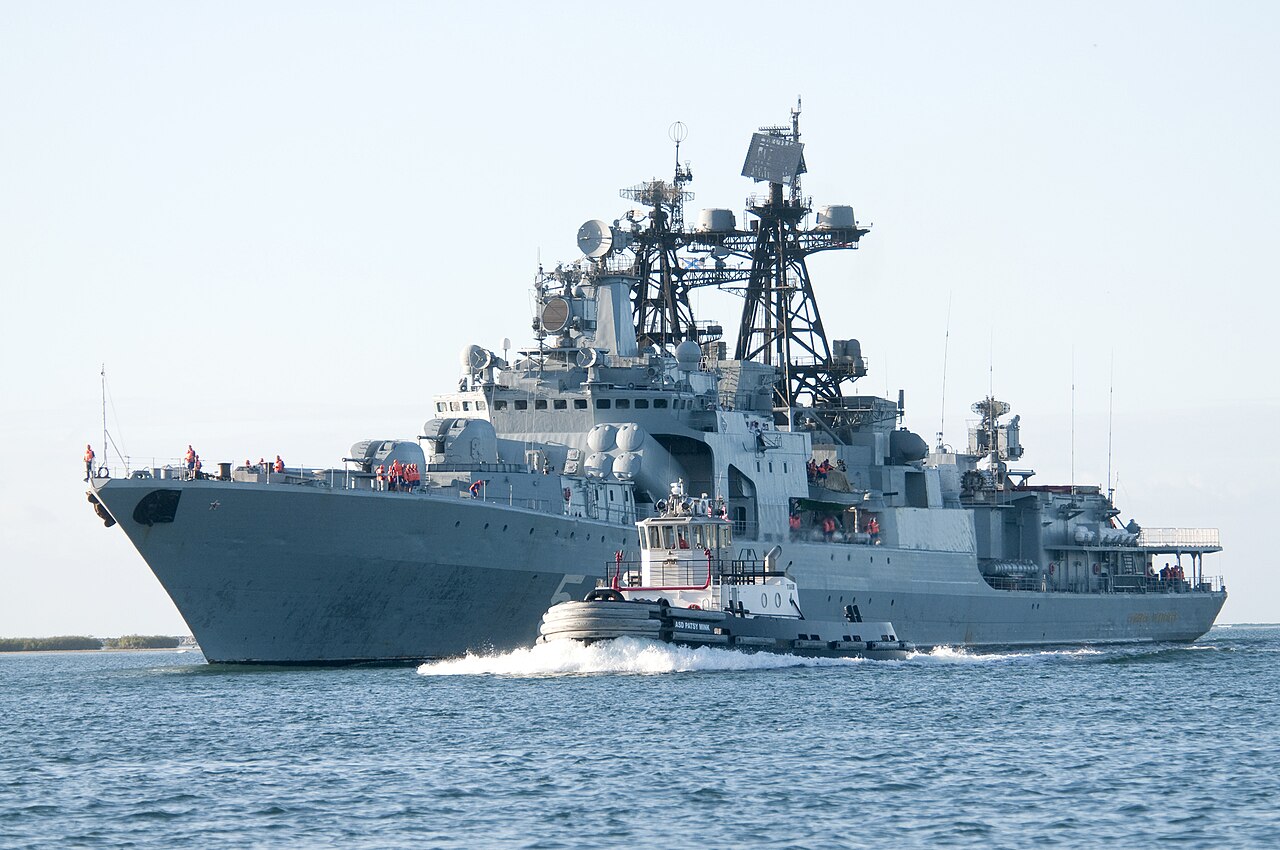
The U.S. Navy recently demonstrated a significant leap in autonomous warfare capabilities by employing a coordinated drone attack to successfully neutralize a retired guided-missile frigate. This exercise, conducted during a major multinational event, showcased advanced command-and-control strategies, with operations largely directed from a shore-based center rather than the launch vessel itself. It marks a critical step in integrating unmanned systems into future naval combat doctrine.

A prominent Democratic senator has formally requested an Inspector General be appointed to oversee the ongoing military operations in Iran. This move invokes federal statute mandating independent scrutiny for overseas contingency operations that extend beyond a two-month period, highlighting growing congressional concern over the conflict's scope and financial transparency.
The conventional wisdom of fortifying cyber perimeters no longer suffices against today's stealthy adversaries. Modern security operations centers are redefining their mission, moving beyond mere alert response to proactively shrink the window of uncertainty within enterprise networks. This strategic pivot focuses on identifying and neutralizing threats long before they mature into full-blown incidents.

An emerging threat actor, identified as JINX-0164, is actively compromising cryptocurrency organizations through elaborate social engineering and custom macOS malware. This sophisticated campaign exploits recruitment lures to infiltrate target systems, eventually moving laterally into critical development infrastructure to siphon digital assets.

Despite continuous advancements in defensive technologies, a significant portion of successful cyberattacks continues to leverage surprisingly unsophisticated methods, undermining enterprise and national security. Recent intelligence highlights how fundamental weaknesses—rather than complex zero-days—remain the primary vectors for compromise across various sectors, from cloud platforms to user accounts.

Microsoft has issued a strong rebuke against the public disclosure of zero-day vulnerabilities without prior vendor coordination, a development prompted by a series of recent security revelations affecting Windows components. This comes as multiple publicly revealed flaws are now reportedly being actively exploited in the wild, escalating the immediate threat to users.

Canada is set to acquire advanced airborne early warning and control aircraft from Saab, a strategic move aimed at significantly enhancing its military surveillance capabilities. This procurement, however, extends beyond direct defense upgrades, serving as a cornerstone for a broader initiative to invigorate the nation's domestic defense manufacturing sector. The decision signals a deliberate shift in Canada's defense procurement strategy, emphasizing self-reliance and diversified partnerships.

Germany's defense establishment has signaled a significant departure from its traditional arms export restraint, with its Defense Minister personally championing a submarine deal in Canada. This high-level intervention underscores Berlin's strategic ambitions to deepen transatlantic security ties and solidify its position within NATO's northern flank.
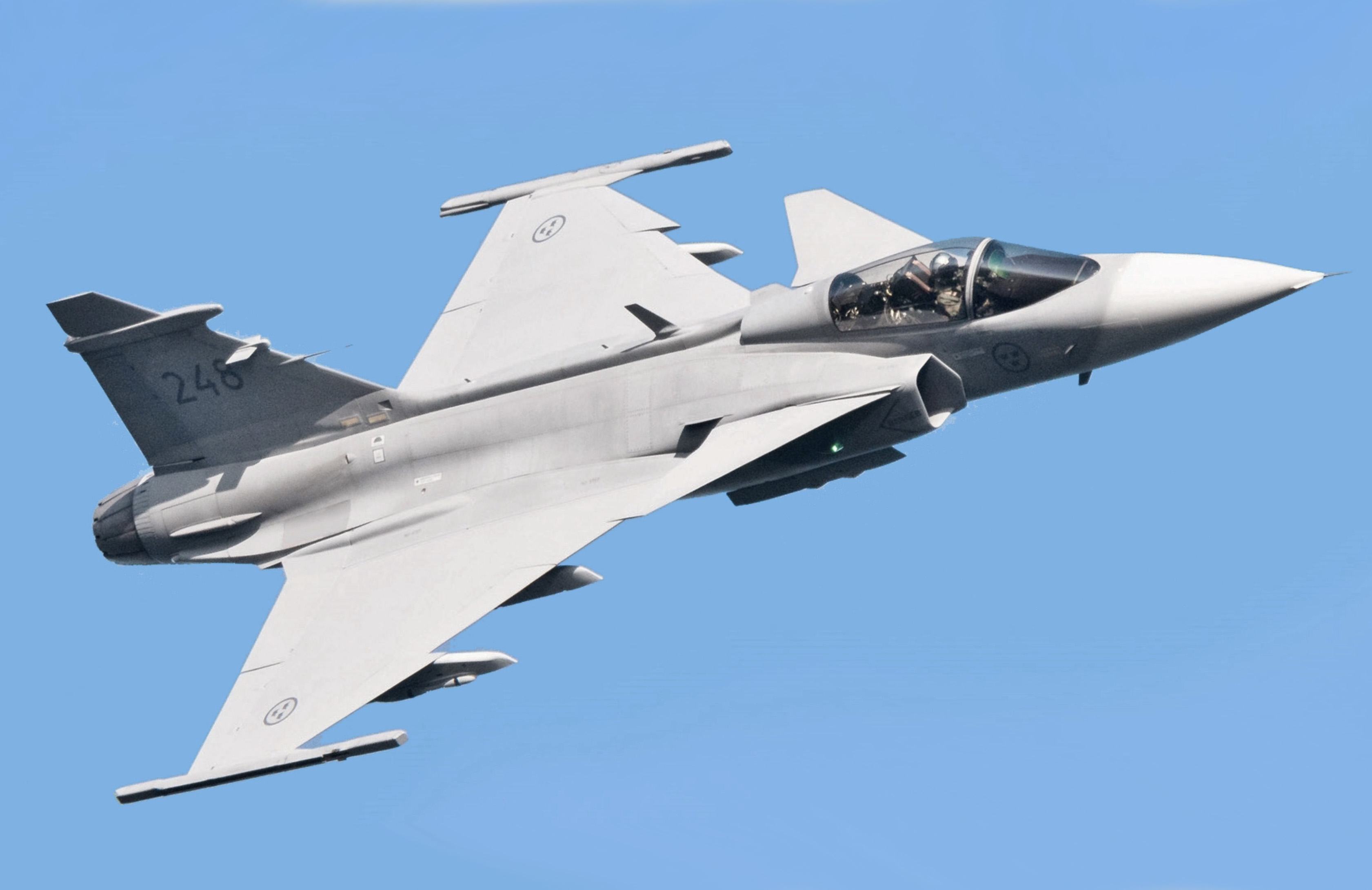
Sweden has announced a significant boost to Ukraine's aerial capabilities, committing to a future order of advanced Gripen E/F fighter jets while simultaneously providing a donation of its current C/D models. This dual approach aims to immediately strengthen Kyiv's air defenses and lay the groundwork for a modern air force for the coming decades.

The Defense Innovation Unit has substantially increased its investment in aerospace innovator Hermeus, earmarking significant new capital for the Quarterhorse drone program. This enhanced funding is specifically directed at advancing the high-speed uncrewed aircraft's ability to deploy external payloads while operating at exceptional velocities. The move underscores a strategic imperative to integrate advanced, autonomous platforms into future military operations.