
Brazil Doubles Down on Gripen Fighters, Bolstering Air Power
- Brazil's defense minister declared an intent to procure an additional twenty Gripen E fighters, aiming for a total fleet of 56 advanced combat aircraft.
- This proposed acquisition reflects Brazilian Air Force studies indicating a requirement for 50 to 60 fighters to secure national sovereignty effectively.
- Ongoing negotiations with Sweden seek to amend the initial 2014 Gripen contract, which included an option for a 25 percent increase in order volume.

Germany's defense establishment has signaled a significant departure from its traditional arms export restraint, with its Defense Minister personally championing a submarine deal in Canada. This high-level intervention underscores Berlin's strategic ambitions to deepen transatlantic security ties and solidify its position within NATO's northern flank.
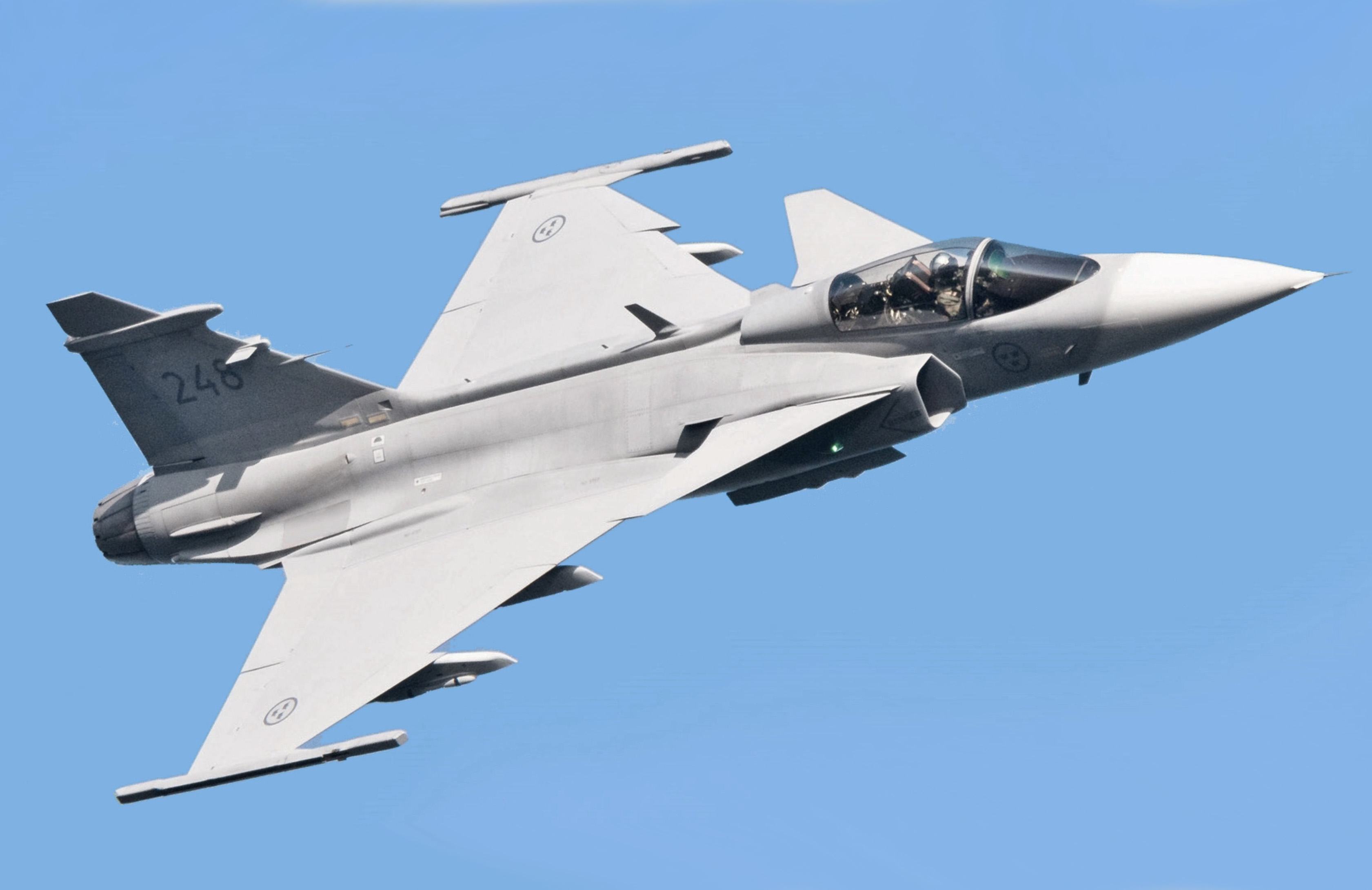
Sweden has announced a significant boost to Ukraine's aerial capabilities, committing to a future order of advanced Gripen E/F fighter jets while simultaneously providing a donation of its current C/D models. This dual approach aims to immediately strengthen Kyiv's air defenses and lay the groundwork for a modern air force for the coming decades.

The Defense Innovation Unit has substantially increased its investment in aerospace innovator Hermeus, earmarking significant new capital for the Quarterhorse drone program. This enhanced funding is specifically directed at advancing the high-speed uncrewed aircraft's ability to deploy external payloads while operating at exceptional velocities. The move underscores a strategic imperative to integrate advanced, autonomous platforms into future military operations.

Austal USA, a prominent naval shipbuilder, has officially appointed Gene Miller as its new president. This move follows his tenure as interim leader since February, solidifying the company's executive structure at a pivotal moment for domestic defense manufacturing.

The defense cybersecurity landscape grapples with a fragmented market and a lack of clear industry leaders, despite escalating threats amplified by artificial intelligence. This dynamic challenges both private capital investment and the Pentagon's strategic efforts to secure critical national infrastructure and military networks.
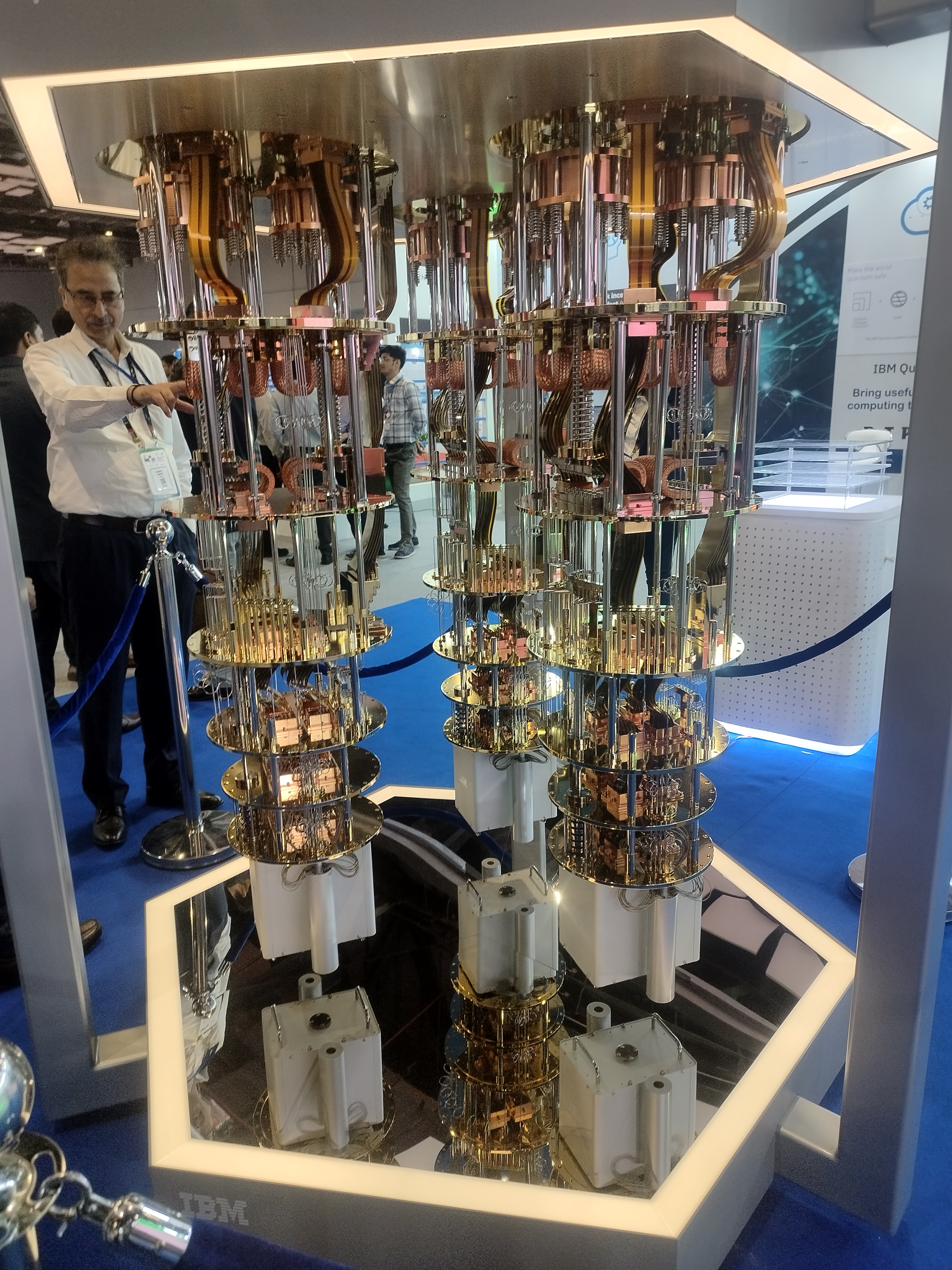
A Canadian-American cybersecurity firm specializing in advanced identity protection recently finalized a significant capital infusion to accelerate its North American market penetration. Lastwall, known for its focus on thwarting sophisticated credential-based attacks and preparing for future quantum computing threats, aims to broaden its reach within critical defense and government sectors.
SecurityWeek is set to host its third annual Artificial Intelligence Risk Summit in August 2026, bringing together a diverse group of stakeholders from the security, tech, and policy sectors. This prominent event aims to tackle the increasingly complex challenges and risks associated with widespread AI adoption across enterprises and national security domains.

Britain's top signals intelligence official recently articulated a stark vision of the evolving global security landscape, characterizing artificial intelligence as an inevitable and transformative power. This assessment comes amidst escalating warnings regarding Russia's intensified 'hybrid' activities targeting Western critical infrastructure and democratic processes, pushing allied nations into a precarious space between conventional peace and conflict.

A sophisticated botnet known as Glassworm, notorious for targeting developers in software supply-chain attacks, has been effectively neutralized. This significant disruption follows a multi-party operation to dismantle its uniquely resilient command-and-control infrastructure, which leveraged unconventional decentralized technologies.
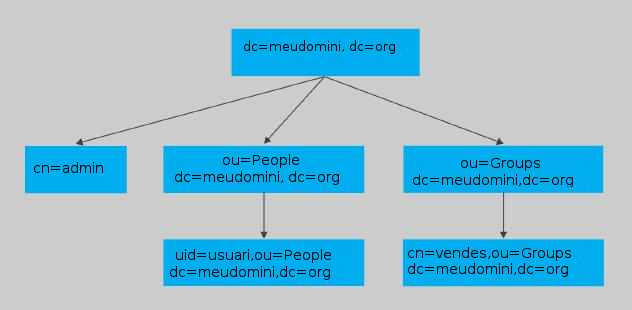
The persistent tension between robust Active Directory security and user experience represents a critical challenge for IT professionals. While strong password policies are foundational, overly restrictive rules often lead to workarounds that inadvertently undermine organizational defenses. However, contemporary strategies are demonstrating that organizations can significantly enhance their AD password posture without escalating helpdesk tickets or user frustration.
A new threat campaign is exploiting artificial intelligence chatbot interactions to steer users towards malicious download sites, as disclosed by Microsoft. This sophisticated operation moves beyond mere cryptojacking, establishing persistent remote access for potential follow-on attacks on targeted systems, particularly those with high-value GPUs.

The United States military initiated defensive strikes this week against strategic Iranian assets in the southern region of the country. These actions occurred despite an established, albeit fragile, ceasefire that has been repeatedly challenged by recent maritime and aerial confrontations. The escalating engagements raise significant questions about regional stability and ongoing diplomatic efforts.