
Pentagon’s DCDC Plans Critical Infrastructure Cyber Defense
- The DCDC, a sub-unified command under US Cyber Command, is crafting a joint task force structure for critical infrastructure defense.
- A primary objective is establishing unambiguous command and control protocols across various federal agencies during cyber incidents.
- Plans involve developing "digital green zones" to precisely identify and secure vital infrastructure components and data integrity.

The United States military initiated defensive strikes this week against strategic Iranian assets in the southern region of the country. These actions occurred despite an established, albeit fragile, ceasefire that has been repeatedly challenged by recent maritime and aerial confrontations. The escalating engagements raise significant questions about regional stability and ongoing diplomatic efforts.
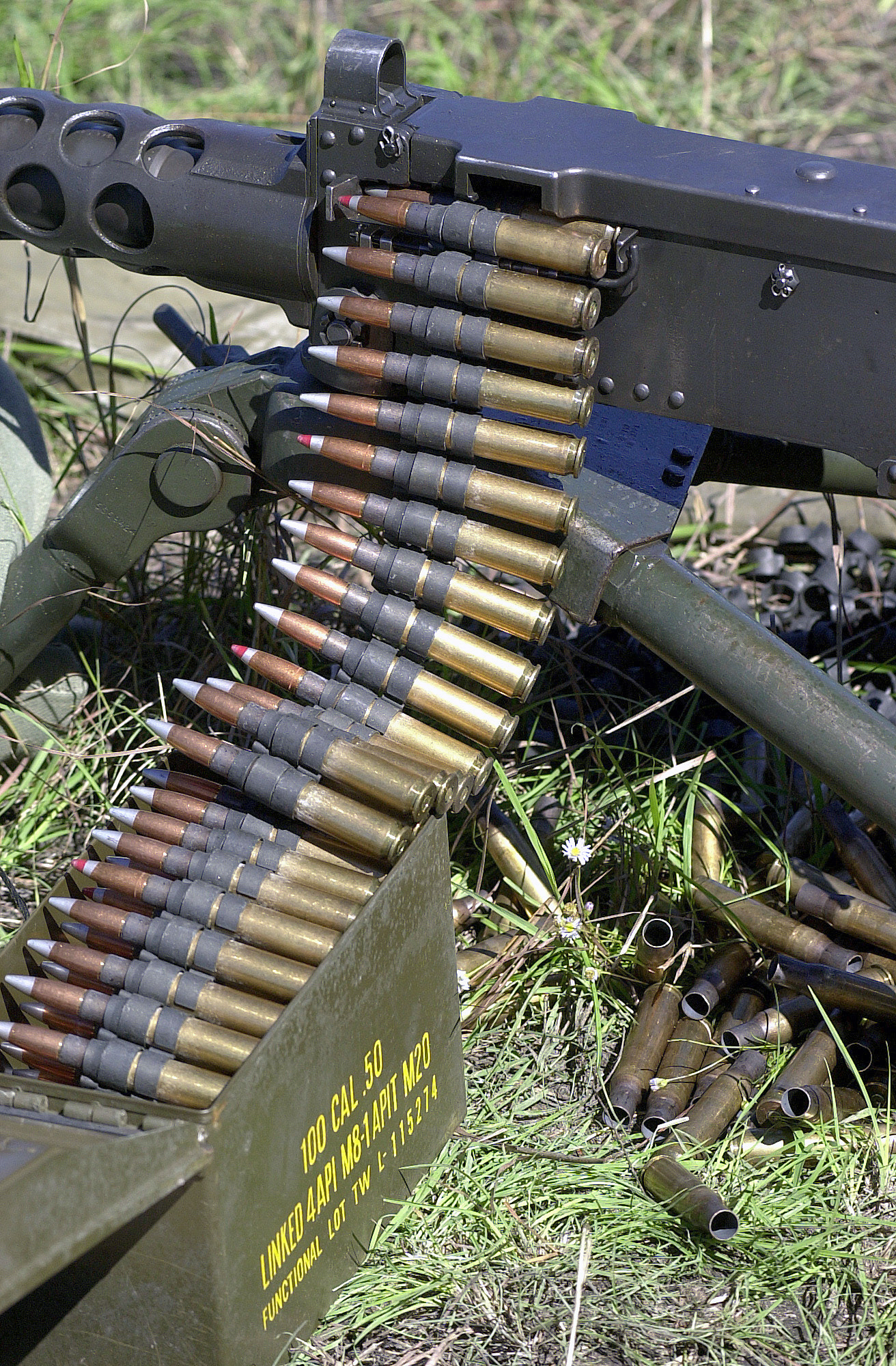
The United States is facing a protracted effort to rebuild its advanced weapons stockpiles following a recent month-long military campaign against Iran. An intelligence analysis indicates that the extensive expenditure of munitions has created a strategic window of vulnerability, potentially impacting future deterrence capabilities in other theaters. This situation highlights the significant challenge of restoring complex defense systems after prolonged operational use.
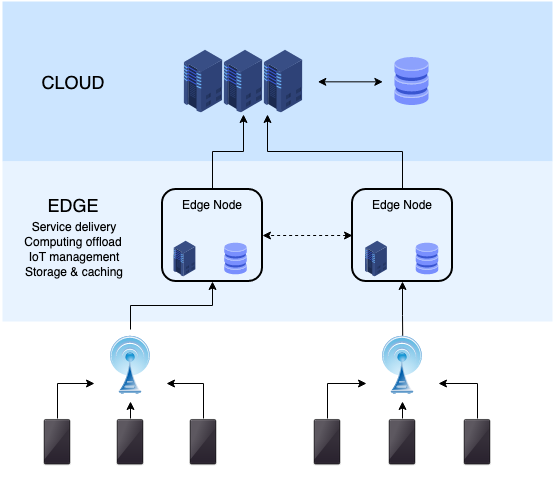
Military platforms across air, land, and sea face significant hurdles in adopting advanced edge computing capabilities and AI-driven applications. Current hardware architectures often hinder rapid technology insertion, leading to prolonged and costly upgrade cycles. A novel approach centered on modular processing systems is emerging to address these long-standing integration challenges.
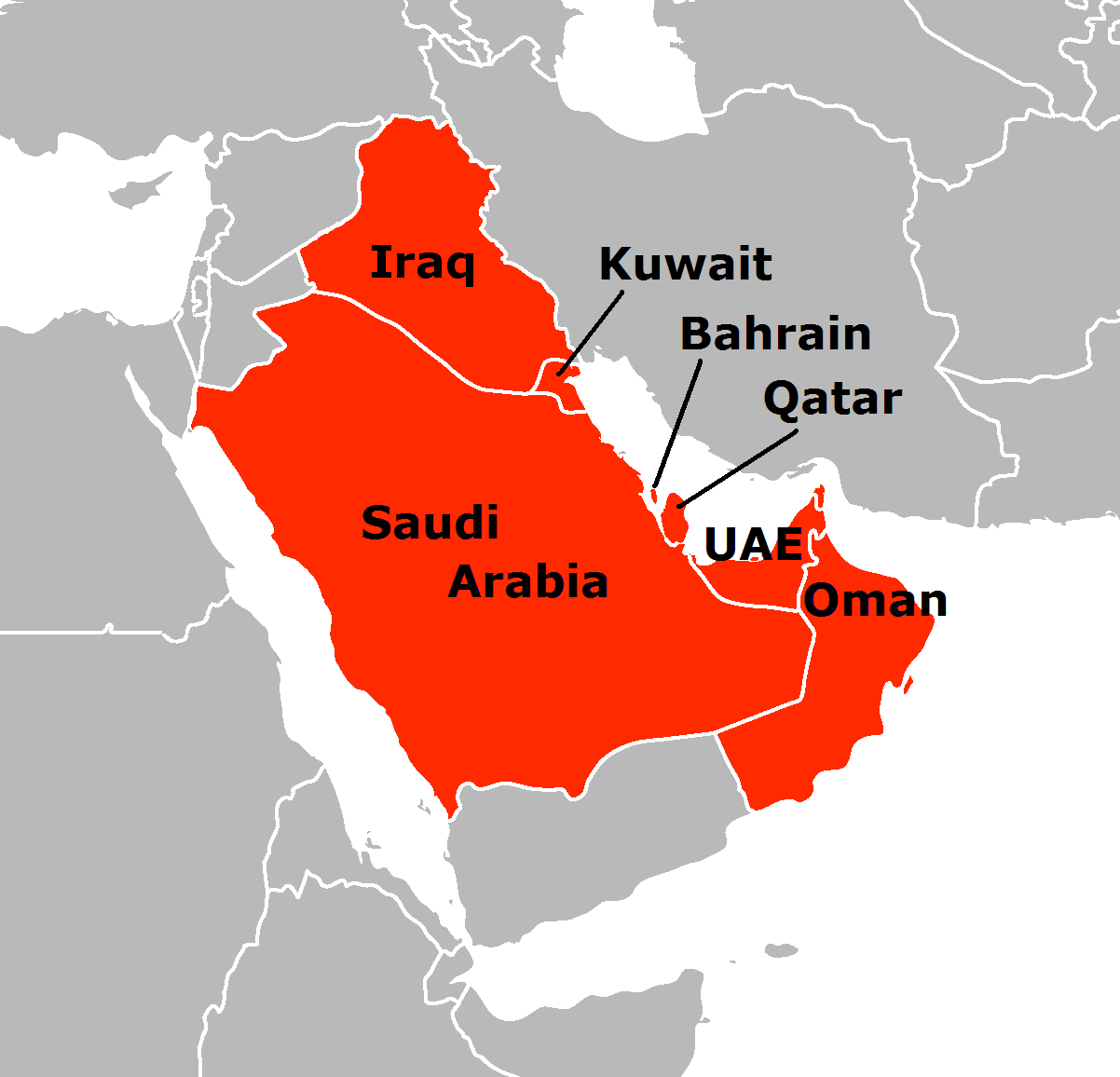
Following recent aerial hostilities, Gulf nations are markedly increasing their engagement with Turkish defense manufacturers for advanced air defense and counter-drone systems. This heightened interest underscores a regional imperative to bolster critical infrastructure protection, with Turkish firms uniquely positioned due to their readiness for technology transfer.

Financial institutions and their customers across Europe and Latin America face heightened risk from dual campaigns involving the Grandoreiro banking trojan and the BTMOB Android RAT. Threat actors are deploying increasingly sophisticated tactics, including supply chain compromise and peer-to-peer communication, to infiltrate systems and pilfer sensitive financial data.

Latvia is rapidly deploying new mobile counter-drone units to its eastern frontier in response to a recent surge in uncrewed aerial vehicle incursions. This proactive measure highlights the evolving low-altitude threat landscape in the Baltic region and the urgent need for agile defensive capabilities.

A senior Ukrainian military leader projects a critical six-month window for Kyiv to seize tactical initiative, believing a significant shift in the conflict's momentum is on the horizon. This assessment comes amidst reports of Russian troop exhaustion and intensified Ukrainian operations aimed at regaining battlefield advantage after more than two years of war.
The U.S. Army is fundamentally re-evaluating its combat medical protocols to prepare for potential large-scale conflict in the Indo-Pacific, moving away from the rapid evacuation models perfected in recent wars. This strategic pivot acknowledges the unique geographical and logistical challenges posed by an expansive theater with contested lines of communication.

The U.S. Special Operations Command is planning a significant expansion of drone testing capabilities in Mississippi, aiming to establish a state-of-the-art proving ground for autonomous systems. This initiative underscores the Pentagon's urgent drive to master sophisticated robotic warfare, driven by lessons from contemporary battlefields and strategic directives to enhance national drone dominance.

Turkey recently concluded a significant multinational military exercise, Efes 2026, drawing participation from dozens of nations to its Izmir region. This extensive drill showcased a broad spectrum of joint combat capabilities, emphasizing complex coordination across air, land, and sea assets under varied conditions.

The Department of the Air Force continues to refine the organizational framework for Space Force acquisition programs, a critical restructuring effort mandated by the Defense Secretary. This ongoing process aims to streamline the development and procurement of vital space capabilities by sorting them into new portfolio acquisition executive (PAE) units.
The Department of Defense has entered a significant agreement with Dell Federal Systems, valued at approximately $9.7 billion, to standardize its enterprise software landscape. This five-year initiative aims to consolidate Microsoft licenses and services across numerous defense and intelligence components, fostering greater operational efficiency and advanced capabilities.