
Pentagon’s DCDC Plans Critical Infrastructure Cyber Defense
- The DCDC, a sub-unified command under US Cyber Command, is crafting a joint task force structure for critical infrastructure defense.
- A primary objective is establishing unambiguous command and control protocols across various federal agencies during cyber incidents.
- Plans involve developing "digital green zones" to precisely identify and secure vital infrastructure components and data integrity.

A top Israeli cyber defense official has reported a significant evolution in Iran's state-sponsored hacking activities, indicating increased internal coordination and tool-sharing among its various units. This strategic shift reflects Tehran's adaptation to ongoing geopolitical pressures, leveraging advanced technologies to bolster its cyberwarfare capabilities.

The initial draft of the House's annual defense policy legislation reveals a significant funding shortfall for the upcoming fiscal year. While proposing substantial baseline spending, the bill defers hundreds of billions of dollars in critical military priorities, including key administration initiatives, to a separate, unapproved funding mechanism.

A global cybersecurity coalition has successfully dismantled the command-and-control infrastructure behind GlassWorm, a sophisticated malware campaign that has relentlessly targeted software developers. This significant disruption neutralizes a pervasive threat responsible for widespread supply chain compromises and credential theft across hundreds of software repositories.

Enterprises face a growing cybersecurity challenge as employees increasingly adopt unapproved artificial intelligence tools to boost productivity. This 'shadow AI' phenomenon creates significant blind spots, often exposing sensitive corporate data to unvetted third-party services. Addressing this gap requires a proactive strategy that balances innovation with robust security oversight.

A newly discovered malicious package circulating on the npm registry has been identified as an information stealer, specifically targeting user data associated with Anthropic's Claude artificial intelligence tool. This threat actor leveraged a deceptive utility to exfiltrate sensitive files, demonstrating an evolving attack vector against AI integration environments and a new frontier for data theft.

India has successfully finalized developmental assessments for a new precision-guided missile designed for deployment from unmanned aerial vehicles, significantly expanding its combat capabilities. This initiative marks a strategic shift for the nation, moving beyond traditional intelligence roles for its drone fleet to integrate potent offensive and defensive functions. The domestically developed weapon underscores a growing commitment to self-reliance in advanced defense technologies.

The United States is reportedly preparing to drastically scale back its military commitments available for NATO contingency operations, a move that could significantly alter the alliance's defensive posture in Europe. This potential shift arrives amidst ongoing strains within the transatlantic partnership, exacerbated by concerns over Washington's long-term engagement and calls for greater European burden-sharing.

The United States Army has begun fielding its initial delivery of advanced Javelin missile launch units, marking a significant upgrade to a system pivotal in contemporary conflict zones. These lighter, more capable platforms aim to enhance infantry effectiveness and responsiveness on the battlefield. This development reflects ongoing efforts to modernize key anti-armor capabilities.
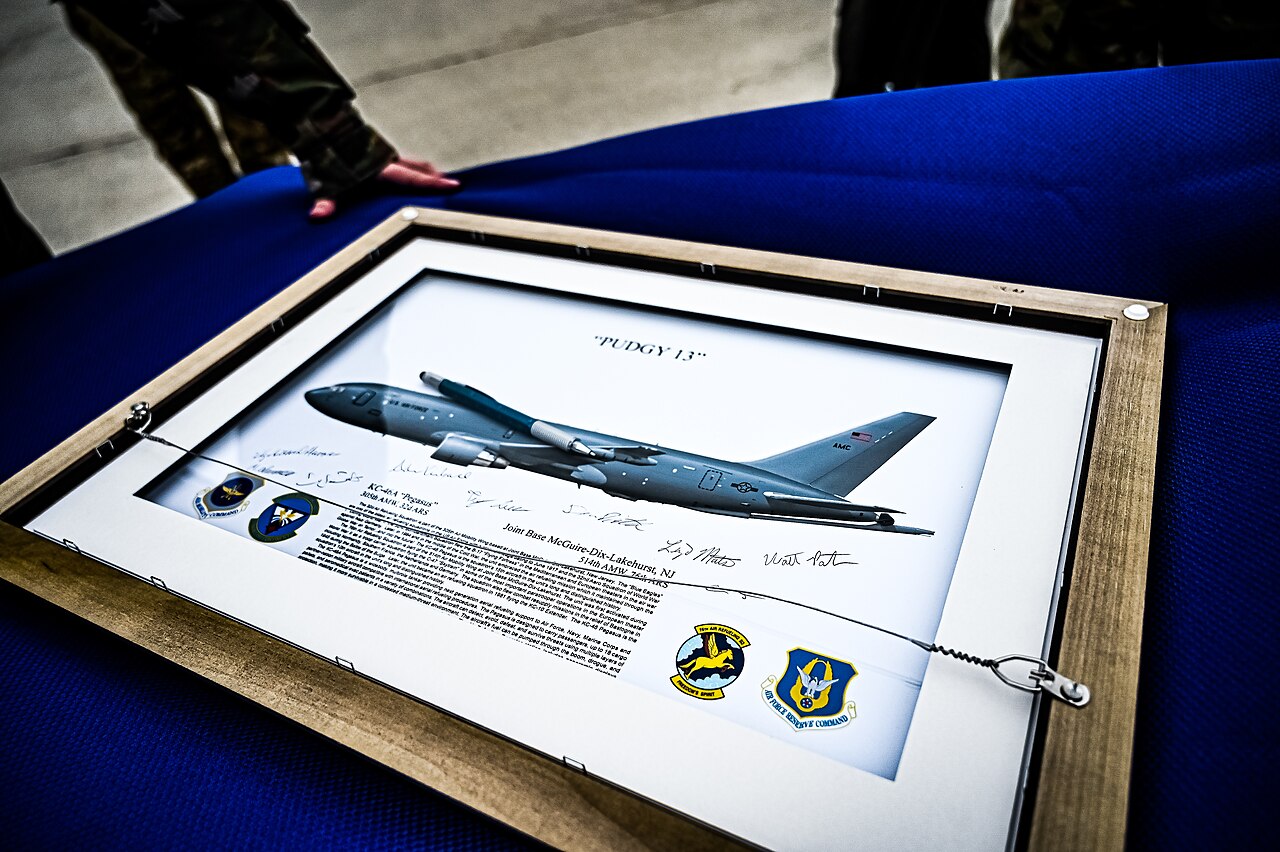
Israel has taken delivery of its initial KC-46 aerial refueling tanker, a significant modernization step for its air force. This acquisition marks a critical upgrade to an aging fleet, essential for supporting long-range operations and projecting power across the region. The move comes as the Israeli Air Force expands its advanced fighter squadrons, underscoring the strategic importance of enhanced air refueling capacity.

Canada is significantly expanding its defense industrial collaboration with Poland, which includes the acquisition of Polish-made drone systems. This strategic partnership is notably underpinned by Canada's distinctive access to a substantial European defense funding and procurement initiative, marking a new chapter in transatlantic defense cooperation.
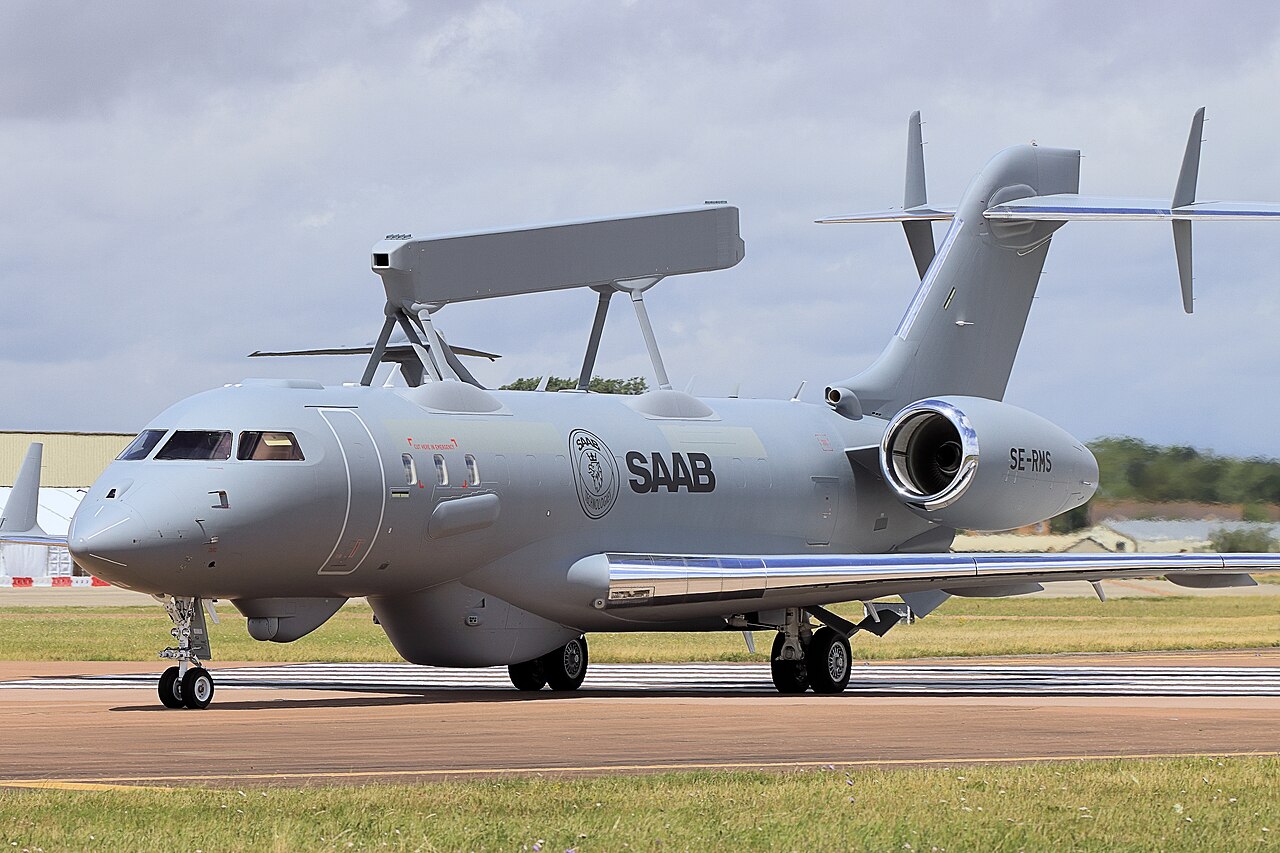
Canada has signaled a strong intent to procure Saab's GlobalEye platform, advancing negotiations to secure its next-generation airborne early warning and control aircraft. This strategic decision marks a pivotal moment for Ottawa's defense posture, particularly enhancing long-range surveillance and threat detection capabilities across its vast northern regions.
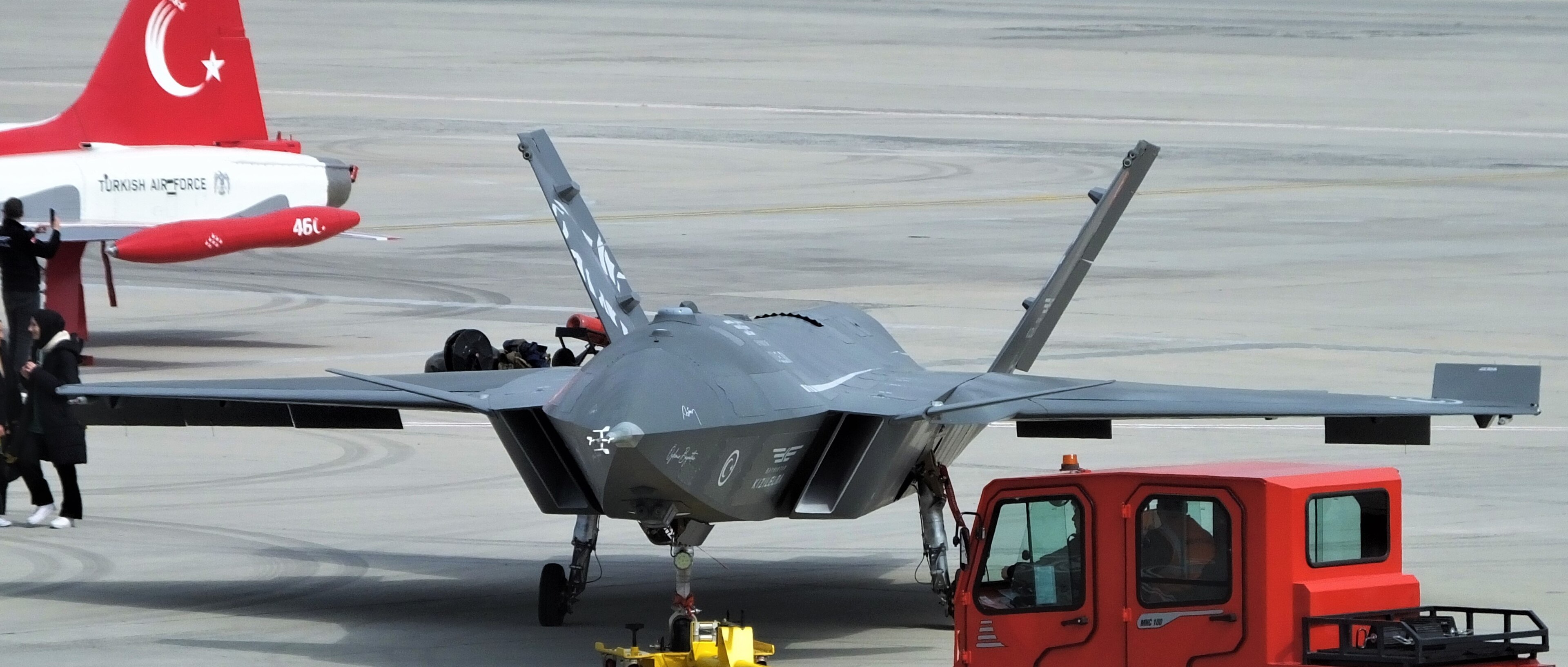
The strategic landscape for unmanned aerial systems is rapidly evolving, with key global powers and their alliances increasingly focused on the development of AI-powered loyal wingman drones. This burgeoning technology represents a pivotal shift in aerial combat doctrine, prompting nations to adapt their industrial capacities and operational strategies. A critical examination reveals varied philosophies on integration and deployment, from advanced Western concepts to competitor approaches.