
Pentagon’s DCDC Plans Critical Infrastructure Cyber Defense
- The DCDC, a sub-unified command under US Cyber Command, is crafting a joint task force structure for critical infrastructure defense.
- A primary objective is establishing unambiguous command and control protocols across various federal agencies during cyber incidents.
- Plans involve developing "digital green zones" to precisely identify and secure vital infrastructure components and data integrity.

The paradigm of cybersecurity is undergoing a critical transformation as threat actors increasingly leverage stolen credentials to infiltrate networks, sidestepping conventional perimeter defenses entirely. This pervasive tactic allows malicious actors to operate as legitimate users, presenting an acute challenge for detection and response efforts across all sectors.

Microsoft has acknowledged a significant operational disruption affecting Windows Server 2016, where a recent security update is precipitating failures in domain controller lookups. This newly identified flaw could severely impede network functionality for specific server configurations, hindering essential administrative operations.

The U.S. Cybersecurity and Infrastructure Security Agency (CISA) has issued a critical directive for federal agencies, demanding immediate remediation of an actively exploited SQL injection vulnerability within the Drupal content management system. This high-severity flaw, capable of enabling unauthorized access and data compromise, underscores persistent threats to vital government infrastructure.
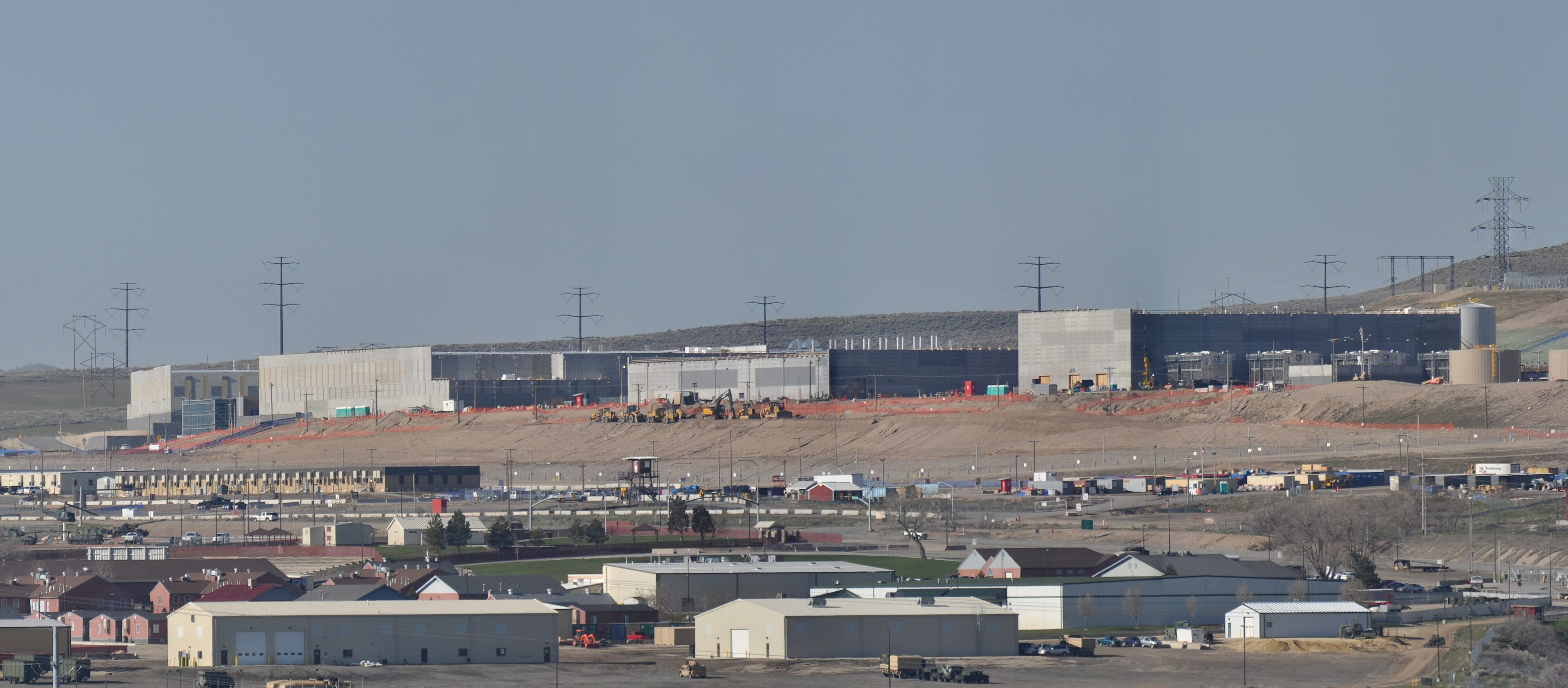
Charter Communications, a significant US telecommunications provider, has acknowledged a data security incident following an extortion attempt by the prolific ShinyHunters threat group. The confirmation comes as the group claimed to have exfiltrated extensive customer records, prompting a critical examination of enterprise security postures against evolving social engineering tactics.

A critical zero-day vulnerability within a prominent learning management system (LMS) has been actively exploited, granting attackers unauthenticated remote code execution. This incident underscores a persistent weakness in enterprise software configurations, allowing sophisticated adversaries to establish enduring footholds within targeted networks.

Microsoft has released urgent security updates addressing a critical remote code execution vulnerability discovered in its widely deployed SharePoint platform. This significant flaw, requiring only authenticated access without elevated privileges, poses a substantial risk to organizations relying on the collaborative software suite for vital operations.

Adversaries are now leveraging advanced artificial intelligence, drastically escalating the sophistication and speed of distributed denial-of-service (DDoS) attacks. This shift fundamentally alters the threat landscape, rendering traditional cybersecurity measures increasingly obsolete in the face of rapidly adapting AI-driven threats. Organizations must urgently re-evaluate their protective strategies to counter these intelligent, adaptive threats.

The Pentagon recently agreed to a significant increase in charges for Starlink satellite communications, impacting the operational costs of kamikaze drones deployed in the conflict with Iran. This development underscores the growing strategic leverage held by commercial providers over critical military capabilities. The price adjustment surfaced amidst a broader push by SpaceX to boost revenue ahead of a major financial event.

A prominent private fighter pilot academy in Canada has finalized an agreement to acquire advanced M-346 trainer jets from Italian aerospace manufacturer Leonardo. This strategic procurement aims to significantly modernize pilot instruction, specifically preparing future aircrew for the complex operational demands of fifth-generation combat aircraft.
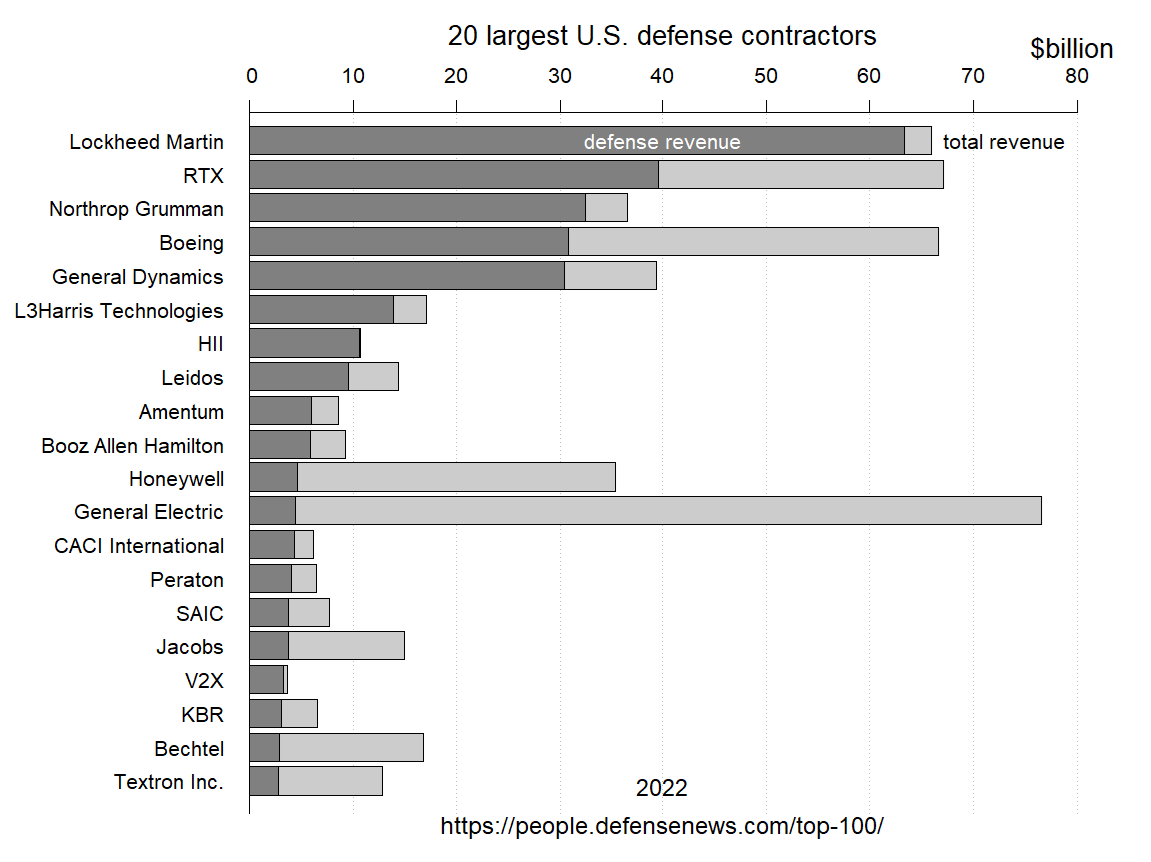
The House Armed Services Committee has unveiled its ambitious defense policy legislation for fiscal year 2027, earmarking over a trillion dollars with a pronounced focus on bolstering the nation's defense industrial base. This legislative push aims to address critical shortcomings in manufacturing capacity for key munitions, advanced aircraft, and naval vessels, ensuring future military readiness and global power projection.
The ongoing conflict involving Iran is creating significant budgetary pressures for the U.S. military, with lawmakers now scrutinizing potential shortfalls in the upcoming fiscal year 2027 defense authorization. Soaring aviation fuel expenses, a direct consequence of the war, threaten to disrupt projected operational costs across all service branches, particularly the Air Force. This financial strain complicates strategic planning and resource allocation for national security.

The U.S. Defense Advanced Research Projects Agency (DARPA) is actively soliciting proposals for advanced robotic systems to revolutionize battlefield casualty care. This initiative seeks to deploy autonomous medicbots capable of critical interventions in scenarios where traditional medical support is overwhelmed by large-scale combat operations.