WASHINGTON —The House Armed Services Committee has unveiled its $1.15 trillion defense policy bill for fiscal 2027, with lawmakers putting their legislative muscle into boosting weapons production for critical munitions, fighter jets and warships.
The bill authorizes the amount requested in the president’s FY27 discretionary request but does not factor in the $350 billion in the Pentagon’s mandatory funding request, which would bring national security spending to $1.5 trillion in FY27. Whether the department gets that funding will depend on if Republicans can muster the political willpower to push through another reconciliation bill — a tall order as GOP lawmakers are still working to pass a separate reconciliation bill centered around immigration enforcement.
HASC will debate amendments and mark up the bill on June 4 in what is typically a marathon session that stretches late into the night.
Rather than big changes to the annual funding levels for weapons programs, HASC Chairman Mike Rogers, R-Ala., focused on the long-term expansion of the defense industrial base.
“We no longer have the capacity to build the capability for the war fighter at scale and speed. In some cases, manufacturing capacity just doesn’t exist,” said a senior majority committee staffer, who spoke to reporters on background.
The bill includes multiyear authority for the department to procure certain critical munitions, which would allow the Pentagon to solidify framework agreements with contractors that it has announced throughout this year. The 13 munitions include Patriot PAC-3 interceptors, THAAD interceptors, AMRAAM air-to-air missiles, Tomahawk cruise missiles and several Standard Missile variants, among others.
It also includes multiyear procurement authority for the F-15EX, F-35 Joint Strike Fighters, Arleigh Burke-class destroyers and oilers.
The draft NDAA incorporates legislative provisions meant to shore up solid rocket motor manufacturing, which has historically been a fragile element of the munitions supply chain. The bill would establish a solid rocket motor qualification working group and would require that certain munitions have more than one solid rocket motor supplier.
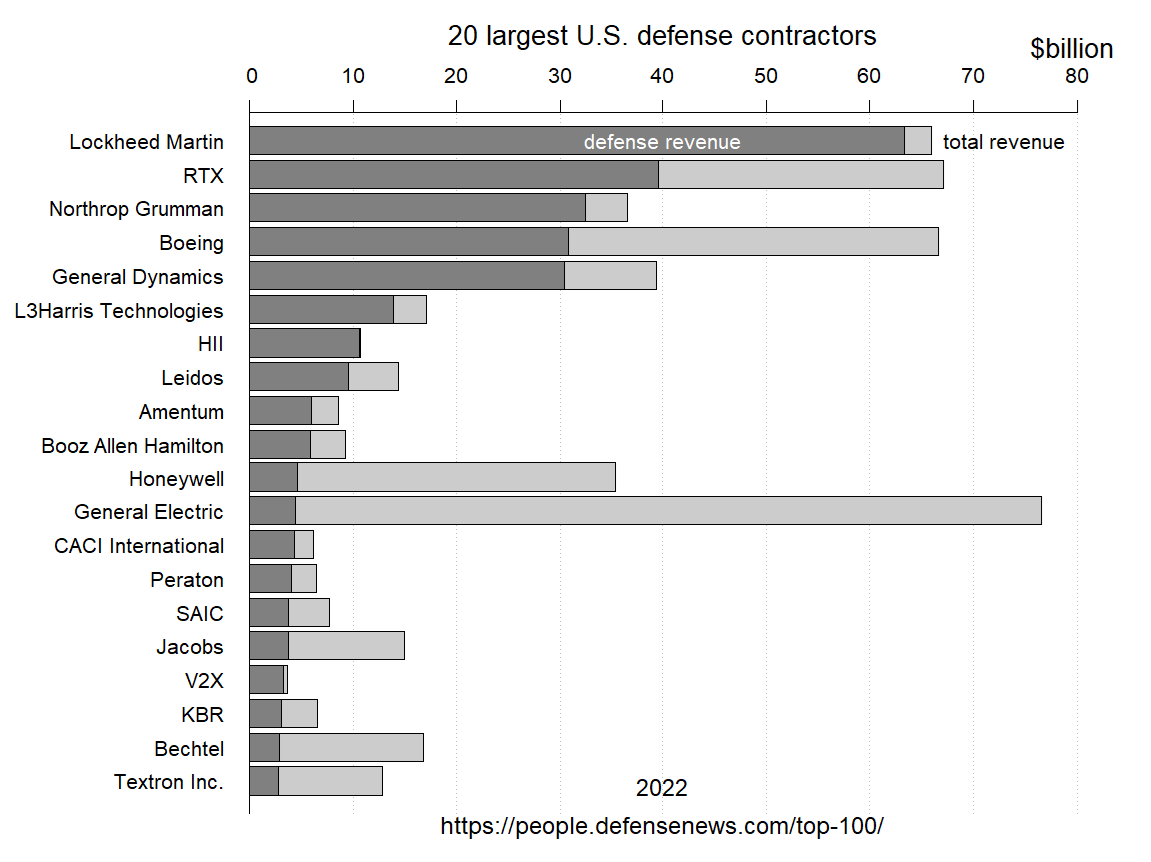
While HASC remains supportive of the Pentagon’s efforts to boost SRM production, the committee softly criticized Pentagon’s plan to take a $1 billion direct equity investment in L3Harris’s missile solutions spin off, stating in the chairman’s mark that there are “other tools that could be used in a more expeditious manner given the importance of increasing munition production.”
During the background briefing, the staffer said the L3Harris deal was the first deal in which the Pentagon made a direct investment in a space where there are already new entrants trying to stand up production.
“The concern among some members was if the department comes in and puts their finger on the scale for L3, in this case, what does that mean for these startups who are trying to go to the same capital market and raise funds for their production initiatives?” the staffer said.
Lawmakers also want to know more about the munitions planned to be used as part of the Golden Dome missile shield, one of the administration’s highest priority programs. If passed, the bill would call on the Pentagon to submit “an alternative plan with respect to procuring munitions” for Golden Dome. Specifically, the report should lay out the munitions and procurement quantities needed by 2028, production plans for the munitions, and information about the feasibility of alternative munitions for air and missile defense.
Elsewhere in the bill, as the US considers troop reductions in Europe, HASC lawmakers included some provisions in the draft NDAA that would pose roadblocks, but not completely clamp down on the Trump administration.
It would extend funding restrictions in the FY26 NDAA that would kick in should the number of troops deployed to US European Command go below a 76,000 person threshold, but further action by lawmakers is likely.
“I think you’ll see some amendments on that as we move into markup,” the majority staffer said. “A lot of members feel very strongly about European force posture.”
The bill also would require several reports concerning force structure changes in Europe. The first would force the Pentagon’s policy chief to submit a report on “the analytical basis for the review of global force posture conducted during development of the National Defense Strategy, including the extent to which that analysis informed the force posture adjustments” in Europe.
The second report, signed off by the EUCOM commander, would revolve around NATO defense planning and burden sharing, with specific attention paid to NATO’s posture on the eastern flank.
The draft NDAA does not contain any funding specifically earmarked for Ukraine, but the staffer stated that HASC members remain broadly supportive of Ukraine and that amendments related to Ukraine could come up during week’s markup.
Doubling Down On The Defense Industrial Base
Authorizers are doubling down on the FY26 NDAA’s focus on acquisition reform, with the FY27 bill centered on revitalizing the defense industrial base.
“We tilled the soil last year by trying to improve acquisition processes to make it more commercial, so that it’s easier for industry to work with the government,” Rogers told Breaking Defense in a February interview. “That was on purpose, because we do have to expand the defense industrial base. It’s gotten very small, and it’s atrophied, and it needs a lot of attention.”
At the time, Rogers said the committee had already started interviewing tech firms about what legislative actions could be taken to incentivize more work in the defense sector, as well as asking defense primes what they need to expand.
Some of the fruits of those efforts include language in the NDAA that would expand the use of Defense Industrial Base Fund for private-sector drydock and ship repair infrastructure. It also adds workforce development initiatives for domestic critical minerals production.
Other language would prevent the Pentagon from reducing or suspending progress payments to companies unless it meets certain criteria, as well as force the Pentagon to adjust current inflation thresholds every three years instead of every five years.
As the Pentagon expands the defense industrial base, HASC also wants to make sure that the department ensures that adversaries like China aren’t providing backdoor funding to new defense firms. The bill requires the Pentagon to stand up an office in the Office of Industrial Base Policy that would be responsible for reviewing and mitigating the risk of adversary capital inside the defense industrial base.
It also would mandate a new Economic Security Risk Assurance tool, which would provide risk analysis and data visualization for department officials.
More C-130s And Helicopters, Questions For Battleship Program
While the HASC bill provides the first look on how Congress will approach the FY27 defense budget, the NDAA only provides spending recommendations, with appropriators having the final say on funding decisions. That said, the bills are filled with legislative provisions that have major implications for major weapons programs.
The draft legislation includes a section that would bar the Navy from entering a contract or other agreement that “includes a scope of work for the construction” of the first Trump-class battleship until the secretary of the Navy certifies to lawmakers that the weapons systems the Navy wants to include on the lead ship are “at a sufficiently mature technology readiness level.”
Meanwhile, multiple lawmakers have questioned the value of the battleship, particularly given the steep cost associated with the vessel. The Navy is requesting approximately $1 billion in advance procurement and roughly $837 million in research and development funds for the battleship in fiscal year 2027, and is planning to re