
Pentagon’s DCDC Plans Critical Infrastructure Cyber Defense
- The DCDC, a sub-unified command under US Cyber Command, is crafting a joint task force structure for critical infrastructure defense.
- A primary objective is establishing unambiguous command and control protocols across various federal agencies during cyber incidents.
- Plans involve developing "digital green zones" to precisely identify and secure vital infrastructure components and data integrity.
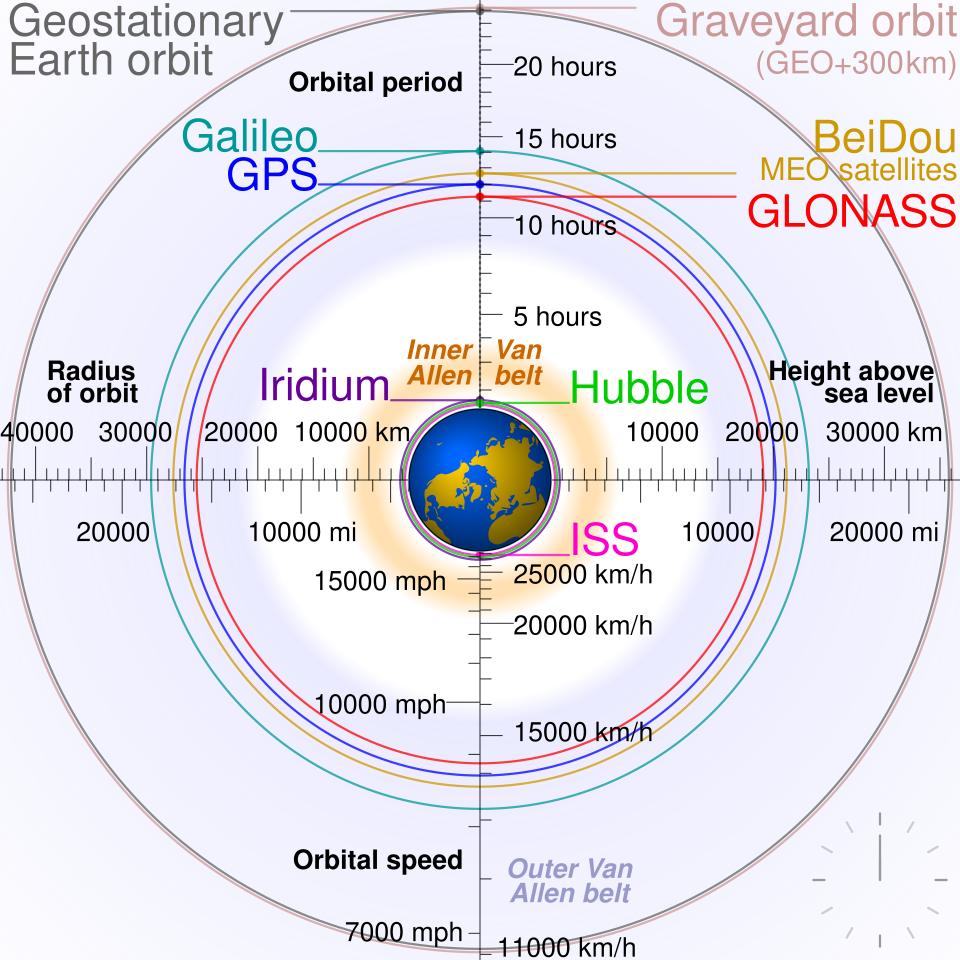
The modern battlefield is rapidly redefining how forces navigate, target, and survive, largely due to the pervasive threat to satellite-based positioning systems. With advanced electronic warfare and counterspace capabilities becoming routine, the era of uncontested GPS dominance is unequivocally over. Ensuring uninterrupted operational effectiveness now hinges on adopting robust, infrastructure-independent navigation technologies.

Ukrainian special operations forces are set to receive enhanced protection for their 4x4 vehicles from overhead drone attacks, thanks to a new ballistic protection kit developed by an Australian defense firm. This initiative directly addresses the escalating threat posed by small, first-person-view drones in modern conflict zones.

The Air Force's ambitious program to develop next-generation adaptive fighter jet engines has encountered another significant setback, with prototyping now projected to conclude in 2031. This latest extension builds on prior delays, pushing the timeline for this crucial propulsion technology further into the future.

The U.S. Navy has executed a major organizational overhaul of its information warfare leadership, dissolving a key command structure to better adapt to modern warfighting demands. This strategic realignment aims to integrate critical intelligence, cyber, and network functions more effectively across its operational framework.

The U.S. Army has begun receiving the initial shipments of advanced next-generation Javelin weapon launchers from the Raytheon and Lockheed Martin joint venture. This significant upgrade introduces the Lightweight Command Launch Unit (LWCLU), designed to modernize anti-tank capabilities and enhance warfighter effectiveness on the battlefield.

Congressional skepticism is mounting over the Navy's next-generation battleship program, with the House Armed Services Committee moving to block construction contract awards until detailed design specifications and technology readiness levels are thoroughly demonstrated. This legislative push underscores a broader concern about the immense financial commitment and the integration of unproven combat systems into a future fleet cornerstone.

The Space Force has committed over two billion dollars to SpaceX for the rapid development of its low Earth orbit (LEO) communications infrastructure. This substantial investment is designed to expedite the deployment of a critical data transport network essential for linking U.S. military sensors and targeting systems globally.

The House Armed Services Committee is still awaiting the official budget amendment required to fund the E-7 Wedgetail, despite recent assurances from the Defense Department to support the advanced radar aircraft. This procedural delay means initial drafts of the upcoming defense authorization act do not yet include critical procurement allocations for the platform.

Evidence suggests that Russian-manufactured cluster munition submunitions have been deployed in northern Mali, a nation that is a signatory to the international convention prohibiting such weapons. This discovery follows recent airstrikes announced by Malian forces, operating with support from Russian paramilitary groups, amid an intensifying conflict with various insurgent factions. The presence of these munitions raises significant questions about adherence to international law and the nature of foreign military assistance.

Groundbreaking research reveals a novel method for human identification leveraging common Wi-Fi signals present in almost every environment. This technique, known as Wi-Fi sensing, transcends traditional network analysis by interpreting how radio waves interact with individuals. It transforms everyday wireless infrastructure into a potential tool for detailed environmental and human presence mapping.

A recent cybersecurity incident at the convenience store giant 7-Eleven has led to the compromise of personal data for approximately 185,000 individuals. The notorious ShinyHunters extortion group has claimed responsibility for the breach, which reportedly targeted the company's Salesforce environment. This event highlights persistent vulnerabilities within widely-used enterprise platforms.
A significant advancement in AI security emerges as Varonis Atlas now integrates with Anthropic's Claude Compliance API. This strategic move aims to provide organizations with enhanced visibility and robust governance over their AI deployments, from general enterprise use to custom application development. The collaboration addresses the critical need for comprehensive oversight as AI systems become central to daily operations and innovation.