Pentagon’s DCDC Plans Critical Infrastructure Cyber Defense
- The DCDC, a sub-unified command under US Cyber Command, is crafting a joint task force structure for critical infrastructure defense.
- A primary objective is establishing unambiguous command and control protocols across various federal agencies during cyber incidents.
- Plans involve developing "digital green zones" to precisely identify and secure vital infrastructure components and data integrity.

The Iranian state-sponsored threat group MuddyWater has expanded its cyber espionage footprint, deploying sophisticated DLL side-loading techniques against a diverse array of global organizations. This recent campaign, spanning multiple continents and critical infrastructure, signifies a notable evolution in the group's operational sophistication and targeting strategy.
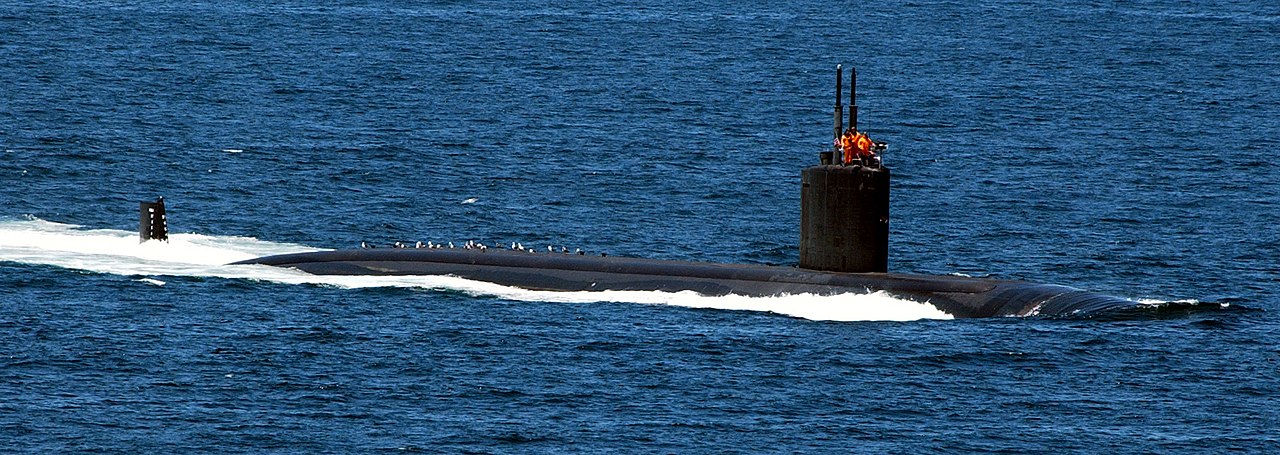
Australia has commenced a controversial life-extension program for its aging Collins-class submarine fleet, an initiative immediately flagged by national auditors as inherently high-risk. This critical effort aims to bridge a capability gap until the nation acquires its new nuclear-powered submarines under the AUKUS pact, a process expected to span decades.

While venture capital pours into orbital data centers, touting their potential for AI processing, key national security agencies currently demonstrate limited direct interest or funding. This emerging space technology, envisioning server constellations replicating Earth-based compute, faces a critical evaluation period from defense and intelligence sectors. The emphasis remains on proving technical viability and a compelling business case before widespread adoption.

Turkey's extensive Efes 2026 military exercise marked a significant expansion in participation, notably including Syria for the first time among nine new nations. This iteration showcased a robust array of homegrown defense technologies and complex multi-domain operations.
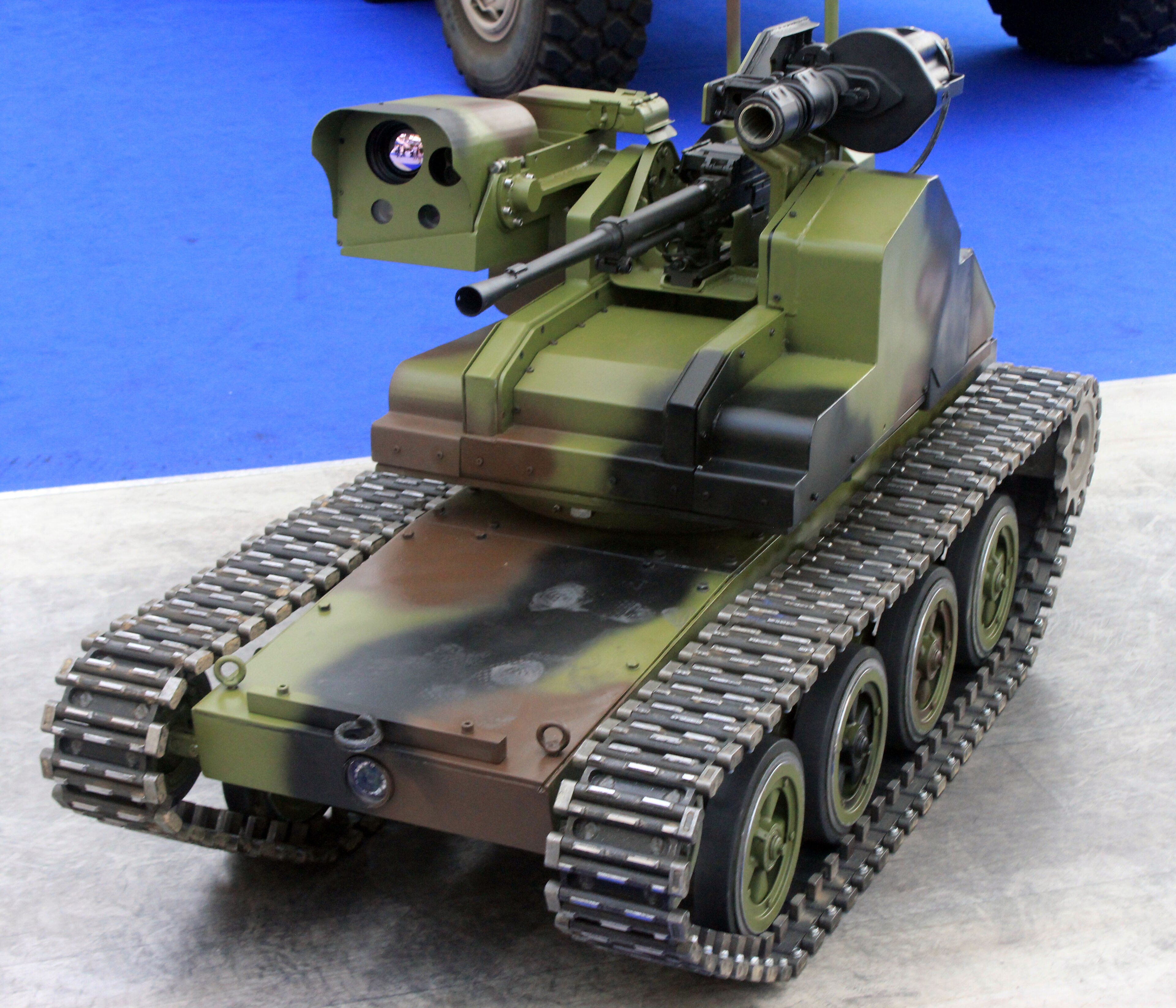
Recent NATO exercises in Latvia provided a critical testing ground for the integration of unmanned ground vehicles (UGVs) into combat operations. These deployments highlight the alliance's accelerating push towards advanced manned-unmanned teaming (MUM-T) capabilities. Such initiatives reflect a strategic evolution rooted in decades of military doctrine, moving beyond mere technological adoption to fundamental operational shifts.
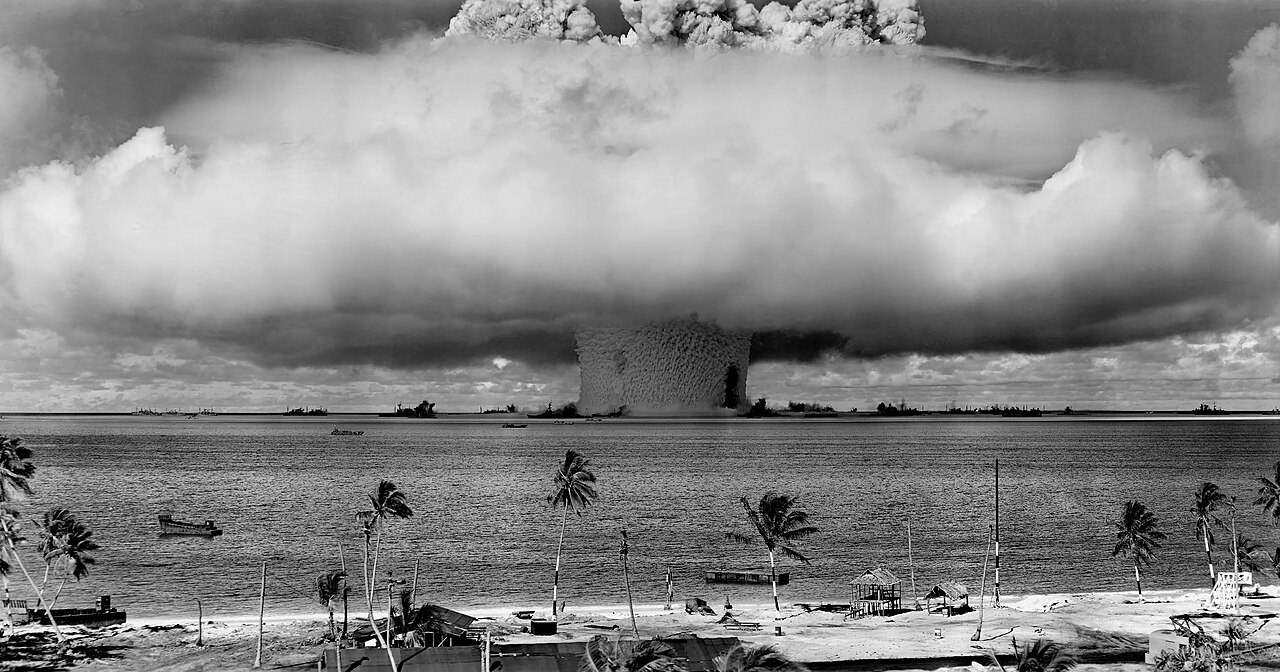
South Korea has formally unveiled an ambitious plan to develop its own nuclear-powered submarine fleet, with projections aiming for the first vessel to be operational by the latter half of the 2030s. This strategic initiative marks a significant step in Seoul's defense posture, signaling a commitment to enhanced naval capabilities through domestic innovation.
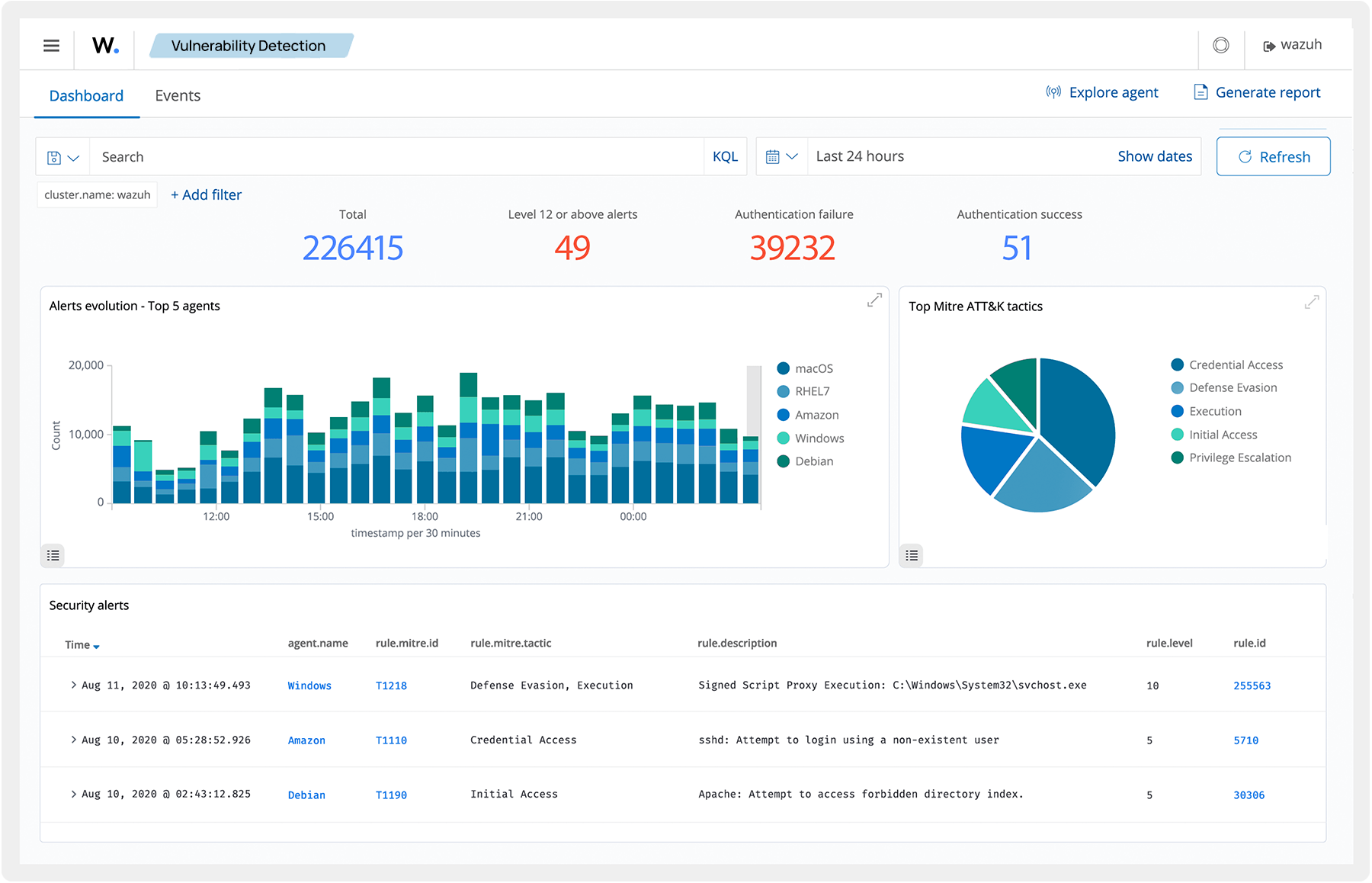
A recent virtual summit focused on advanced threat detection and incident response strategies is now available for on-demand access. This critical resource offers cybersecurity professionals deep insights from industry leaders on strengthening digital defenses against an evolving threat landscape.

A data compromise affecting convenience store giant 7-Eleven has reportedly exposed personal details for nearly two hundred thousand individuals. This incident, which became public earlier this month, involved franchise-related systems and highlights the ongoing threat posed by prolific cyber extortion groups targeting major enterprises.
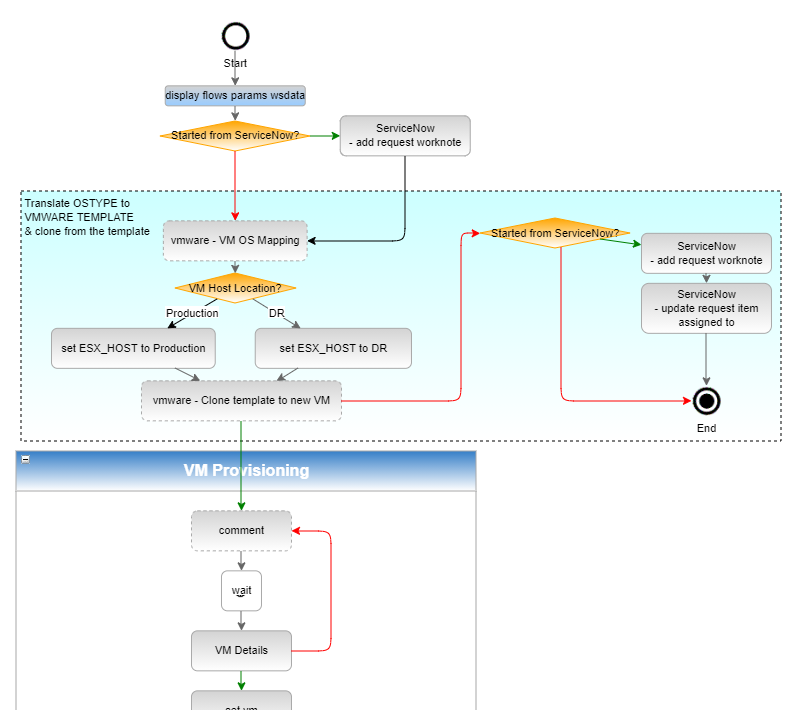
Network incident response efforts are increasingly hampered by an overload of disparate security tools and platforms, leading to significant delays in addressing critical threats. This fragmentation forces security teams into time-consuming manual processes, diverting resources from effective threat mitigation and potentially escalating service disruptions.
A critical zero-day vulnerability in the Digital Knowledge KnowledgeDeliver Learning Management System (LMS) has been actively exploited to compromise targeted systems. This sophisticated attack chain leveraged a fundamental flaw in the platform's architecture, allowing threat actors to inject persistent web shells and deploy advanced persistent threat tools.

A prominent Iranian state-sponsored cyber espionage group, Nimbus Manticore, is deploying new sophisticated backdoors, MiniFast and MiniJunk, against high-value targets in aviation and software. Evidence suggests these tools may have leveraged artificial intelligence in their development, marking a significant advancement in the adversary's capabilities and operational tradecraft.

India's primary cybersecurity agency has issued an urgent directive for organizations to remediate critical internet-facing vulnerabilities within a swift 12-hour window. This unprecedented speed requirement is a direct response to the escalating threat landscape, where artificial intelligence tools are dramatically accelerating the pace and sophistication of cyberattacks.