
DoD Cyber Strategy Charts AI-Driven Force Future
- The upcoming DoD cyber strategy will explicitly define the integral role artificial intelligence is expected to play in empowering future cyber operations.
- The new policy aims to extend cyber considerations beyond specialized units, integrating them across all departmental personnel and commanders.
- It emphasizes forging a robust operational partnership with the private sector to accelerate the development and deployment of AI solutions.
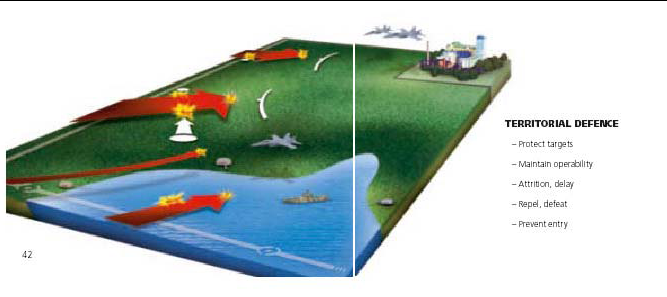
The U.S. Marine Corps is set to unveil "Ground Combat Element 2040," a pivotal new land warfare doctrine designed to prepare its forces for high-end, near-peer conflicts where all domains are contested. This framework complements the service’s broader Force Design 2030 initiative by explicitly addressing the future of ground operations, including the rapid fielding of organic, dismounted counter-UAS kits and adapting acquisition processes based on real-world lessons from the war in Ukraine.

A Chinese national accused of leading state-sponsored cyberattacks, including the theft of COVID-19 vaccine research and exploitation of Microsoft Exchange zero-days, has been extradited from Italy to the United States. Xu Zewei, allegedly linked to the notorious Silk Typhoon (Hafnium) hacking group, faces charges for operations directed by China's Ministry of State Security against American organizations and government agencies. This marks a significant development in international efforts to hold state-backed cybercriminals accountable.

The exploit window for cybersecurity vulnerabilities is rapidly closing, as advanced AI models like Anthropic's Claude Mythos can now discover critical flaws in minutes, a task that once took human experts weeks. This dramatic acceleration has prompted urgent discussions among top financial leaders, highlighting how AI capabilities are fundamentally reshaping organizational risk profiles across all industries. Consequently, the traditional "patch faster" security model is now obsolete, necessitating a strategic pivot towards an assume-breach posture focused on rapid detection and containment.

A critical unpatched vulnerability, CVE-2026-25874 (CVSS 9.3), has been disclosed in Hugging Face's widely-used LeRobot open-source robotics platform, potentially exposing AI inference systems to remote code execution. This severe flaw stems from unsafe deserialization via the pickle format over unauthenticated gRPC channels, allowing attackers to compromise both server and client components. Despite its critical nature, a fix is not expected until version 0.6.0, leaving current deployments significantly exposed.

A new report reveals a critical oversight in defense cybersecurity, with 84% of government IT leaders acknowledging the high risk of sharing sensitive data, yet a shocking 53% still relying on manual processes for data movement. This 'Zero Trust gap' — not identity or endpoints, but the very movement of data itself — is identified as the hidden bottleneck stalling critical security programs, even as national security organizations endure 137 cyberattacks weekly.

Threat hunters are issuing urgent warnings about VECT 2.0, a cybercriminal operation that, despite being marketed as ransomware, functions as an irreversible data wiper. A critical flaw in its encryption implementation across Windows, Linux, and ESXi variants means files over 131KB are permanently destroyed, rendering any payment for decryption entirely futile. This effectively transforms what appears to be a ransom demand into a guaranteed data destruction event, with no possibility of recovery.

A new autonomous Unmanned Ground Vehicle (UGV), MESA, has been unveiled by autonomy developer Forterra and vehicle manufacturer Polaris, designed specifically for critical military CASEVAC and logistics missions. Based on a modified Polaris Ranger XD 1500, the platform aims to significantly enhance support capabilities on the battlefield while minimizing risk to warfighters. This collaboration leverages Polaris's established production lines with Forterra's advanced autonomy stack, AutoDrive, and Vektor communications for challenging environments.

The U.S. Army has launched a new initiative, the Rapid Electromagnetic Warfare & Signals Intelligence (REWSI) Commercial Solutions Offering, to aggressively source and integrate commercial EW and SIGINT technologies. This strategic shift aims to create a dynamic 'library' of rigorously vetted solutions, enabling commanders to rapidly deploy advanced capabilities directly from the market. The move underscores the Army's commitment to bypassing traditional lengthy development cycles in favor of swift, commercially-driven modernization to counter evolving threats.

MetroStar Systems has officially lodged the first pre-award protest against the U.S. Army's massive 10-year, $50 billion Marketplace for the Acquisition of Professional Services (MAPS) contract. This challenge at the Government Accountability Office introduces significant uncertainty for a vehicle already plagued by widespread industry complaints regarding transparency, small business evaluation concerns, and slow responses from the Army. The filing further jeopardizes the May 8 proposal deadline for what some have described as a "hot mess."

The White House has issued a stark warning that China is engaging in "industrial-scale" AI distillation campaigns against U.S. frontier models, prompting a prominent AI policy group to call for an immediate halt to advanced AI chip exports. Americans for Responsible Innovation argues that such a ban is essential to prevent Beijing from replicating American AI capabilities and mitigate escalating national security risks. This development escalates concerns over technology transfer and the race for AI dominance.
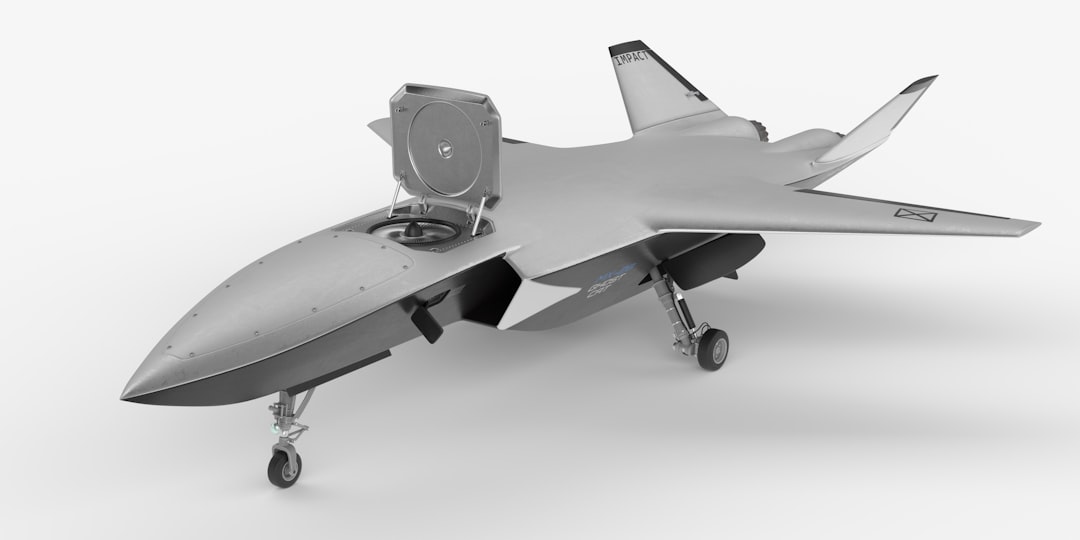
Textron has unveiled the RIPSAW M1 autonomous ground vehicle (AGV) at the Modern Day Marine conference, a strategic move aimed at expanding the US Marine Corps' unmanned vehicle capabilities for littoral warfare. This debut signals Textron's proactive investment in future Marine needs, presenting the M1 not as a replacement, but as a crucial augmentation for existing manned platforms. Designed with a Modular Open Systems Approach (MOSA), the M1 promises unprecedented mission flexibility through diverse payload integration, including the capability to launch Damocles drones.
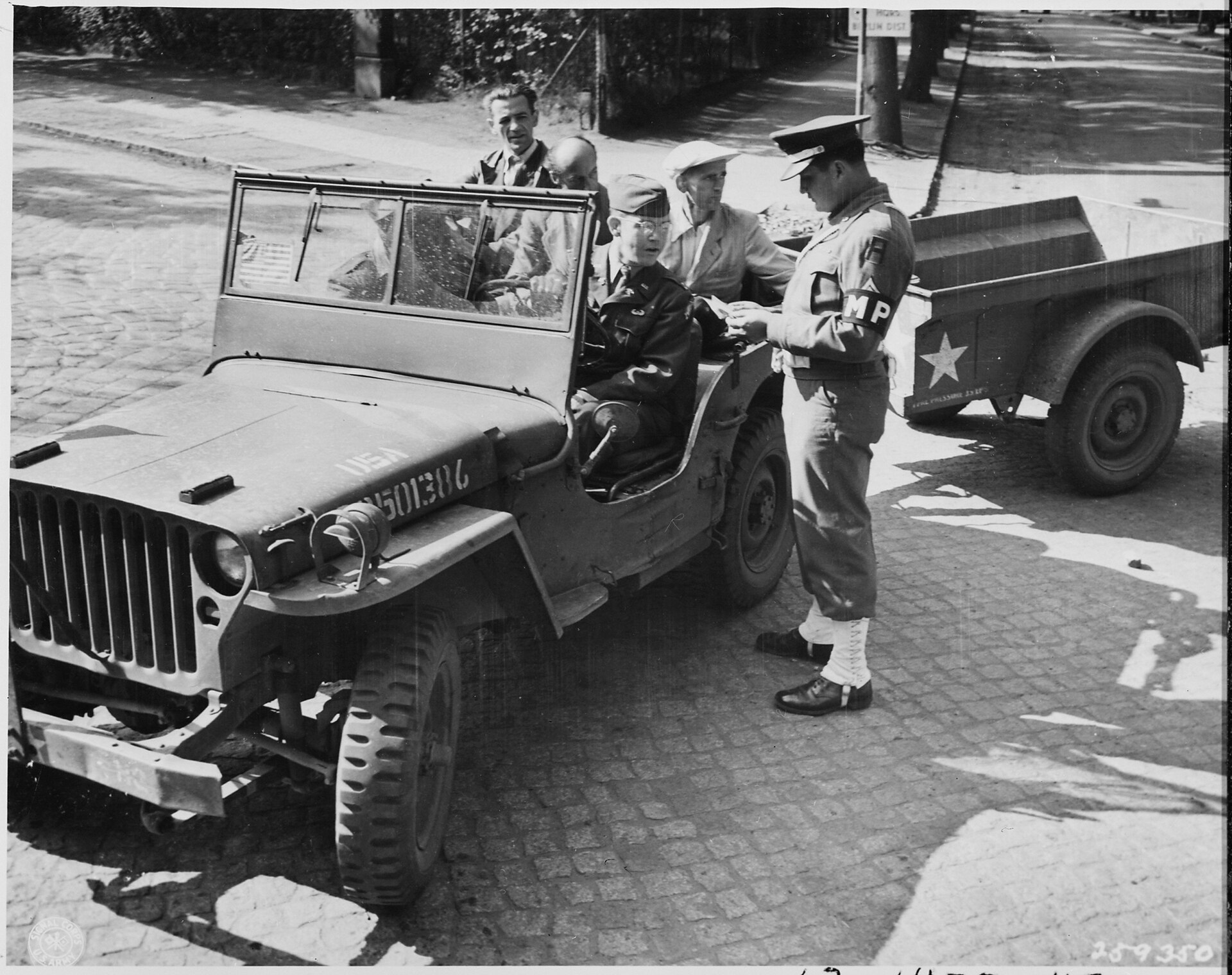
A centuries-old diplomatic letter from a Spanish envoy, rediscovered in 1860, has finally been decrypted, unlocking historical intelligence that sheds new light on late medieval Britain and Spanish diplomacy. This complex cipher, which stumped historians and cryptographers for over a century and a half, now offers unprecedented insights into a pivotal period of European history. The successful decryption marks a significant achievement in historical intelligence gathering.