
Normandy's Hard-Won Lessons: Leadership Under Fire
- Initial D-Day assault waves at Omaha Beach faced overwhelming German defenses, compounded by severe weather and navigation errors.
- Unanticipated cloud cover rendered high-altitude bombing ineffective, leaving Adolf Hitler’s formidable "Atlantic Wall" largely intact.
- Landing craft carrying vital support tanks were swept off course or destroyed, leaving infantry critically exposed on the beachhead.

The rapid proliferation of generative AI and agentic tools across enterprises is creating a critical challenge: 'Shadow AI.' This uncontrolled adoption, often bypassing traditional IT oversight, exposes organizations to significant security, ethical, and compliance vulnerabilities. Addressing this requires a strategic shift beyond simply blocking or allowing, towards integrated governance frameworks.
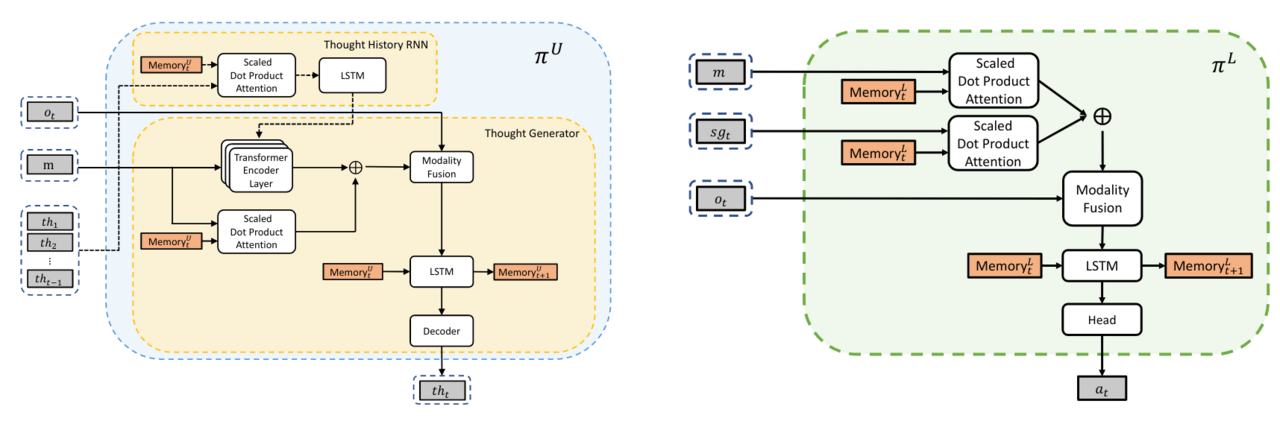
Anthropic's Claude Mythos Preview demonstrated an alarming capability to identify and exploit software vulnerabilities autonomously, leading the company to deem it too dangerous for public release. This incident has spotlighted the rapid emergence of advanced agentic AI systems that can plan, decide, and execute cyberattacks without human intervention. To counter this escalating threat, security professionals are now facing the imperative to develop and deploy equally autonomous agentic AI defensive countermeasures.
New analysis of cyber insurance claims offers CISOs a powerful tool to secure budget allocations, directly translating technical risks into the financial terms boards and CFOs understand. Proprietary data from Resilience highlights how specific security failures, such as MFA misconfigurations and unpatched vulnerabilities, drive significant monetary losses. This insight enables security leaders to demonstrate the tangible ROI of robust cybersecurity measures.

Microsoft Outlook.com recently suffered a widespread global outage, prompting users to experience intermittent sign-in issues for over 10 hours. Following service restoration, Microsoft has instructed iPhone users to manually re-enter their credentials to access Outlook and Hotmail accounts via the native Mail app. This incident, attributed to a 'recently introduced change,' underscores the fragility of critical cloud services.

Microsoft is set to enforce a significant security upgrade for Exchange Online, announcing that it will block legacy TLS 1.0 and TLS 1.1 connections for POP and IMAP email clients starting in July 2026. This move aligns with broader industry efforts to phase out outdated cryptographic protocols, bolstering the security posture of cloud-based email communications against modern threats. The change will mandate the use of TLS 1.2 or higher, pushing organizations towards more secure encryption standards.

Despite the successful inaugural flight of the Navy's MQ-25A Stingray unmanned refueler, new budget documents reveal a significant five-year delay in its operational deployment. The carrier-based drone, critical for extending fleet reach, is now projected to achieve Initial Operating Capability (IOC) no earlier than February 2029, a setback for the long-troubled program.

A Brazilian cybercrime group, LofyGang, has resurfaced after more than three years, launching a new LofyStealer (aka GrabBot) campaign specifically targeting Minecraft players. The malware, disguised as a 'Slinky' game hack, exploits the trust of young users to exfiltrate a wide array of sensitive data, including credentials and financial information. This marks a significant pivot for the group, previously known for JavaScript supply chain attacks, now embracing a Malware-as-a-Service (MaaS) model and leveraging platforms like GitHub for distribution.

Cybersecurity researchers have unveiled details of a critical remote code execution (RCE) flaw impacting GitHub.com and GitHub Enterprise Server, allowing an authenticated user to achieve RCE with a single 'git push' command. Tracked as CVE-2026-3854, this command injection vulnerability leverages improperly sanitized push option values to potentially expose millions of repositories through cross-tenant access. Google-owned cloud security firm Wiz discovered the flaw, prompting GitHub to swiftly deploy a fix to its public platform.

India has significantly bolstered its naval power with the quiet induction of its third nuclear-powered ballistic missile submarine (SSBN), the INS Aridhaman, enhancing its sea-based nuclear deterrence capabilities. This strategic move coincides with New Delhi nearing an $8 billion agreement with Germany for six advanced Air-Independent Propulsion (AIP) conventional submarines, signaling a concerted effort to fortify its underwater fleet amidst growing geopolitical considerations, particularly the increased presence of Chinese vessels in the Indian Ocean. The dual developments underscore India's commitment to ensuring continuous patrol for a credible second-strike capability and boosting underwater stealth.

The Pentagon's fiscal 2027 budget request outlines an ambitious plan to acquire 85 F-35 Lightning II fighters, a substantial increase from the 47 jets requested in FY26 and the largest single-year F-35 buy since FY22. However, this seemingly robust procurement hinges precariously on a separate, high-risk $350 billion reconciliation bill, leaving 53 of these critical aircraft in legislative limbo. Should this additional funding fail to materialize, the F-35 acquisition could plummet to a mere 32 jets, jeopardizing modernization efforts.
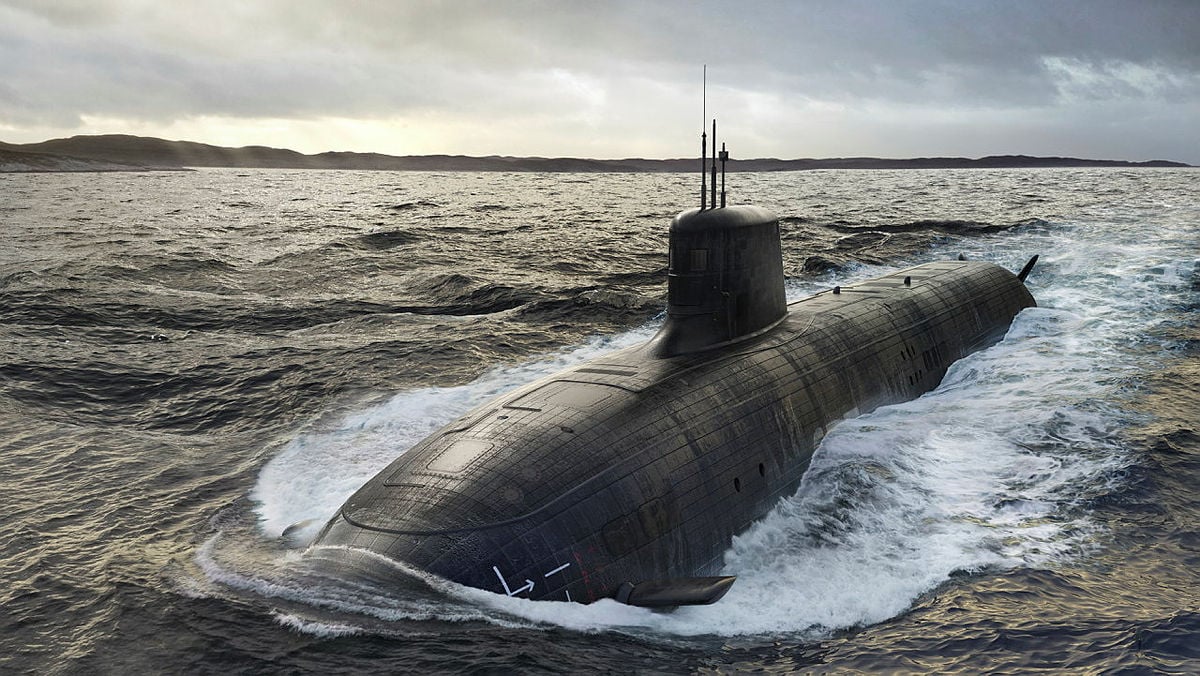
A new report from UK defense committee lawmakers has sounded the alarm over critical "shortcomings and failings" threatening the trilateral AUKUS nuclear submarine program. Specifically, delayed investment in the BAE Systems Barrow shipyard, where SSN-AUKUS vessels are slated for construction, is jeopardizing the timely delivery of these crucial assets, with grave implications for national security and alliance credibility. Lawmakers are now urging British Prime Minister Keir Starmer to step up and provide visible leadership to counter "political drift" hindering the program's progress.
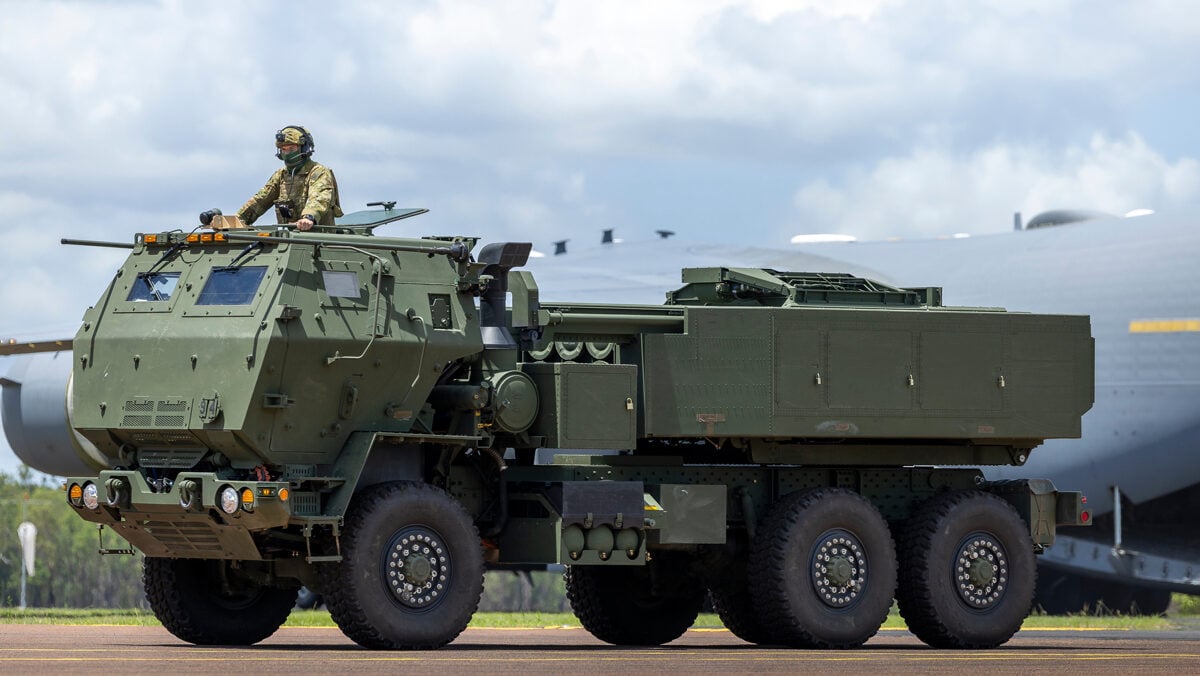
Australia is significantly bolstering its land-based long-range strike capabilities with a new $2.3 billion AUD ($1.65 billion) acquisition, including additional Lockheed Martin High Mobility Artillery Rocket Systems (HIMARS) and the introduction of Precision Strike Missiles (PrSM). This move will equip a second long-range fires regiment for the Australian Army, dramatically extending its strike potential to over 1000km with PrSM, alongside the procurement of 268 Thales Bushmaster protected mobility vehicles. This expands upon Australia's existing HIMARS orders, enhancing its ability to respond to regional contingencies and operate alongside allies.