
HASC Bolsters DoD Right to Repair in FY27 NDAA
- The House Armed Services Committee approved the FY27 National Defense Authorization Act following extensive deliberation.
- Key new language grants the Department of Defense default government purpose rights for technical data and software.
- This provision aims to simplify military equipment repairs by mitigating existing contractual intellectual property restrictions.

The U.S. Army is establishing a significant new operational structure aimed at enhancing its capabilities in the Indo-Pacific theater. This strategic realignment involves combining existing forces to create a unified command focused on multi-domain operations, signaling a proactive stance against evolving regional challenges.

Federal authorities have brought charges against a former University of Michigan research scholar, alleging he concealed significant ties to a Chinese company that develops and produces unmanned aerial vehicles for Beijing's military. The indictment underscores persistent national security concerns surrounding clandestine efforts to leverage U.S. academic environments for foreign defense technology acquisition and development.

The United States Air Force is actively exploring an innovative initiative to transform decommissioned offshore oil and gas platforms into vital landing sites for recovering rocket boosters. This ambitious undertaking aims to significantly enhance space launch and recovery capabilities for both military and commercial entities, while simultaneously addressing environmental concerns associated with aging maritime infrastructure. The project seeks to create a network of robust, sea-based recovery stations, offering a strategic alternative to current methods.
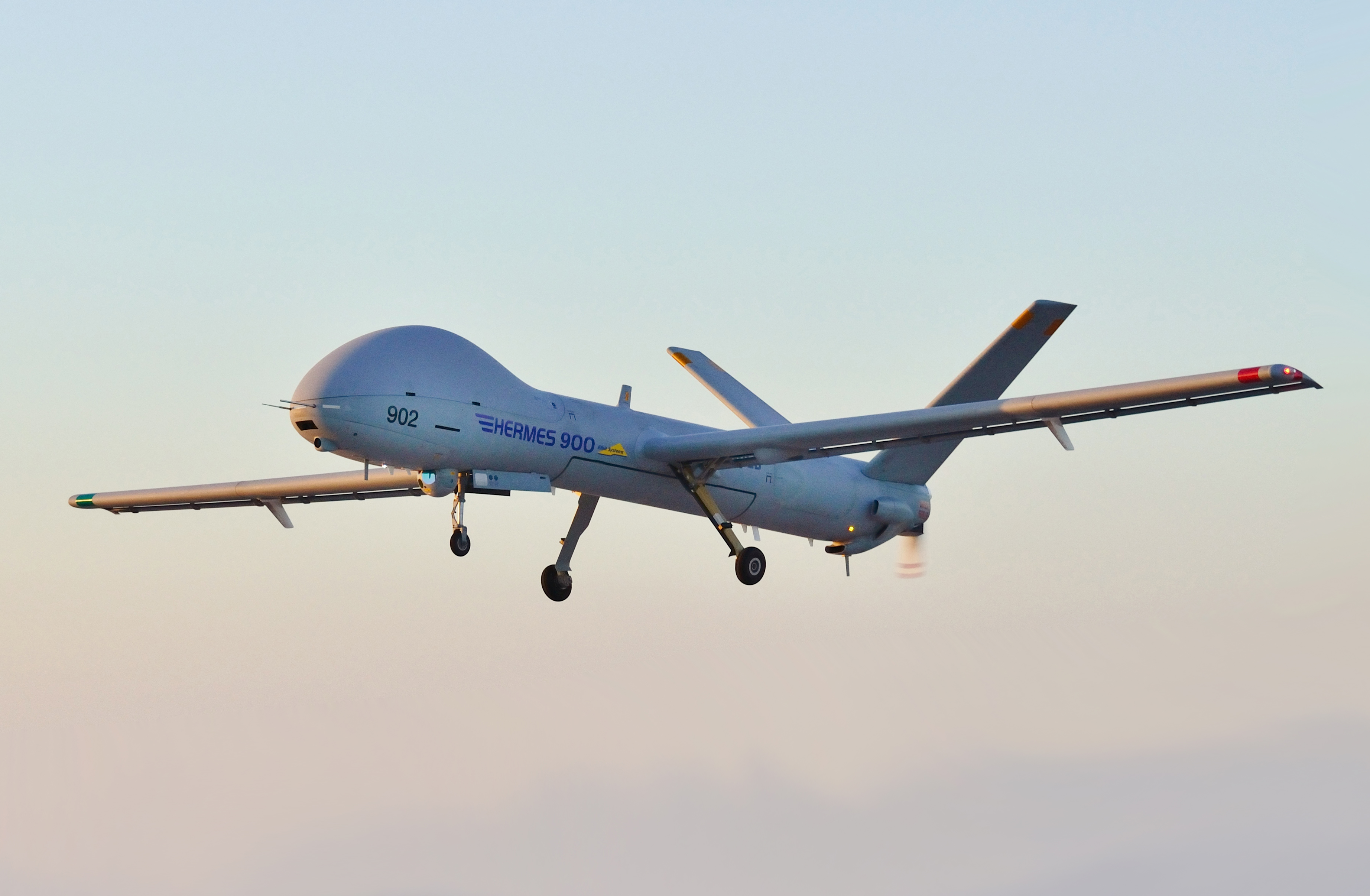
A new generation of vertical-takeoff-and-landing aircraft, featuring a unique slowed-rotor design and hybrid-electric propulsion, has been unveiled by aerospace firm AIRO. These dual-use drones are poised to address critical operational gaps in military resupply chains and long-duration intelligence, surveillance, and reconnaissance (ISR) missions, especially in remote or austere environments. Their design represents a significant step towards more adaptable and efficient uncrewed aerial systems for defense and commercial applications.

Defense Secretary Pete Hegseth has initiated a broad, open-ended review of the entire military legal system, a move set to reshape how legal advice and justice are administered across the armed services. This latest directive comes as part of a series of controversial actions by the Secretary impacting the department's legal community.
The U.S. Army is actively experimenting with novel strategies to counter and leverage massed unmanned aircraft in complex aerial environments. Recent multinational exercises, like Project Flytrap, have seen forces grapple with drone swarms and advanced jamming systems, underscoring a fundamental shift in contemporary military doctrine. This evolution is driven by the global proliferation of inexpensive yet sophisticated drone technology.
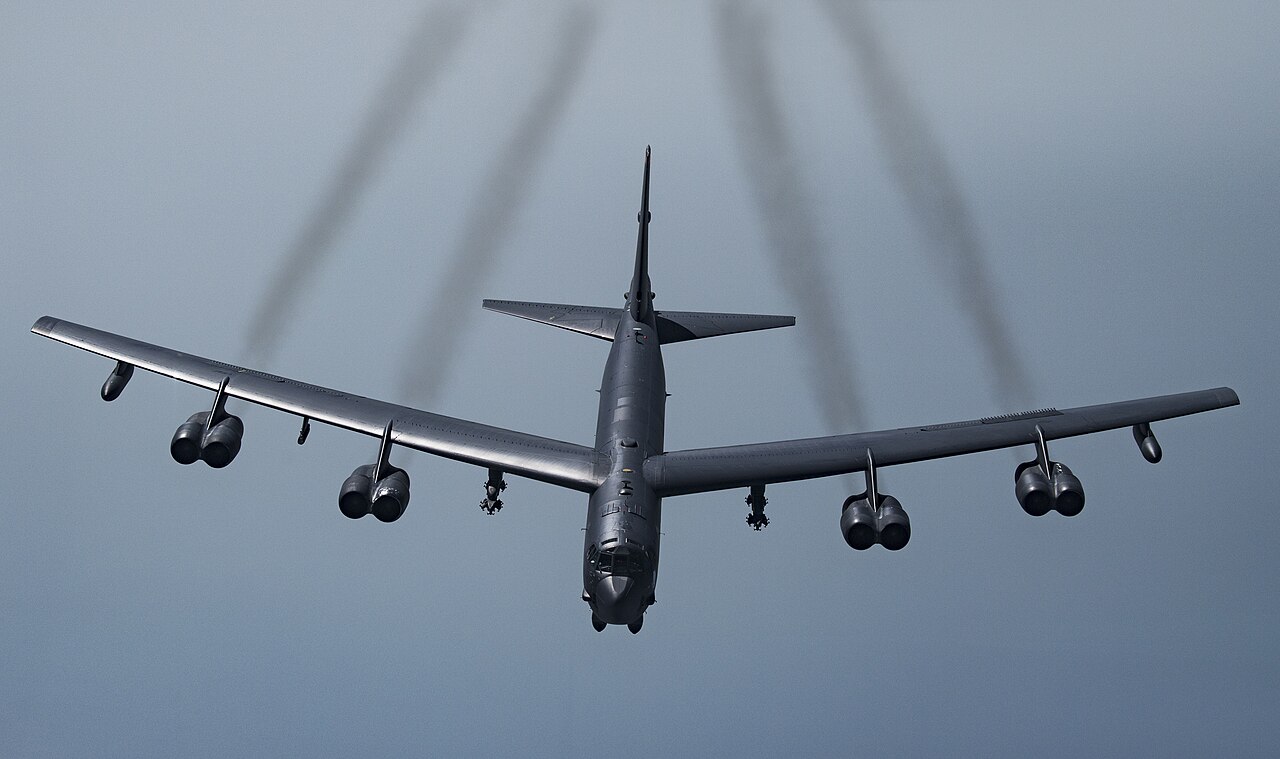
The Air Force reports that significant modernization efforts for the venerable B-52 Stratofortress have finally achieved stability after experiencing notable cost increases and scheduling setbacks. This update comes as the service simultaneously revises its retirement plans for the B-1 Lancer and B-2 Spirit, extending their operational lifespans.
The U.S. Army is set to significantly expand its investment in small counter-unmanned aerial system (cUAS) capabilities, proposing an allocation approaching one billion dollars in its fiscal year 2027 budget request. This substantial increase, nearly double the prior year's funding, underscores a strategic imperative to build a robust, integrated defense against evolving drone threats across various operational domains.

A broad international coalition, primarily led by European powers, is gearing up for a substantial military deployment aimed at restoring access to the Strait of Hormuz. This initiative seeks to revitalize crucial global shipping arteries that have been severely hampered by ongoing regional instability and blockades.

The U.S. Army has inaugurated a new office dedicated to mission autonomy, signaling a significant shift in its approach to unmanned operations. This specialized unit will move beyond merely acquiring standalone robotic platforms, instead focusing on integrating diverse autonomous systems into cohesive "packages of capability" tailored for specific operational needs.

The United Kingdom has significantly advanced its autonomous combat capabilities, selecting four key industry partners to develop drone wingmen for its Apache attack helicopter fleet. This strategic move, part of Project NYX, aims to integrate advanced uncrewed systems to bolster operational effectiveness and redefine battlefield tactics. The initiative reflects a broader shift towards leveraging AI and autonomous technology within national defense strategies.

The Pentagon recently informed Army leadership of an abrupt decision to cancel a significant troop deployment slated for Poland, a move that comes amidst broader reevaluations of U.S. force posture in Europe. This directive to halt the planned deployment of thousands of soldiers and their combat equipment has drawn sharp criticism from members of Congress and raised concerns among key European allies.