
HASC Bolsters DoD Right to Repair in FY27 NDAA
- The House Armed Services Committee approved the FY27 National Defense Authorization Act following extensive deliberation.
- Key new language grants the Department of Defense default government purpose rights for technical data and software.
- This provision aims to simplify military equipment repairs by mitigating existing contractual intellectual property restrictions.

The U.S. Navy's top officer has issued a stark warning to lawmakers, indicating the service could face severe operational disruptions as early as July without an immediate influx of funds. This critical budget crunch stems from the accelerated pace of operations in the Middle East, particularly during the recent conflict, and has implications for vital training exercises and combat readiness.

China's top leader recently delivered a forceful warning to the United States regarding the delicate status of Taiwan, emphasizing the potential for severe bilateral repercussions if the issue is mishandled. This high-level exchange, occurring amidst broader geopolitical instability, underscored the critical importance of strategic navigation in East Asian security.

Kyiv has announced the combat readiness of its first domestically developed guided aerial bomb, marking a significant milestone in its defense industrial capabilities. This new precision munition provides Ukraine with a homegrown standoff weapon, offering a strategic alternative to reliance on international partners for critical strike assets.

Recent joint military operations in Africa have successfully eliminated a senior Islamic State leader, marking a significant blow to the terror group's operational capabilities on the continent. This tactical victory, however, comes as a top U.S. commander voices serious concerns regarding the diminishing American military footprint and its potential to compromise regional stability and intelligence gathering.
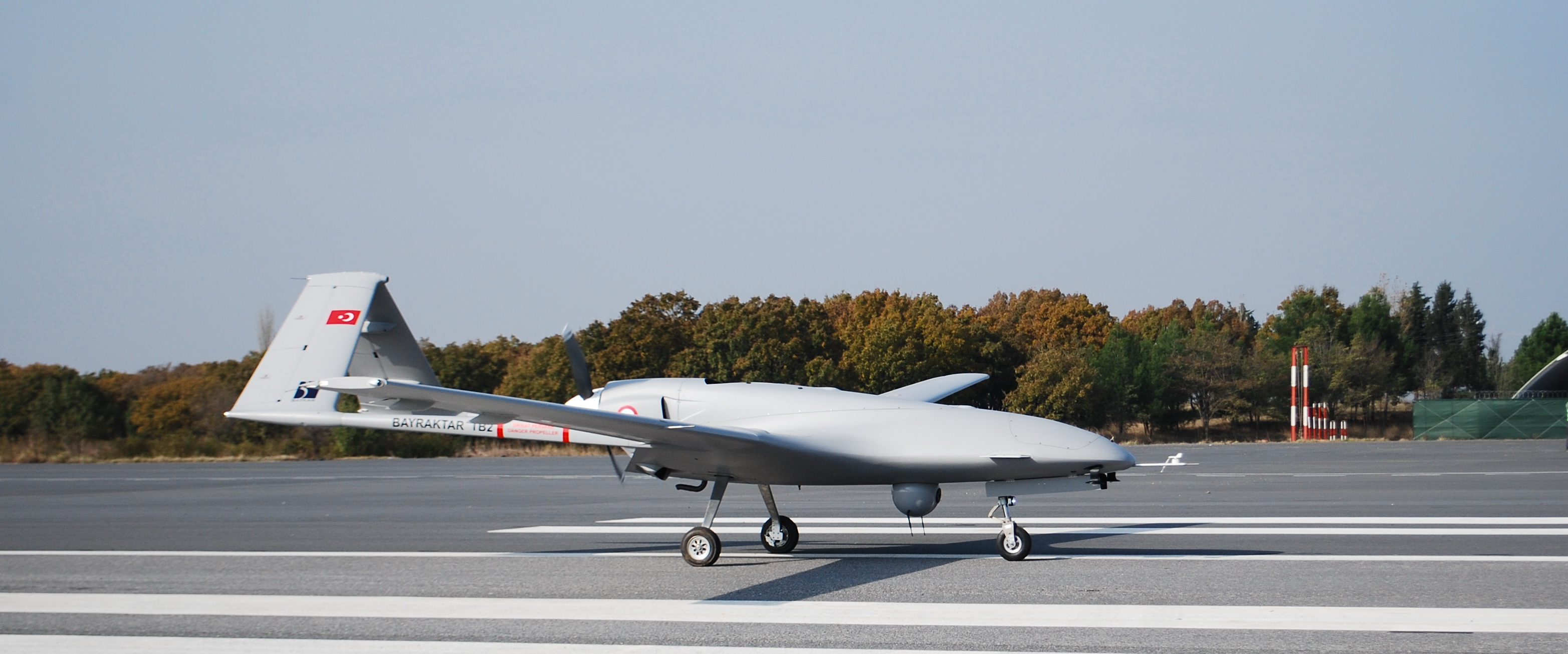
The Pentagon has identified five top innovators in its recent "Lethality Prize Challenge," a critical step within the broader Drone Dominance initiative. This selection aims to fast-track advanced weapon payloads for small unmanned aerial systems, crucial for accelerating their integration into military operations. The program prioritizes scalable and affordable solutions to meet future battlefield demands.

US soldiers are undergoing specialized training to identify unmanned aerial systems by their distinct acoustic signatures, a direct adaptation from critical lessons learned on the Ukrainian battlefield. This innovative approach, piloted during a recent European exercise, highlights a pragmatic shift towards enhancing close-range threat detection capabilities amidst the proliferation of low-cost drones in modern conflict zones. The initiative aims to equip frontline personnel with an additional sensory tool for immediate threat assessment and response.

Elite Special Operations Forces are now deeply embedded in the U.S. Army's cutting-edge Next Generation Command and Control (NGC2) prototype experiments. This strategic integration seeks to dramatically enhance interoperability between special and conventional units while accelerating the digitization of critical battlefield functions, from targeting to real-time intelligence.

NATO forces recently encountered a significant tactical challenge during exercises in Latvia, as unmanned ground vehicles (UGVs) proved their disruptive potential on the battlefield. These drills, conducted within proximity to the Russian border, highlighted an urgent need for the alliance to rapidly integrate ground robotics into its combat doctrine and training. The experience underscored a potential gap in current capabilities, particularly when compared to the well-established use of aerial drones.
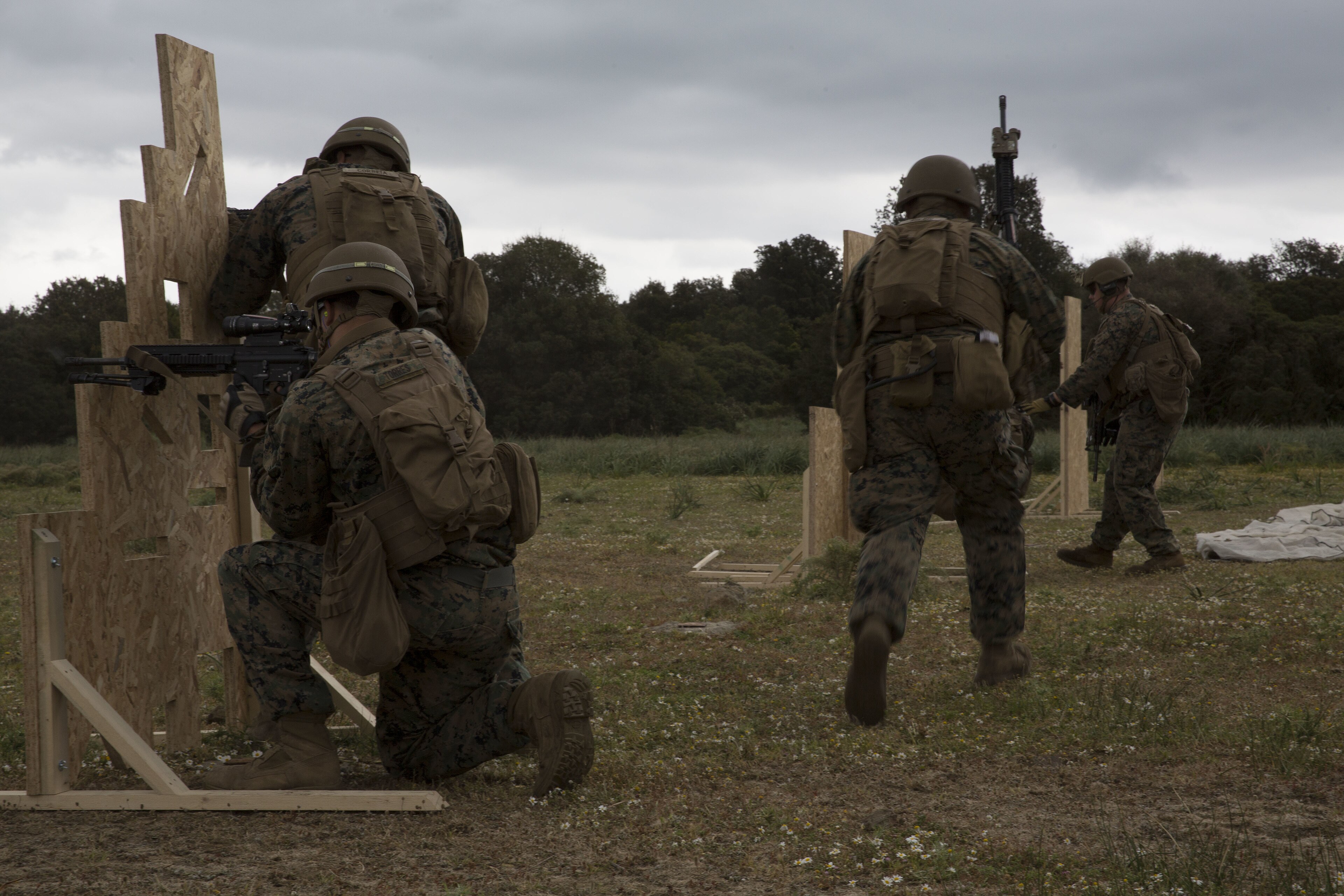
U.S. Marine forces recently elevated their operational readiness in the Philippines, conducting extensive exercises centered on seizing remote islands and deploying advanced anti-ship capabilities. This strategic training underscores an evolving military posture designed for distributed, expeditionary operations across the Indo-Pacific region.

A Canada-led NATO brigade in Latvia has fundamentally redefined its operational mandate, transitioning from a basic deterrence mechanism to a robust, forward-deployed defensive force. This strategic evolution reflects NATO's deepened commitment to securing its eastern flank, particularly in the wake of escalating regional tensions. The brigade now prioritizes holding ground and engaging potential threats directly, rather than solely signaling an alliance response.

The USS Gerald R. Ford, the U.S. Navy's advanced aircraft carrier, is slated to conclude its extensive deployment this weekend, marking a significant milestone for the naval service. After spending nearly a year at sea, this return signifies the end of the longest carrier deployment since the Vietnam era, underscoring the ship's operational endurance and strategic flexibility.
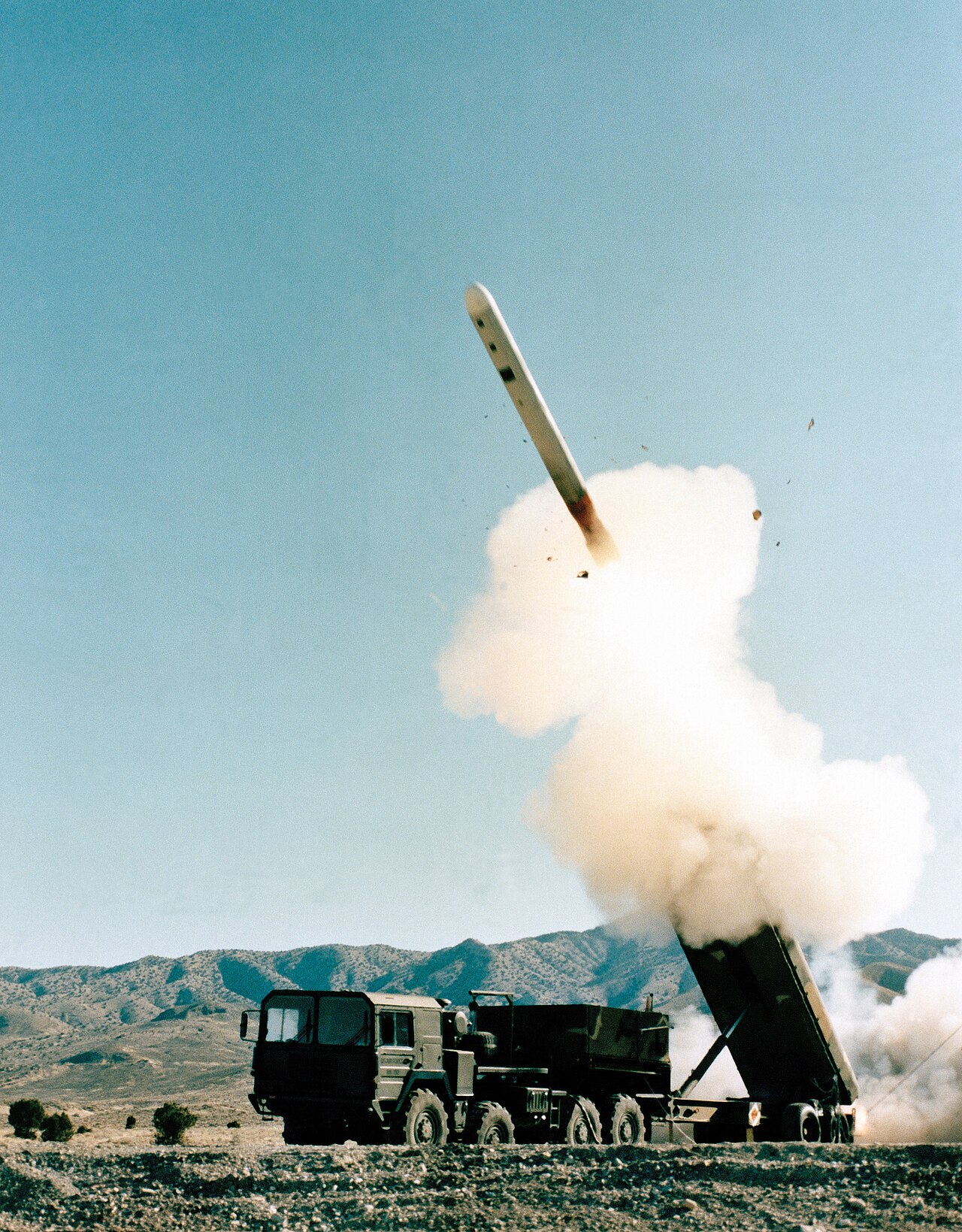
The U.S. Army is poised to dramatically expand its long-range precision fires capabilities, initiating a significant procurement deal with Anduril for thousands of cost-effective Barracuda-500M cruise missiles. This strategic move, set to commence deliveries in 2027, underscores a broader push within defense acquisition to scale up production of affordable munitions for future conflicts.