
HASC Bolsters DoD Right to Repair in FY27 NDAA
- The House Armed Services Committee approved the FY27 National Defense Authorization Act following extensive deliberation.
- Key new language grants the Department of Defense default government purpose rights for technical data and software.
- This provision aims to simplify military equipment repairs by mitigating existing contractual intellectual property restrictions.
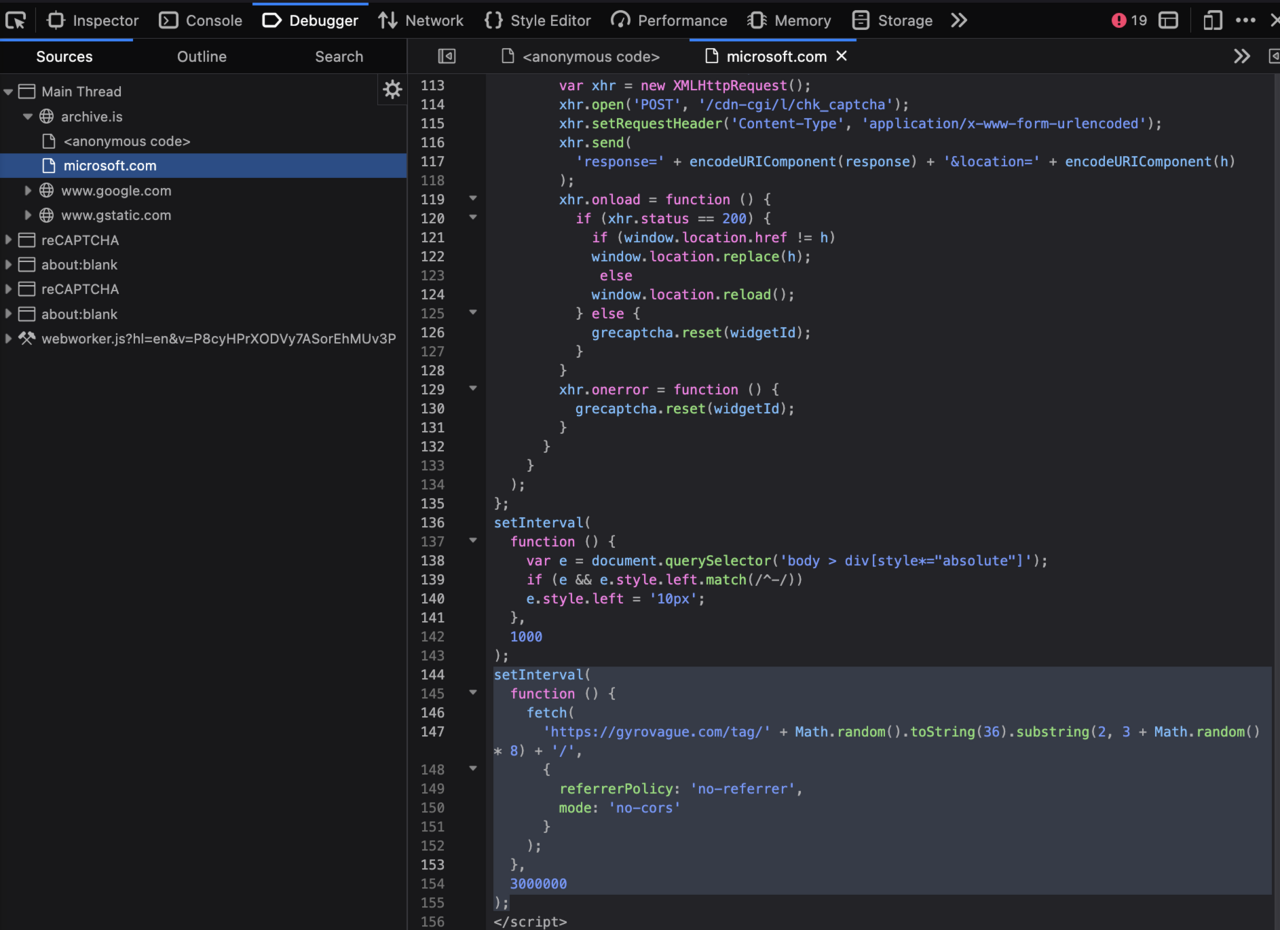
The Russian state-sponsored hacking collective Turla has significantly advanced its custom Kazuar backdoor, transforming it into a sophisticated modular peer-to-peer botnet. This architectural shift enhances its ability to maintain covert, persistent access within compromised networks, posing an elevated threat to high-value targets. The evolution underscores a strategic push by the group, also known by various monikers including Secret Blizzard and Venomous Bear, to embed resilience and stealth directly into its operational tooling.

A significant security vulnerability within a widely used WordPress e-commerce plugin is currently under active exploitation, enabling attackers to inject malicious scripts into checkout pages. This targeted campaign aims to compromise sensitive payment information from online shoppers using WooCommerce storefronts, highlighting a persistent threat to digital commerce integrity.
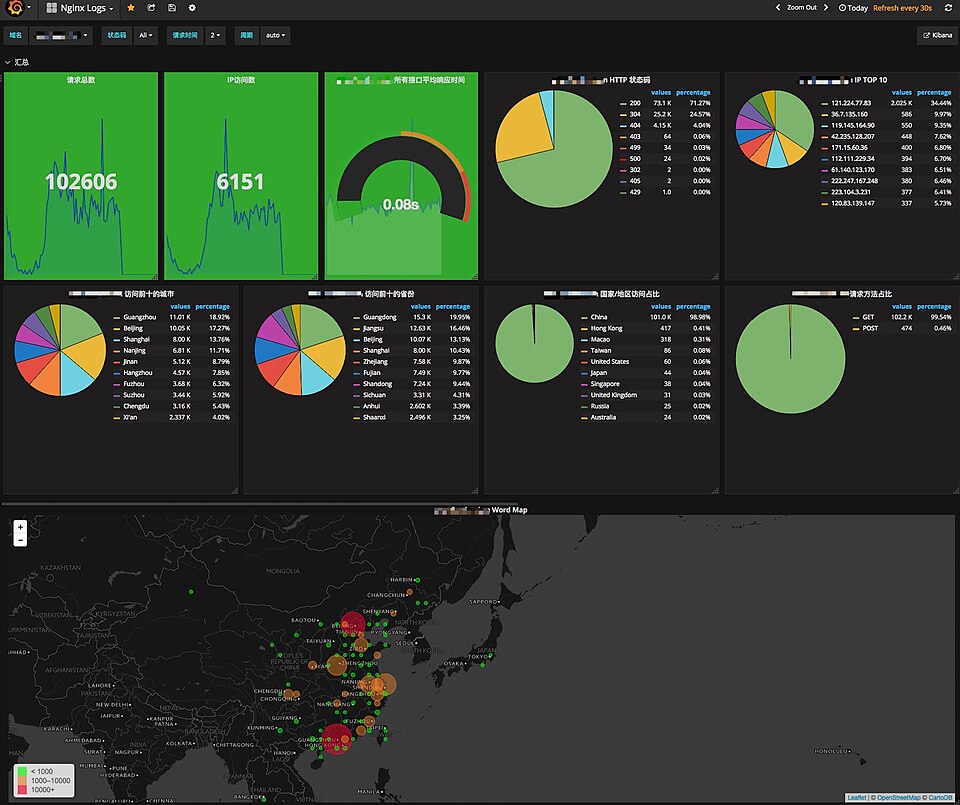
Grafana recently disclosed a security incident where an unauthorized entity gained access to its GitHub environment through a compromised token, resulting in the download of its proprietary codebase. This breach was swiftly followed by an attempted extortion, demanding payment to prevent public disclosure of the stolen data.
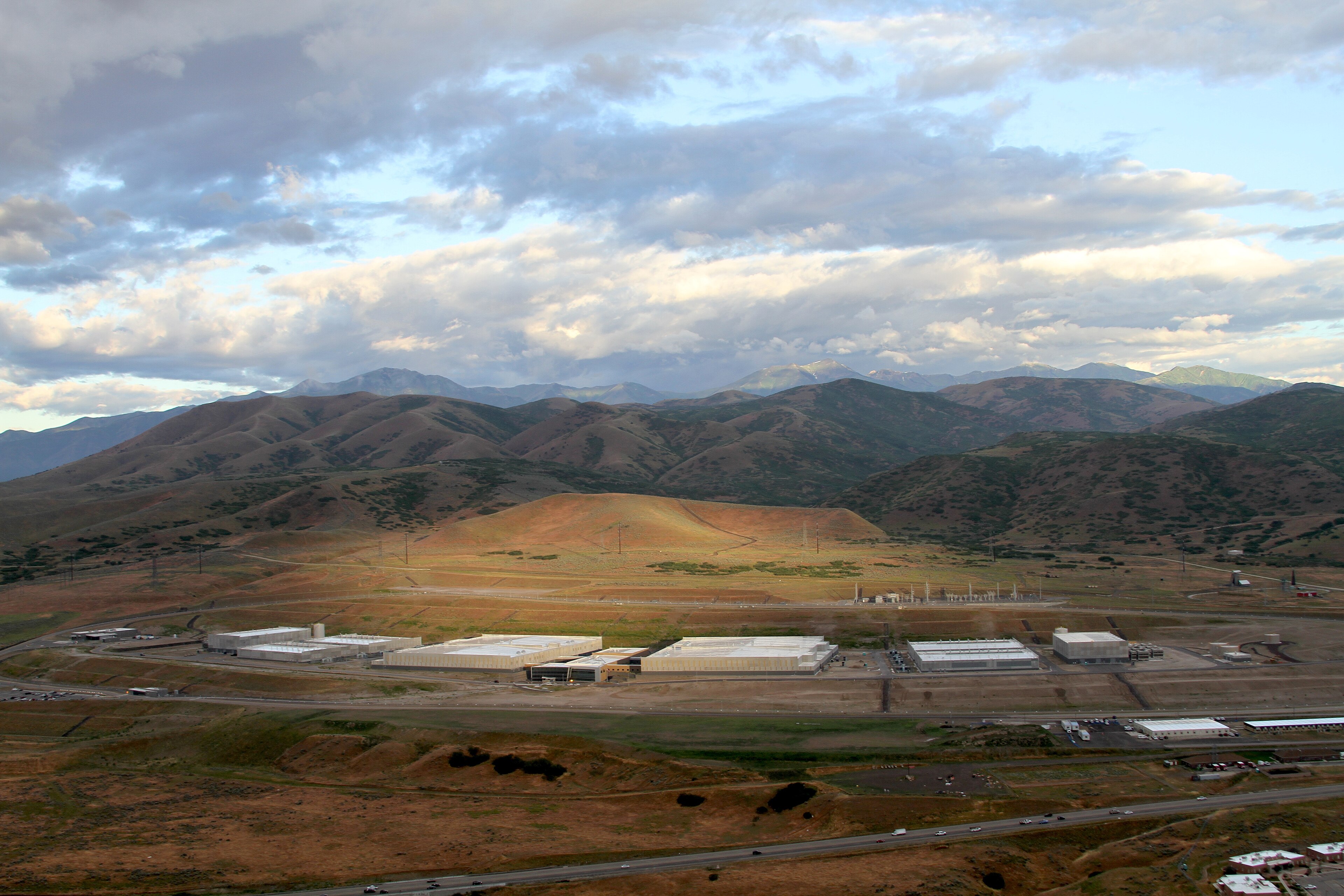
Recent cybersecurity analysis has definitively linked the fast16 malware, active years before Stuxnet, to sophisticated cyber sabotage aimed at nuclear weapons development simulations. This revelation confirms a pioneering instance of nation-state actors strategically manipulating critical engineering software to potentially undermine weapons programs.
A critical Windows zero-day vulnerability, dubbed MiniPlasma, has been publicly disclosed, enabling SYSTEM-level privilege escalation on even fully updated Windows environments. This flaw, affecting the Cloud Files Mini Filter Driver, revives concerns over a previously identified issue that was reportedly addressed years ago, suggesting an incomplete fix or regression.

The landscape of software supply chain attacks is undergoing a critical evolution, now directly implicating individual developer workstations as prime targets. Recent sophisticated campaigns illustrate a strategic pivot by adversaries to compromise the very environments where software originates, rather than solely targeting shared infrastructure. This necessitates a re-evaluation of security postures, extending the perimeter to every developer's machine.

Recent intelligence reveals active exploitation campaigns targeting critical enterprise infrastructure, including on-premises Microsoft Exchange servers and Cisco SD-WAN controllers. These incidents underscore a rapidly evolving threat landscape where sophisticated adversaries are aggressively pursuing access and persistence within vital network systems.

The Pentagon's abrupt decision to halt a significant US Army deployment to Poland has ignited a firestorm of criticism on Capitol Hill. Senior Army officials faced intense questioning regarding the rationale behind canceling a planned rotation involving thousands of soldiers, a move that allies perceive as a strategic setback. This development unfolds amidst ongoing re-evaluations of America's military posture across Europe.
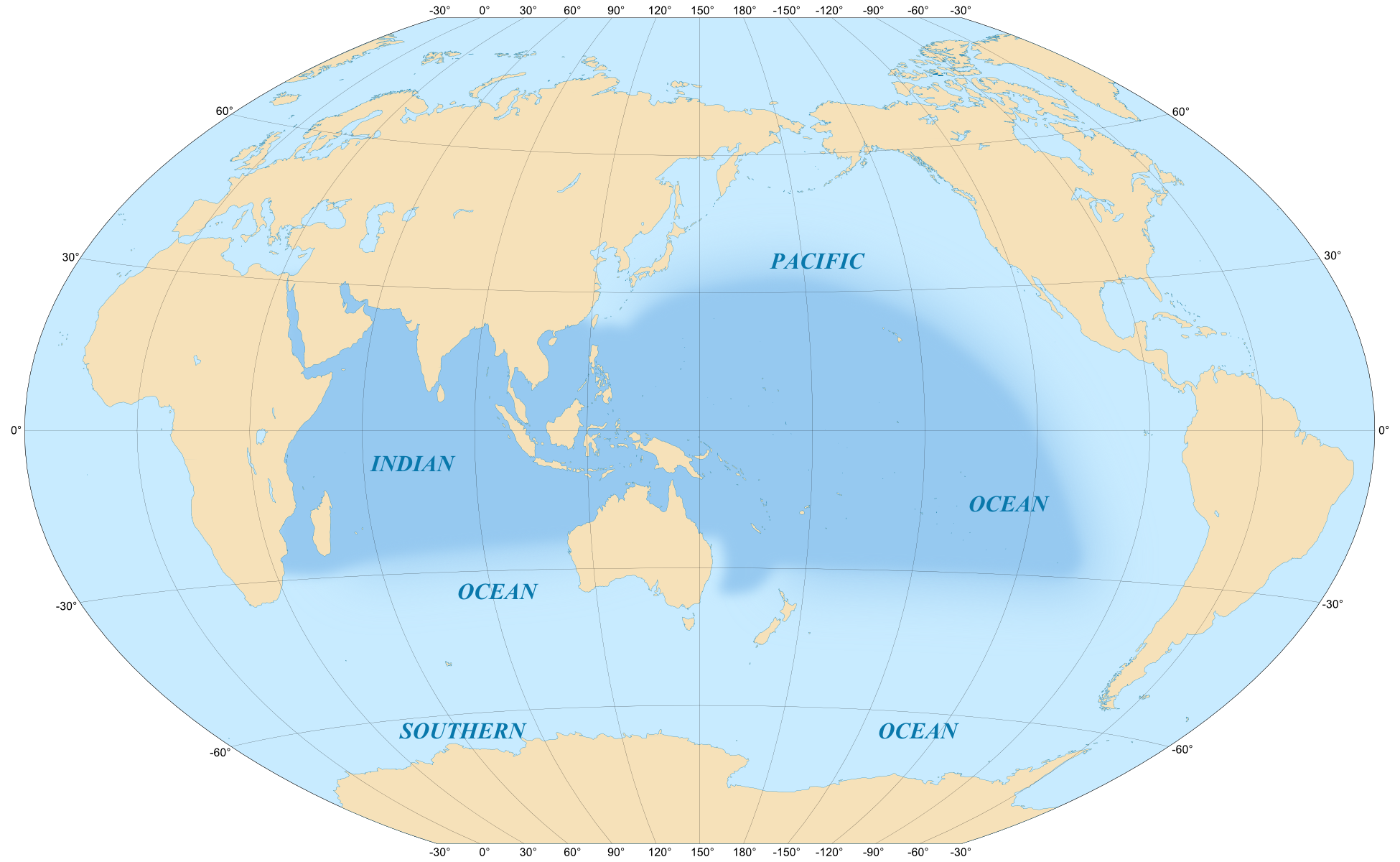
The Indo-Pacific region is witnessing a profound strategic transformation, moving away from traditional concentrated defense postures. A new, distributed security framework is emerging, designed to absorb and counter disruptions across an expansive geographic area. This novel approach prioritizes resilience and sustained combat power in a complex threat environment.

A coordinated wave of security advisories from leading enterprise software providers, including Ivanti, Fortinet, SAP, and VMware, has highlighted significant security risks this week. These patches address critical vulnerabilities ranging from remote code execution to SQL injection and privilege escalation, posing substantial threats to organizational data and operational integrity.
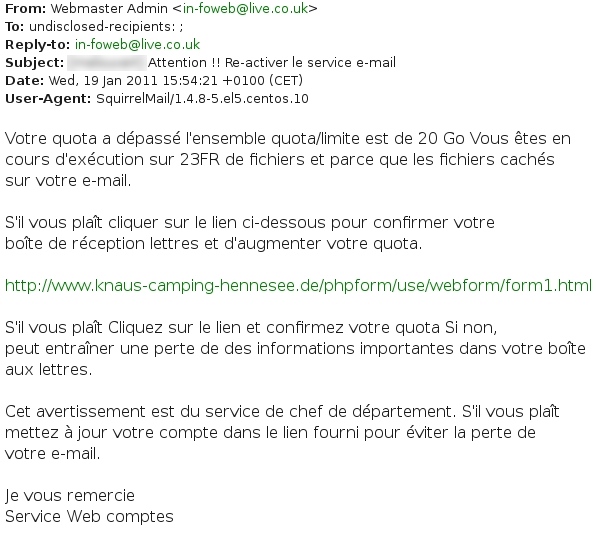
Modern phishing campaigns are increasingly sophisticated, designed to slip past initial defenses and rapidly escalate into widespread organizational compromise. A singular click can now trigger a complex chain of events, from credential theft to remote system access, transforming a seemingly isolated incident into a significant business disruption before security teams fully grasp the scope.
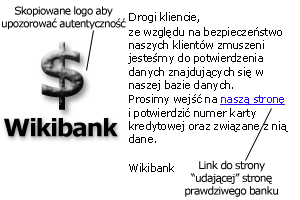
A significant multinational law enforcement effort, coordinated by INTERPOL, has dismantled key cybercrime infrastructure across the Middle East and North Africa. This extensive five-month operation resulted in hundreds of arrests and the identification of hundreds more suspects involved in sophisticated online illicit activities. It signals a heightened, coordinated response to digital threats in the region.