
HASC Bolsters DoD Right to Repair in FY27 NDAA
- The House Armed Services Committee approved the FY27 National Defense Authorization Act following extensive deliberation.
- Key new language grants the Department of Defense default government purpose rights for technical data and software.
- This provision aims to simplify military equipment repairs by mitigating existing contractual intellectual property restrictions.

The Pentagon has contracted Shield AI to integrate its Hivemind autonomy software onto the new Low-Cost Uncrewed Combat Attack System (LUCAS), signaling a significant advance in military drone capabilities. This strategic move aims to enable sophisticated drone swarm operations, aligning with the Defense Department's aggressive push for rapidly deployable autonomous systems. The initiative leverages a drone design inspired by foreign technology, demonstrating a pragmatic approach to accelerating innovation in contested operational environments.
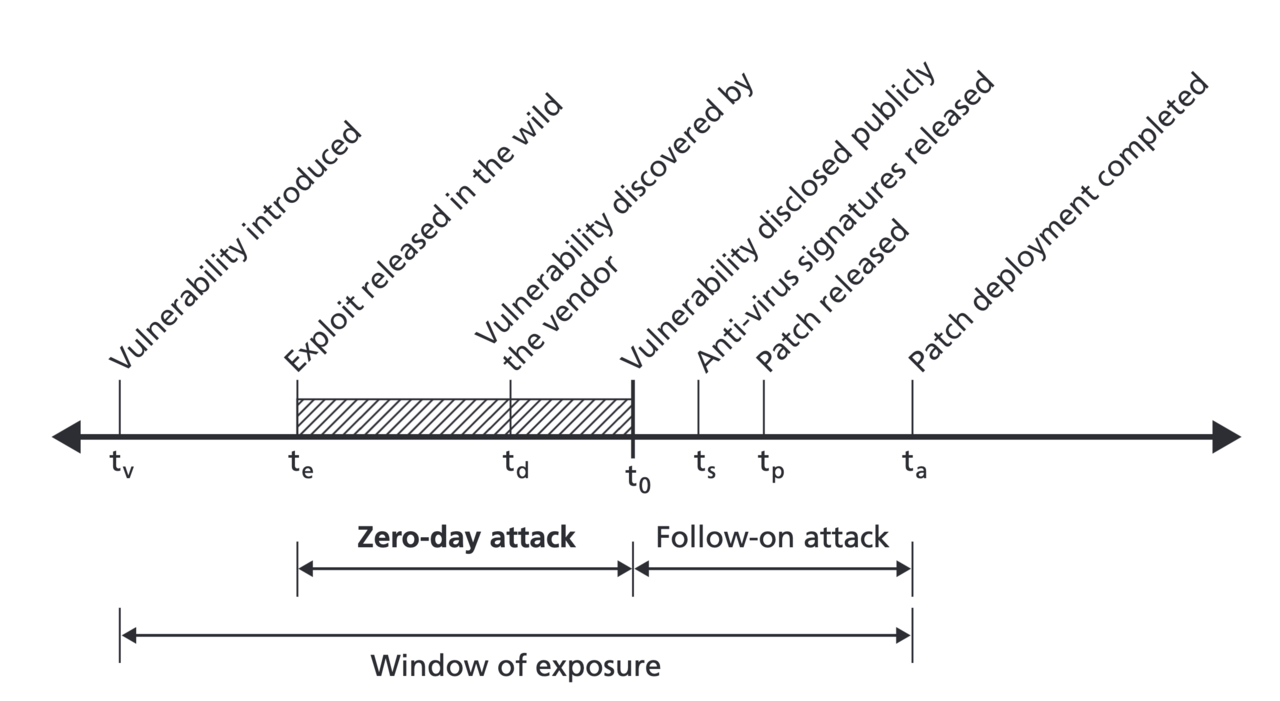
A series of critical vulnerabilities, collectively dubbed 'Claw Chain,' have been discovered in the OpenClaw platform, posing significant risks to system integrity and data security. These flaws could be exploited in sequence, allowing malicious actors to breach isolated environments, extract sensitive information, and establish long-term control over compromised systems. Cybersecurity researchers emphasize the sophisticated nature of these weaknesses, which leverage design oversights to achieve their objectives.

A significant software supply chain attack, identified as the "Mini Shai-Hulud" campaign, has extensively compromised numerous npm packages within the widely used @antv ecosystem. This sophisticated operation leveraged a stolen maintainer account to rapidly inject malicious code, posing a broad and immediate risk to downstream users and development environments globally.

A sophisticated supply chain attack has targeted widely used GitHub Actions workflows, leveraging a novel 'imposter commit' technique to hijack CI/CD pipelines. This compromise allowed malicious code to execute within development environments, specifically designed to harvest and exfiltrate sensitive credentials.
A critical supply chain attack has impacted developer tools, as a widely used Visual Studio Code extension was found to be compromised. The incident allowed attackers to deploy a sophisticated credential stealer, posing a significant risk to development environments and sensitive data across various platforms.

Enterprise email security provider SEPPMail has disclosed multiple severe vulnerabilities in its gateway solution, which could allow attackers to gain remote code execution and access sensitive mail traffic. These critical flaws highlight persistent challenges in securing core communication infrastructure against sophisticated threats.

The Drupal project has issued a significant warning regarding an upcoming core security update scheduled for release on May 20, 2026. This critical patch aims to address vulnerabilities that maintainers anticipate could be rapidly exploited post-disclosure, necessitating immediate action from site administrators to safeguard their platforms.

A sophisticated phishing-as-a-service operation recently compromised hundreds of organizations by exploiting a critical blind spot in modern identity security. This emerging threat leverages OAuth consent flows to bypass multi-factor authentication, granting attackers persistent access without triggering traditional intrusion alerts. The method capitalizes on user familiarity with legitimate consent prompts, redefining the phishing landscape.

Polish leadership is expressing significant apprehension following the Pentagon's decision to cancel a substantial U.S. Army rotational deployment to Eastern Europe. This development has cast a shadow over transatlantic defense ties, particularly as Warsaw highlights its substantial investment in American military hardware and its role as a key regional ally.

Germany is set to deploy an advanced air defense system to Turkey, taking over a critical NATO mission on the alliance's vulnerable southeastern border. This move comes as allied forces respond to heightened regional tensions following recent ballistic missile incursions into Turkish airspace. The deployment underscores a strategic reallocation of defensive assets within the transatlantic alliance.

Sweden has made a pivotal decision to acquire four advanced frigates from France's Naval Group, marking its most substantial defense procurement in decades. This move will dramatically enhance the nation's naval power projection and air defense capabilities, strategically reshaping its security posture in the Baltic Sea region. The selection bypasses bids from British-Swedish and Spanish consortia, signaling a clear preference for the French design.

A significant majority of cyber incidents now leverage an organization's own legitimate utilities rather than traditional malware, exposing a critical internal attack surface many struggle to map. This 'living off the land' strategy by adversaries necessitates a shift from reactive defense to proactive hardening, directly addressing the tools and entitlements already present within enterprise environments.