
Normandy's Hard-Won Lessons: Leadership Under Fire
- Initial D-Day assault waves at Omaha Beach faced overwhelming German defenses, compounded by severe weather and navigation errors.
- Unanticipated cloud cover rendered high-altitude bombing ineffective, leaving Adolf Hitler’s formidable "Atlantic Wall" largely intact.
- Landing craft carrying vital support tanks were swept off course or destroyed, leaving infantry critically exposed on the beachhead.

The rapid proliferation of advanced artificial intelligence models with sophisticated cyber warfare capabilities is forcing federal agencies and defense strategists to re-evaluate national security paradigms. Experts warn that these nascent AI tools possess an unprecedented ability to identify software vulnerabilities at alarming speeds, fundamentally altering the landscape of cyber defense and offense.
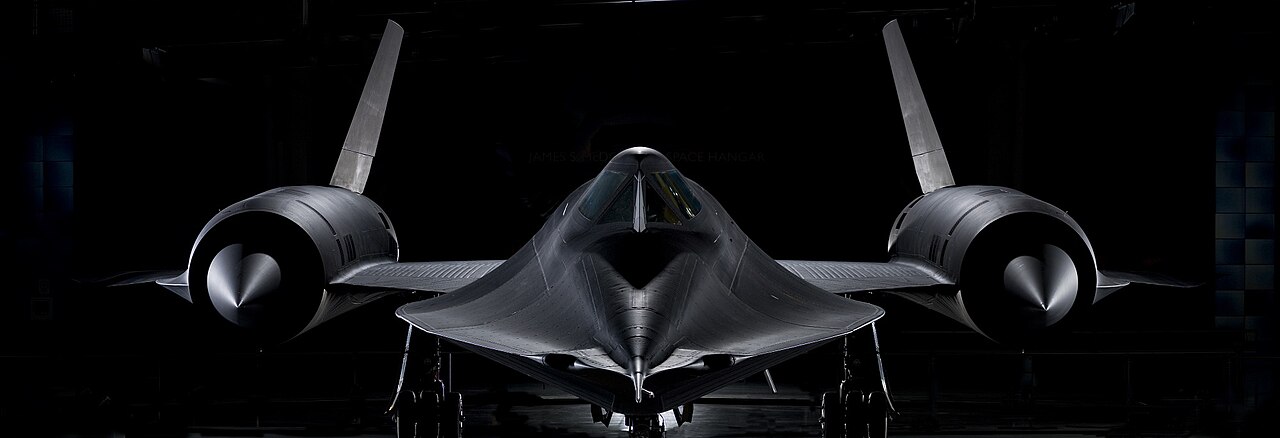
A top U.S. Central Command official recently stressed the urgent need for advanced military capabilities, particularly highlighting the global trend of adversaries concealing assets underground. This demand for sophisticated deep-strike munitions, alongside enhanced electronic warfare and counter-drone systems, comes amidst intense congressional scrutiny over ongoing regional conflicts.

The release of a proof-of-concept exploit for DirtyDecrypt, a local privilege escalation flaw in the Linux kernel, has intensified concerns across the cybersecurity landscape. This vulnerability, identified as CVE-2026-31635, capitalizes on specific memory handling oversights to bypass security controls in critical operating system components. Its public availability now elevates the urgency for system administrators to address patching.

A newly exposed ad fraud operation, dubbed Trapdoor, orchestrated a sophisticated malvertising pipeline targeting Android users, leveraging hundreds of deceptive applications. This multi-stage scheme facilitated an immense volume of illicit ad requests, generating fraudulent revenue through a complex network designed for stealth and persistence.

A significant escalation in Baltic airspace security unfolded recently as a NATO air policing jet intercepted and destroyed a drone suspected to be from Ukraine operating over Estonian territory. This incident marks a critical juncture following a series of unintentional incursions by Ukrainian unmanned aerial vehicles into allied airspace, raising urgent questions about regional stability and operational boundaries.
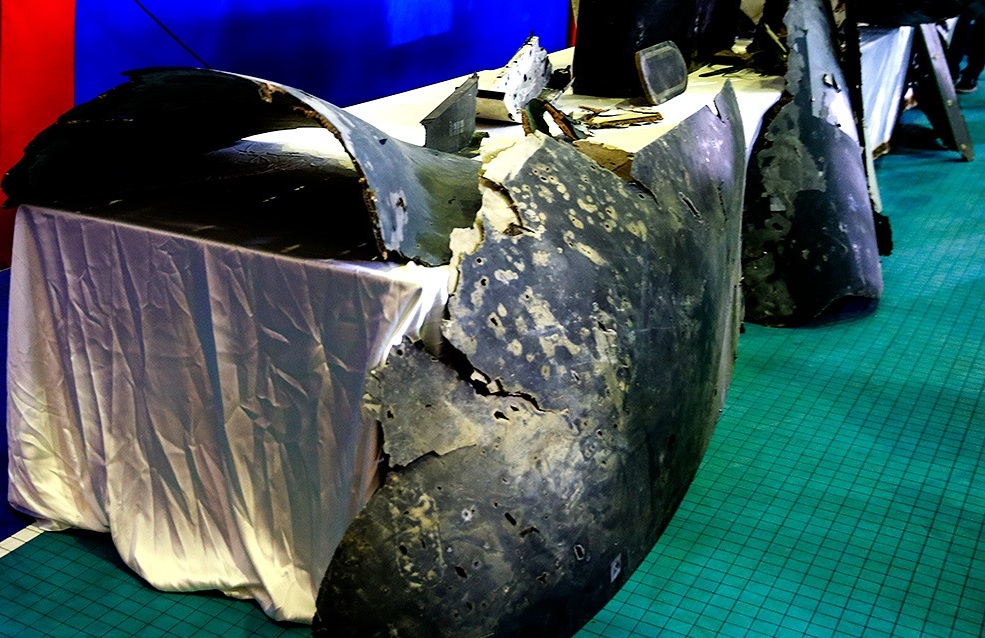
The Pentagon has committed substantial resources to bolster its aerial defense capabilities, awarding a contract valued at half a billion dollars to Perennial Autonomy. This major investment aims to rapidly acquire advanced counter-unmanned aerial systems, reflecting the urgent need to address the evolving threat landscape posed by pervasive drone technology.

The U.S. Navy has officially greenlit the MQ-25A Stingray unmanned aircraft for initial production and deployment, marking a pivotal shift in carrier strike group capabilities. This strategic move introduces the Navy's first operational carrier-based drone, poised to revolutionize aerial refueling logistics and enhance air wing effectiveness.
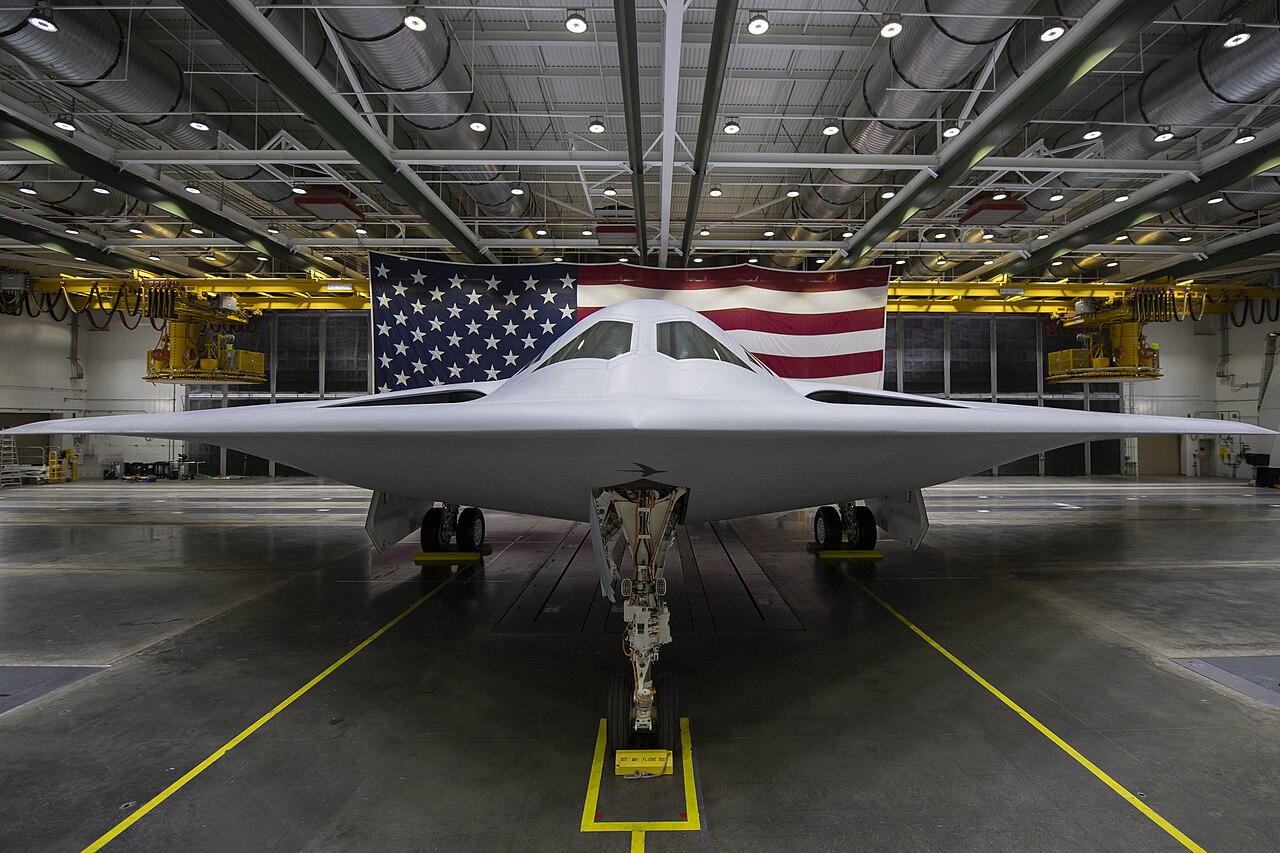
Air Force Special Operations Command is pioneering a new era of agile air support with its OA-1K Skyraider II, an aircraft designed for rapid disassembly and reassembly in austere environments. This innovative approach aims to provide on-demand intelligence, surveillance, reconnaissance, and strike capabilities for isolated special operations teams worldwide, fundamentally transforming deployment logistics.
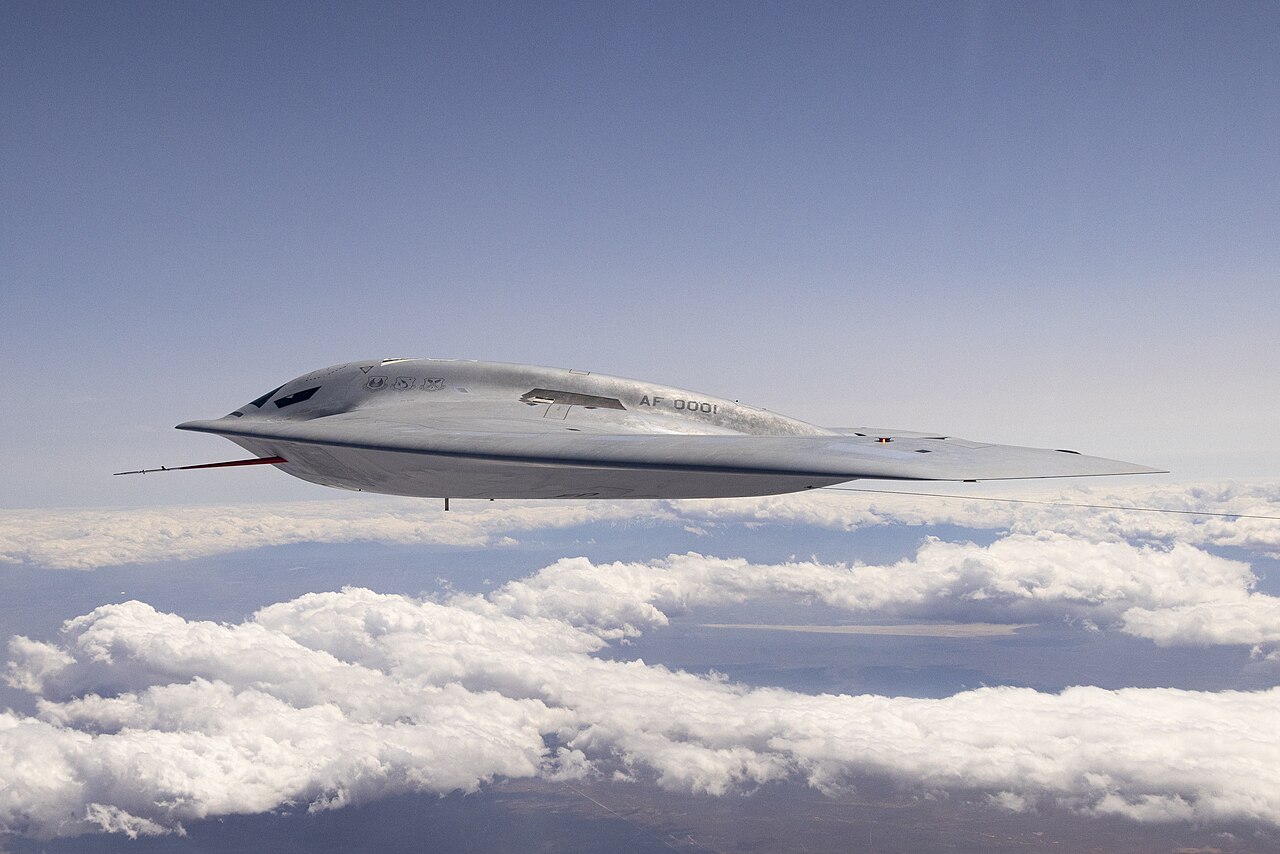
Air Force Special Operations Command (AFSOC) is set to conduct operational testing this year on its innovative rapid breakdown and reassembly system for the OA-1K Skyraider II aircraft. This advanced capability aims to drastically reduce the time and resources needed for aircraft deployment and redeployment, enhancing operational flexibility across diverse mission profiles.

Washington has signaled its approval for a substantial defense package destined for South Korea, potentially exceeding four billion dollars. This prospective acquisition focuses on enhancing Seoul's rotary-wing capabilities with advanced maritime and attack helicopters, underscoring ongoing efforts to bolster regional security alliances.

A significant financial debate has emerged concerning the Golden Dome missile defense initiative, with Space Force leadership publicly contesting a recent high-end cost assessment. This fiscal scrutiny unfolds as the U.S. Army dramatically escalates its electronic warfare capabilities, conducting what's described as an unprecedented exercise aimed at dominating contested network environments. Both developments highlight critical areas of focus for modern defense strategy.

The Pentagon has contracted Shield AI to integrate its Hivemind autonomy software onto the new Low-Cost Uncrewed Combat Attack System (LUCAS), signaling a significant advance in military drone capabilities. This strategic move aims to enable sophisticated drone swarm operations, aligning with the Defense Department's aggressive push for rapidly deployable autonomous systems. The initiative leverages a drone design inspired by foreign technology, demonstrating a pragmatic approach to accelerating innovation in contested operational environments.