
DoD Cyber Strategy Charts AI-Driven Force Future
- The upcoming DoD cyber strategy will explicitly define the integral role artificial intelligence is expected to play in empowering future cyber operations.
- The new policy aims to extend cyber considerations beyond specialized units, integrating them across all departmental personnel and commanders.
- It emphasizes forging a robust operational partnership with the private sector to accelerate the development and deployment of AI solutions.

Amidst political narratives questioning its combat strength, senior US defense and state department officials are increasingly lauding Ukraine's advanced military capabilities and battlefield innovation, positioning its forces as a leading example of modern warfare adaptation. This reassessment arrives as Kyiv demonstrates significant technological superiority, particularly in networked command systems.
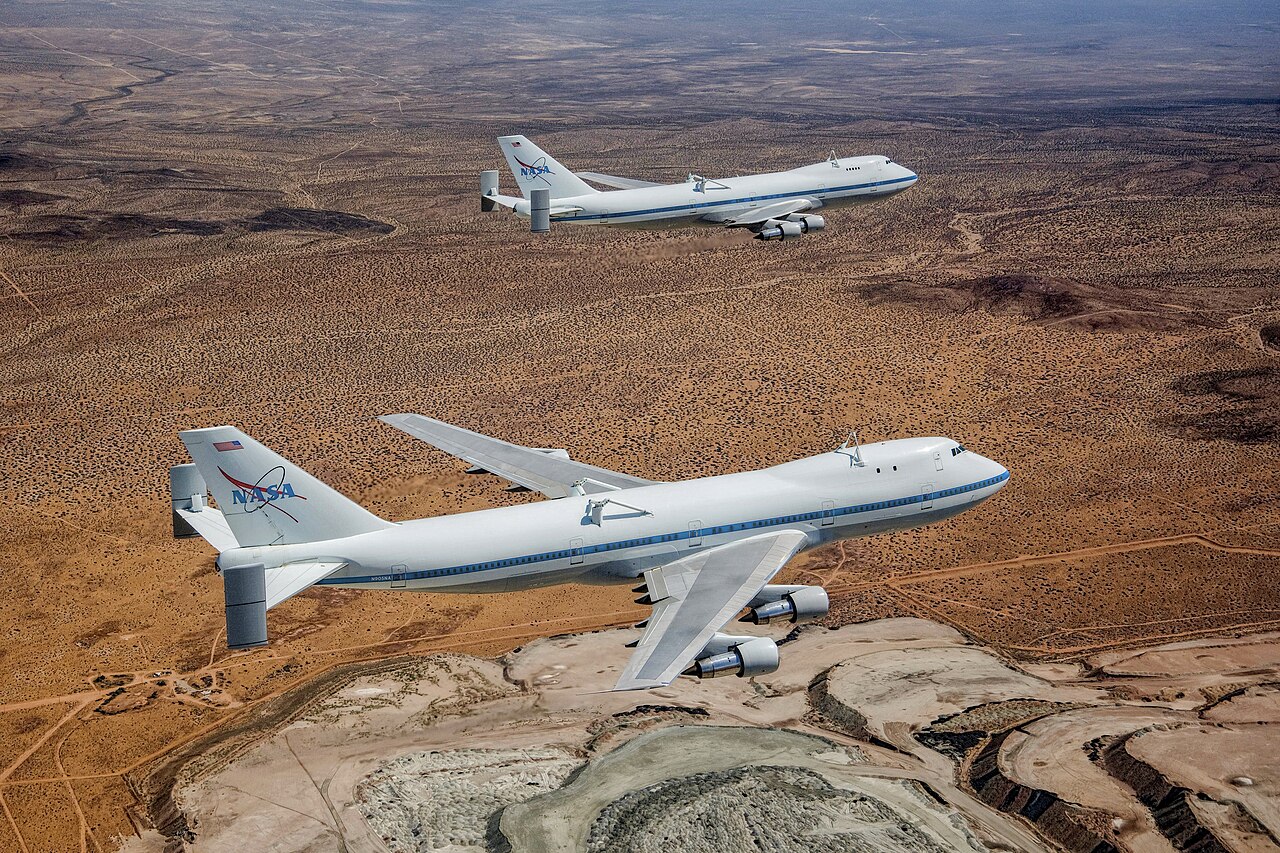
The U.S. Navy's MQ-25 Stingray unmanned aerial system has advanced to its low-rate initial production phase, a crucial step toward its operational deployment. This decision signals a significant leap forward in integrating autonomous aerial refueling capabilities into carrier strike group operations, fundamentally altering how naval air power can project its reach.

The Department of the Navy is advocating for a significant overhaul of its amphibious ship force generation model, proposing substantial changes to how these critical assets are maintained and deployed. This initiative aims to enhance operational readiness and sustain global presence through longer deployment cycles and a significant increase in fleet numbers, addressing current capability gaps.
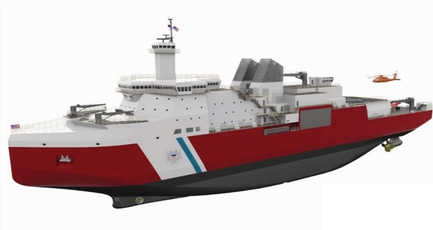
US Northern Command has initiated a new collaborative framework, dubbed Nordic Bridge, designed to bolster inter-command coordination and strategic presence in the Arctic region. This move seeks to integrate efforts across several key US military commands and potentially allied forces, addressing the growing security complexities of the high north.

After years of development and overcoming significant hurdles, a pioneering robotic spacecraft designed to extend the operational life of satellites is poised for launch this summer. This mission, a collaborative venture initially spearheaded by DARPA, represents a critical step toward enhancing the resilience and capabilities of both military and commercial assets in geosynchronous orbit.
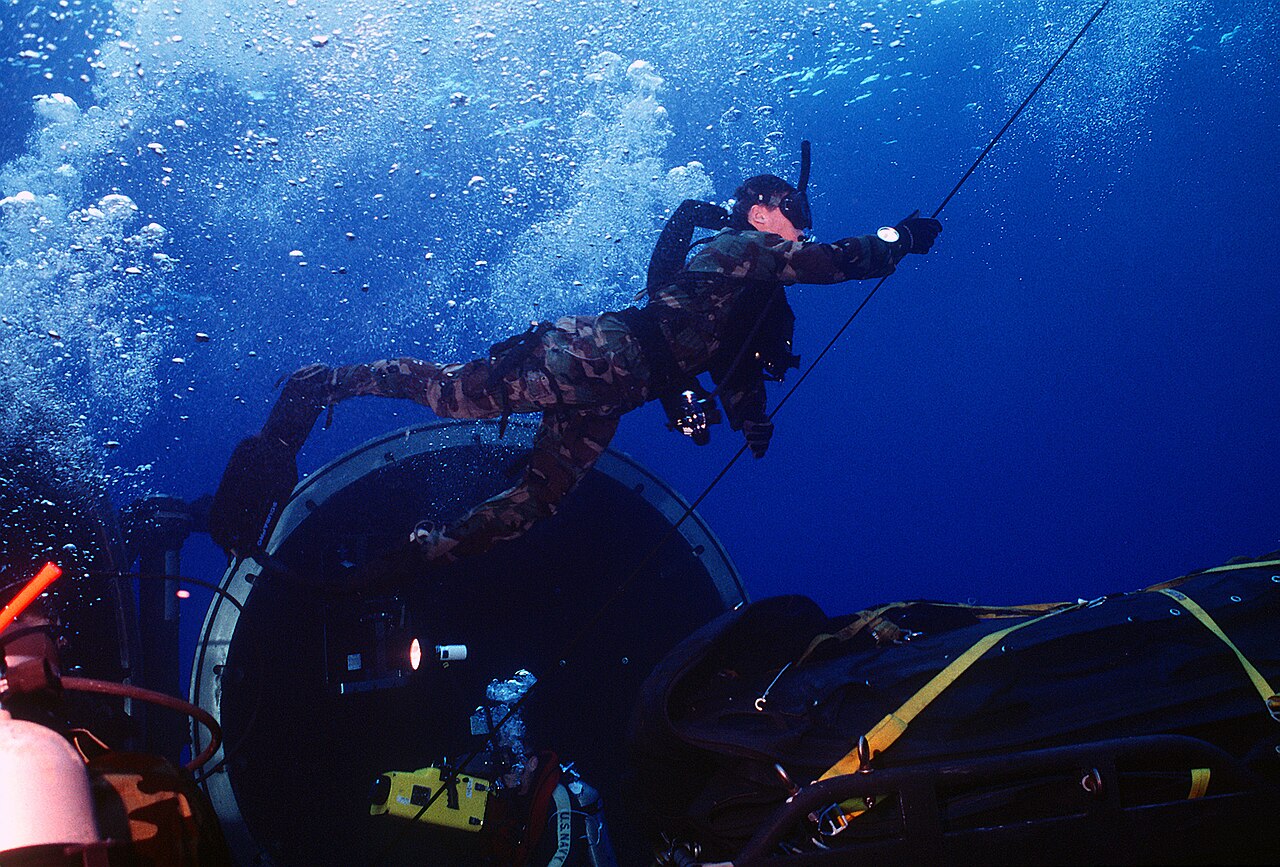
Australia is moving forward with a substantial financial commitment to extend the operational lifespan of its Collins-class submarine fleet. This critical investment serves as a bridging strategy to maintain naval capabilities as the nation prepares for the eventual transition to nuclear-powered vessels under the AUKUS security pact.
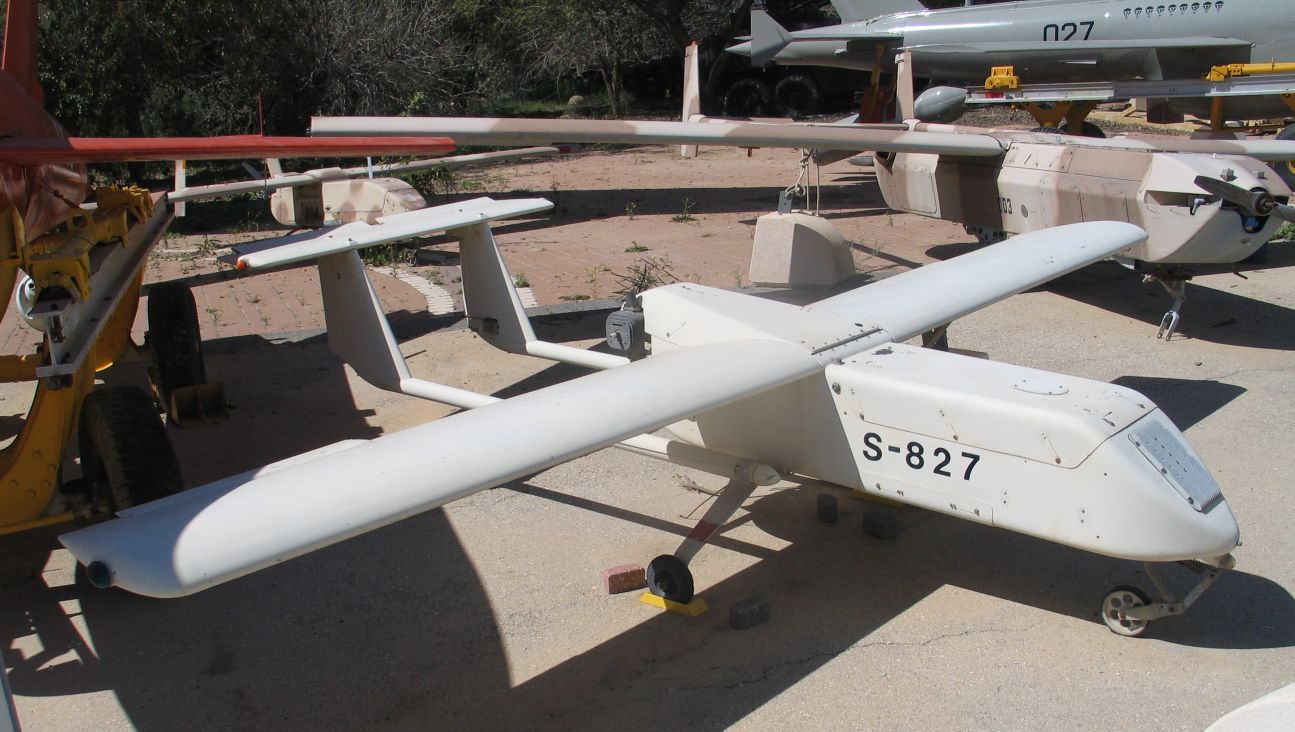
The commander of US Special Operations Command recently identified a complex operation aimed at a South American leader as a new benchmark, profoundly influencing the trajectory of future special operations. This pivotal assessment highlights an accelerated evolution in strategic planning and tactical execution for elite military forces worldwide.

Despite the growing advantages of unmanned aerial systems, human operators remain an indispensable component in the evolving loyal wingman drone programs. Militaries worldwide, spearheaded by the US Air Force, are actively defining the optimal balance between autonomous capabilities and direct human oversight to maximize operational effectiveness and mitigate risks.
The Pentagon's Chief Technology Officer is championing a strategic shift to accelerate technology acquisition, aiming to provide vendors with rapid feedback on proposed solutions. This initiative seeks to foster innovation, particularly from smaller companies, by minimizing prolonged evaluation processes and integrating promising technologies more swiftly into defense capabilities.

The rapid proliferation of advanced artificial intelligence models with sophisticated cyber warfare capabilities is forcing federal agencies and defense strategists to re-evaluate national security paradigms. Experts warn that these nascent AI tools possess an unprecedented ability to identify software vulnerabilities at alarming speeds, fundamentally altering the landscape of cyber defense and offense.

A top U.S. Central Command official recently stressed the urgent need for advanced military capabilities, particularly highlighting the global trend of adversaries concealing assets underground. This demand for sophisticated deep-strike munitions, alongside enhanced electronic warfare and counter-drone systems, comes amidst intense congressional scrutiny over ongoing regional conflicts.

The release of a proof-of-concept exploit for DirtyDecrypt, a local privilege escalation flaw in the Linux kernel, has intensified concerns across the cybersecurity landscape. This vulnerability, identified as CVE-2026-31635, capitalizes on specific memory handling oversights to bypass security controls in critical operating system components. Its public availability now elevates the urgency for system administrators to address patching.