
DoD Cyber Strategy Charts AI-Driven Force Future
- The upcoming DoD cyber strategy will explicitly define the integral role artificial intelligence is expected to play in empowering future cyber operations.
- The new policy aims to extend cyber considerations beyond specialized units, integrating them across all departmental personnel and commanders.
- It emphasizes forging a robust operational partnership with the private sector to accelerate the development and deployment of AI solutions.
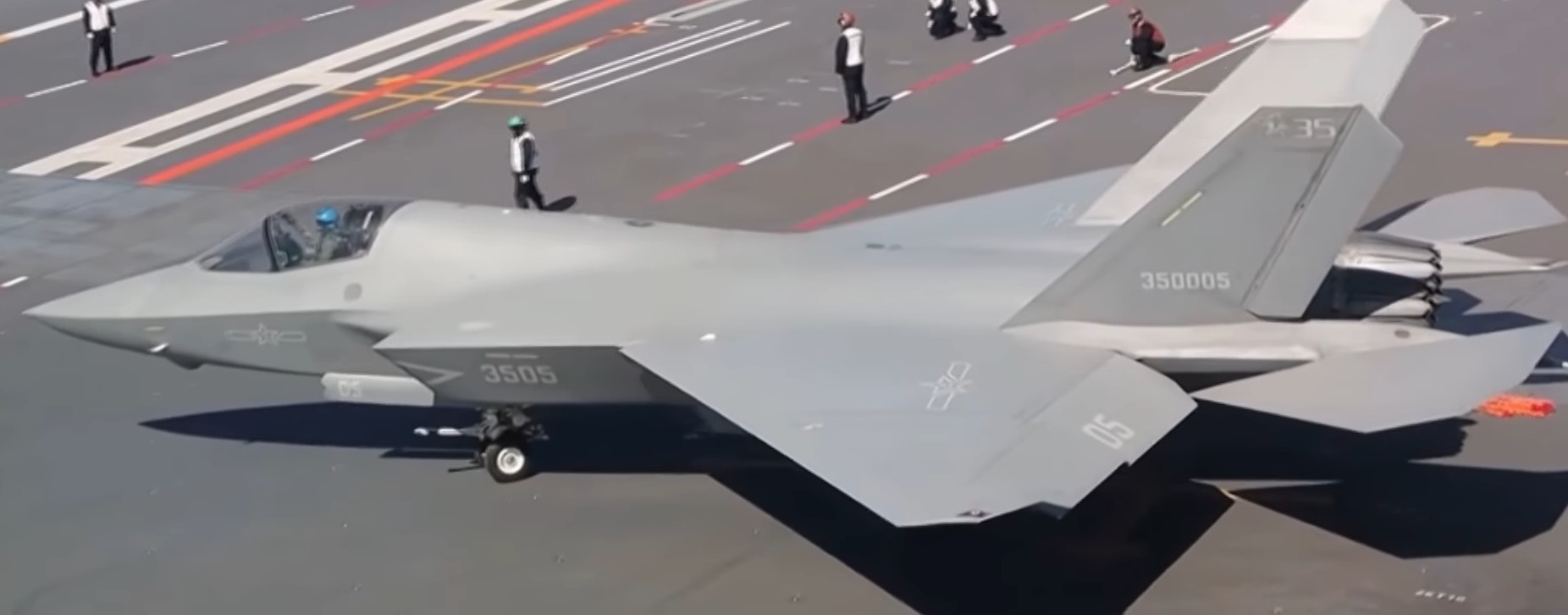
The Hague is significantly bolstering its long-range strike capabilities by pursuing additional Joint Air-to-Surface Standoff Missile Extended Range (JASSM-ER) weapons for its F-35 fleet. This strategic move coincides with an announced three-year delay in the delivery of its critical Anti-Submarine Warfare (ASW) frigates, highlighting both modernization priorities and procurement challenges within a demanding defense landscape.
The U.S. Navy has authorized the initial phase of production for its MQ-25A Stingray unmanned aerial refueler, a critical development following recent successful test flights. This decision marks a significant milestone in integrating autonomous systems into naval carrier operations, poised to reshape the reach and effectiveness of air wings at sea.
NATO is rapidly advancing plans for an 'autonomous zone' along its eastern borders, designed to leverage unmanned systems for early detection and engagement. This strategic initiative aims to establish a machine-centric buffer, minimizing human exposure to risk in the initial stages of any potential conflict with an aggressor.

Italy's government is signaling a potential withdrawal from substantial European Union defense financing initiatives. This strategic shift prioritizes domestic energy security and cost-of-living challenges, raising questions about Rome's commitment to collective defense spending targets.
A drone incursion over Lithuania's capital triggered immediate emergency protocols, compelling lawmakers to seek shelter and temporarily halting air traffic, underscoring rising aerial threats in the Baltic region. This incident is the latest in a string of unexplained airborne intrusions affecting NATO's eastern flank, prompting urgent security reassessments among alliance members.
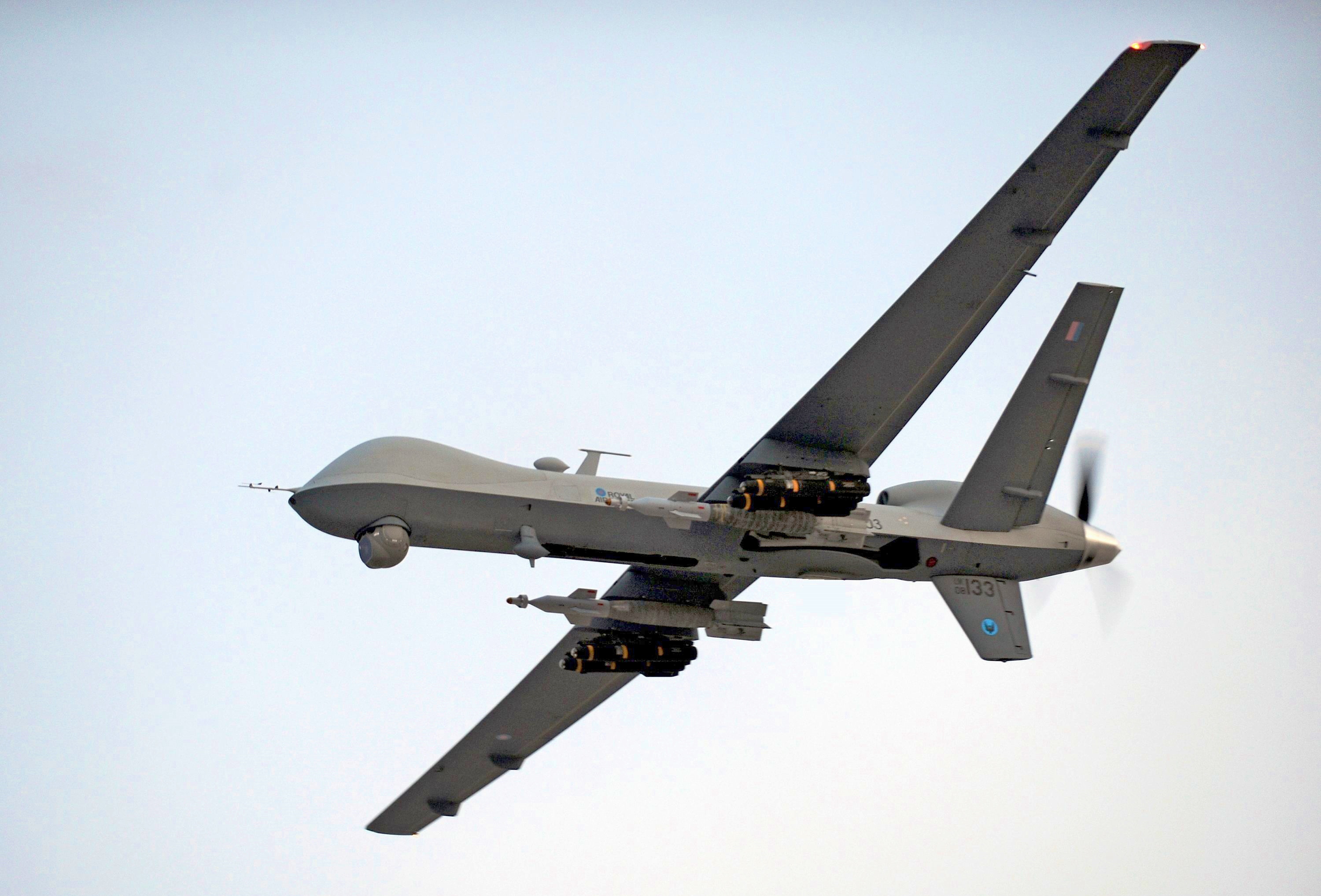
Airbus is significantly expanding its defense manufacturing footprint in Spain, announcing a new conversion facility for its A330 Multi Role Tanker Transport aircraft. This strategic move aims to elevate production capacity and meet rising international demand, underscored by recent major procurement decisions from key European partners.
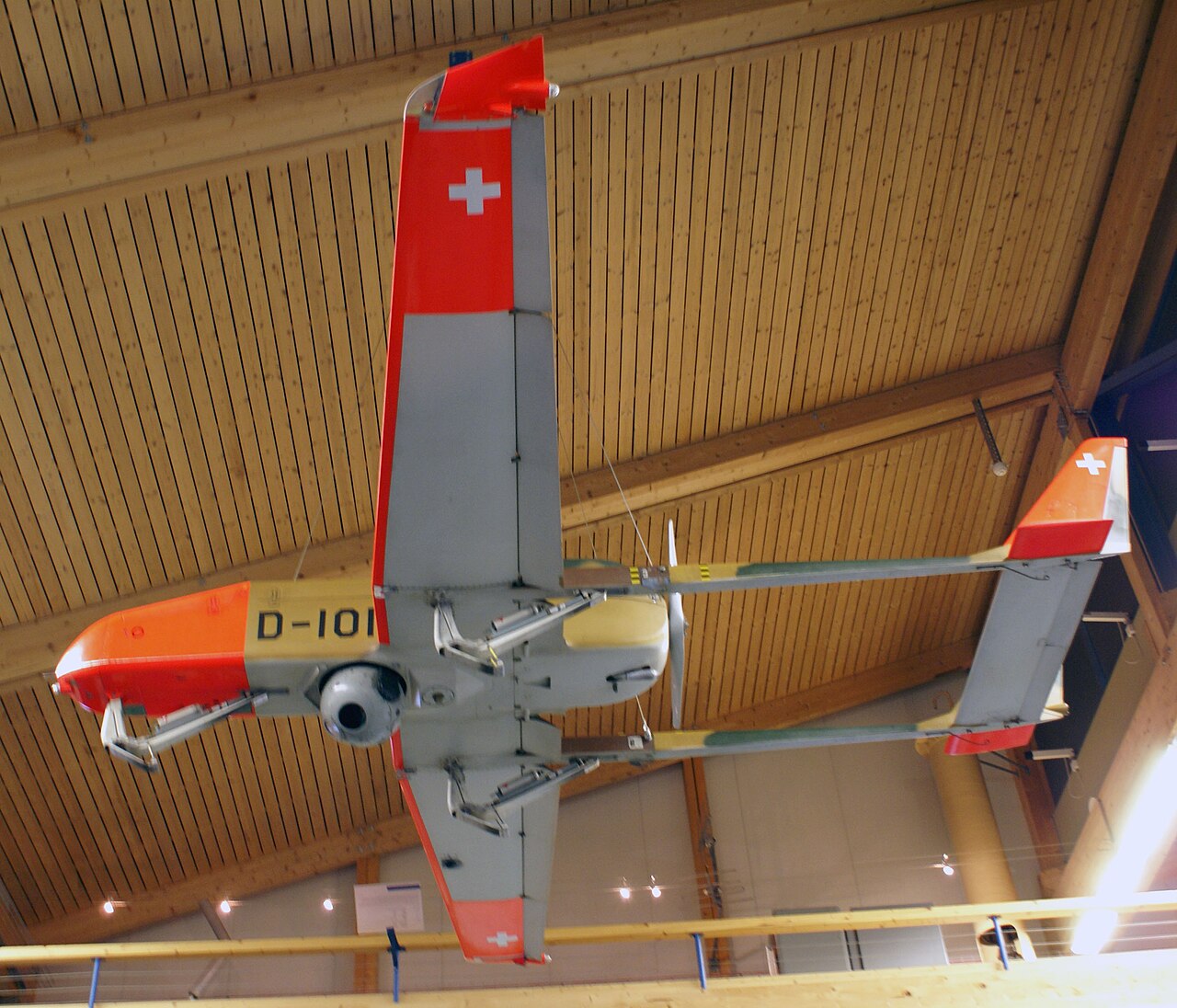
The United States' southern frontier is emerging as a critical operational laboratory for developing advanced counter-unmanned aerial system technologies, according to the commander of US Northern Command. This initiative transforms the border into a unique proving ground where defense industries can rigorously test and refine solutions against escalating drone threats posed by transnational criminal organizations. The strategic focus is on accelerating the deployment of effective countermeasures for homeland security and beyond.

The US Naval Special Warfare Command is embarking on a comprehensive modernization program for its combatant craft fleet, integrating advanced technologies to enhance operational effectiveness. This initiative aims to equip special operators with next-generation capabilities, from improved mission management to advanced propulsion systems, for operations in contested maritime environments.
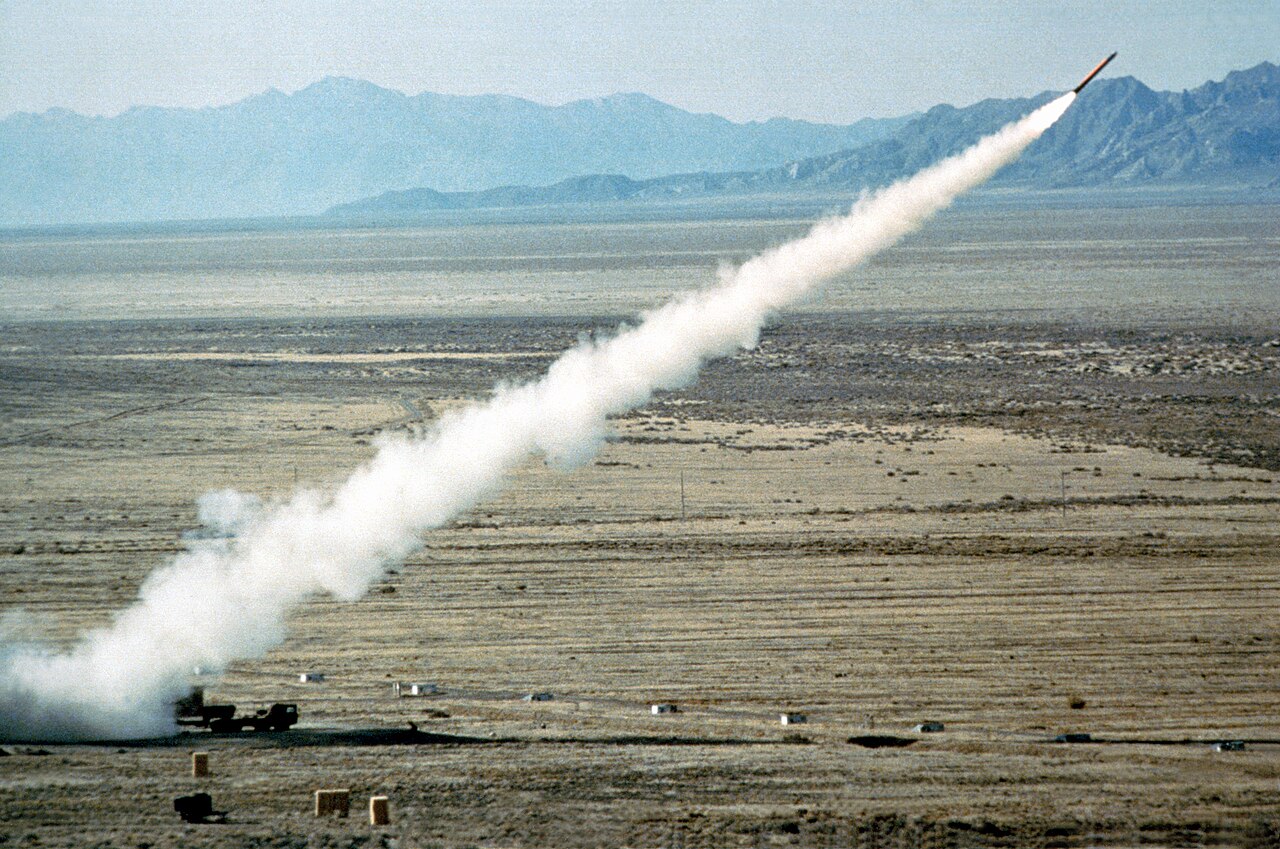
Key members of Congress are expressing reservations regarding the allocation of funds for a new sea-launched nuclear cruise missile program. This scrutiny comes as the National Nuclear Security Administration operates under directives to increase warhead production, including critical components for this specific weapon system.

A recent Department of the Air Force assessment suggests the U.S. Space Force will likely require an entirely new launch facility to alleviate escalating strain on existing national spaceports. This strategic imperative emerges as current infrastructure at both coastal launch complexes struggles to keep pace with the rapidly expanding demands of both national security and commercial space operations.

The advent of sophisticated artificial intelligence models, particularly those demonstrating advanced hacking capabilities, is compelling federal agencies handling sensitive information to critically re-evaluate their operational security and strategic posture. This new generation of AI presents both unparalleled opportunities for threat mitigation and introduces profound challenges by potentially lowering the entry barrier for cyber adversaries.
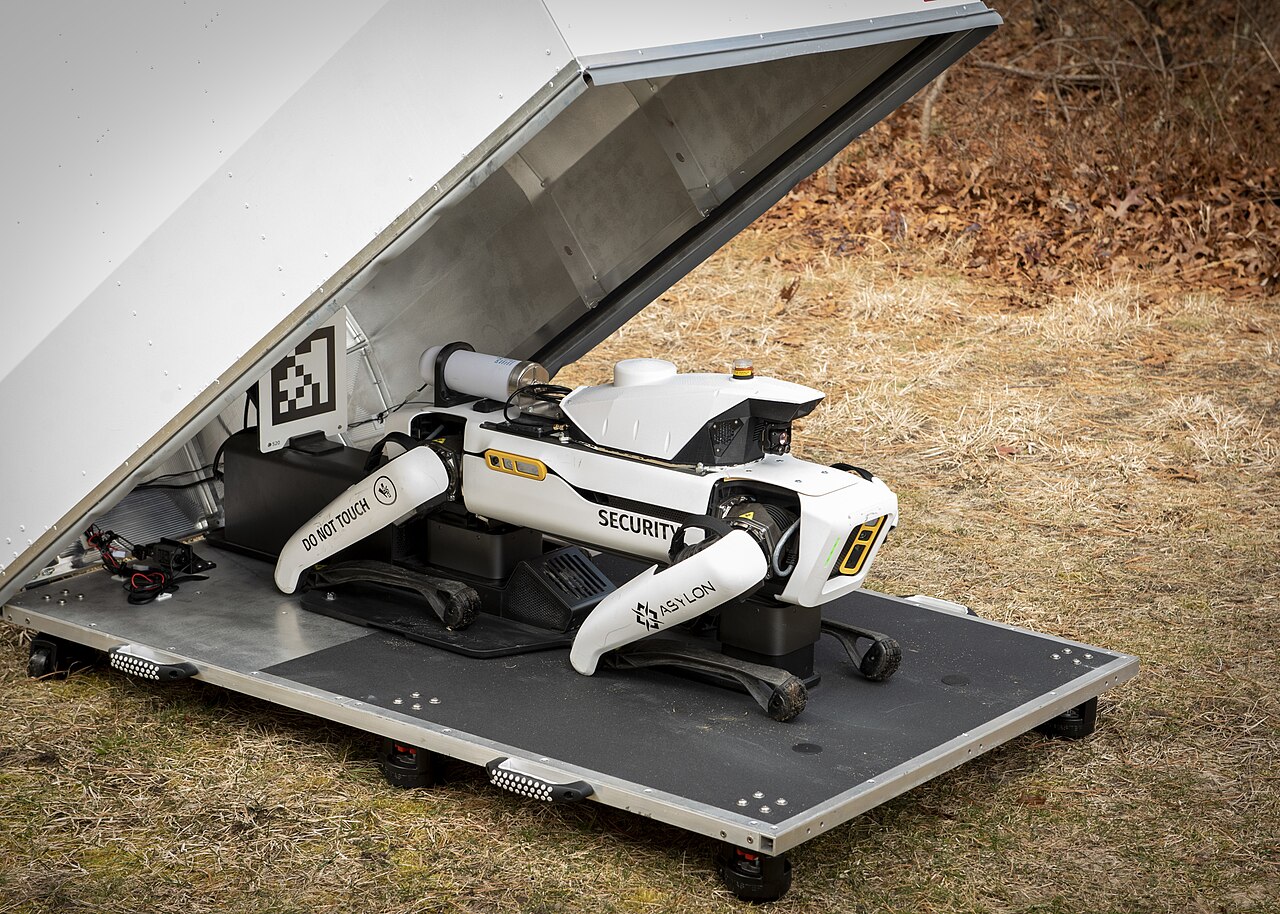
A single Ukrainian ground combat robot recently maintained a critical defensive posture against sustained adversary attacks for over six weeks, marking a pivotal moment in the operational deployment of unmanned systems. This extended engagement, achieved without direct human casualties, demonstrates a growing reliance on robotic platforms in frontline warfare, transforming tactical defensive strategies.