
DoD Cyber Strategy Charts AI-Driven Force Future
- The upcoming DoD cyber strategy will explicitly define the integral role artificial intelligence is expected to play in empowering future cyber operations.
- The new policy aims to extend cyber considerations beyond specialized units, integrating them across all departmental personnel and commanders.
- It emphasizes forging a robust operational partnership with the private sector to accelerate the development and deployment of AI solutions.

The Pentagon is reportedly reassessing previously announced reductions to Army aviation capabilities, a significant development in the service's long-term modernization strategy. This potential reversal comes less than a year after initial cuts were revealed, creating new uncertainty for the ambitious Aviation Transformation Initiative, which includes the critical MV-75 Cheyenne II program.

A prominent defense think tank has issued a provocative call for a significant reorientation of US national space policy, advocating for the establishment of a military human presence on the moon. This unprecedented recommendation stems from concerns over China's burgeoning lunar program, which some analysts view as a thinly veiled military initiative designed to secure future strategic advantages in space.

Defense priorities are increasingly focusing on innovations that enhance operational reach and adaptability. A key development gaining traction is the integration of hybrid propulsion systems into military drones, promising extended endurance and varied mission capabilities. This technological evolution aligns with broader strategic demands, including a renewed push for robust naval assets.

General Atomics has restarted flight testing for its autonomous drone wingman platform, Dark Merlin, approximately seven weeks after a significant operational mishap. This rapid return to the skies underscores the accelerated development and testing pace of the U.S. Air Force’s Collaborative Combat Aircraft program.

Microsoft has introduced two new open-source platforms, RAMPART and Clarity, designed to enhance the security posture of artificial intelligence agents from their earliest development stages. These initiatives represent a significant push to embed robust security testing and design clarification directly into the AI engineering workflow, moving beyond reactive post-deployment assessments.

A critical vulnerability has been identified within Drupal Core, presenting a significant remote code execution threat to web applications leveraging PostgreSQL databases. This flaw allows malicious actors, even those without authentication, to exploit systems, potentially leading to widespread compromise and data exfiltration. Web administrators are urged to apply patches immediately to mitigate this severe risk.
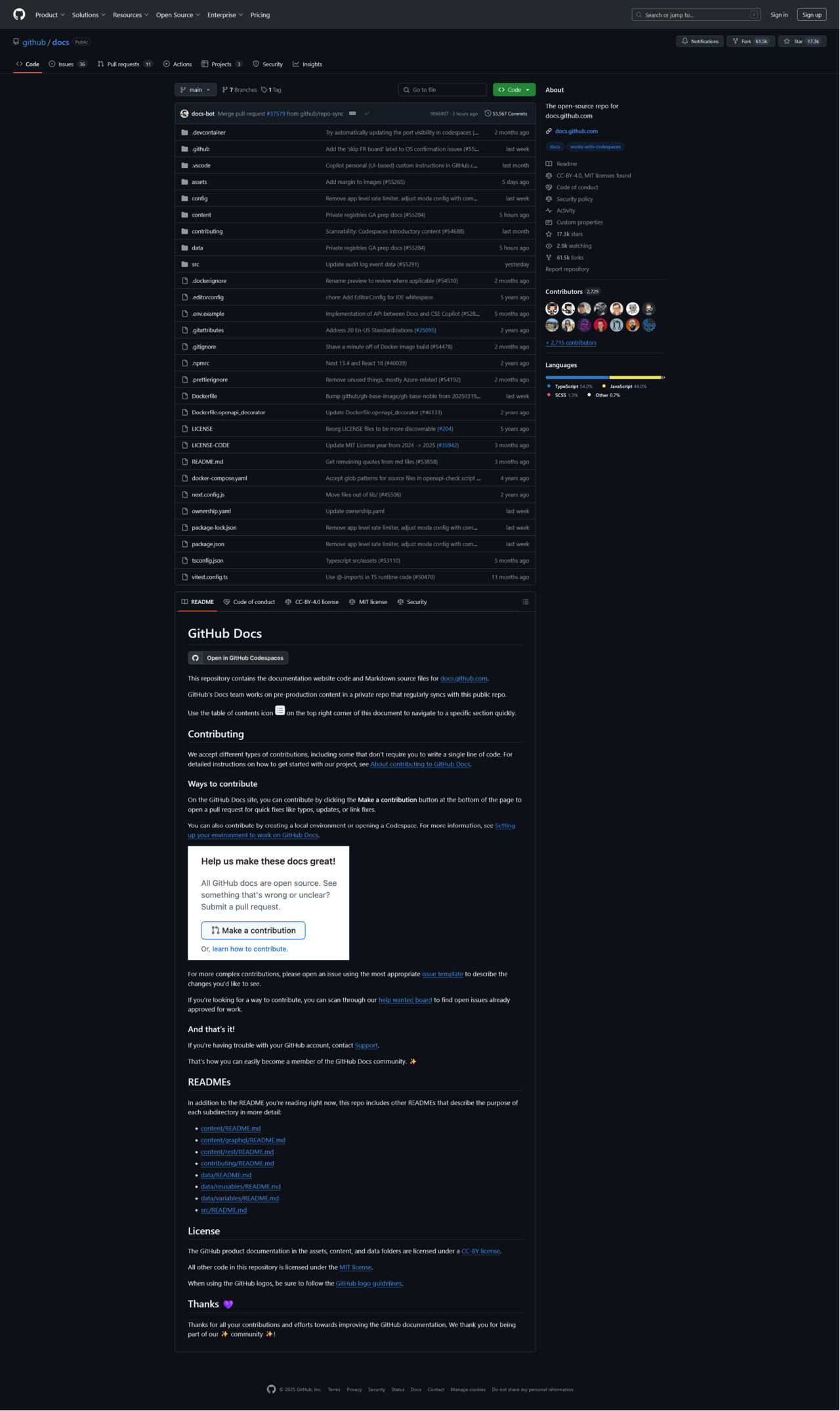
GitHub has confirmed that an attack on an employee's system, leveraging a trojanized VS Code extension, led to unauthorized access and exfiltration from its internal repositories. This incident highlights the critical and pervasive threat posed by sophisticated software supply chain compromises, even within leading technology companies. The breach underscores a growing trend where malicious actors exploit trusted developer tools to gain initial access.
Microsoft's ubiquitous Defender antivirus software is facing immediate threats, with the company confirming active exploitation of two distinct vulnerabilities in the wild. These critical security gaps could allow attackers to gain deep system control or trigger denial-of-service conditions, underscoring the constant battle against sophisticated cyber adversaries. The disclosure highlights a pressing need for organizations to ensure their endpoint protection remains robust and up-to-date against evolving threats.

Sweden has committed to a significant expansion of its naval capabilities by selecting French-designed multi-role frigates from Naval Group. This strategic acquisition, potentially valued at over four billion U.S. dollars, marks one of the nation's most substantial defense procurements in decades, aiming to bolster maritime security and long-range air defense. The decision underscores a rapid pivot towards enhancing readiness amidst evolving regional security dynamics.

The United States is preparing to significantly reduce its military contributions available for NATO's crisis response framework, a move signaling a substantial shift in transatlantic defense strategy. This planned adjustment aims to compel European allies to assume greater responsibility for their own regional security amidst escalating geopolitical tensions.
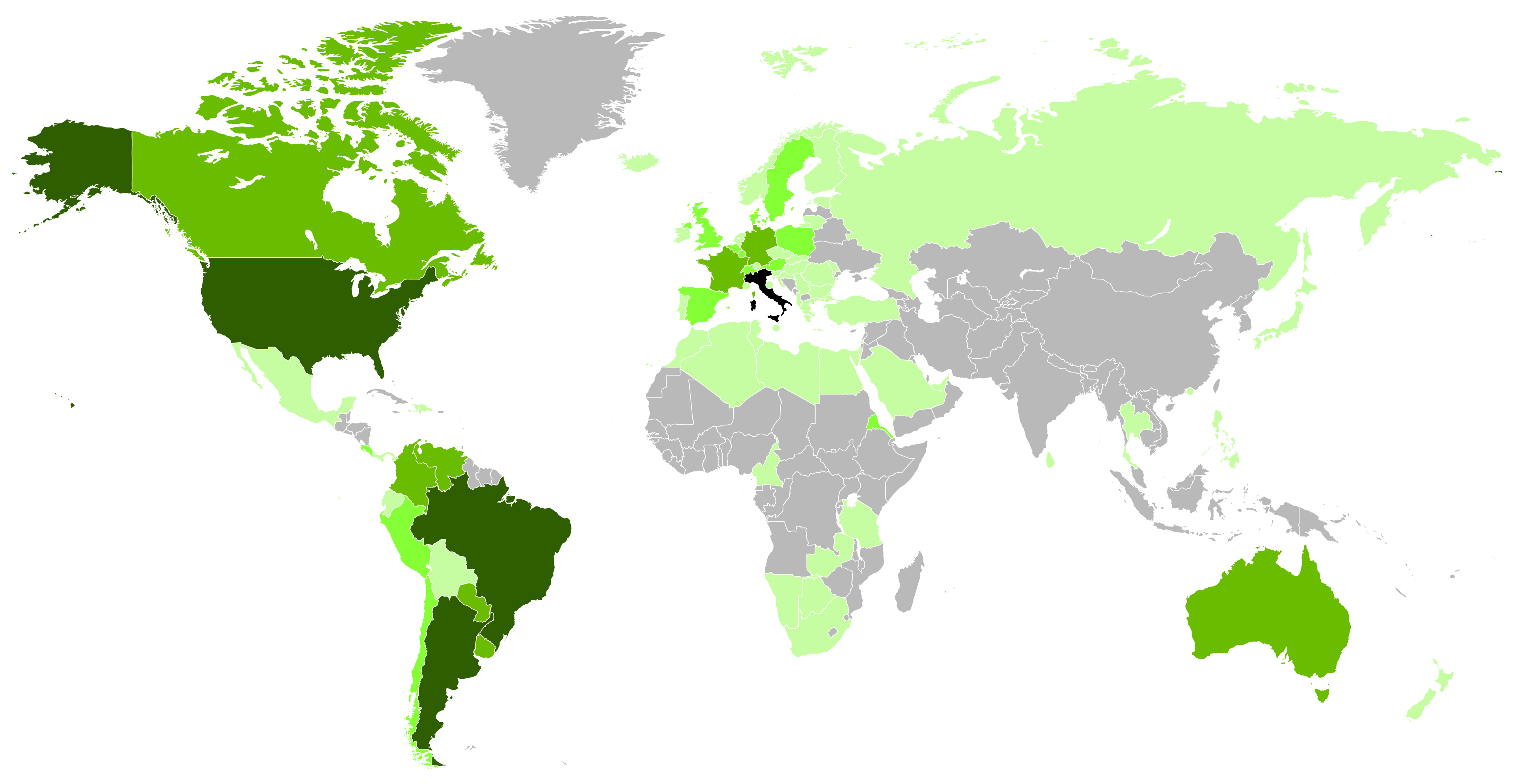
Italy is undertaking a significant modernization of its aerial refueling and strategic transport capabilities, opting to procure six Airbus A330 MRTT multi-role tanker aircraft. This decision marks a notable strategic pivot for the Italian Air Force, transitioning from its long-standing reliance on Boeing platforms to a European defense industrial base.
As adversaries increasingly target GPS, a critical vulnerability for modern military operations, new technologies are emerging to ensure the uninterrupted functionality of unmanned aerial systems. Advanced 3D mapping data offers a promising solution, enabling drones to maintain precise navigation even when global positioning signals are unavailable or contested. This capability is paramount for future combat and logistical support.