
DoD Cyber Strategy Charts AI-Driven Force Future
- The upcoming DoD cyber strategy will explicitly define the integral role artificial intelligence is expected to play in empowering future cyber operations.
- The new policy aims to extend cyber considerations beyond specialized units, integrating them across all departmental personnel and commanders.
- It emphasizes forging a robust operational partnership with the private sector to accelerate the development and deployment of AI solutions.
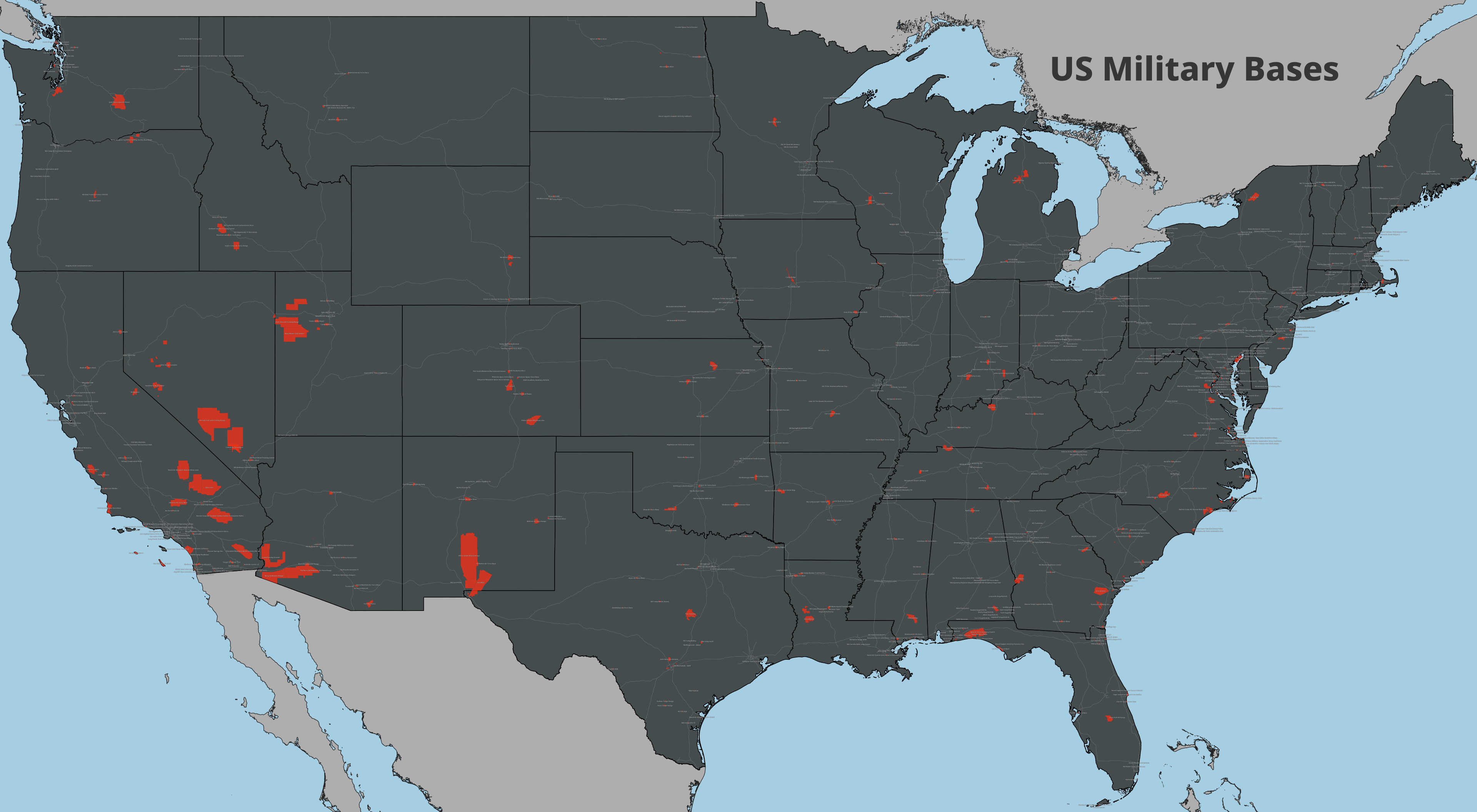
The United States anticipates further reductions in its military footprint across Europe, a move confirmed by the alliance's top military commander for the region. This strategic shift reflects a concerted effort by European NATO partners to enhance their own conventional defense capabilities, allowing Washington to reallocate resources while focusing on unique contributions.
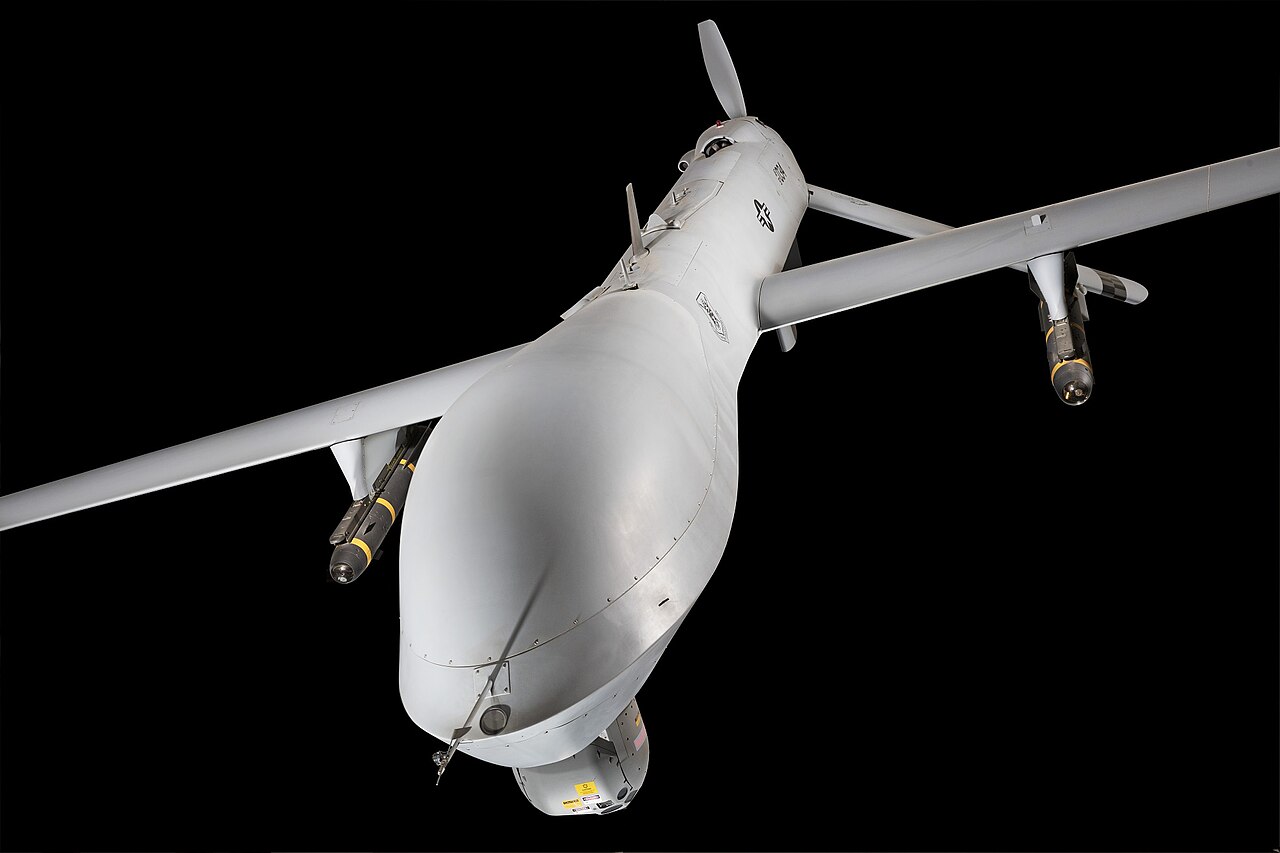
Recent operational deployments have underscored the critical role of unmanned aerial systems in modern warfare, with Air Force leadership acknowledging their indispensable contributions. Yet, this strategic recognition appears to starkly contrast with the service's current fiscal priorities, raising questions about the pace of future force modernization. This divergence suggests a significant challenge in translating doctrinal shifts into tangible investment.

The U.S. Army recently convened its inaugural Defense Critical Infrastructure (DCI) Summit, simulating a complex, multi-domain attack designed to impede military deployment readiness. This pioneering exercise at Fort Bragg brought together military units, federal agencies, and civilian partners to forge a unified response playbook against hybrid threats targeting vital base and regional infrastructure.

The White House has officially put forward Jules 'Jay' Hurst for the crucial role of Pentagon comptroller, marking a significant step towards confirming a permanent financial leader for the Department of Defense. This nomination, if approved by the Senate, would fill a key position that has seen an acting incumbent since early 2025, bringing stability to the nation's defense fiscal strategy.

Senior military leaders from U.S. Special Operations Command and U.S. Southern Command have issued a joint call for expanded access to and development of advanced training ranges. They argue that current limitations hinder their ability to adequately prepare for the complexities of modern, contested operational environments, especially given the rapid evolution of defense technologies. This push highlights an urgent need for infrastructure and policy adjustments to meet evolving threat landscapes.

The U.S. Navy's senior leadership has publicly stated that providing escort services for commercial vessels through the contested Strait of Hormuz would overextend its operational capabilities. This declaration sheds light on the significant challenges of navigating a volatile maritime choke point, even as a broader blockade operation continues.

Cybersecurity researchers have identified a sophisticated new Linux-based post-exploitation framework, dubbed "Showboat," actively deployed against a telecommunications provider in the Middle East since at least mid-2022. This modular malware facilitates a SOCKS5 proxy backdoor, enabling deep network penetration and suggesting a persistent threat from state-sponsored actors. Its discovery underscores the ongoing digital espionage efforts targeting critical infrastructure in strategic regions.
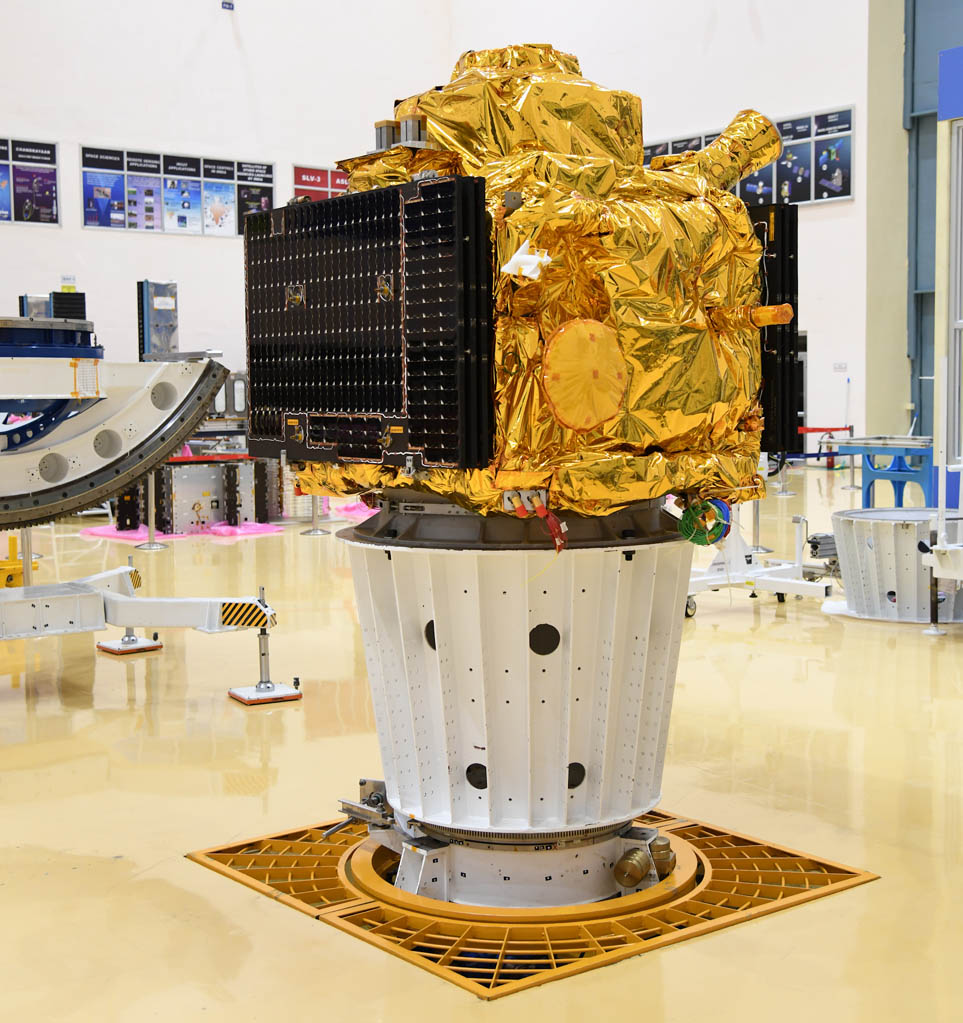
Germany is actively campaigning for the establishment of a robust European military space command, presenting it as a collaborative initiative for several close partners. This drive is a central component of a larger strategic vision to foster indigenous European capabilities and diminish dependency on external technological solutions in the critical space domain.
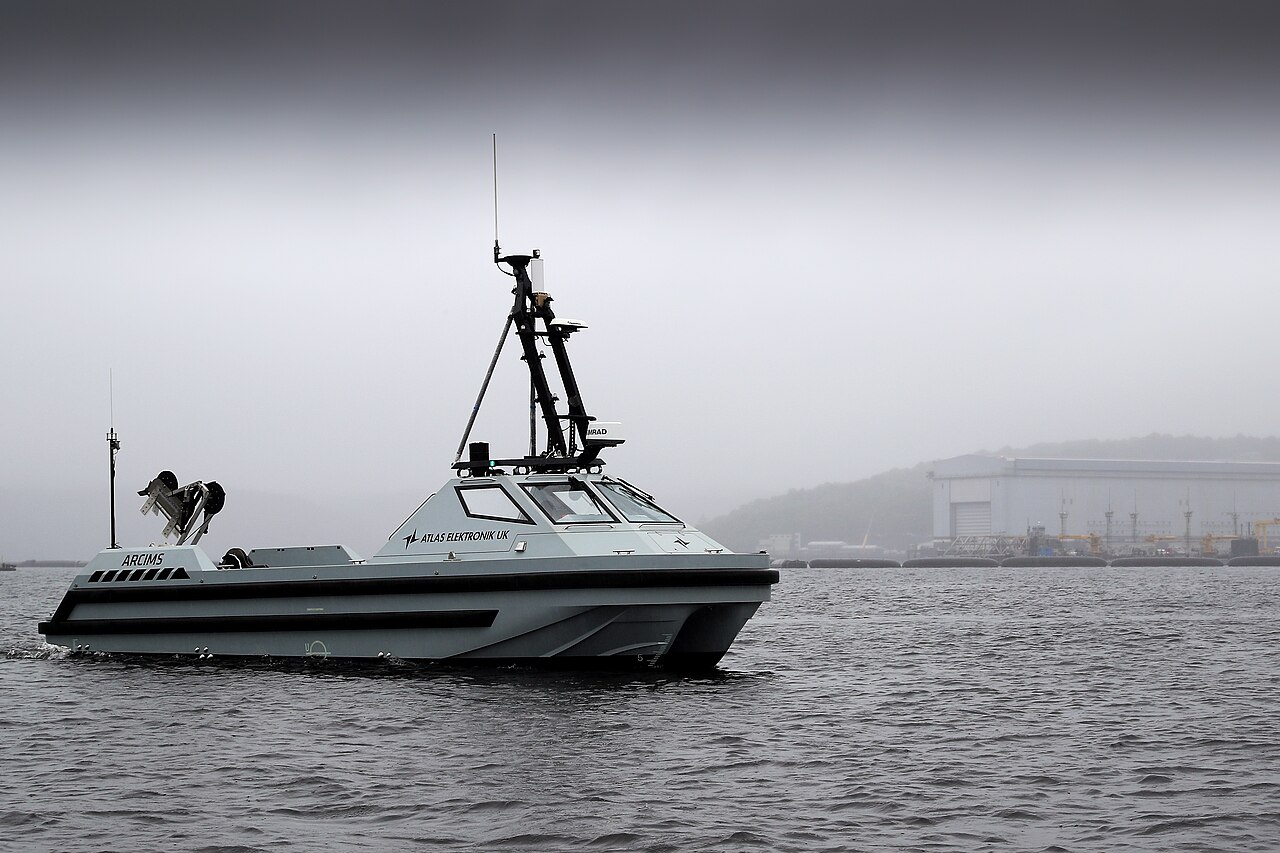
Turkey is significantly enhancing its naval capabilities with the acquisition of a substantial fleet of one-way explosive unmanned surface vessels. This strategic move, approved by the nation's top defense procurement body, underscores a growing commitment to modernizing maritime warfare through autonomous systems. The initiative involves multiple domestic defense contractors producing these advanced platforms for future operational deployment.

Poland has formally committed to the Pentagon’s collaborative acquisition platform for counter-drone technologies, signaling a strategic commitment to enhancing its layered air defenses. This move comes even as a previously anticipated U.S. military deployment to the nation was unexpectedly called off, highlighting a nuanced approach to alliance cooperation.

As the Pentagon pushes for widespread integration of artificial intelligence across military operations, the head of U.S. Special Operations Forces issued a significant caution regarding AI's application in combat. He emphasized the critical need for a pragmatic assessment of current capabilities and future deployment strategies, rather than an unbridled embrace of the technology.

The global undersea battlespace is undergoing a significant transformation, driven by increasingly stealthy adversary submarines that challenge traditional detection methods. Emerging sonobuoy technologies are now at the forefront of this counter-evolution, providing critical advanced sensing capabilities to maintain maritime superiority. This technological push is vital for navies operating in contested regions, particularly across the Indo-Pacific.