
DoD Cyber Strategy Charts AI-Driven Force Future
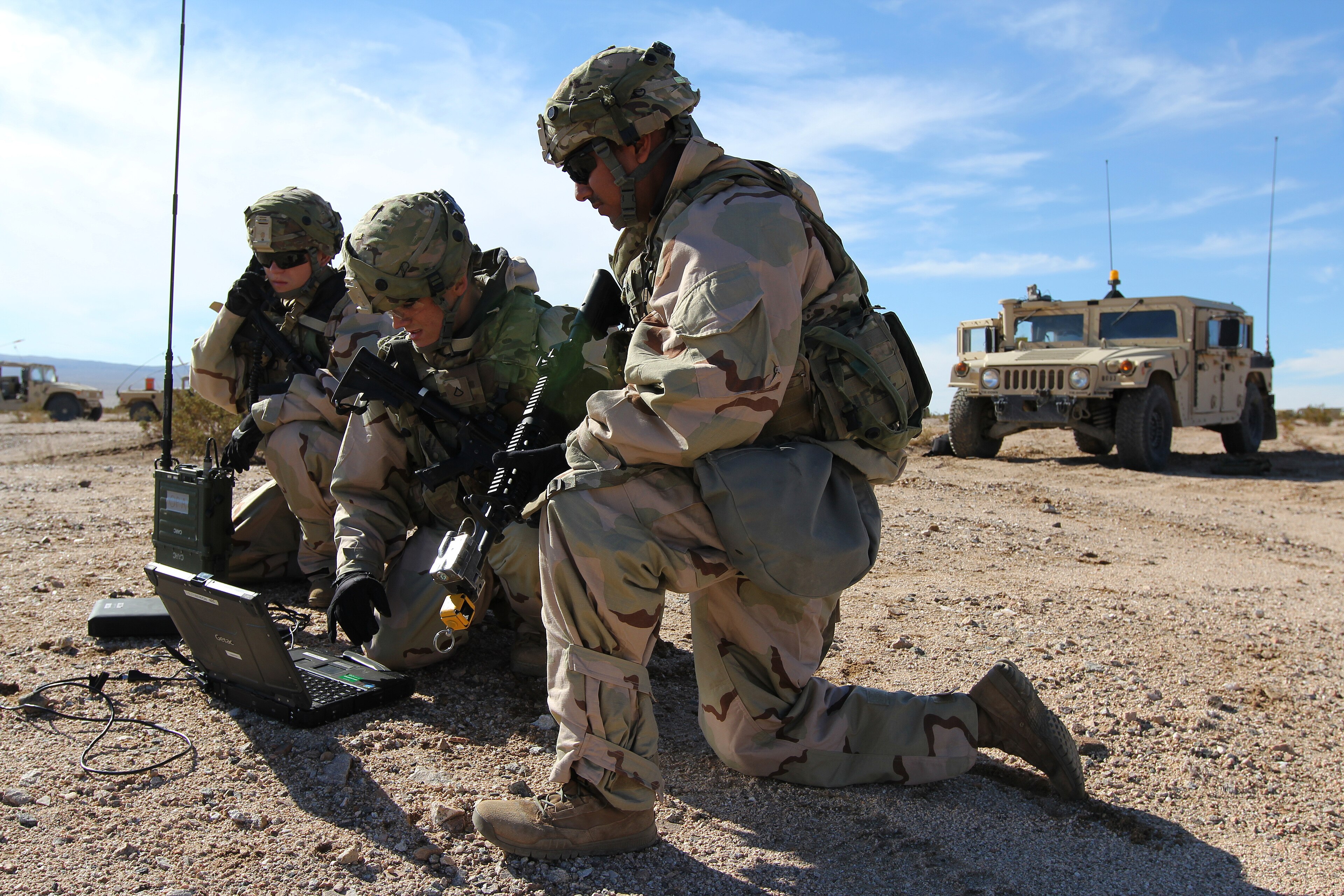
- The upcoming DoD cyber strategy will explicitly define the integral role artificial intelligence is expected to play in empowering future cyber operations.
- The new policy aims to extend cyber considerations beyond specialized units, integrating them across all departmental personnel and commanders.
- It emphasizes forging a robust operational partnership with the private sector to accelerate the development and deployment of AI solutions.
OpenAI has disclosed a security incident involving two employee devices within its corporate environment, stemming from the broader Mini Shai-Hulud supply chain attack on the TanStack development ecosystem. While asserting no compromise of user data, production systems, or core intellectual property, the incident has necessitated urgent action, including mandatory software updates for macOS users.

A significant security vulnerability impacting NGINX web server deployments is now under active exploitation, just days after its public disclosure. This critical flaw, present in a core module for over a decade, poses immediate risks of service disruption and, under specific conditions, opens pathways for remote code execution. Security researchers are urging immediate action as threat actors begin to weaponize the exploit.
Recent cybersecurity findings highlight the discovery of four distinct npm packages deployed by a single actor, each containing sophisticated malware. These malicious libraries range from advanced information stealers to a potent DDoS botnet, demonstrating a concerning evolution in software supply chain threats. One package notably incorporates a functional version of the recently leaked Shai-Hulud worm, signaling rapid weaponization of publicly available code.
Major code hosting platform GitHub has confirmed a significant security incident, revealing that an employee's device was compromised, leading to the exfiltration of thousands of internal software repositories. This breach, attributed to the prolific threat actor TeamPCP, highlights the escalating risk of sophisticated supply chain attacks targeting core infrastructure providers. The incident underscores the pervasive vulnerability even within high-security development environments.

Microsoft has successfully dismantled a sophisticated operation that offered a 'malware-signing-as-a-service' to cybercriminals, enabling them to disguise dangerous payloads as legitimate software. This critical intervention targeted a key enabler in the ransomware ecosystem, which had facilitated attacks across vital sectors globally.
The U.S. Cybersecurity and Infrastructure Security Agency has escalated its alert status by adding actively exploited vulnerabilities in Langflow and Trend Micro Apex One to its Known Exploited Vulnerabilities catalog. This critical update signifies an immediate and tangible threat to digital infrastructure, with strong indicators that sophisticated adversaries are leveraging these flaws for network infiltration.
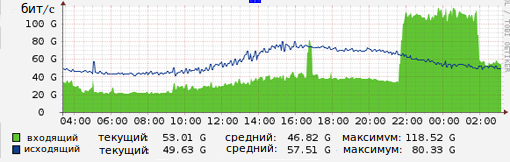
Law enforcement agencies have apprehended a Canadian individual suspected of operating the sophisticated Kimwolf distributed denial-of-service (DDoS) botnet. This arrest marks a significant development in the ongoing global crackdown on cybercrime-as-a-service operations, particularly those that have impacted sensitive targets including military network infrastructure. The action highlights international cooperation in dismantling threat actor capabilities.

A significant policy evolution is unfolding across European Union member states, shifting strategic priorities from globalized efficiency to national resilience and operational independence. While strategic discussions and funding frameworks gain traction, a critical imperative for true technological and defense sovereignty remains largely underaddressed: the indispensable need for robust physical infrastructure.

A China-linked threat actor, Webworm, has been observed deploying two sophisticated custom backdoors that exploit widely used communication platforms for command and control. This evolution in their toolkit, dubbed EchoCreep and GraphWorm, signifies a strategic shift towards blending C2 infrastructure into legitimate network traffic, making detection more challenging for defenders.

Cybersecurity researchers have unveiled details of a Linux kernel vulnerability that lay dormant for nearly a decade, posing a significant risk to system integrity. This critical flaw allows unprivileged local users to elevate their privileges to root and access sensitive system files on widely used operating systems.

The cybersecurity landscape is witnessing a significant shift as advanced AI begins to power new intrusion campaigns, signaling a more sophisticated era of digital threats. Concurrently, long-standing Linux rootkits continue to evolve with new evasion techniques, posing a persistent challenge for defenders. These developments highlight a dual-pronged evolution in cyber warfare, from state-level admissions of espionage to critical software vulnerabilities.
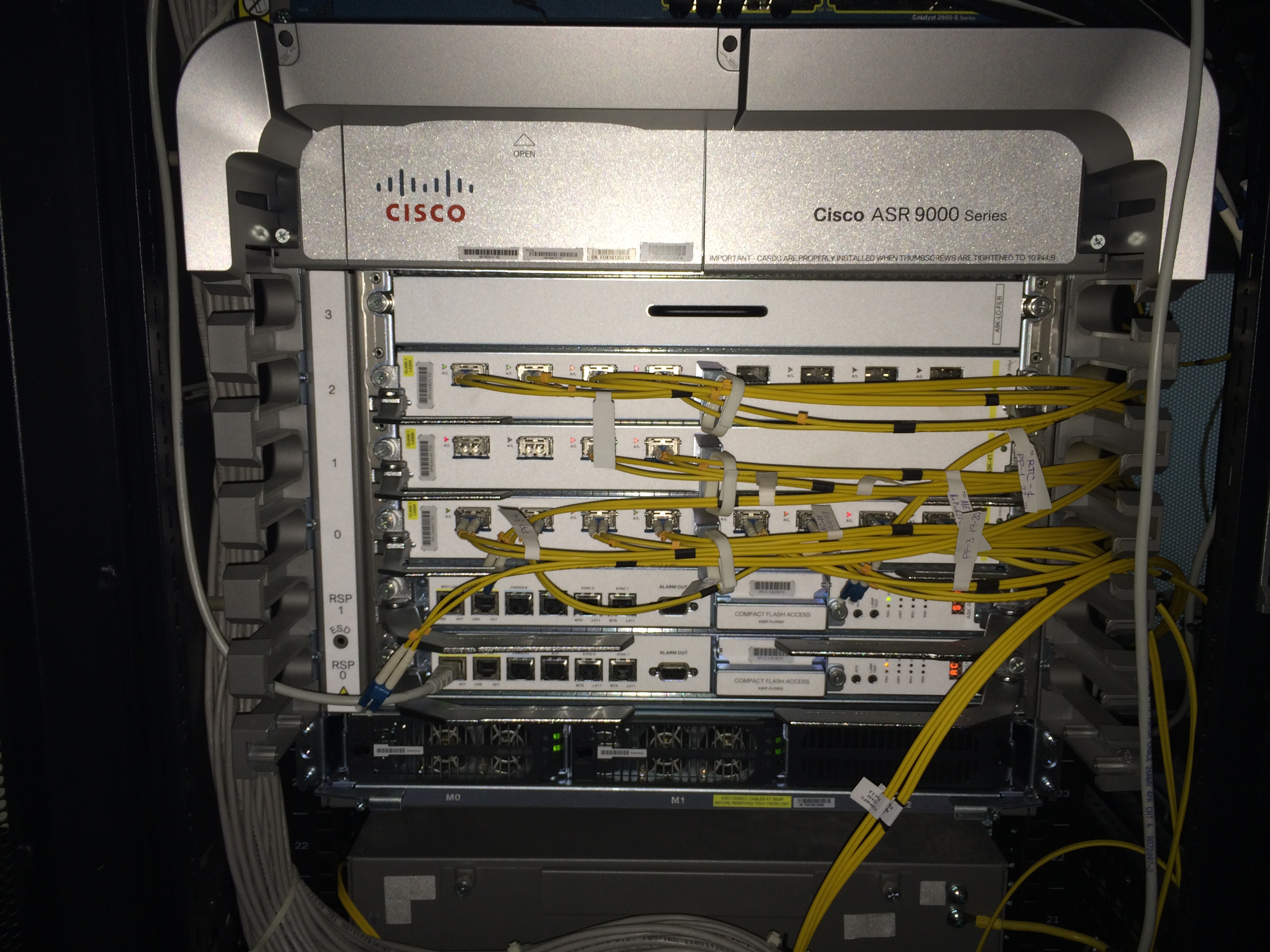
Cisco has issued an urgent security update addressing a severe vulnerability within its Secure Workload platform. This flaw, carrying the highest possible criticality rating, could enable unauthorized remote access to sensitive data and system configurations across various deployments. The immediate patching highlights the critical need for organizations to secure their workload orchestration systems against sophisticated intrusion attempts.